
Film
Johnny Cool
A 1963 crime thriller about a deported mobster who grooms a young Italian convict to infiltrate American underworld operations. It's a sleek, oddly assured film that treats its lurid premise with genuine style, mixing noir sensibilities with a peculiar strain of cold menace. The kind of thing you watch at 2am and cannot quite believe exists.
Should you watch it?
Watch it if you love lean, stylish 1960s crime pictures where a cold, precise professional moves through the underworld with more menace than talk, and the mood carries more weight than the plot.
Skip it if you need a brisk, clearly paced plot with a lot of forward momentum, since this one lingers on atmosphere and its story moves at a deliberate, sometimes languid speed.
What it asks of you: It runs about an hour and forty minutes and asks you to settle into a slow, watchful rhythm, letting the cool, shadowy tone build rather than rushing you through the action.
Not sure? Find tonight's pick in a minute.
If you liked this
Rififi1955
A heist masterpiece that influenced every crime film after it. Tense, elegant, genuinely inventive in how it builds suspense without sacrificing character or style.
But French 1950s cinema can feel distant and slow if you're expecting American pace. The jewel heist itself has almost no dialogue, which some find austere.

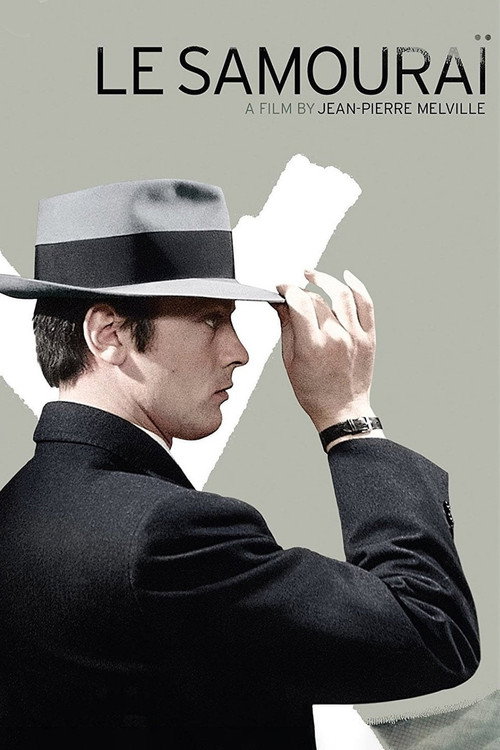
Le Samouraï1967
Alain Delon as a hitman of glacial precision and moral emptiness. A masterwork of mood and visual control that influenced decades of crime cinema and looks absolutely pristine.
But Plot is secondary to style and atmosphere. If you need a story that *goes* places, this will feel like watching someone commit a crime in a museum.
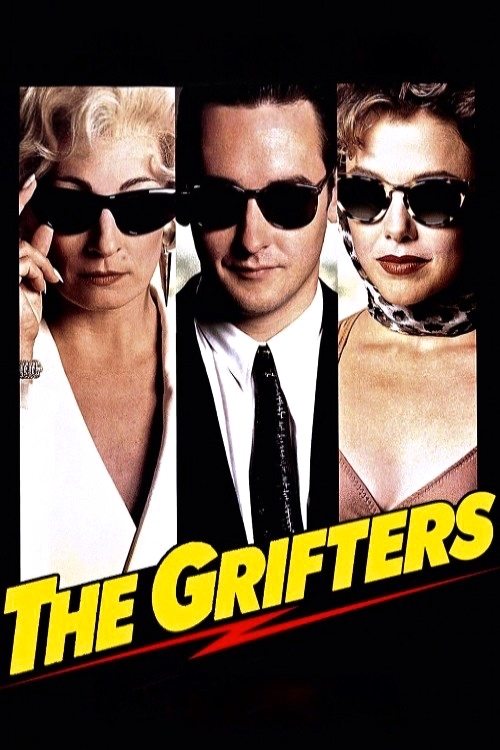
The Grifters1990
Con artists and their schemes, shot with real flair and featuring a cast firing on all cylinders. Dark, energetic, and keeps you slightly off-balance the whole time.
But The tone veers between noir and pulp in ways that might feel scattered. The ending divides people—some find it perfect, others find it punishing.
Not sure tonight? Get a pick in a minute, starting from Johnny Cool
The wildcard
Something you would not have found on your own.
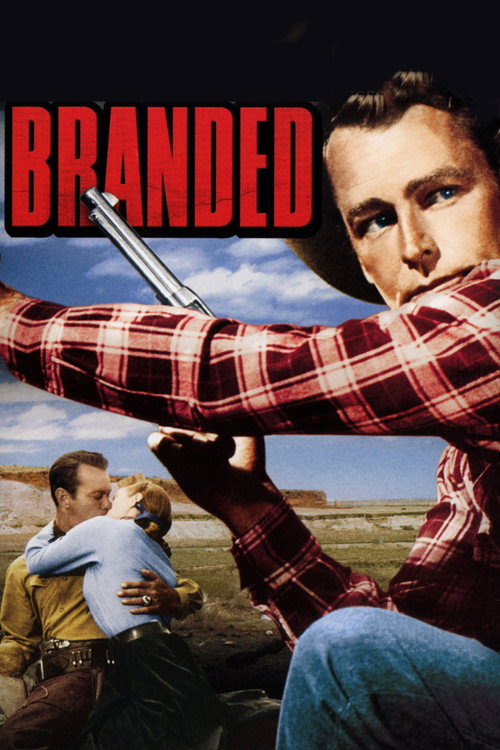
Branded1950
Both films center on a young man thrust into a false identity by an older manipulator, forced to become an instrument of someone else's will. Each explores what happens when you stop being yourself and can't find your way back.
Alan Ladd as a ex-convict framed for a crime, forced to rebuild his life under a false identity. A lean, underseen psychological noir that understands how reputation is a life sentence.
But It's almost entirely forgotten, shot in grainy Eastmancolor that looks like a fever dream. The pacing is odd and it sometimes feels like plot is happening offscreen.
More like this (8)
In a Lonely Place1950
Bogart as a man whose violent temperament makes him prime suspect in a murder. A noir that interrogates its own genre, sharp and surprisingly modern in how it treats toxic masculinity.
But It's less a crime thriller and more a character study dressed as one. The mystery is almost secondary to watching Bogart's slow-motion implosion.

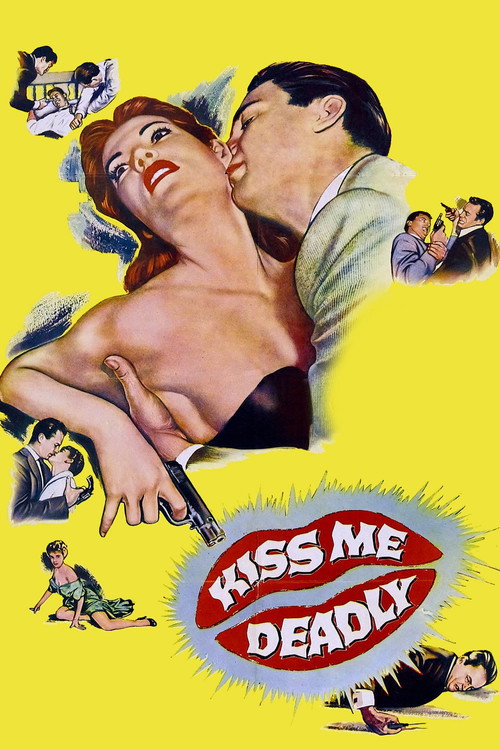
Kiss Me Deadly1955
Mickey Spillane's Mike Hammer adapted by Robert Aldrich into something genuinely unsettling. Brutal, beautiful, and ends with a mushroom cloud that predates everything else that tries this.
But The misogyny is not subtle or historical—it's baked into the film's DNA. The aesthetic can read as cold to the point of alienation.
The Killing1956
Kubrick's race-track heist film, told out of sequence with a fatalist's eye for detail. Taut, noir-soaked, and demonstrates how to sustain tension without ever raising your voice.
But The non-linear structure requires attention. If you're tired, the fractured timeline will feel like work rather than play.

The Asphalt Jungle1950
Widely considered the template for the heist film itself. A jewel-robbery ensemble that treats its thieves with the dignity of real protagonists. Influential doesn't begin to cover it.
But As the template, it's now familiar in its bones. Later films improved the formula, so this can read as slower than its descendants.

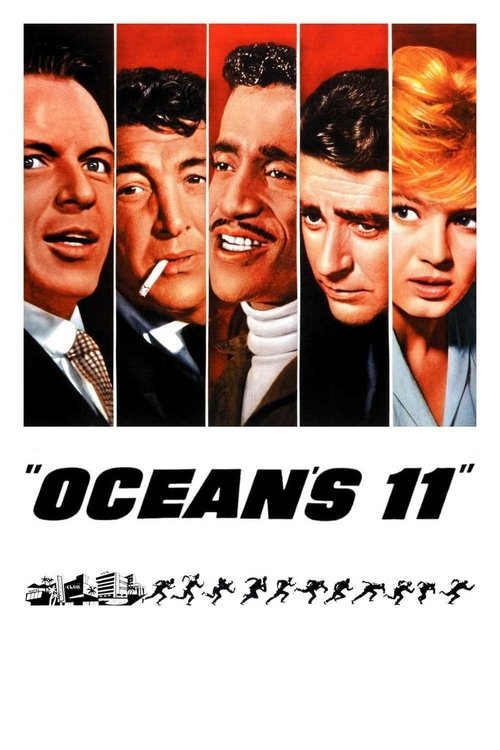
Ocean's Eleven1960
Frank Sinatra leading a pack of Rat Pack luminaries through a Vegas casino heist. Pure style, genuine charm, and proof that swagger can carry a film when the cast has this much wattage.
But The plot is almost decorative. If you need clever scheming and tight narrative, this prioritizes vibe over substance to a degree that will frustrate you.
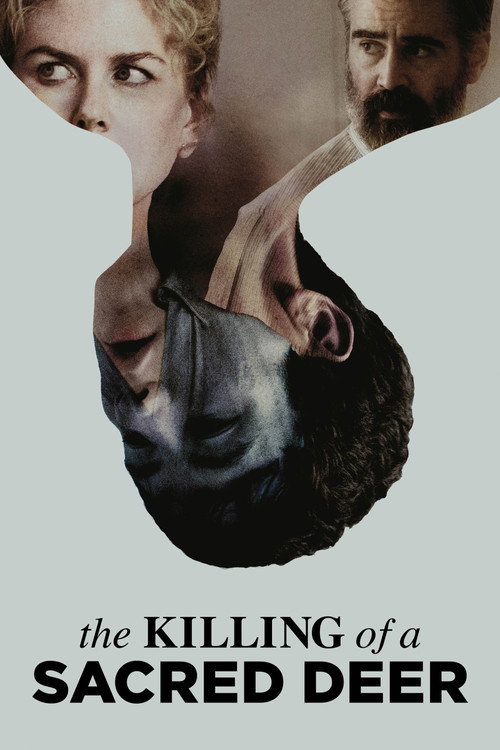
The Killing of a Sacred Deer2017
Yorgos Lanthimos creates a modern fable about a debt unpaid, shot with geometric precision and escalating dread. It's a thriller that feels designed to sit under your skin.
But The pacing is glacial and the tone deeply strange. It's a film that wilfully refuses to be comfortable, and that strangeness isn't for everyone.
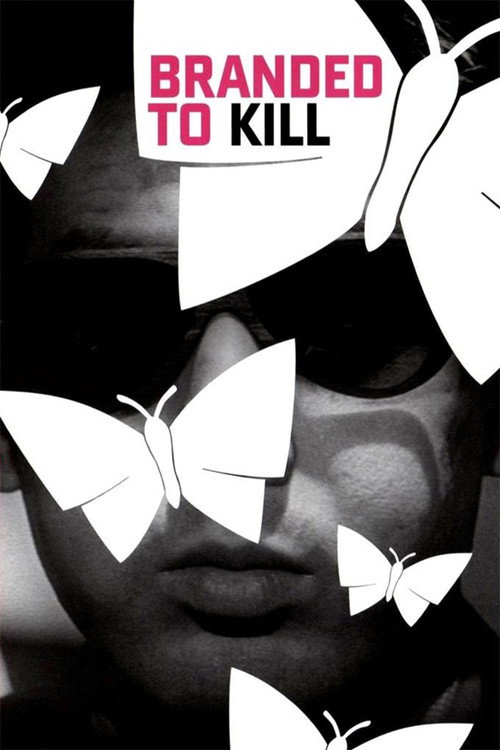
Branded to Kill1967
A sophisticated criminal underbelly exposed as corrupted and irrational, where the protagonist realizes he's disposable machinery in a system larger than he understood. Both films have that peculiar cold-eyed clarity about how crime actually functions.
Seijun Suzuki's Japanese pulp masterpiece: a hitman targeted by someone higher up the food chain. Hallucinatory, wildly inventive, anarchic in its disregard for conventional narrative logic.
But It's visually chaotic and thematically abstract. The plot spirals rather than progresses, and it plays like someone adapted a dream into a screenplay.
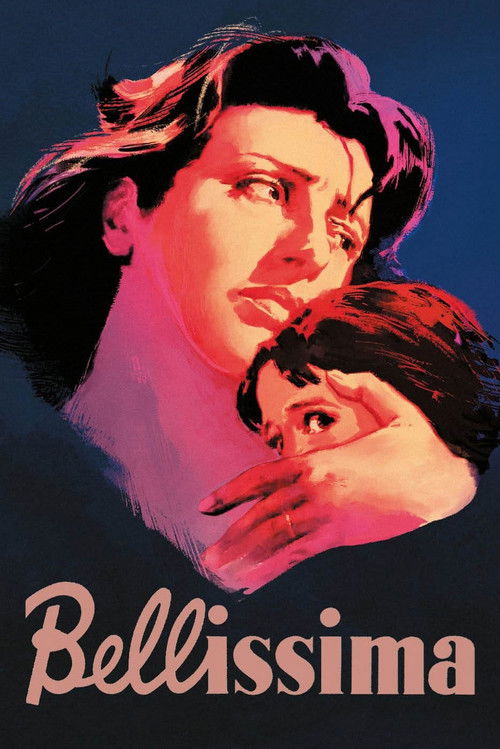
Bellissima1952
Both films turn on a young person being groomed and trained by an older manipulator into a role they never chose. But Visconti makes the groomer's desperation visible—here's the system turning people into objects, seen from inside the machinery itself.
Luchino Visconti's film about an ambitious mother maneuvering her daughter into movies, starring Anna Magnani in a performance of raw, unguarded desperation. Neorealist melodrama at its richest and most human.
But It's Italian neorealism, which means slow pacing and a refusal to make things easy for the viewer. The final act pivots into heartbreak rather than resolution.
People
Cast
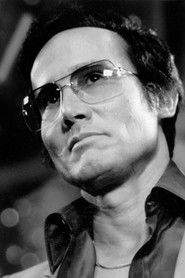 Henry SilvaJohnny Cool / Salvatore Giordano
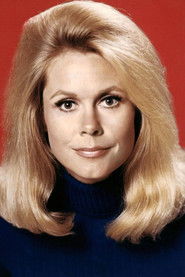 Elizabeth MontgomeryDarien 'Dare' Guiness
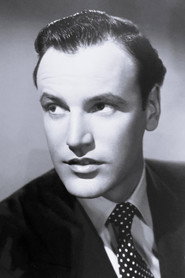 Richard AndersonCorrespondent
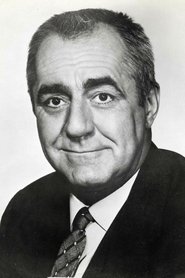 Jim BackusLouis Murphy
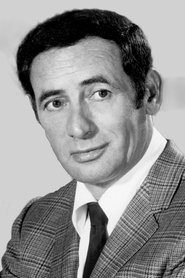 Joey BishopHolmes, Used Car Salesman
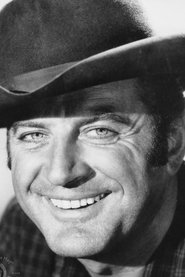 Brad DexterLennart Crandall
 Wanda HendrixMiss Connolly
- Hank HenryLarry, Bus Driver
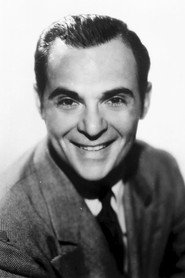 Marc LawrenceJohnny Colini
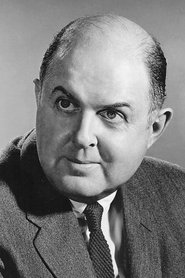 John McGiverOscar B. 'Oby' Hinds
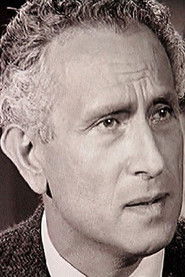 Gregory MortonJerry March
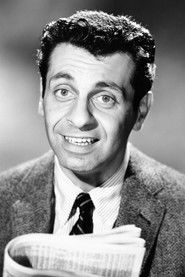 Mort SahlBen Morrow
Directing
- William AsherDirector
Writing
- John McPartlandNovel
- Joseph LandonScreenplay
Production
- Milton EbbinsAssociate Producer
- Peter LawfordExecutive Producer
- William AsherProducer
Recommended by
Black Mama, White Mama, Stray Cat Rock: Sex Hunter, Day of the Outlaw, Backlash, I Escaped from Devil's Island, An Eye for an Eye, Gunslinger