
Film
Day of the Outlaw
A lean 1959 Western where a dying outlaw leader is the only thing keeping his vicious gang from destroying a small town torn by internal conflict. Robert Ryan anchors this tense morality play with quiet authority, building dread through restraint rather than gunfire. It's a film about what civilization actually costs, best suited to viewers who prefer character and atmosphere to action.
If you liked this
Johnny Guitar1954
Vienna's saloon stands between a ruthless land baron and her own survival, forcing uneasy alliances and moral compromises. Like Day of the Outlaw, it explores how fragile community bonds are when self-interest and violence threaten.
But The gender dynamics and some of the dialogue feel very much of their era. The pacing is deliberately unhurried in ways modern viewers sometimes find slow.

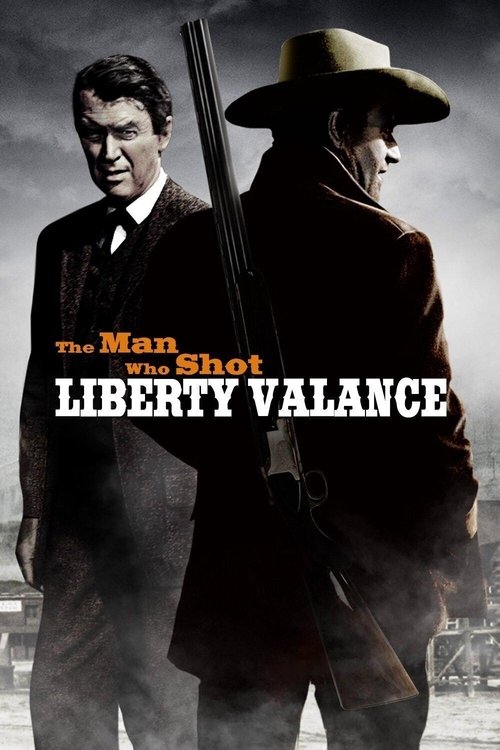
The Man Who Shot Liberty Valance1962
A small town harbors a secret about how it was really civilized, and the truth is messier than the myth. Both films ask whether justice and survival require uncomfortable moral compromises.
But It's a deliberate, character-focused film that builds through talk rather than action. If you want a conventional Western narrative, this isn't it.
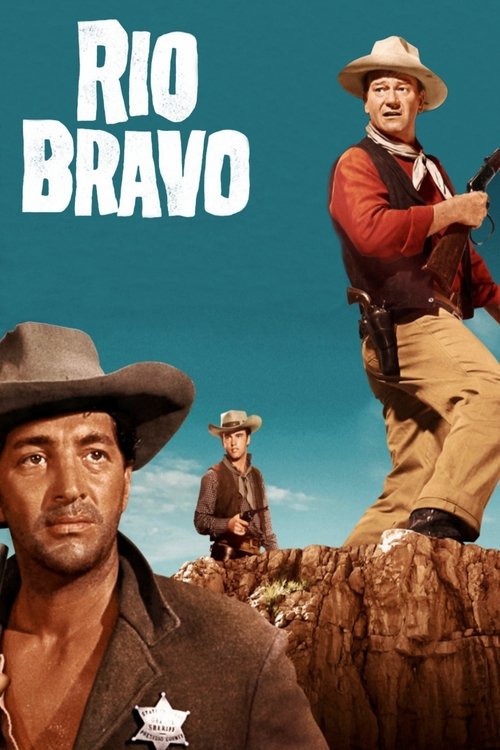
Rio Bravo1959
A sheriff and a small band hold a jail against a siege, with the tension coming from whether they can trust each other more than from gunfights. That balance of character and pressure mirrors what makes Day of the Outlaw work.
But It's a long film that takes its time establishing relationships. The extended cantina scene will test your patience if you want momentum.
Not sure tonight? Get a pick in a minute, starting from Day of the Outlaw
The wildcard
Something you would not have found on your own.
The Killing1956
Both are tightly wound ensemble pieces where the central conflict isn't with an external enemy but with the fragility of the group's social order. A charismatic leader or a code is the only thing preventing chaos.
Kubrick's debut dissects a racetrack heist through fractured timelines and moral chaos, showing how a plan survives contact with human weakness and greed. Like Day of the Outlaw, it's about a group held together by circumstance and hierarchy that will collapse under pressure.
But The non-linear structure can feel gimmicky on first viewing. The violence is sudden and brutal in ways that shock more than excite.

More like this (8)
The Ballad of Little Jo1993
A woman survives frontier isolation by pretending to be a man, navigating violence, desire, and belonging in a lawless space. Like Day of the Outlaw, it asks what people will do—and what they'll accept—to belong somewhere.
But The film is quietly tragic and offers no catharsis. Some viewers find the pacing contemplative to the point of being tedious.

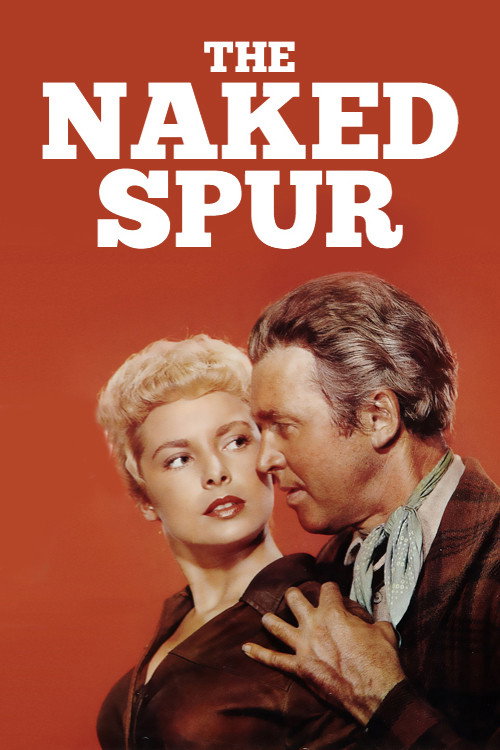
The Naked Spur1953
James Stewart plays a bounty hunter pursuing an outlaw across wilderness, but the moral calculus becomes increasingly unstable as the journey progresses. Both films understand that outlaws and lawmen are often just different versions of the same hunger.
But It's a cramped, claustrophobic film with a small cast and limited locations. If you're watching for landscape or spectacle, you'll be disappointed.
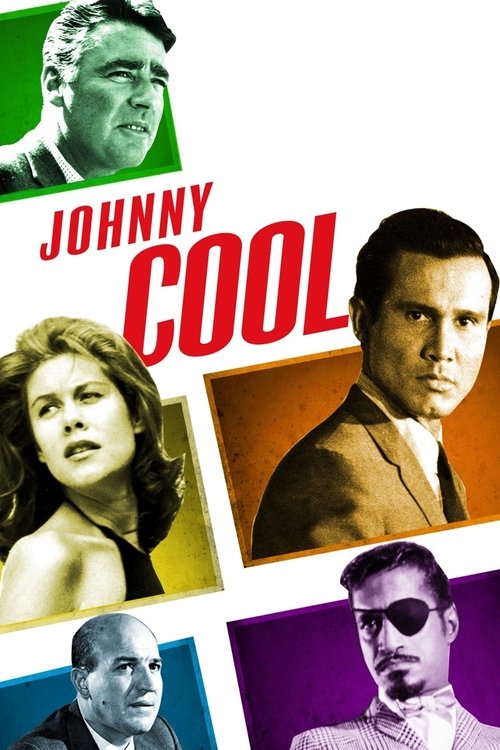
Johnny Cool1963
A mobster loose in a small town is the catalyst for revealing how shallow the town's decency actually is. The idea of an outsider exposing a community's fault lines is thematic kin to Day of the Outlaw.
But The film is somewhat dated in its portrayal of violence and women. The plotting can feel scattered, jumping between tones without quite landing either.
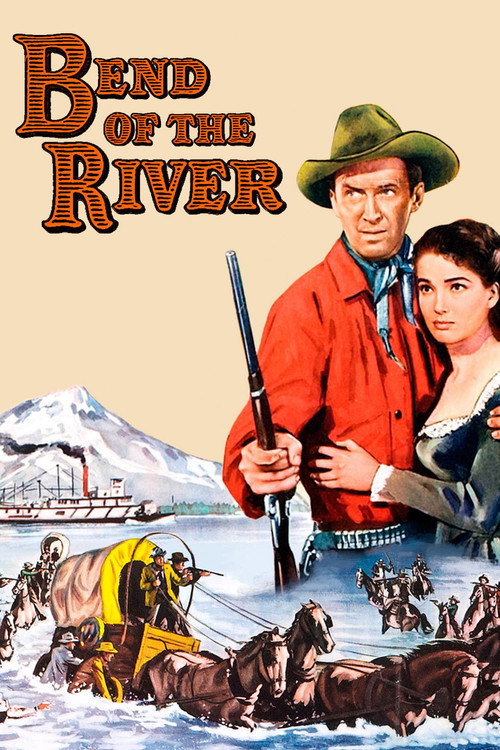
Bend of the River1952
James Stewart and Anthony Mann explore what happens when a reformed outlaw tries to help build something civilized, but the past catches up. Both films are about whether people can change and whether communities will let them.
But The pacing in the middle sags. Some of the character arcs resolve too neatly for a film that spends so much time with moral ambiguity.
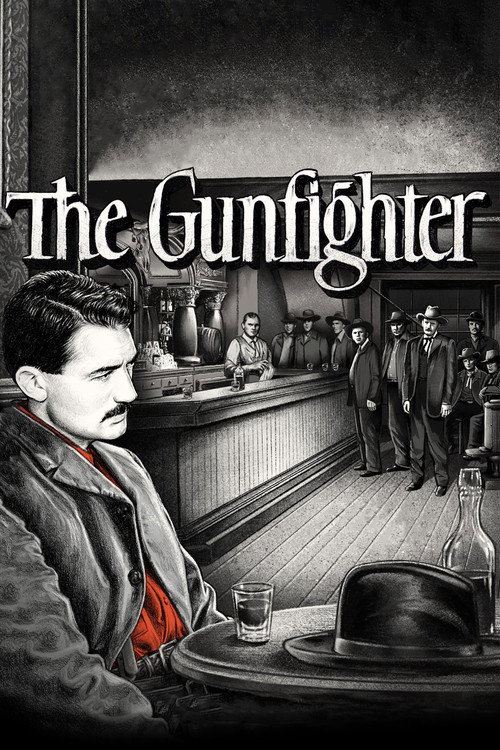
The Gunfighter1950
Gregory Peck plays a legendary gunslinger trying to escape his reputation, only to find that towns and men won't let him go. A meditation on violence and identity that shares Day of the Outlaw's quiet moral weight.
But There's very little action despite the subject matter. The film is fundamentally a character study, and a somewhat static one.
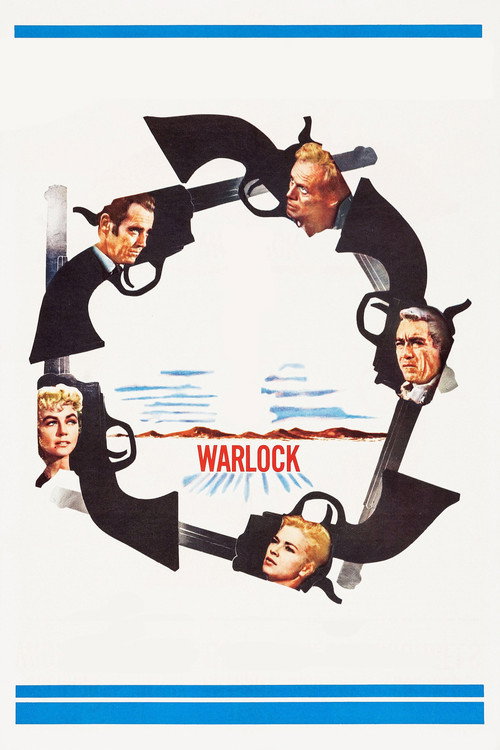
Warlock1959
A gunslinger hired to bring order to a chaotic town discovers that bringing peace and being decent are not the same thing. It shares Day of the Outlaw's interest in what civilization requires and what it costs.
But The ensemble narrative is diffuse, and not all the performances match each other's register. Some plot threads feel abandoned rather than resolved.
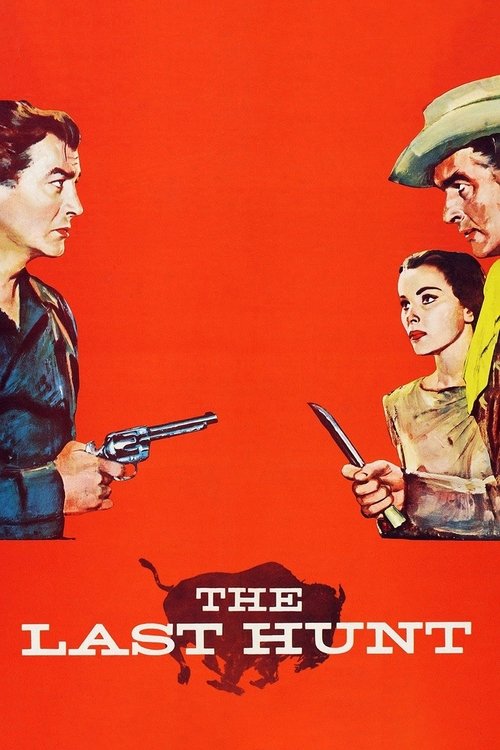
The Last Hunt1956
Both films are set in moments when the frontier is collapsing, and both understand that violence and desperation come from men who can't adapt. The tone is elegiac rather than triumphant.
Robert Taylor and Stewart Granger hunt buffalo on the dying frontier, but their partnership fractures under the weight of loneliness, racism, and the realization that the old world is actually gone. A deeply melancholic film about what people do when there's nowhere left to belong.
But It's a slow, contemplative film with long stretches of landscape and silence. There's very little plot, and some viewers find that austere rather than moving.
In a Lonely Place1950
Both films understand that civilization is thin and that one person—or the absence of one person—can unravel it. Both use a protagonist's moral ambiguity to complicate the viewer's sympathies and assumptions about justice.
Bogart plays a violent, charismatic man accused of murder, and the film asks whether he's guilty and whether it matters. A noir that understands how quickly a community will turn on someone when fear and suspicion take hold, just as the town in Day of the Outlaw is one incident away from collapse.
But It's a noir, not a Western, and the Los Angeles setting and film industry backdrop may feel remote. The ending is morally unsettling in ways that some viewers find frustrating rather than powerful.

People
Cast
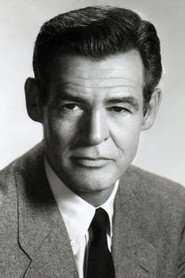 Robert RyanBlaise Starrett
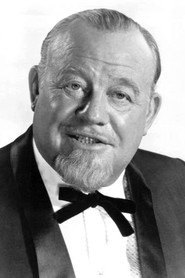 Burl IvesJack Bruhn
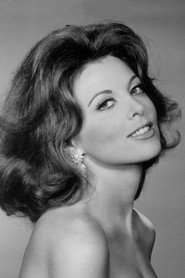 Tina LouiseHelen Crane
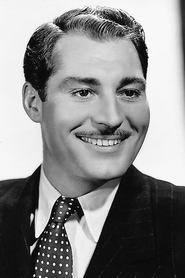 Alan MarshalHal Crane
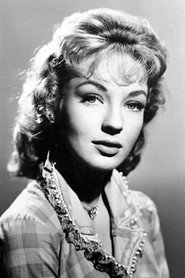 Venetia StevensonErnine, Vic's Daughter
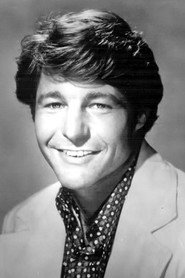 David NelsonGene, Bruhn's Gang
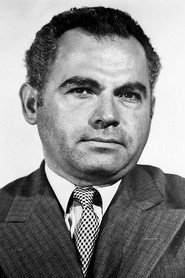 Nehemiah PersoffDan, Starret's Foreman
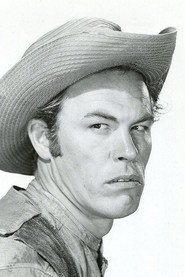 Jack LambertTex, Bruhn's gang
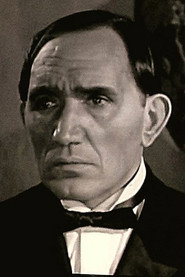 Frank De KovaDenver, Bruhn's Gang
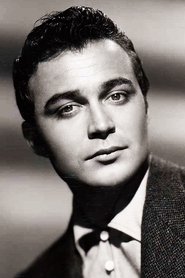 Lance FullerPace, Bruhn's Gang
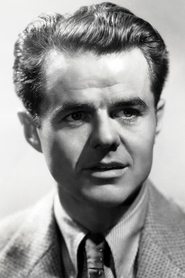 Elisha Cook Jr.Larry Teter, Town Barber
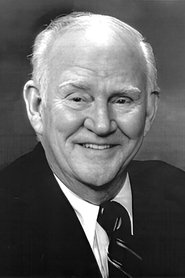 Dabbs GreerDoc Langer, Veterinarian
Directing
- Ralph E. BlackAssistant Director
- André de TothDirector
- Joe FranklinScript Supervisor
Writing
- Lee E. WellsNovel
- Philip YordanScreenplay
Production
- Leon ChooluckAssociate Producer
- Philip YordanProducer
- Sidney HarmonProducer