
Film
The Last Hunt
A 1956 Western about two buffalo hunters whose partnership fractures over a moral divide: one hunts for profit, the other for sport and cruelty. It's a lean, morally serious film about the frontier's violence and the men it made, blunt in its depiction of both buffalo slaughter and human brutality. For viewers who want their Westerns thoughtful and unsentimental.
Should you watch it?
Watch it if you prefer slow, morally uneasy Westerns where a friendship sours into something ugly and the vast plains feel as dangerous as the men.
Skip it if you need a light touch, since this is a grim, unhurried film about cruelty and greed, with little humour to ease the weight.
What it asks of you: It runs just under two hours at an unhurried pace, with long silences across open country and violence that lands heavily rather than briskly.
Not sure? Find tonight's pick in a minute.
If you liked this
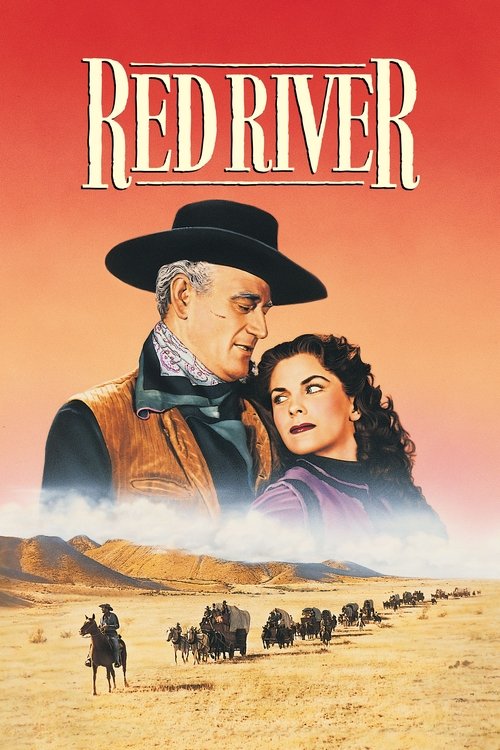
Red River1948
Hawks's masterpiece about a cattle drive where pride and obsession corrupt a mentor-mentee bond. Like Last Hunt, it's tense character drama disguised as an action film, exploring how power warps good men.
But It's 133 minutes of older cinema with a slower pace than modern Westerns; the romantic subplot feels obligatory.
Johnny Guitar1954
An eccentric Western where the usual codes crack and invert. Like Last Hunt, it examines violence not as inevitable frontier law but as a choice some people make, and the cost others pay for it.
But Nicholas Ray's stylization is stark and strange; if you want conventional Western storytelling, this will feel alien.

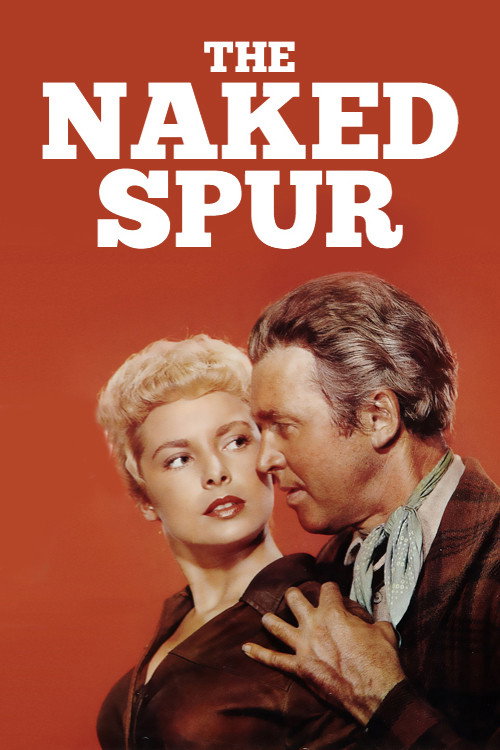
The Naked Spur1953
Anthony Mann's taut examination of five men on a mountain, each carrying their own moral rot. The landscape is beautiful but pitiless, and the script trusts you to understand cruelty without spelling it out.
But It's claustrophobic and grueling; there's no moment where the good guys feel clean, and that exhaustion is the point.
Not sure tonight? Get a pick in a minute, starting from The Last Hunt
The wildcard
Something you would not have found on your own.
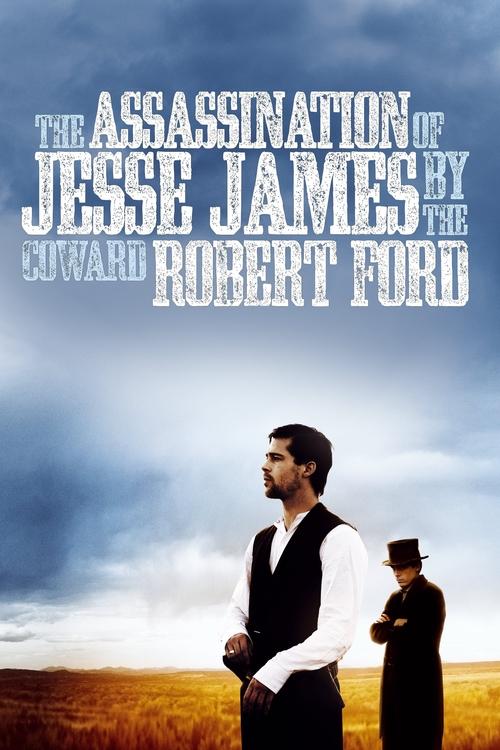
The Assassination of Jesse James by the Coward Robert Ford2007
Both are Westerns that treat violence as a sickness in certain men rather than a necessity of the land. Both distrust mythology.
Andrew Dominik's revisionist masterpiece strips the Western myth bare to show its obsessions with fame, dominance, and worship. It shares Last Hunt's refusal to prettify frontier violence, but applies that unflinching gaze to American legend itself.
But It's three hours of dread and winter gray; it moves like a dirge, and the morality is suffocating rather than clarifying.
More like this (8)
The Ballad of Little Jo1993
Maggie Greenwald's frontier film about a woman passing as a man to survive. Like Last Hunt, it refuses to romanticize the West; survival here is morally ambiguous and the land indifferent to your ethics.
But It's quieter and more character-driven than action-oriented; the pacing won't satisfy anyone looking for conventional thrills.

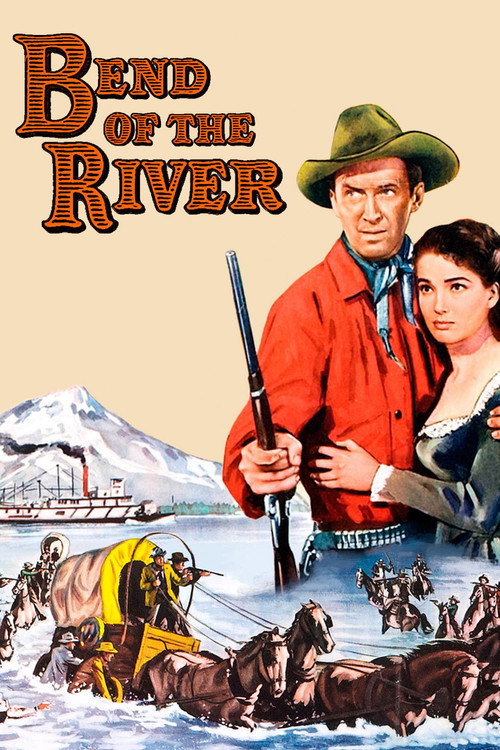
Bend of the River1952
Mann and James Stewart again, this time about a reformed outlaw trying to stay reformed. The film's real interest is in how hard it is to escape what you've been, and whether society lets you anyway.
But The ending resolves more neatly than the moral questions deserve; some viewers will find that comforting, others unsatisfying.
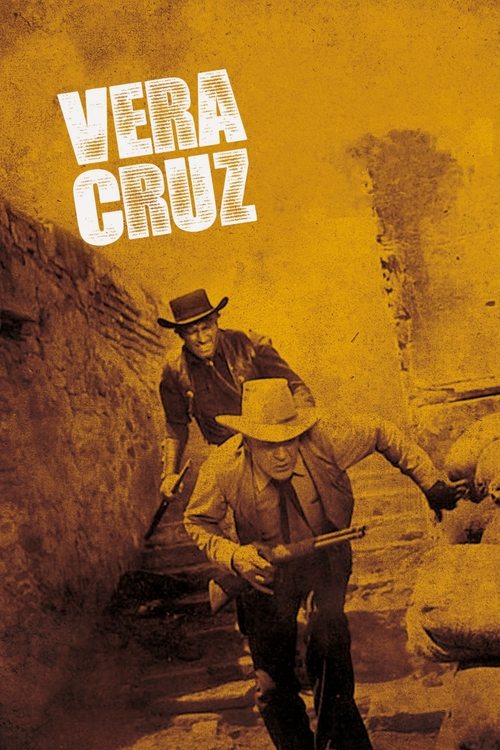
Vera Cruz1954
Siegel's cynical adventure about two mercenaries in Mexico with no allegiances. It shares Last Hunt's refusal to pretend the frontier was noble—just men making brutal choices for money and ego.
But It moves fast and keeps things entertaining, which can feel slight compared to the moral weight of more serious Westerns.
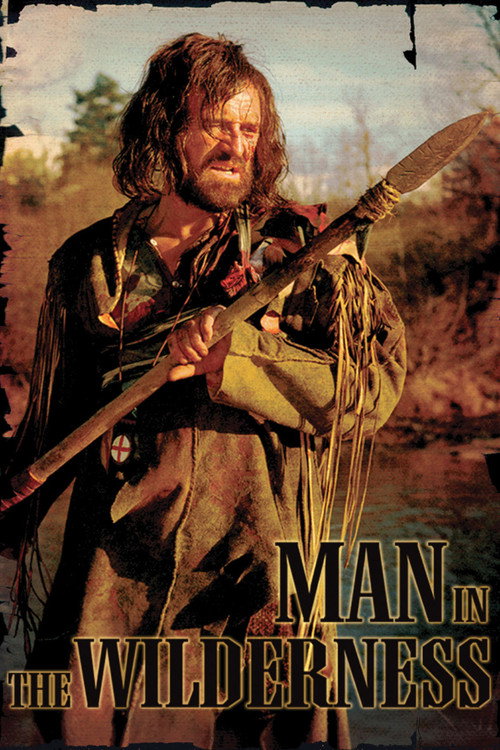
Man in the Wilderness1971
Richard Harris survives a bear attack in the frontier and must decide whether to live for revenge. A sparse, meditative film about pain and choice that echoes Last Hunt's interest in what the wilderness does to men's souls.
But It's deliberately paced and visually austere; modern audiences often find it slow and emotionally remote.
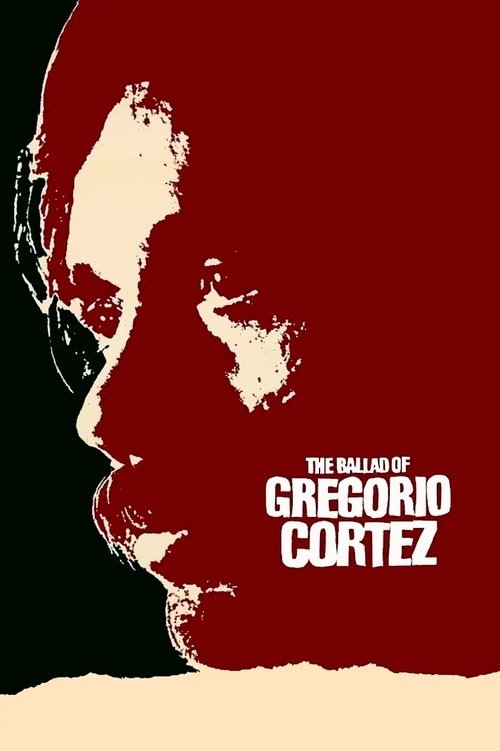
The Ballad of Gregorio Cortez1983
Robert M. Young's quiet masterpiece about a Mexican-American cowboy hunted by the law. It's as interested in the cost of violence and prejudice as Last Hunt is, and similarly refuses easy answers.
But It's understated to the point of invisibility; if you want propulsive drama, you'll be disappointed by its restraint.
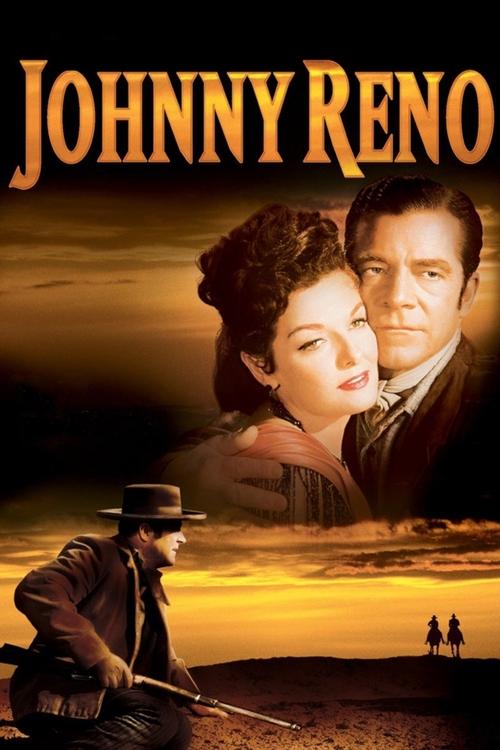
Johnny Reno1966
A minor but sincere Western that values character over spectacle. Like Last Hunt, it's interested in quiet moral failures and the small moments where men choose who they'll become.
But It's a B-picture with limited resources and a thin plot; it won't satisfy anyone expecting a substantial story.
Stalker1979
Both films are about two men in partnership watching a chasm open between them. Both are ultimately about what men want and what it costs them.
Tarkovsky's Soviet sci-fi film about a guide leading two men into a mysterious zone. Structurally it mirrors Last Hunt—two partners and the moral distance that opens between them—but transforms the frontier into metaphysical space and the hunt into a search for desire itself.
But It's 163 minutes of philosophical conversation and long shots; if you want plot momentum or action, it will feel like watching a man think very slowly.

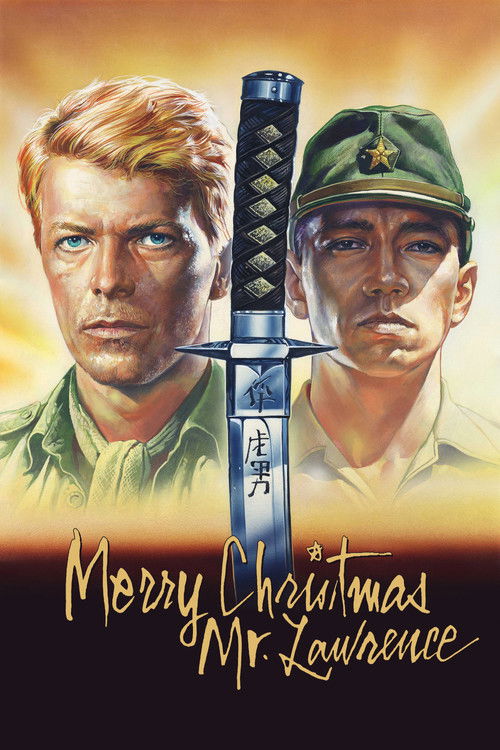
Merry Christmas, Mr. Lawrence1983
Both films use a partnership or relationship to explore how good men rationalize cruelty. Both are interested in what attracts us to brutal men.
Nagisa Oshima's film about a Japanese POW camp commandant and a British officer, with David Bowie in a surprising role. Like Last Hunt, it examines civilized men choosing cruelty, and the strange intimacy between captor and captive, hunter and hunted.
But It's a Japanese-English coproduction with an unconventional narrative structure; some scenes are oblique, and the tone shifts unpredictably.
People
Cast
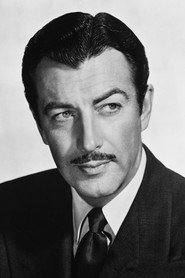 Robert TaylorCharlie Gilson
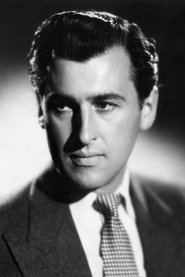 Stewart GrangerSandy McKenzie
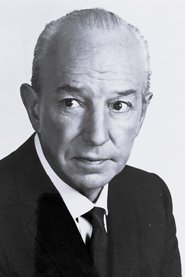 Lloyd NolanWoodfoot
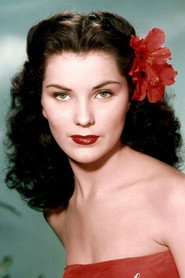 Debra PagetIndian girl
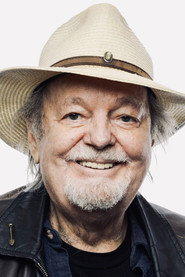 Russ TamblynJimmy O'Brien
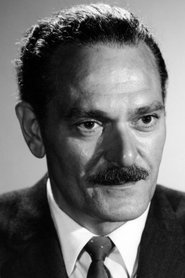 Joe De SantisEd Black
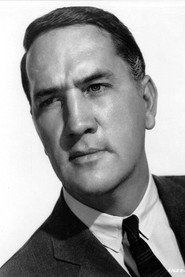 Ainslie PryorBuffalo hunter #1
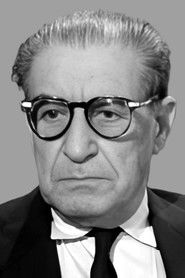 Ralph MoodyIndian agent
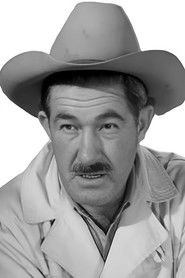 Fred GrahamBartender
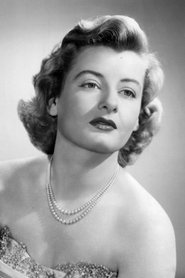
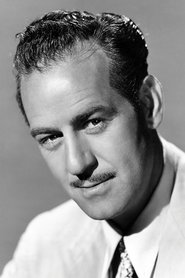 Roy BarcroftMaj. Smith
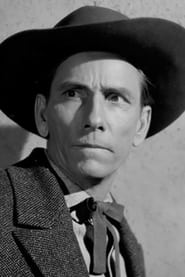 Dan WhiteDeputy
Directing
- Richard BrooksDirector
Writing
- Milton LottNovel
- Richard BrooksWriter
Production
- Dore ScharyProducer
Recommended by
King of the Wild Stallions, Johnny Firecloud, Day of the Outlaw