
Film
Man in the Wilderness
A 1971 wilderness survival film where Richard Harris plays a fur trapper left for dead by his own expedition, clawing his way back to civilization and revenge. It's meditative and brutal—less about action than the slow, grueling work of staying alive in hostile terrain. For anyone who wants their westerns quieter, stranger, and earned.
Should you watch it?
Watch it if you like frontier survival stories built on physical endurance and a lone man's stubbornness, where the wilderness itself feels like the main opponent and the harsh, unsentimental mood is the point.
Skip it if you need brisk plotting, since this is a grim, deliberate slog where the mood stays bleak and the dialogue thins out for long stretches.
What it asks of you: Just under two hours of patience, with long stretches of plodding travel and little comfort, and the tone stays hard even in its quieter moments.
Not sure? Find tonight's pick in a minute.
If you liked this
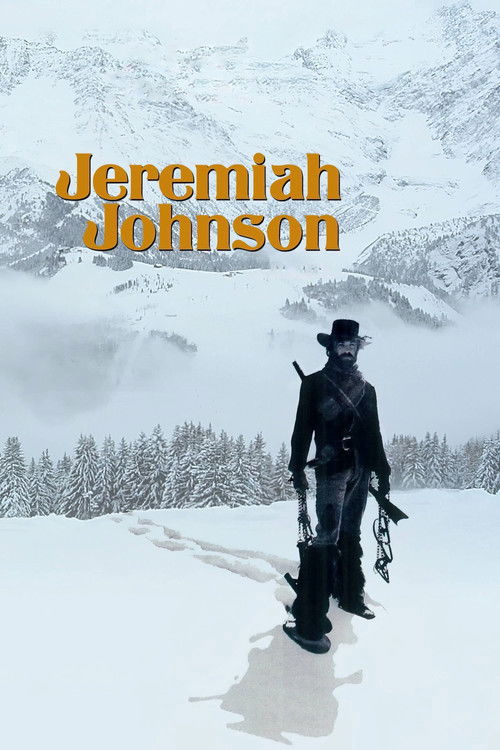
Jeremiah Johnson1972
Robert Redford as a mountain man learning to survive the frontier alone. Like Man in the Wilderness, it finds beauty in solitude and hardship, with long stretches where landscape becomes the real story.
But The pacing is glacial even by 1970s standards, and the second half pivots toward revenge in ways that feel less earned than the survival itself.
The Revenant2015
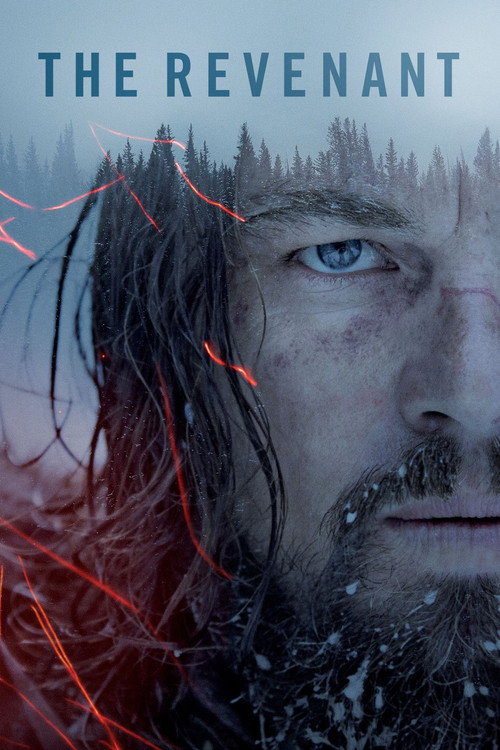
Leonardo DiCaprio survives a bear attack and a brutal wilderness crossing to settle scores. It's the spiritual descendant of this film—obsessed with the physical ordeal and the animal determination required to walk back from the dead.
But It's longer and far more visceral and showy than its 1971 predecessor. The spectacle sometimes overshadows the quiet horror of what survival actually costs.
Deliverance1972
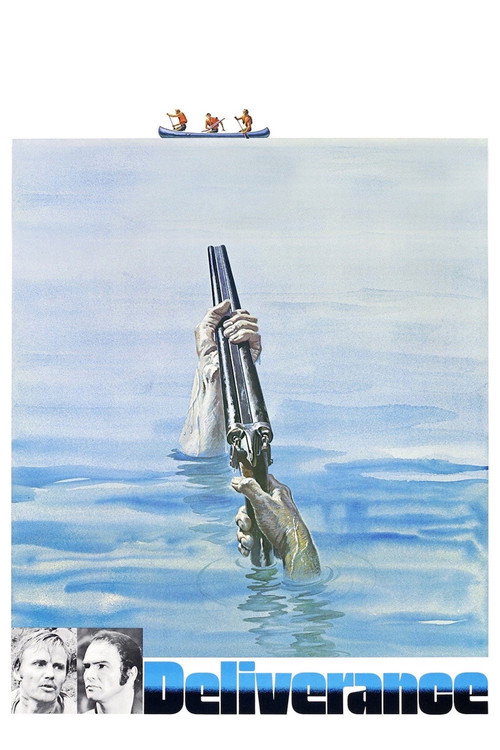
Four men on a canoe trip down a dangerous river confront nature, violence, and their own limits. Shares that 70s commitment to showing survival as degrading, painful, and morally complicated.
But It's more overtly brutal and sexual in its violence. If you're drawn to Man in the Wilderness for its stoicism, this rawness might feel gratuitous.
Not sure tonight? Get a pick in a minute, starting from Man in the Wilderness
The wildcard
Something you would not have found on your own.
Aguirre, the Wrath of God1972
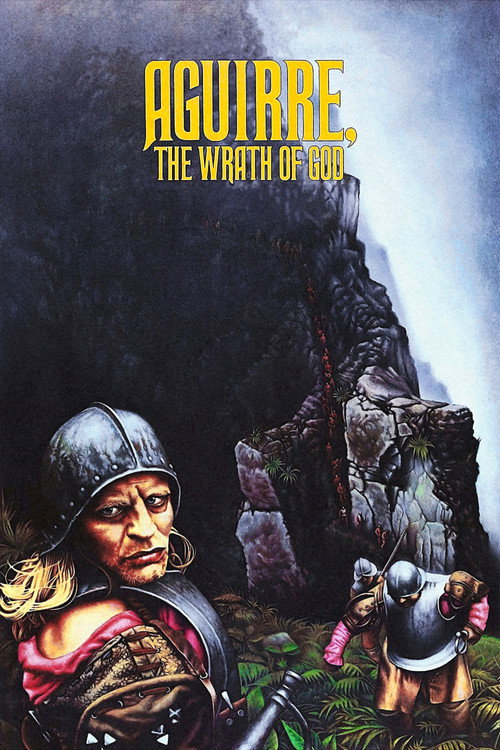
Both films treat their protagonist's fixation (revenge, the mythical city) as a form of self-destruction indistinguishable from survival; both use forbidding landscape not as backdrop but as character.
Werner Herzog's fever dream of a conquistador obsessed with a lost city, descending into madness in the Amazon. Like Man in the Wilderness, it's about a man consumed by a single vision driving him forward through a landscape that doesn't care if he lives or dies.
But It's hallucinatory and difficult, shot on location in genuinely dangerous conditions. The obsession isn't sympathetic—it's pathological and terrible to watch unfold.
More like this (8)
Johnny Guitar1954
Nicholas Ray's strange, painterly western where landscape and obsession matter more than plot. Weird and visually stunning in ways that anticipate the arthouse reach of early-70s westerns.
But It's avant-garde for a western and deeply indifferent to conventional narrative. The oddness is the point, but it takes patience to appreciate.

The Ballad of Little Jo1993
Suzy Amis as a woman who becomes a man to survive the frontier alone. A feminist reply to masculine survival stories, but with the same commitment to showing what endurance actually demands.
But It's quieter and more interior than you might expect. Some find the pacing suffocating; others find it perfect.

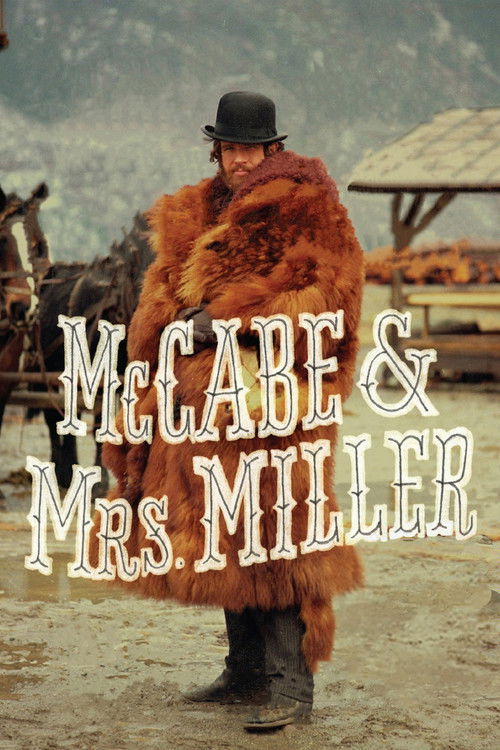
McCabe & Mrs. Miller1971
Robert Altman's anti-western, set in the mud and snow of a mining camp. Same year as Man in the Wilderness, same commitment to stripping the genre of mythology and showing the squalor underneath.
But The dialogue is often inaudible, the ending is bleak, and it has no interest in making its characters likable or the frontier romantic.
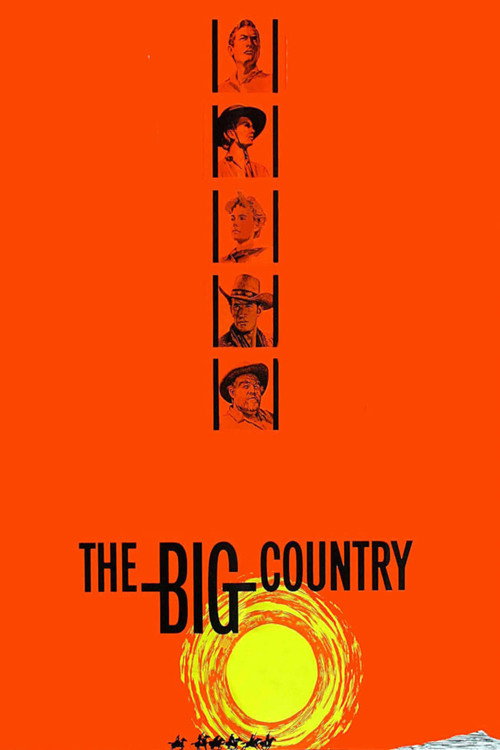
The Big Country1958
William Wyler's landscape-heavy western, where the land itself becomes a moral force. Not as dark as Man in the Wilderness, but shares its sense of nature as something that judges and punishes.
But It's a conventional western dressed in art-film aesthetics. If you're after something stranger, this will feel familiar underneath the visual beauty.
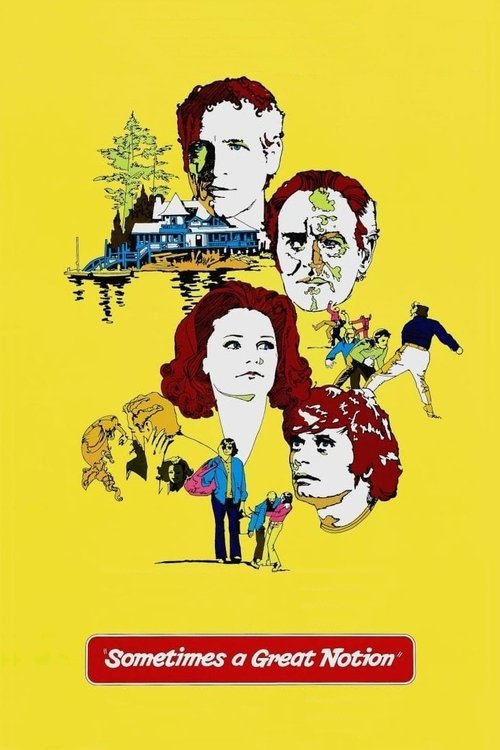
Sometimes a Great Notion1971
Paul Bunyan mythology meets the logging industry in Oregon. A sprawling, ambitious film about men and nature and stubborn pride—shares the obsessive determination that drives Harris's character.
But It's three hours and sometimes loses itself in its own ambition. The editing and tonal shifts can feel chaotic rather than profound.
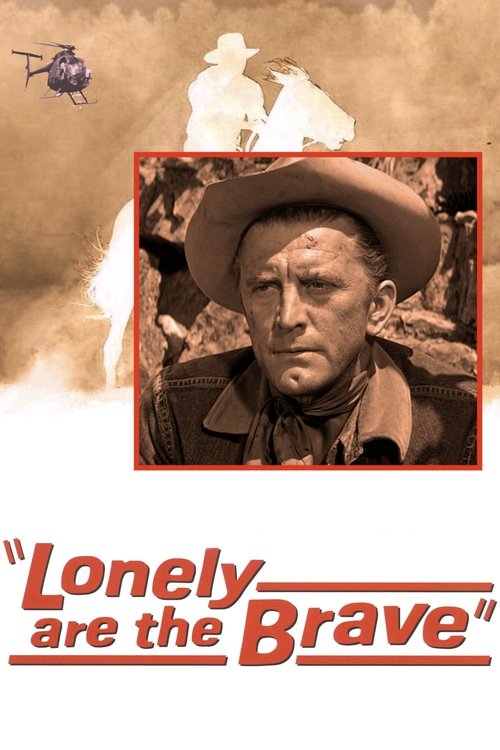
Lonely are the Brave1962
Kirk Douglas as a stubborn cowboy who can't adapt to the modern world and chooses isolation and hardship over surrender. Similar moral spine: a man defined by his refusal to bend.
But It's much more conventional and humanist than Man in the Wilderness. If you want something darker and less sympathetic, this is too kind.
Stalker1979
Both subordinate narrative momentum to something deeper—the work of endurance, the slow revelation of character through ordeal. Both suggest that movement through space is metaphysical, not just physical.
Andrei Tarkovsky's science-fiction meditation on desire and faith, where a man guides others through a mysterious landscape toward a room that grants wishes. Utterly different subject matter, but the same glacial pacing and belief that the journey inward matters more than the destination.
But It's two hours and fifty minutes of philosophical wandering with no action and no conventional plot. If you want propulsive survival drama, this is the opposite.

The Man from Nowhere2010
Both films trust their protagonist's silence and capability. Both suggest that the quiet man with nothing left to lose is the one who'll get to the end.
A Korean revenge thriller: a quiet, isolated man is forced to move when someone he cares for is taken. It's lean and brutal where Man in the Wilderness is meditative, but both hinge on a man's complete commitment to a single, solitary purpose and the quiet competence it requires.
But It's violent and darkly efficient in ways that might feel reductive or small after the lyrical scope of the 1971 film. Also a very different cultural register—much more modern and genre-savvy.

People
Cast
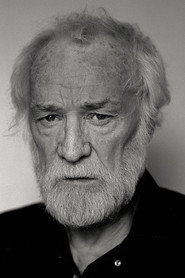 Richard HarrisZachary Bass
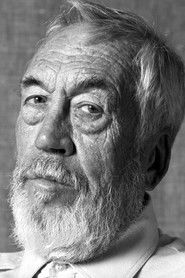 John HustonCaptain Filmore Henry
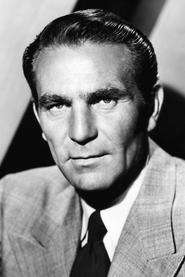 Henry WilcoxonIndian Chief
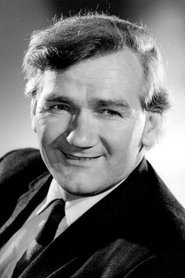 Percy HerbertFogarty
 Prunella RansomeGrace
 Dennis WatermanLowrie
 Sheila RaynorGrace's Mother
 Norman RossingtonFerris
 James DoohanBenoit
 John BindonCoulter
 Bryan MarshallPotts
- Ben CarruthersLongbow
Directing
- Richard C. SarafianDirector
- Kuki López RoderoFirst Assistant Director
Writing
- Jack DeWittWriter
Production
- C.O. EricksonAssociate Producer
- Marvin PaigeCasting
- Robert LennardCasting
- Shirley WoodsCasting
- Sandy HowardProducer
Recommended by
The Revenant, The Best Man, Hatari!, The Last Hunt, Springtime in the Sierras