
Film
Hatari!
Hatari! is a sprawling adventure film about a ragtag team of animal trappers in Tanzania, filmed on location with real wildlife and stunts. It's a movie that moves at its own pace—sometimes thrilling, sometimes digressive, always visually stunning. For anyone who loves old Hollywood spectacle, practical action, or just wants to watch professionals do genuinely dangerous work with style.
If you liked this
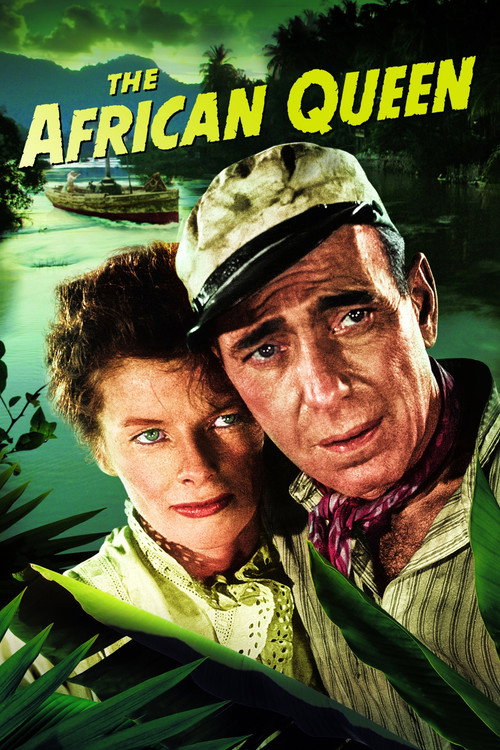
The African Queen1952
A similar blend of adventure, romance, and exotic location with Humphrey Bogart and Katharine Hepburn. Both films pit resourceful Westerners against nature and circumstance in Africa, with genuine chemistry and humor underneath the peril.
But The pacing can feel languid by modern standards, and the colonial attitudes, while products of their time, are still present and occasionally grating.
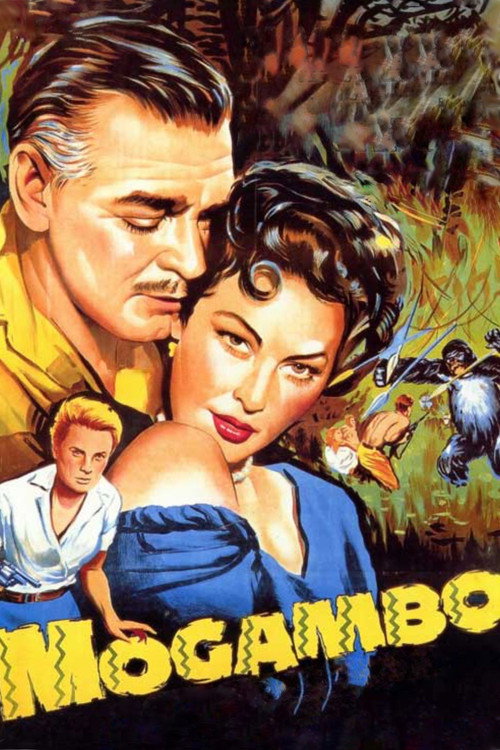
Mogambo1953
Another African adventure with Clark Gable and Grace Kelly hunting game—it has the same appeal of location photography, masculine camaraderie, and a woman arriving to disrupt the status quo. Similar era, similar spirit.
But It's less focused on animal action and more on romantic triangles, which may feel less kinetic than Hatari!'s practical sequences.
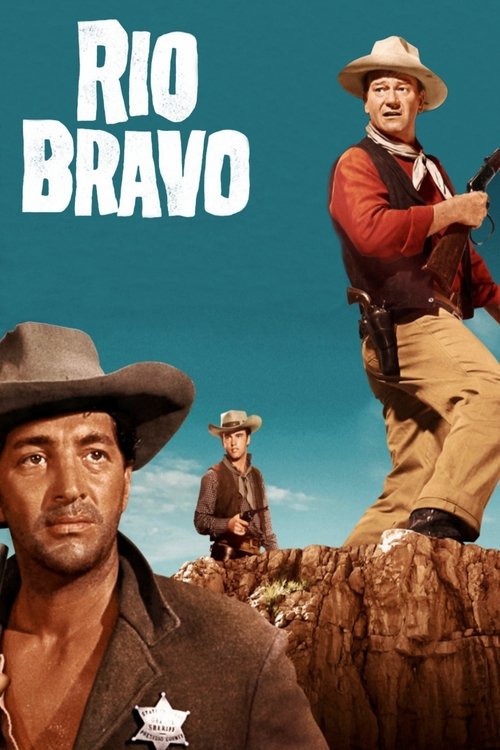
Rio Bravo1959
Hawks directed this too, and it shares Hatari!'s unhurried approach to character and its celebration of professionals doing difficult work. A laid-back Western with the same emphasis on competence and camaraderie over plot urgency.
But If you found Hatari! slow, Rio Bravo's even slower. It's a three-hour film about people mostly standing around talking and shooting at each other.
Not sure tonight? Get a pick in a minute, starting from Hatari!
The wildcard
Something you would not have found on your own.
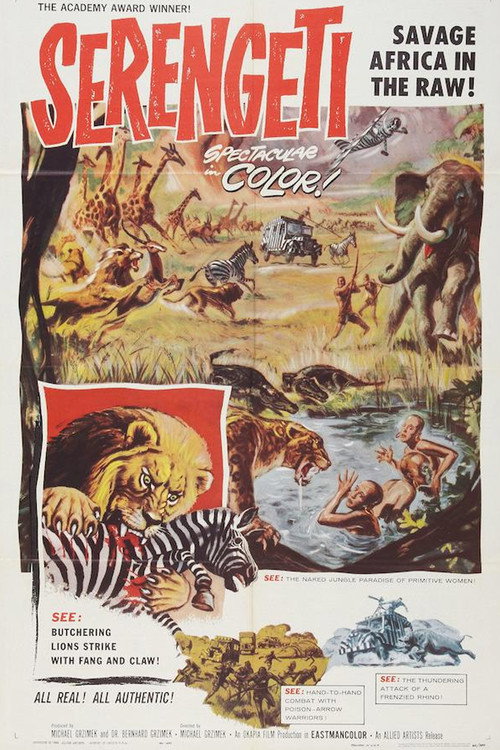
Serengeti Shall Not Die1959
Hatari! was made in the same location at the same moment in history. Watching this documentary afterward shows you what Hawks was actually working with and what he chose to emphasize versus ignore.
A documentary about wildlife conservation in Tanzania, shot just before Hatari! was filmed in the same region. It's raw, educational footage of actual animal behavior and the landscape that Hawks used as his backdrop—the real thing Hatari! was dramatizing.
But It's a serious conservation film without narrative or entertainment structure. Long passages are pure observation, which requires patience and genuine interest in wildlife.
More like this (7)
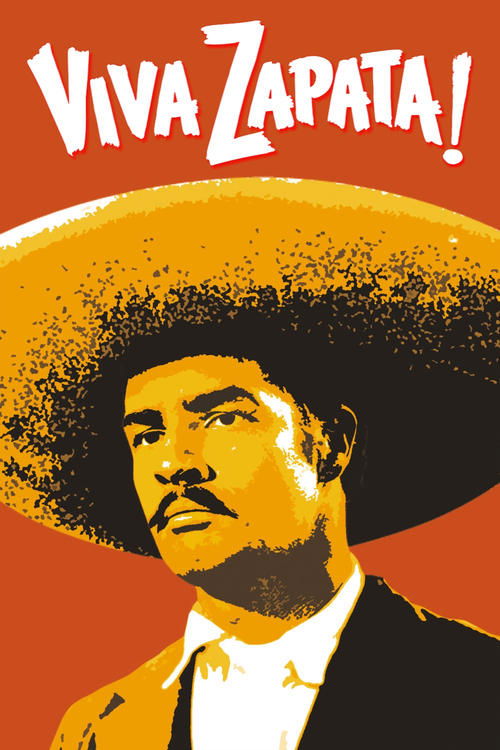
Viva Zapata!1952
Features John Wayne in an action-adventure set in a foreign land with real location shooting and a focus on practical heroics. The sense of movement and spectacle echoes Hatari!'s approach to filmmaking.
But It's far more politically heavy and dramatically serious, with less humor and levity than Hatari!'s tone.
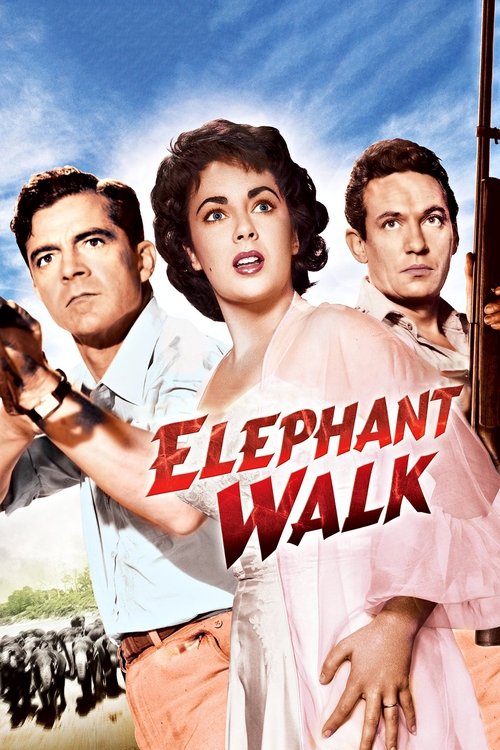
Elephant Walk1954
Features real elephants and location shooting in Ceylon (now Sri Lanka) with a similar sense of wildlife spectacle and exotic adventure. Elizabeth Taylor and Dana Andrews navigate both romance and animal danger.
But The plot is fairly conventional melodrama, and the animal scenes, while impressive, aren't the focus the way they are in Hatari!.
The Ballad of Little Jo1993
A revisionist Western about a woman surviving in the frontier wilderness. It shares Hatari!'s interest in practical survival, competence under pressure, and a woman operating in a male-dominated world, though with completely different sensibility.
But It's deliberately unglamorous and morally ambiguous in ways that 1962 Hollywood couldn't be, which may feel like a completely different movie.

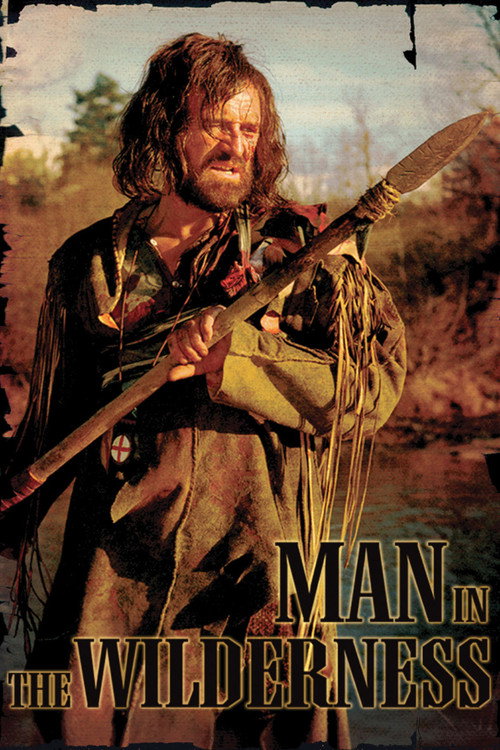
Man in the Wilderness1971
Richard Harris as a frontiersman left for dead in the Rocky Mountains—it's survival and action without fanfare, with the same focus on practical problem-solving that makes Hatari! compelling.
But It's grittier and darker than Hatari!, lacking the humor and camaraderie. The tone is deliberately harsh and isolating.
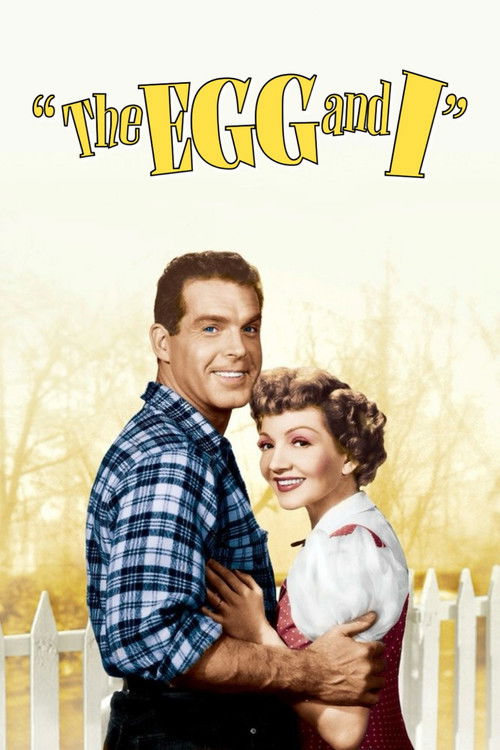
The Egg and I1947
Claudette Colbert as a woman entering an unconventional world of men doing unglamorous work. The dynamic of the outsider learning the ropes echoes Hatari!'s central relationship, and it's unexpectedly charming.
But It's a domestic comedy-drama set on a chicken farm in Washington state, so the stakes and scale are vastly smaller than what Hatari! offers.
The Leopard1963
Both are grand, leisurely films made in color and shot on location, trusting the audience to move at their pace. Both believe that character and landscape matter more than plot efficiency. Both are masterpieces of a cinema that doesn't rush.
Luchino Visconti's Italian masterpiece about an aristocrat watching his world change, shot in sumptuous Technicolor with ballroom elegance. It's also 1960s location filmmaking at its most ambitious, but aimed at mood and history rather than action.
But It's three hours of slow, meditative cinema about decline and nostalgia. If you want Hatari! for the action, this will feel like the opposite of what you're after.

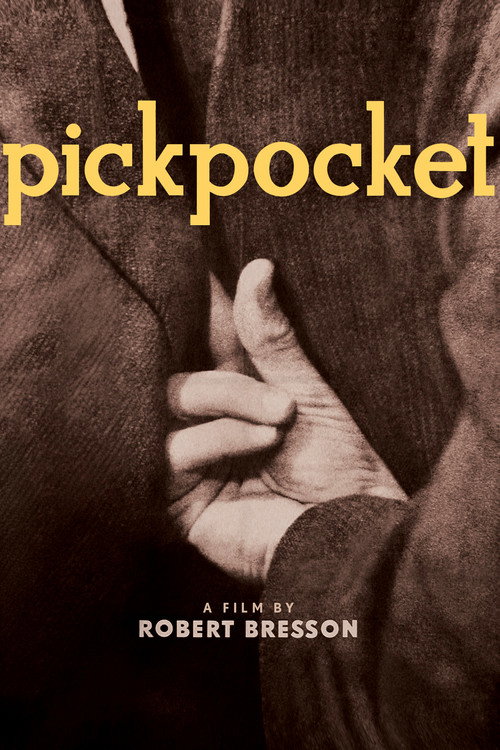
Pickpocket1959
Both films are interested in showing work: how people with skill do difficult things, the codes they follow, the discipline required. Hatari! celebrates it; Pickpocket interrogates it. They're opposite answers to the same question.
Robert Bresson's austere, almost abstract film about a pickpocket in Paris—it's about technique, competence, and the precise execution of difficult work, shot with clinical precision and minimal music. The polar opposite register from Hatari!, but the same fascination with professionals doing what they do.
But It's a French art film in black and white with no plot to speak of and a moral thesis about redemption. It moves at a glacial pace and offers no entertainment or sentiment.
People
Cast
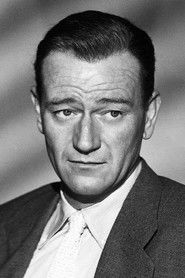 John WayneSean Mercer
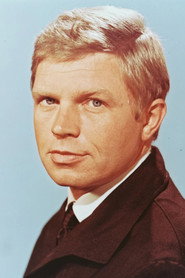 Hardy KrügerKurt Muller
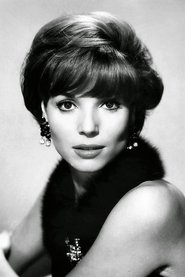 Elsa MartinelliAnna Maria 'Dallas' D'Allesandro
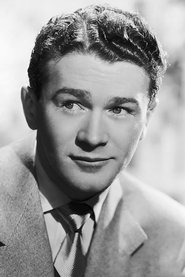 Red ButtonsPockets
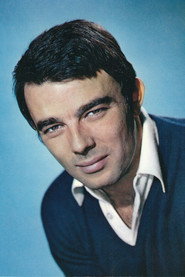 Gérard BlainCharles 'Chips' Maurey
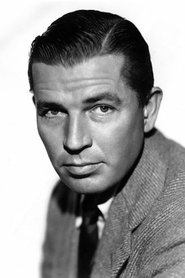 Bruce CabotLittle Wolf (aka "The Indian")
 Michèle GirardonBrandy de la Court
 Valentin de VargasLuis Francisco Garcia Lopez
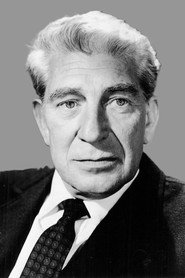 Eduard FranzDoctor Sanderson
- Jon ChevronJoseph (uncredited)
- Sam HarrisMan in Store (uncredited)
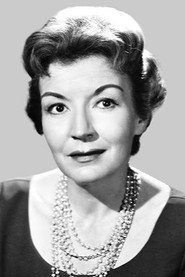 Cathy LewisRadio Operator (voice) (uncredited)
Directing
- Russell SaundersAssistant Director
- Tom Connors Jr.Assistant Director
- William R. PooleAssistant Director
- Howard HawksDirector
- Paul HelmickSecond Unit Director
Writing
- Howard HawksScreenplay
- Leigh BrackettScreenplay
- Harry KurnitzStory
Production
- Howard HawksProducer
- Paul HelmickProducer
Recommended by
Mighty Joe Young, Born Free, Where No Vultures Fly, Mogambo, Clarence, the Cross-Eyed Lion, Shalako, Daktari, The Lion