
Film
Where No Vultures Fly
A 1951 British adventure film about an idealistic game warden in Kenya fighting to establish Africa's first national park. It's earnest and kinetic, shot on location with real animals, driven by conviction rather than spectacle. For anyone drawn to conservation stories, colonial-era cinema, or simply the romance of a man standing against the tide.
Should you watch it?
Watch it if you like unhurried, earnest films about one stubborn person bending the world toward a cause, and you don't mind a little old-fashioned sincerity with your landscape photography.
Skip it if you're hoping for brisk set-piece action, because this one moves at a measured pace and its view of the African characters shows its 1951 age.
What it asks of you: Over a little under two hours, it stays with open country and slow conversation, and its tone is sober rather than light.
Not sure? Find tonight's pick in a minute.
If you liked this
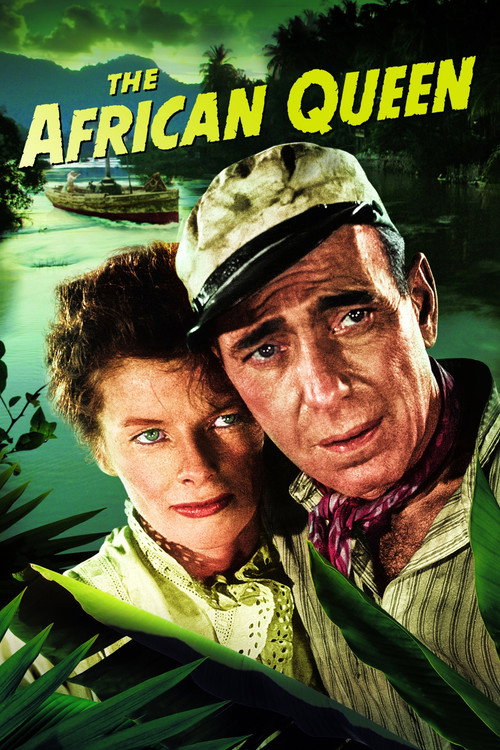
The African Queen1952
Released the same year, it captures the same period romance and colonial setting, but through adventure and danger rather than bureaucratic determination. Bogart and Hepburn at their finest.
But The pacing is deliberate, and if you're after action rather than character, you'll find stretches that feel slow.
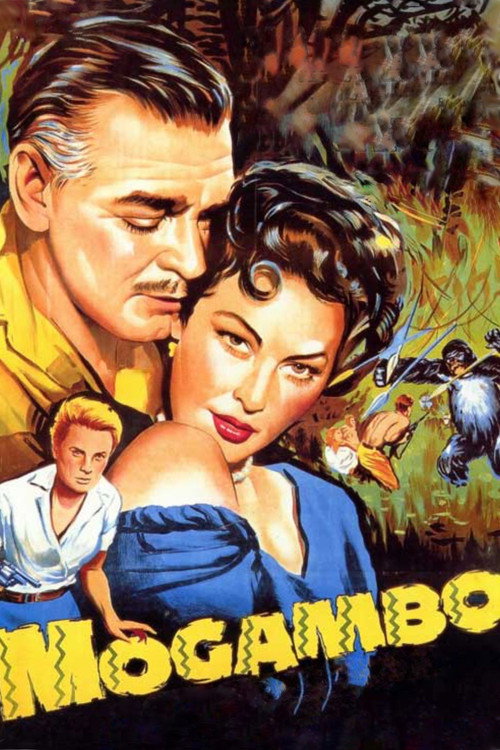
Mogambo1953
Another African adventure with real location shooting, spectacular scenery, and the same blend of wildlife and human drama. Ava Gardner and Clark Gable bring star power to similar terrain.
But It's more romantic melodrama than conservation story, and the colonial attitudes are played straight in ways that feel dated now.
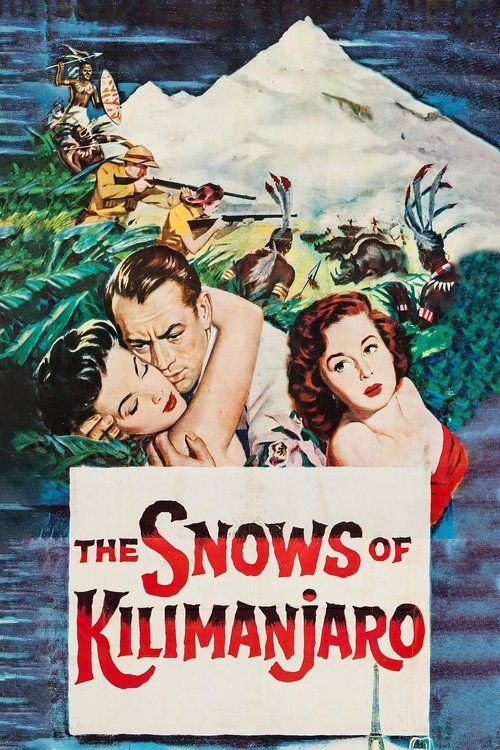
The Snows of Kilimanjaro1952
Hemingway adaptation set in East Africa with Gregory Peck, exploring mortality and regret against stunning landscapes. The same era and region, but meditative rather than mission-driven.
But It's elegiac and introspective; if you want forward momentum, this retreats into memory instead.
Not sure tonight? Get a pick in a minute, starting from Where No Vultures Fly
The wildcard
Something you would not have found on your own.
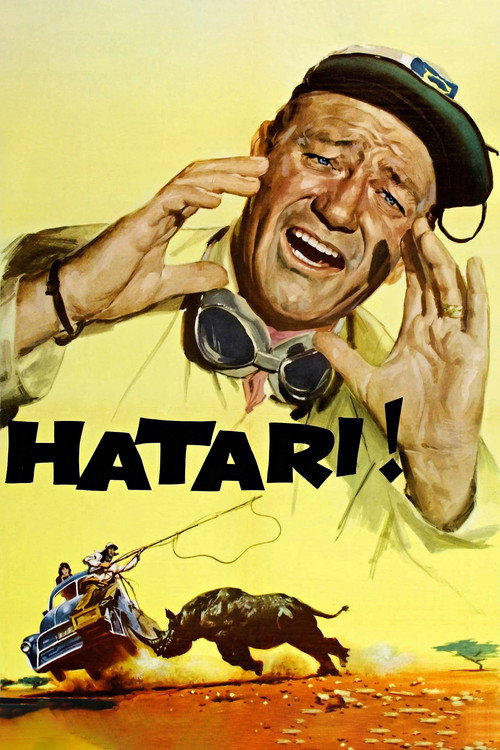
Hatari!1962
Both films use African wildlife and landscape as the true subject, with human ambition serving conservation rather than conquest. But where *Vultures* is earnest institution-building, *Hatari!* is adventure-movie spectacle in service of the same end.
John Wayne and Hardy Krüger capturing wild animals in Tanganyika—ostensibly entertainment, but framed as essential conservation work. It reverses *Vultures*' moral weight: the same goal through spectacle and masculine adventure instead of bureaucratic struggle. Extraordinary location footage.
But It's 3.5 hours and stops repeatedly to admire animals doing animal things; modern pacing feels nonexistent. Wayne's presence may feel too big for the material.
More like this (7)
Elephant Boy1937
A Korda adventure with documentary-level wildlife footage and genuine affection for Indian and African landscapes. Earlier precedent for the location-based spectacle you're watching.
But It's a child's story with period attitudes that grate; the plot is thin even by adventure standards.

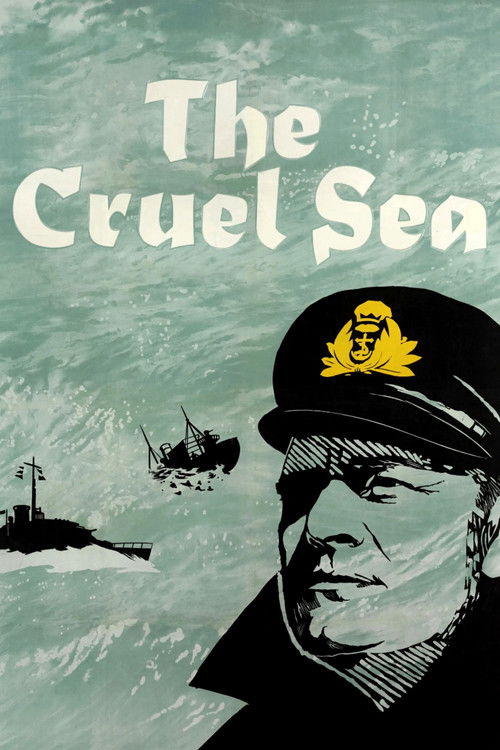
The Cruel Sea1953
Jack Hawkins in a gripping true-story drama about naval command during WWII. Same urgency, same conviction, but British institutional heroism rather than individual conservation crusade.
But It's relentlessly grim and claustrophobic; no landscape grandeur to balance the weight of the story.
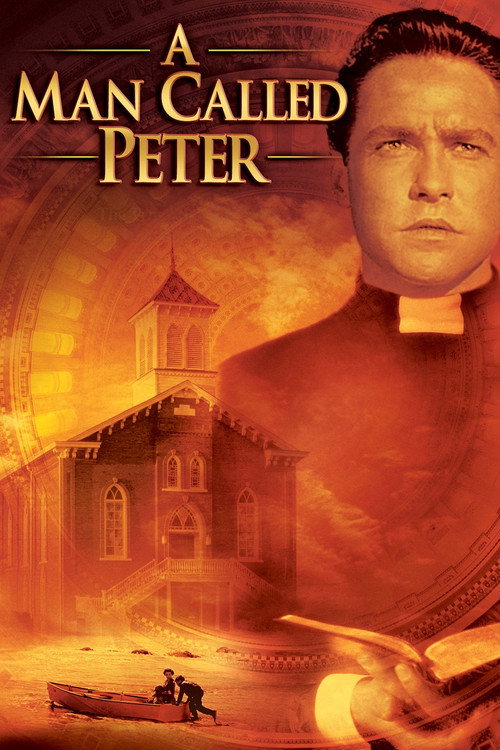
A Man Called Peter1955
Richard Todd as a Scottish minister fighting institutional indifference through moral clarity. The same underdog-against-the-system engine, transplanted to a different cause.
But It's sincere to the point of piety; modern viewers often find that register uncomfortable.
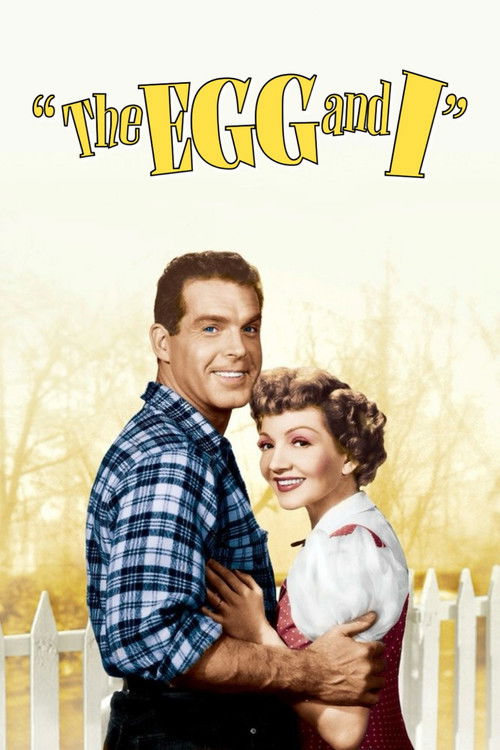
The Egg and I1947
Claudette Colbert and Fred MacMurray in a true-story adaptation about building a chicken farm in Washington state. Similar DNA: a couple against the wilderness, determination over romance.
But It's lighter and more domestic than you might expect; the stakes are genuinely small by comparison.
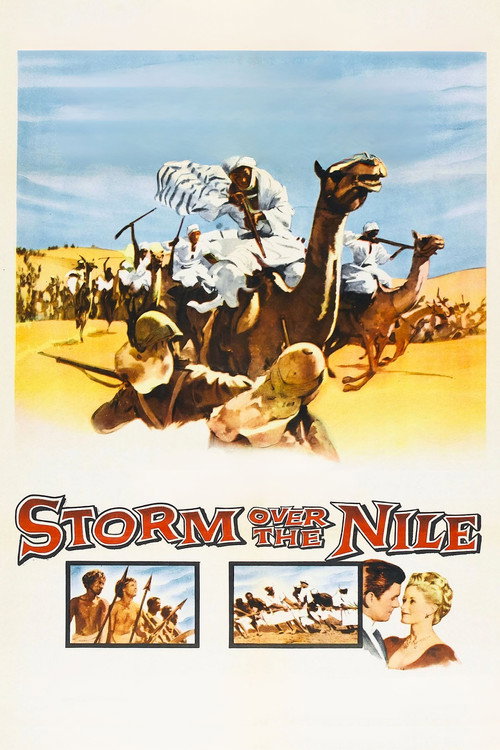
Storm Over the Nile1955
A 1950s action film set in colonial Africa with real locations and period detail. If you're sampling the era's adventure vocabulary, this is solid mid-range work.
But It's formulaic and doesn't believe in anything beyond the next scene; no moral weight behind the spectacle.
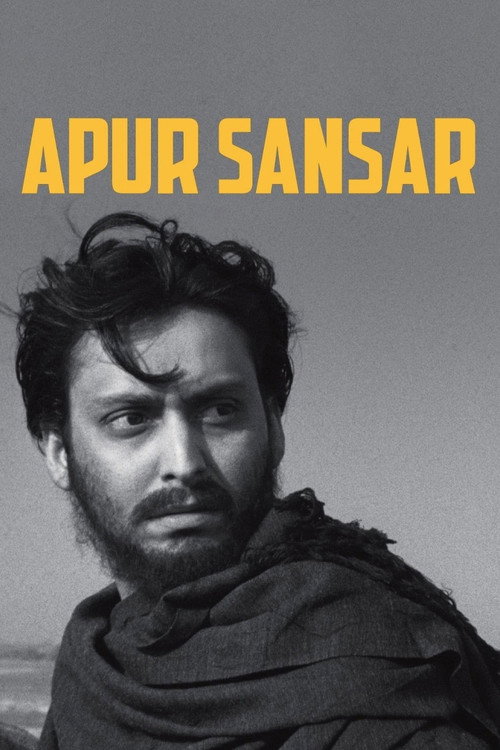
The World of Apu1959
Both films are about a man discovering his true calling and accepting hardship as its price. Both believe that individual moral action matters against systemic indifference. Same spiritual engine, radically different keys.
Satyajit Ray's final chapter in the Apu trilogy: a man confronting mortality, loss, and his purpose in the world. Black and white, intimate, set in rural India. It has nothing to do with conservation, but everything to do with conviction and sacrifice in pursuit of meaning.
But No plot, no spectacle, no animals. If you want external adventure, this is its complete opposite. Bengali cinema with subtitles from 1959.
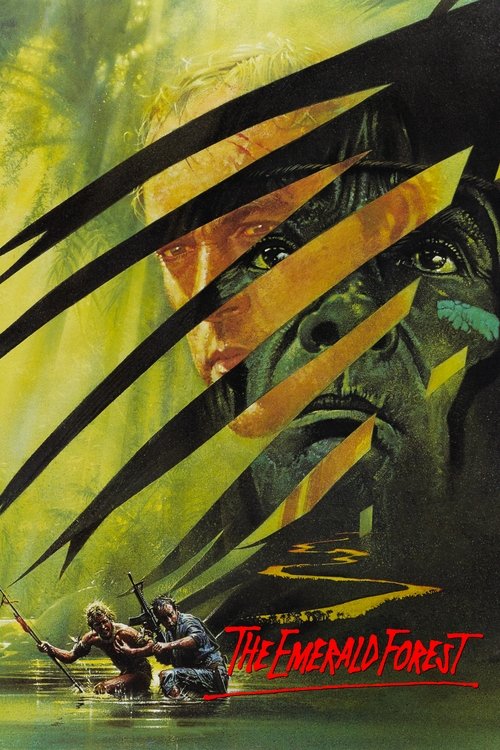
The Emerald Forest1985
Both films pit an idealistic outsider against industrial destruction of the natural world. But where *Vultures* trusts colonial institutions and heroic individuals, *Emerald Forest* suggests that Western solutions are themselves the poison, and indigenous knowledge holds the answer.
John Boorman's fever dream about an engineer searching the Amazon for his captured son, encountering indigenous resistance to deforestation. Hyperreal, visually hallucinogenic, far more critical of Western intervention than *Vultures* could be. Stunning and unsettling.
But It's impenetrable symbolism layered on adventure plotting; the narrative gets lost in the director's vision. Uneven and sometimes unintentionally funny, but never boring.
People
Cast
 Anthony SteelBob Payton
 Dinah SheridanMary Payton
 Harold WarrenderMannering
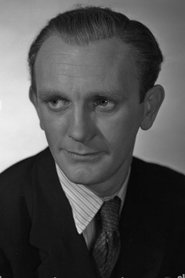 Meredith EdwardsGwyl
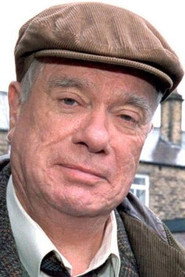 William SimonsTim Payton
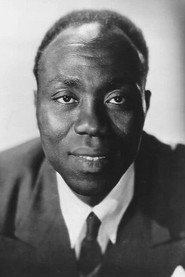 Orlando MartinsM'Kwongwi
- Phillip BirkinshawDistrict Commissioner
Directing
- Harry KratzAssistant Director
- Jean GrahamContinuity
- Harry WattDirector
Writing
- Leslie NormanScreenplay
- Ralph SmartScreenplay
- W.P. LipscombScreenplay
- Harry WattStory
Production
- Leslie NormanAssociate Producer
- Robert KersleyLocation Manager
- Michael BalconProducer
- Edward JosephProduction Manager
- Hal MasonProduction Supervisor