
Film
The World of Apu
- Drama
- Slow-burning
Satyajit Ray's final chapter in Apu's life follows the young man adrift after college, drawn into a hastily arranged marriage that transforms him. It's intimate and generous, watching how adults navigate loss and unexpected responsibility. For anyone who's felt unmoored or wondered how life happens to you rather than how you shape it.
Should you watch it?
Watch it if you find pleasure in quiet character studies where small domestic moments and a young man's unfinished hopes carry the weight, and you don't need plot to keep moving.
Skip it if you need brisk storytelling or a clear arc, since this is unhurried, lightly plotted and asks you to sit with ordinary silences for long stretches.
What it asks of you: Expect a slow, patient film of about an hour and three-quarters, in black and white, where mood and gentle observation do the work rather than incident.
Not sure? Find tonight's pick in a minute.
If you liked this
Pather Panchali1955
Ray's trilogy opener and Apu's childhood. Essential context for everything that follows, but magnificent enough to stand alone—a revelation of how cinema could capture the texture of ordinary life.
But Black and white, subtitled, and deliberately paced. If you need constant plot momentum or prefer recent film technique, the opening hour is very slow.

Ikiru1952
Kurosawa's masterpiece about a dying man finding meaning in work. Shares *World of Apu*'s quiet reckoning with mortality and purpose, and its belief that small acts of care matter immensely.
But Heavier and more austere. Less romance, more dread. You will sit with your own fears about time and legacy.

Tokyo Story1953
Ozu's jewel about aging parents visiting their son in Tokyo. The same faith in small moments, the same way time and circumstance remake who we thought we'd be. Utterly humane.
But Ozu films are famously slow, with long static shots and minimal plot. If you want arc and climax, you'll need patience you might not have.

Not sure tonight? Get a pick in a minute, starting from The World of Apu
The wildcard
Something you would not have found on your own.
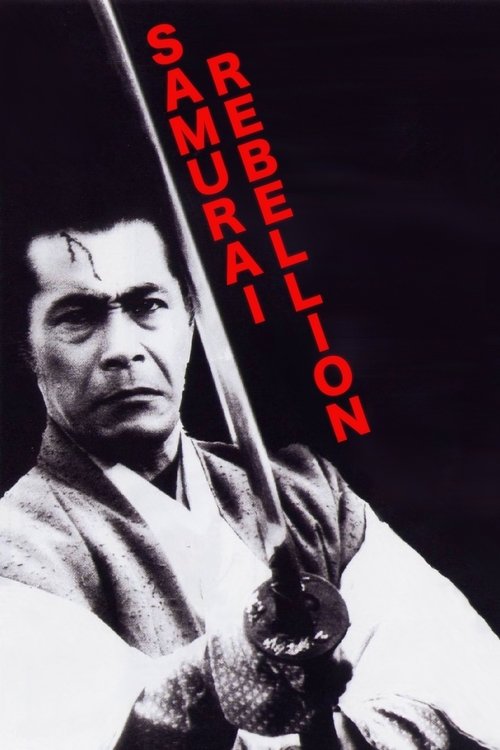
Samurai Rebellion1967
Both films trust that love and honor can bloom within stricture rather than freedom. Both watch careful, decent men navigate worlds not built for their gentleness.
Masaki Kobayashi's samurai film, but its heart is Ray's: a man bound by circumstance to a woman, finding love and dignity within impossible constraints. A completely different genre doing the same emotional work.
But A 1960s samurai film; if you came here for intimate domestic drama, you'll be thrown by swordplay and clan politics, even if the core is tender.
More like this (8)
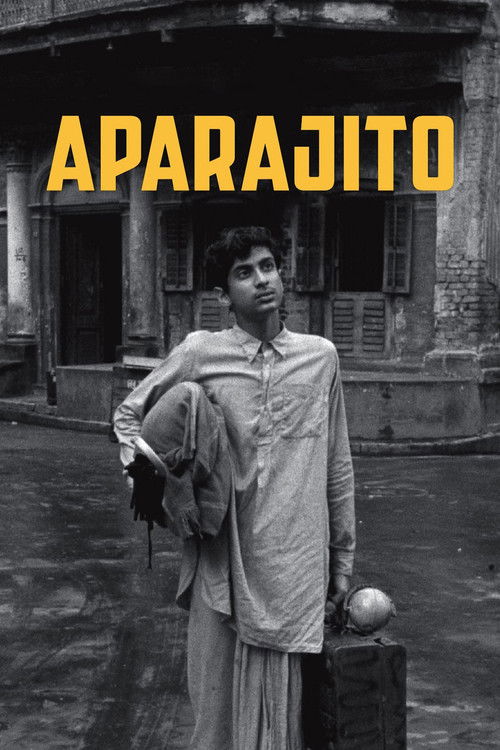
Aparajito1956
Ray's middle film in the trilogy. The bridge between Apu's childhood poverty and his adult struggles—essential viewing if you want the full weight of *World of Apu* to land.
But Another entry in a three-film series. You really should see *Pather Panchali* first, or you'll feel like you're joining a conversation mid-sentence.
The Seventh Seal1957
Bergman's existential knight facing death. Like Ray, he's after the big questions—meaning, faith, mortality—but approaches them with a darker, more metaphysical intensity.
But Deliberately allegorical and heavy. The film is a vision, not a story, and if you need naturalism and grounded emotion, Bergman's abstractions will feel cold.

Brief Encounter1945
Lean and Coward's perfect film about two married people falling in love by accident. The same quiet devastation at how life diverts from expectation, and the restraint of people choosing duty over desire.
But A British romantic drama from 1945. Some will find its emotional control moving; others will find it buttoned-up and frustratingly reserved.

Bicycle Thieves1948
De Sica's neorealist gem about a working man and his son. The same unsentimental eye for ordinary people in circumstance, the same refusal to look away from modest suffering.
But Bleak and plotless by modern standards. It ends without resolution or catharsis, which feels punishing to some viewers.

La Dolce Vita1960
Fellini's sprawling Rome just a year after *World of Apu*, another film about a man drifting through modern life seeking meaning and connection. Gorgeous and anarchic where Ray is austere.
But Three and a half hours, episodic, and absolutely self-indulgent. If you want narrative shape, you'll struggle. It's about sensation and character, not plot.

The Ballad of Little Jo1993
A woman passes as a man in the Old West. Unexpectedly shares *World of Apu*'s quiet acceptance of life's contingencies and the fierce dignity required to build any kind of life at all.
But A lesser-known indie western with a small budget. It's sincere in a way that can feel mannered, and its visual plainness demands engagement you might not want to give.

Chungking Express1994
Both films are about urban solitude and the grace of unexpected connection. Both suggest that meaning comes not from grand events but from the way light falls on someone's face when you're about to lose them.
Wong Kar-wai's fever dream of Hong Kong cops and strangers missing each other by moments. Visually dazzling where Ray is restrained, but identical in feeling: how do we connect when life is fragmentary and time keeps moving?
But A very 90s art film. Deliberately digressive, mannered, nearly plotless. If you're looking for Ray's realism, this will seem precious and style-over-substance.

Stalker1979
Both directors trust silence and stillness. Both believe that watching a person think is enough cinema. Both refuse easy answers about what a life should contain.
Tarkovsky's long, hypnotic film about a guide leading two men through a mysterious zone toward a room that grants wishes. Shares Ray's patient observation and belief that the inner life is the true subject of cinema. Philosophical without being cold.
But Glacially slow—163 minutes of mostly quiet walking and talking. In Russian, subtitled. A film that demands you empty your mind and sit with ambiguity. Many find it gorgeous; many find it unbearable.

People
Cast
 Soumitra ChatterjeeApurba 'Apu' Roy
 Sharmila TagoreAparna Roy
- Alok ChakravartyKajal Roy
- Swapan MukherjeePulu
- Sefalika DeviShashinarayan's Wife
- Dhiresh MajumdarShashinarayan
- Dhiren GhoshLandlord
- Belarani DeviApu's Neighbor
- Shanti BhattacherjeeOffice Associate
Directing
- Amiya SanyalAssistant Director
- Nityananda DattaAssistant Director
- Shailen DuttaAssistant Director
- Tapeshwar PrasadAssistant Director
- Satyajit RayDirector
Writing
- Bibhutibhushan BandyopadhyayNovel
- Satyajit RayScreenplay
Production
- Amiyanath MukherjiCo-Producer
- Satyajit RayProducer
- Anil ChoudhuryProduction Manager
Recommended by
Mother India, Devi, Where No Vultures Fly, The Home and the World, The Householder, Tamasha, K.G.F: Chapter 1, Do Raaste, Izzat, Penrod and Sam, Maa, Jait Re Jait, Swayamvaram, Uphaar, Seema