
Film
Penrod and Sam
- Buddy comedy
- Light-hearted
A 1931 comedy about two mischievous boys navigating friendship, secret clubs, and small-town life in turn-of-the-century America. It's gentle, episodic fun—less concerned with plot than with capturing the texture of childhood adventures, pranks, and the complicated business of growing up among friends. Perfect for anyone nostalgic for simpler storytelling or curious about how Hollywood once filmed boyhood.
If you liked this
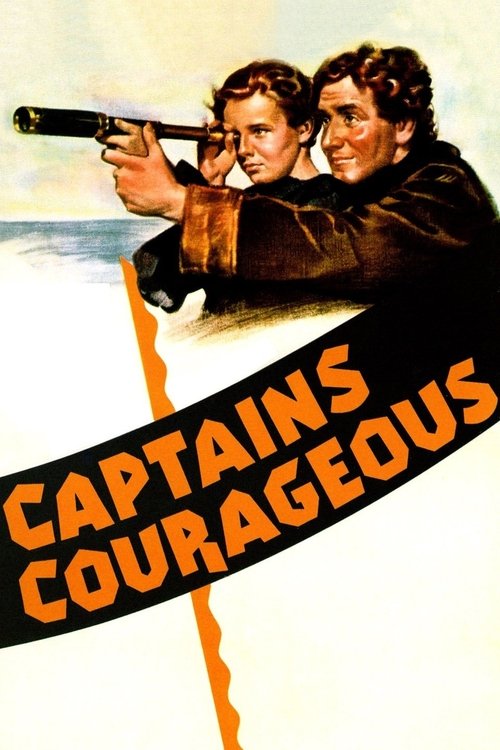
Captains Courageous1937
Spencer Tracy steals a film about a spoiled boy forced to work on a fishing vessel and learning humility. Warm, funny, genuinely moving—proof that Hollywood could make growth feel earned rather than imposed.
But It's a pretty straightforward character-correction story. Some of the sentimentality will feel heavy if you're not in the mood.
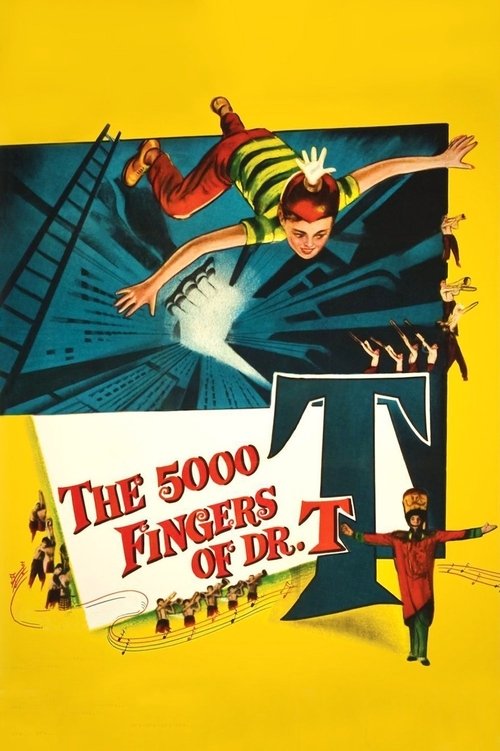
The 5,000 Fingers of Dr. T.1953
A boy's nightmare-fantasy about his piano teacher as an evil genius. Wildly imaginative, genuinely strange, with production design that still astonishes. Dr. Seuss wrote it; you can taste the invention in every frame.
But It's deeply odd in ways that don't always cohere. If you need conventional narrative structure, this will frustrate you.
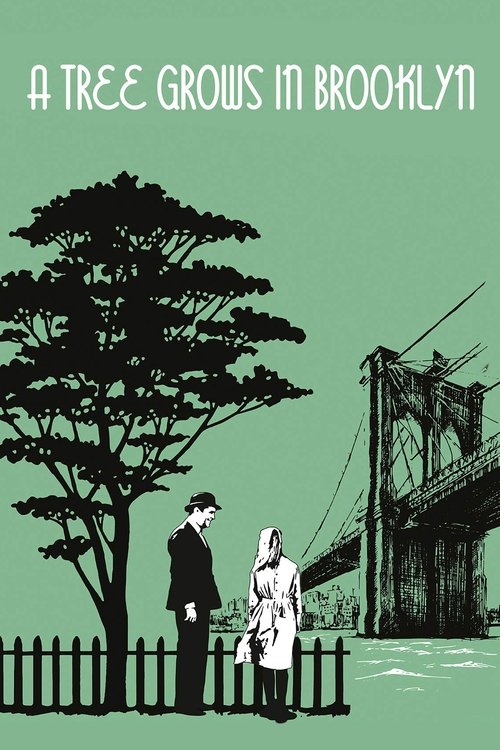
A Tree Grows in Brooklyn1945
A girl's coming-of-age in tenement life, anchored by Peggy Ann Garner's luminous performance. It takes childhood seriously without ever becoming heavy; there's real warmth alongside real hardship.
But The second half softens some of the first act's bite. If you want grit, you might find it veering toward comfort.
Not sure tonight? Get a pick in a minute, starting from Penrod and Sam
The wildcard
Something you would not have found on your own.
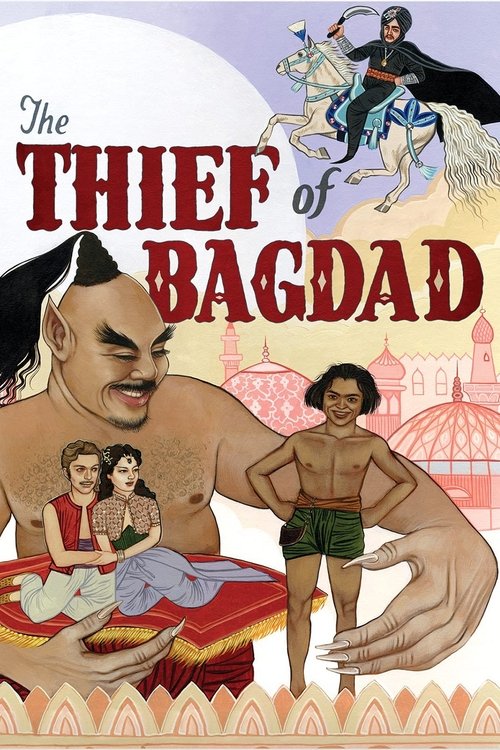
The Thief of Bagdad1940
Both are structured as a series of adventures and misadventures rather than a linear story; both trust that the pleasure is in the moment rather than the destination. Both films believe childhood wonder is worth the screen time.
A boy's fantasy-adventure made in Technicolor so dazzling it still astonishes. It shares *Penrod*'s episodic structure and spirit of play, but exchanges small-town America for a impossible dreamscape of magic and wonder.
But It's ornate and slow. If you need plot momentum, the fairy-tale pacing will feel baroque and digressive.
More like this (6)
National Velvet1945
Elizabeth Taylor in her breakthrough, playing a girl determined to race her horse. Sweeping, romantic, genuinely thrilling—and deeply earnest about a child's capacity for passion and commitment.
But It's long and occasionally melodramatic. Some of the emotional beats land with a thud rather than a whisper.

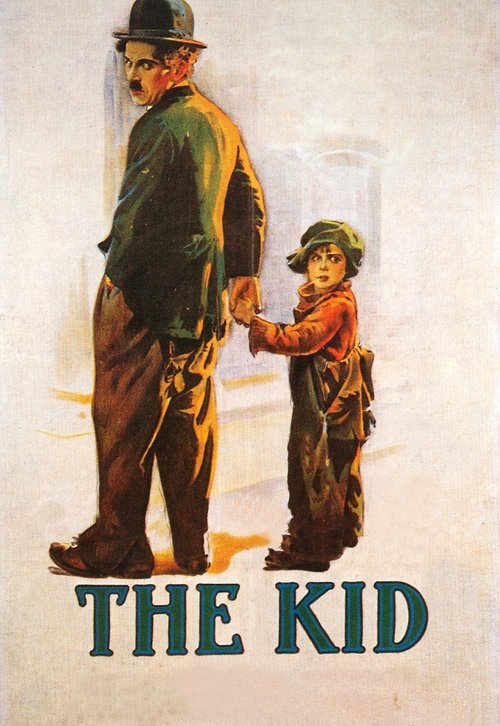
The Kid1921
Chaplin and a child actor in a story about poverty and found family that still breaks hearts. No sentimentality, just genuine feeling—proof that silent cinema could move you without words.
But It's nearly a century old and shows it. If you're impatient with pacing, Chaplin's timing might test you.
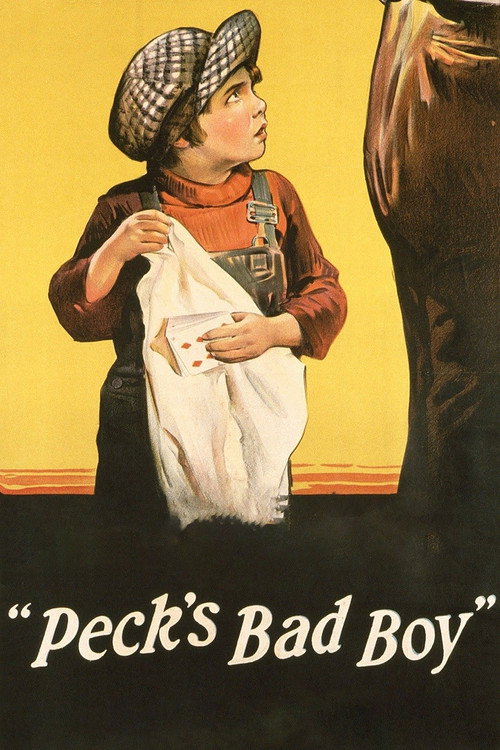
Peck's Bad Boy1921
Jackie Coogan as a mischievous kid running circles around his town. Genuinely anarchic fun, with physical comedy that still lands and a protagonist who's genuinely naughty rather than reformed.
But The plot is tissue-thin. It exists mainly as a frame for gags, which means it can feel repetitive if you're watching for story.
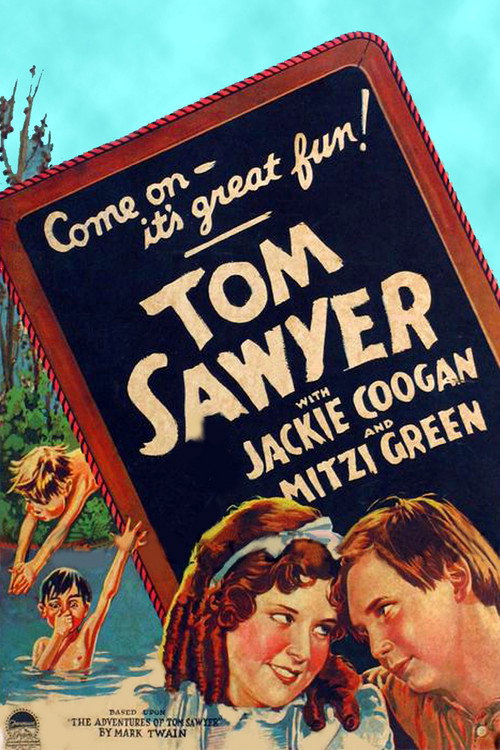
Tom Sawyer1930
Twain's boy-adventurer in an adaptation that captures the book's spirit: curious, mischievous, fundamentally good-hearted. Jackie Coogan again, and the film trusts Twain's episodic structure rather than fighting it.
But It's episodic to a fault. If you need momentum and escalation, you'll find it rambling.
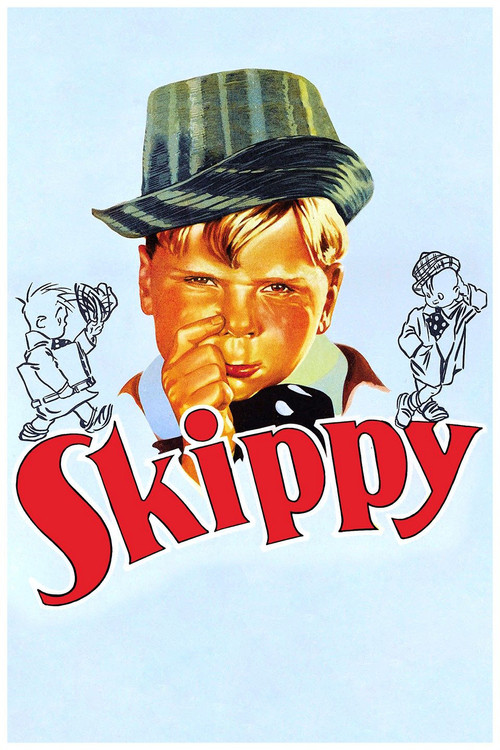
Skippy1931
A contemporary comedy about a boy fighting to save his dog from the pound. Energetic, funny, and surprisingly touching—made in the same year with similar concerns but a slightly different temperament.
But It's lighter and thinner than *Penrod*. If you're looking for character depth, this is primarily a gag-delivery vehicle.
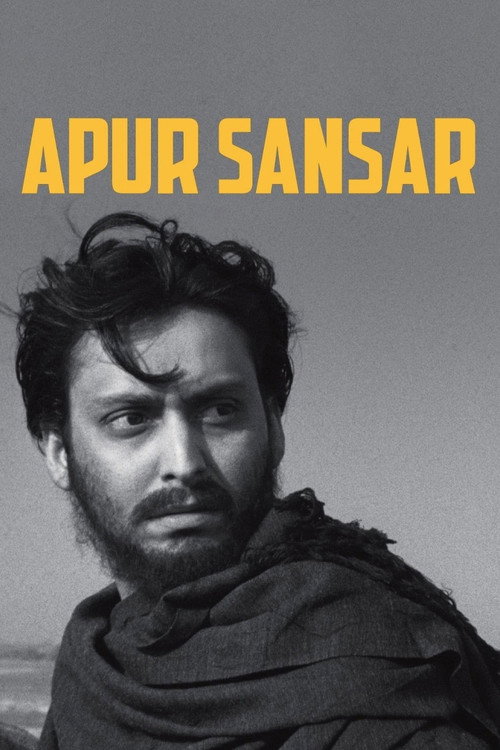
The World of Apu1959
Both treat childhood and its aftermath as worthy of serious cinematic attention. Both use accumulated small moments—conversations, looks, failed plans—to suggest larger truths about the human condition. Both trust that quiet observation is as valid as plot.
Ray's conclusion to his trilogy: a man remembering boyhood, now navigating adulthood's complications. It has *Penrod*'s episodic humility and attention to dailiness, but trades childhood for the real griefs of growing up.
But It's nearly three hours in Bengali with subtitles, and deeply melancholic. If you want lightness, this is the opposite: a meditation on time, loss, and the distance between who we were and who we've become.
People
Cast
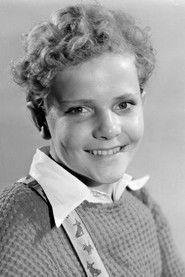 Leon JanneyPenrod Schofield
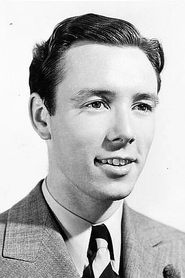 Frank Coghlan Jr.Sam Williams
- Margaret MarquisMarjorie Jones
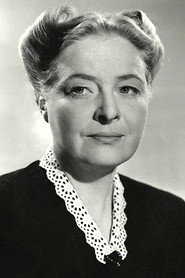 Dorothy PetersonMary Schofield
- Billy LordGeorgie Hemingway Bassett
- Michael StuartRodney Bitts
- Jimmy RobinsonHerman Washington
- Robert DandridgeVerman Washington
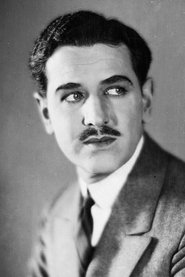 Matt MooreHenry Schofield
- Dorothy PetersonMrs. Schofield
- Helen BeaudineMargaret Shofield
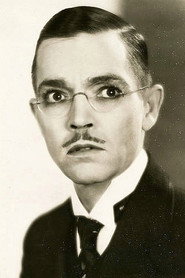 Johnny ArthurMr. Bassett
Directing
- William BeaudineDirector
Writing
- Booth TarkingtonNovel
- Waldemar YoungScreenplay
- Booth TarkingtonStory