
Film
Tom Sawyer
This 1930 adaptation of Mark Twain's classic captures the Mississippi River boyhood with genuine mischief and heart. Jackie Coogan embodies Tom's scheming charm, and the film balances comedy with real peril—a murder mystery anchors the adventure. It's a period piece that still moves, for anyone curious how Hollywood first translated a beloved novel to screen.
Should you watch it?
Watch it if you love episodic boyhood mischief told with a light touch, where a stolen afternoon matters more than plot, and you don't mind creaky early-sound filmmaking.
Skip it if you want the sleek pacing and polish of modern family films; this is stagey and talky in places, and its stage-bound camera and clipped early-sound acting can feel dated.
What it asks of you: Loose and episodic, it moves at a sound-era pace across 86 minutes with little urgency; let the mood carry you more than the plot.
Not sure? Find tonight's pick in a minute.
If you liked this
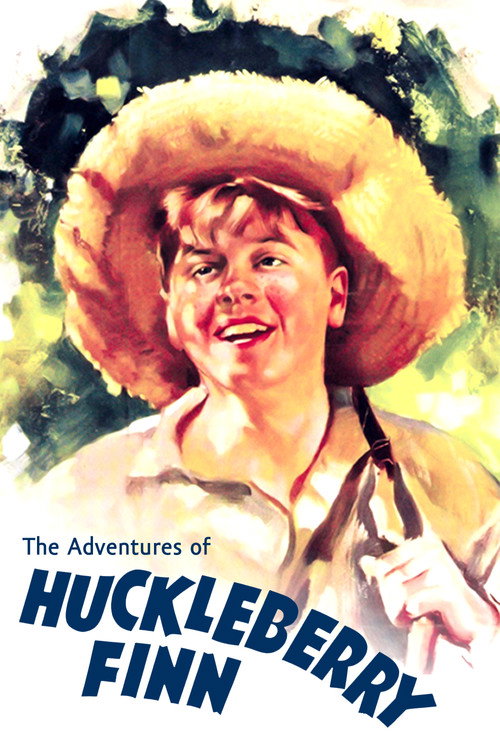
The Adventures of Huckleberry Finn1939
Another MGM Twain adaptation with a stronger ensemble cast and more confident direction. Mickey Rooney steals scenes, and the Mississippi setting feels lived-in. A natural next step if you loved this Tom Sawyer.
But The racial attitudes of the era are baked in, even as the story itself explores them. It's harder to ignore here than in the novel.
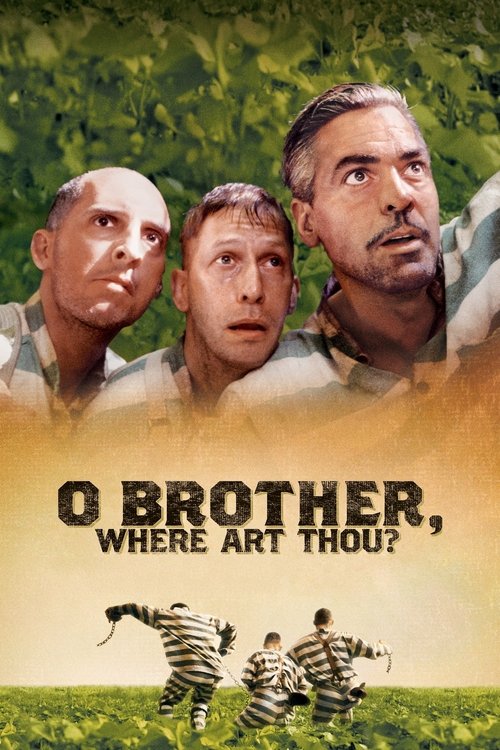
O Brother, Where Art Thou?2000
The Coen Brothers capture that same picaresque American spirit—roguish heroes, roadside mishaps, deep period flavor, and a Depression-era Mississippi. It's Twain filtered through folklore and blues, with no sentimentality.
But The tone is anarchic and the plot deliberately meandering. If you want a clean three-act story, this isn't it.
The Night of the Hunter1955
Charles Laughton's only film as director is a masterpiece about children in danger from an adult predator. It has Tom Sawyer's atmospheric Southern dread underneath—the real stakes of that murder plot, treated with nightmare seriousness.
But It's a psychological thriller, not an adventure. Genuinely frightening in ways the 1930 film only hints at.

Not sure tonight? Get a pick in a minute, starting from Tom Sawyer
The wildcard
Something you would not have found on your own.
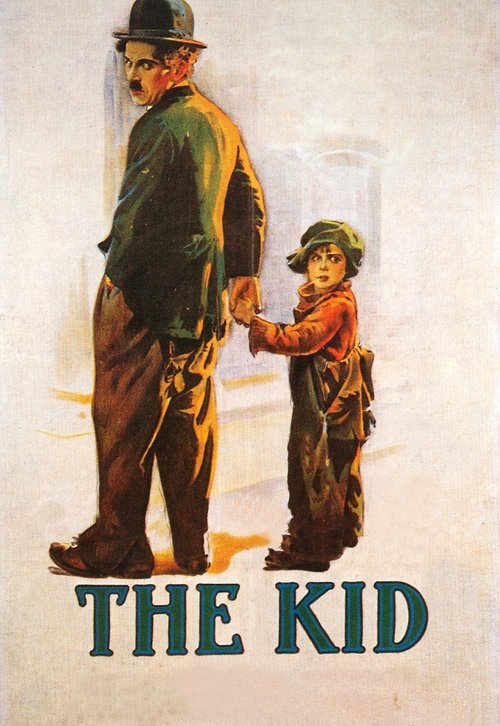
The Kid1921
Both films understand childhood as a condition with real stakes, not mere innocence. Each uses a young protagonist to explore survival, loyalty, and what it costs to grow up.
Chaplin's masterpiece is a boy's coming-of-age through hardship and loyalty, not play. Same themes as Tom Sawyer—innocence, imagination, survival—but filtered through pathos and silent cinema's visual poetry. A radical recontextualization of childhood.
But Silent film demands patience. The sentimentality is thick, and the social critique underneath doesn't soften the grief.
More like this (7)
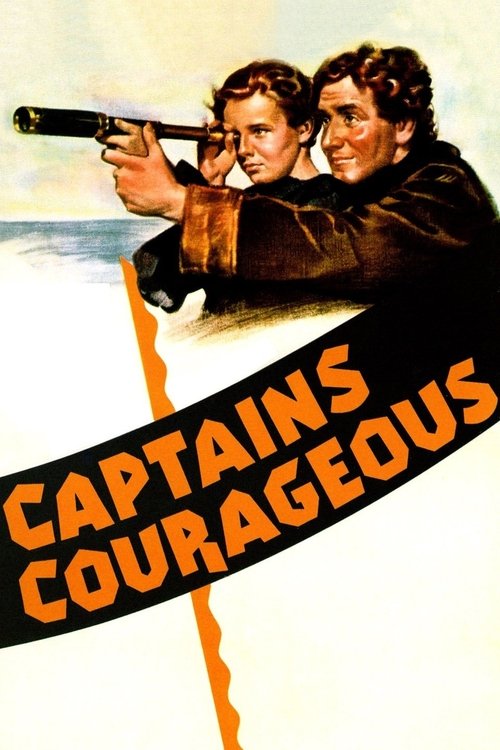
Captains Courageous1937
MGM's other Twain-adjacent boys-at-large story, with Spencer Tracy. A spoiled kid learns character through adversity at sea. It has that same earnest belief in boyish honor and redemption through adventure.
But More sentimental than Tom Sawyer, and the pacing drags in places. Tracy's accent is also… a choice.
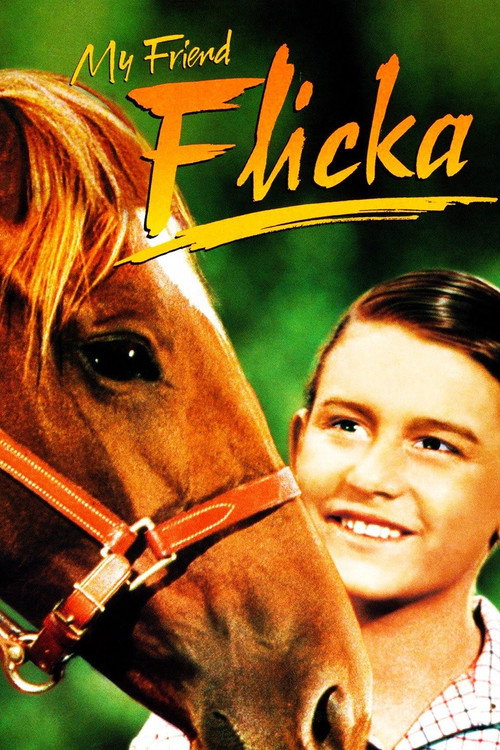
My Friend Flicka1943
A boy-and-horse coming-of-age story with the same period charm and frontier Americana. Warmer and more melancholic than Tom Sawyer, but equally concerned with a young person proving themselves.
But If you need plot momentum, this meanders. It's essentially a series of pastoral tableaux with a child learning patience.
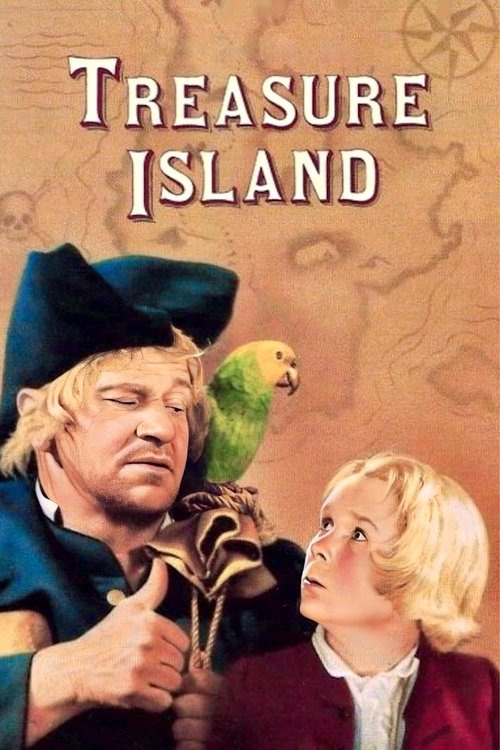
Treasure Island1934
Jackie Cooper (similar age to Coogan in Tom Sawyer) in a MGM adventure with real swashbuckling. The pirate fantasy that Tom and Huck actually play out. Direct, colorful, and genuinely exciting.
But Straightforward adventure serial. No depth beyond the surface, and the child actors occasionally strain the emotional scenes.
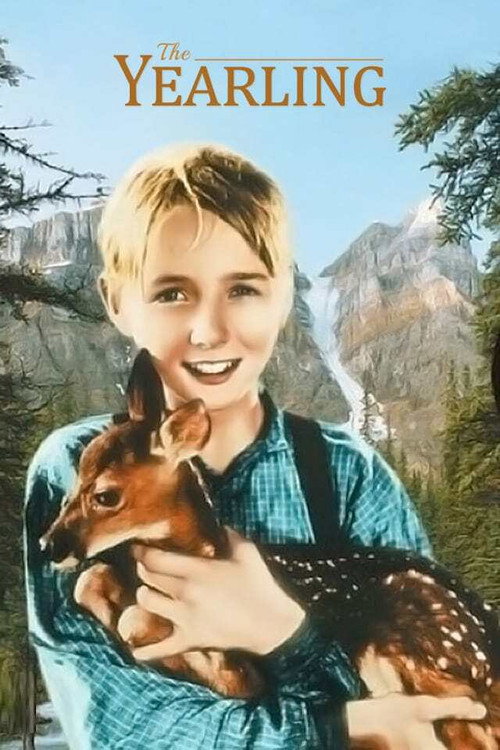
The Yearling1946
A boy's relationship with a wild creature in frontier Florida. Authentic period detail, real emotional weight about loss and maturity. Less mischievous than Tom Sawyer but equally concerned with boyhood's end.
But Slow and melancholic. The climax is genuinely heartbreaking rather than triumphant. Not a comfort watch.
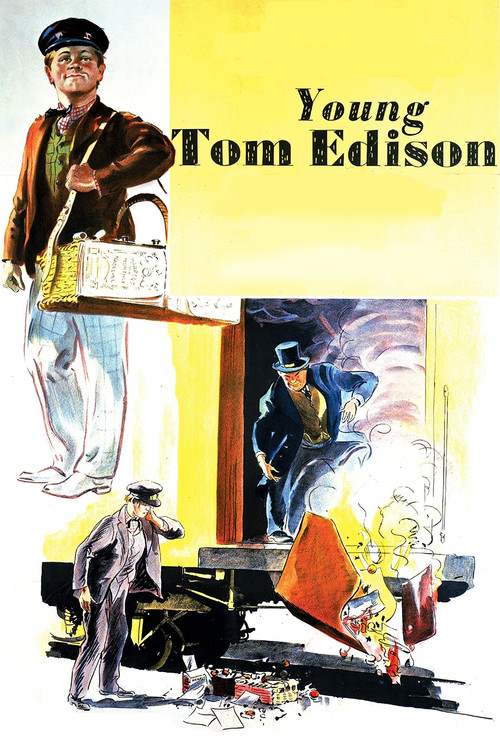
Young Tom Edison1940
Spencer Tracy as older Edison, reflecting on his inventive boyhood. Educational adventure biopic with period detail and genuine curiosity. If you liked the Tom Sawyer earnestness, this directs it toward something real.
But More hagiography than story. The boy Edison is less interesting than the myth, and the film knows it.
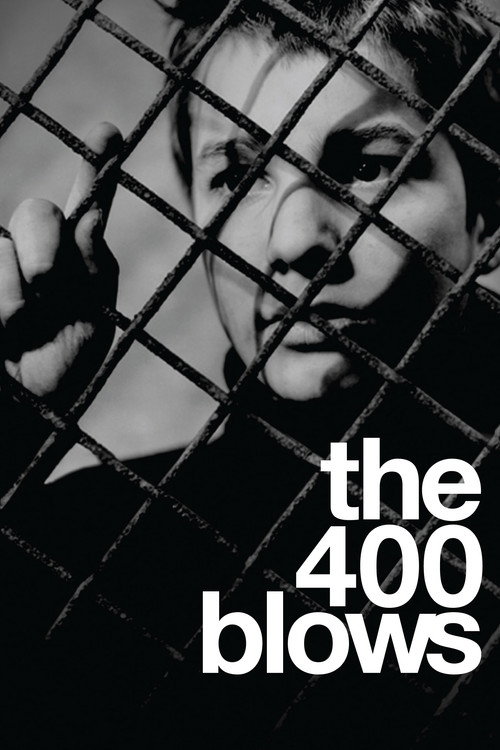
The 400 Blows1959
Both center a boy's impulse to escape and his complex relationship with adult authority. Where Tom Sawyer romanticizes the escape, this film asks what drives it and what happens after.
Truffaut's portrait of a boy in 1950s Paris who runs away, lies compulsively, and finds momentary freedom on the streets. It's Tom Sawyer stripped of nostalgia and sentimentality—the same restlessness and truancy, now shown as existential necessity rather than charming mischief.
But Bleak and unsentimental. The ending is ambiguous and troubling. No redemption arc, no funeral scene to make it all okay.
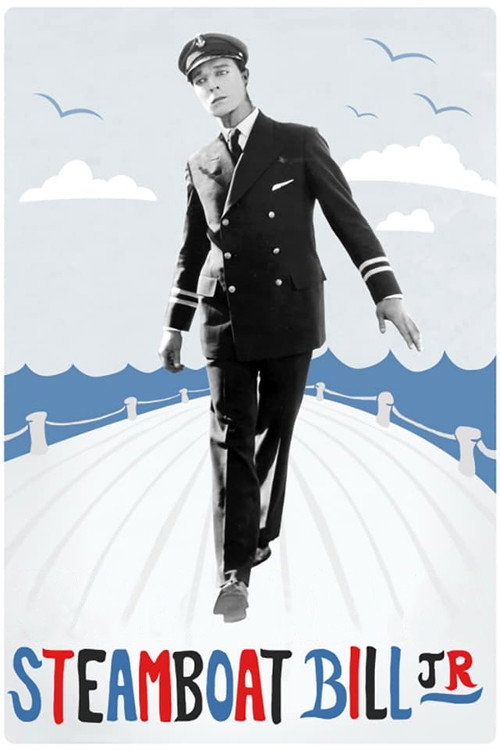
Steamboat Bill, Jr.1928
Both place childhood adventure in a specifically American landscape—the Mississippi, riverboats, the frontier fantasy. This film makes that setting itself the subject, not merely the backdrop.
Buster Keaton in a comedy set on the Mississippi River itself. Silent slapstick with real stunts, genuine danger, and a son trying to prove himself to his father. The adventure and physical comedy Tom Sawyer depicts, but executed with balletic precision and real peril.
But Silent film again, and the plot is minimal. Keaton's deadpan manner is the opposite of Coogan's earnest mugging. Comedy this physical feels distant now.
People
Cast
 Jackie CooganTom Sawyer
 Junior DurkinHuckleberry Finn
 Mitzi GreenBecky Thatcher
 Lucien LittlefieldSchoolteacher
 Tully MarshallMuff Potter
 Clara BlandickAunt Polly
 Mary Jane IrvingMary
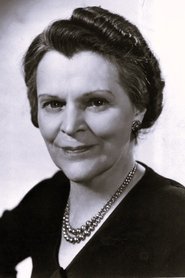 Ethel WalesMrs. Harper
 Dick WinslowJoe Harper
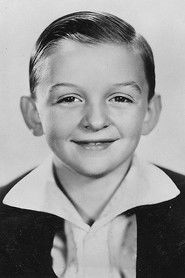 Jackie SearlSid
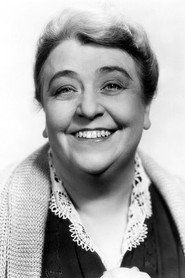 Jane DarwellWidow Douglas
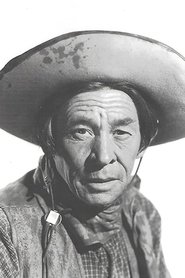 Charles StevensInjun Joe
Directing
- John CromwellDirector
Writing
- Mark TwainNovel
- Grover JonesWriter
- Sam MintzWriter
- William Slavens McNuttWriter
Production
- Louis D. LightonProducer