
Film
The Adventures of Huckleberry Finn
Other titles called The Adventures of Huckleberry Finn: the 1960 film.
Mickey Rooney stars in this 1939 adventure as the irrepressible Huck, escaping civilization for freedom on the Mississippi with Jim, an enslaved man seeking his own liberation. It's a rousing, romantic vision of American boyhood and the river itself—gorgeously shot, earnestly acted, and shaped by the era's blind spots. A classic that rewards watching with eyes open.
Should you watch it?
Watch it if you love the loose, sun-warmed rhythm of a river story where the journey matters more than the plot, and you have a soft spot for old studio films with big colour and bigger personalities.
Skip it if you want Twain's sharp satire or a modern, morally complicated take; this 1939 version smooths the edges and leans into broad comedy and sentiment, which can feel thin.
What it asks of you: About ninety minutes of easy, episodic drifting with a light, mostly cheerful tone, asking you to go along with the raft's pace rather than chase a tight throughline.
Not sure? Find tonight's pick in a minute.
If you liked this
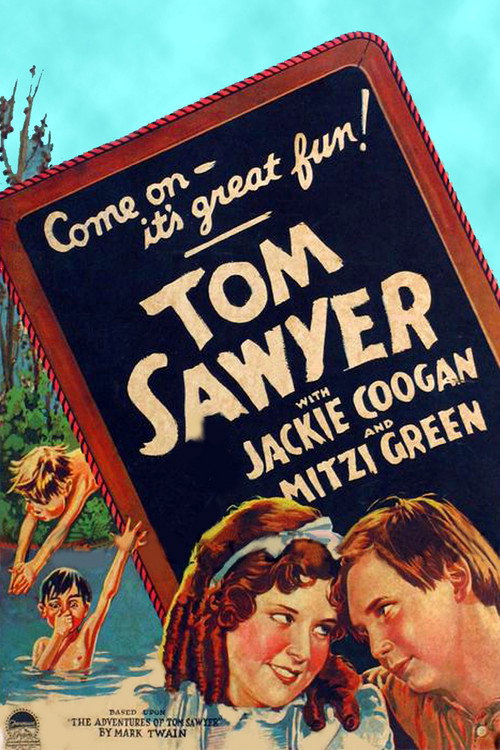
Tom Sawyer1930
The spiritual prequel with the same Twain DNA and Mickey Rooney in peak form. It has the same infectious energy and boyish mischief, with great supporting turns and a river that feels like a real character.
But It's a gentler, more plotless ramble than you might expect—less a story with stakes and more a series of adventures strung together.
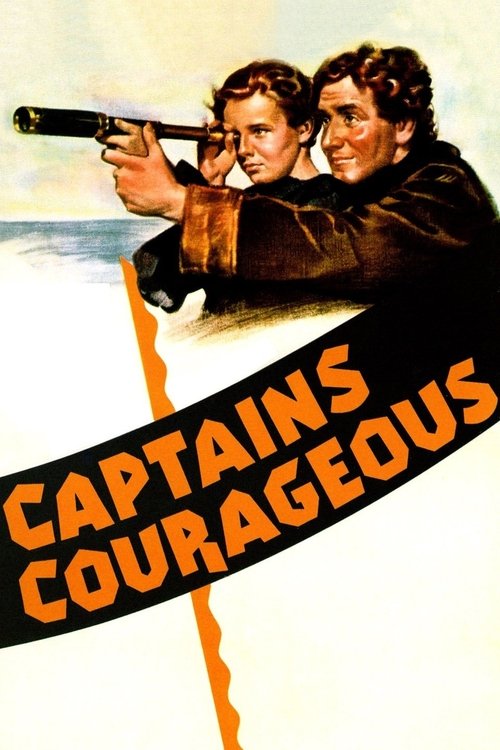
Captains Courageous1937
Spencer Tracy and Freddie Bartholomew in another Kipling adaptation about a spoiled boy learning manhood through hardship. It has the same moral clarity and the same joy in male companionship across class lines.
But The ending tilts toward sentiment in a way that feels dated, and Tracy's accent is doing a lot of heavy lifting that doesn't always land.
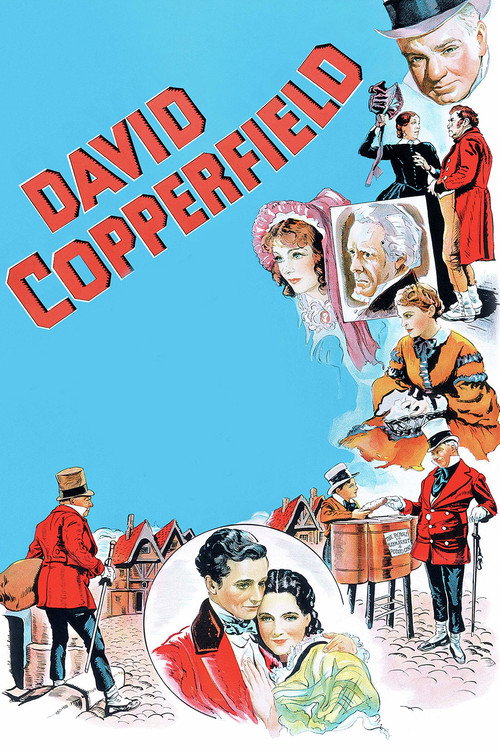
David Copperfield1935
Dickens by way of Hollywood, with Freddie Bartholomew as a boy escaping a cruel world. It has the same appetite for adventure, kindness, and the transformative power of a good companion.
But At two hours it sprawls, and the studio system's gentling of Dickens softens the edges you might want left sharp.
Not sure tonight? Get a pick in a minute, starting from The Adventures of Huckleberry Finn
The wildcard
Something you would not have found on your own.
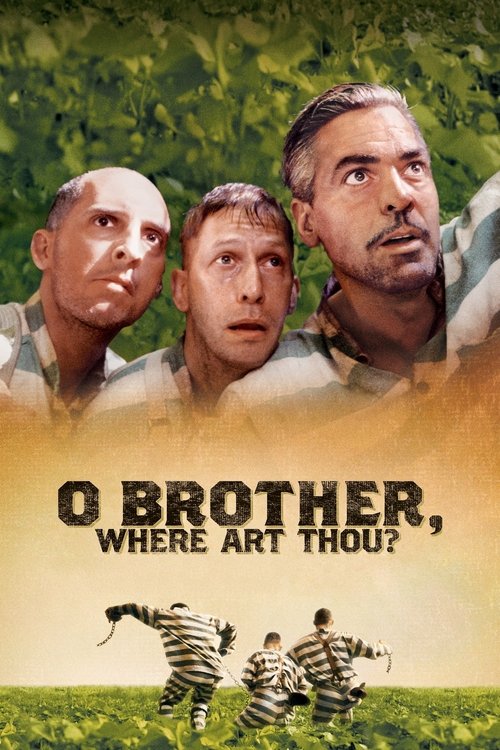
O Brother, Where Art Thou?2000
Both are built on the picaresque journey down through America's conscience, using the road or river as confession. Both trust formal beauty to carry moral weight.
The Coen Brothers ransacking Homer and American folk tradition to make a Depression-era picaresque about three convicts loose on the road. It has the same structure as Huck—men adrift, survival, small cons, the river as destiny—but filters it through bluegrass, myth, and formal invention.
But It's aggressively stylized and sometimes difficult. The pleasure is in surfaces and language, not plot. If you want straightforward narrative, this will frustrate you.
More like this (7)
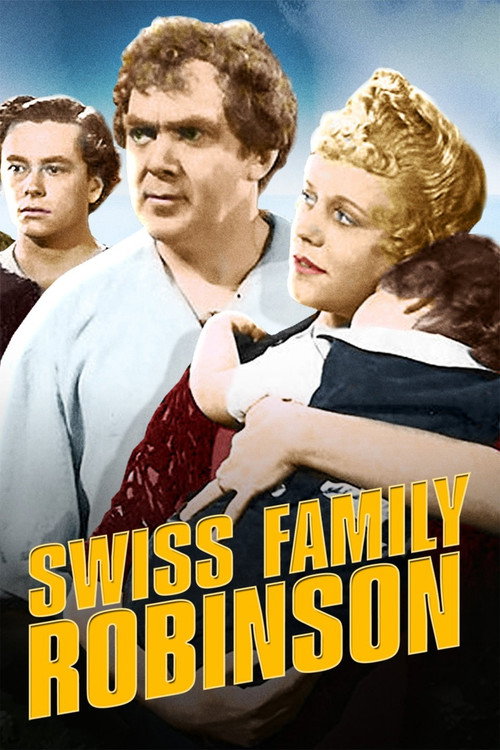
Swiss Family Robinson1940
A family adrift finds freedom and purpose building a new world. It shares Huck's romantic belief that you can escape society's rules and build something better, with gorgeous production design.
But It's more wholesome and less interested in the actual texture of survival—this is fantasy adventure rather than anything gritty.
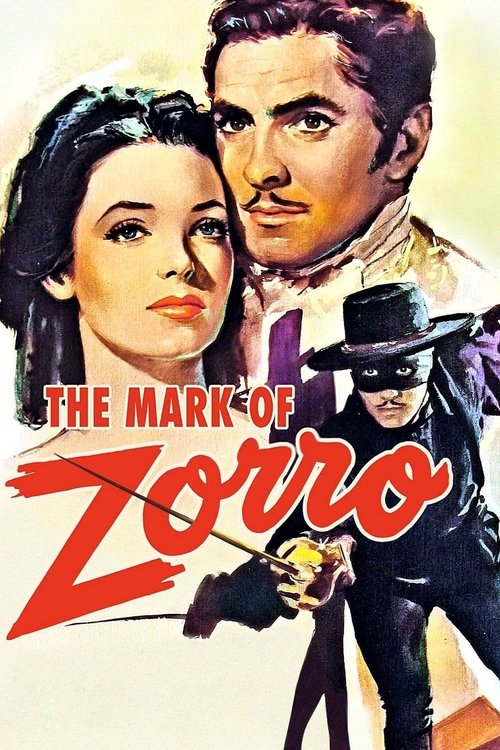
The Mark of Zorro1940
Tyrone Power as a masked hero fighting injustice. It has the same swashbuckling spirit and the same argument about freedom versus civilization, though from the other side.
But It's much more formally plotted and less interested in character than in action and heroics. The tone is different entirely.
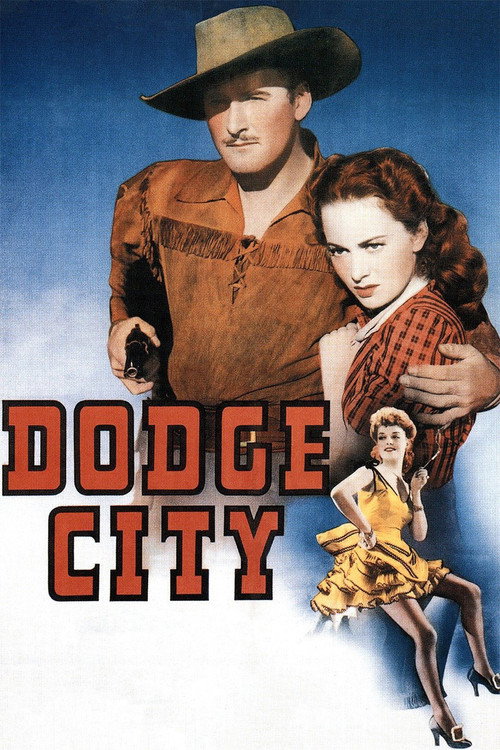
Dodge City1939
Errol Flynn bringing order to a lawless frontier. It's a Western telling a similar story about taming the wild and the cost of civilization, made the same year with real Technicolor sweep.
But The politics are confused, the Native Americans are backdrop, and it's most interested in spectacle over character or real moral weight.
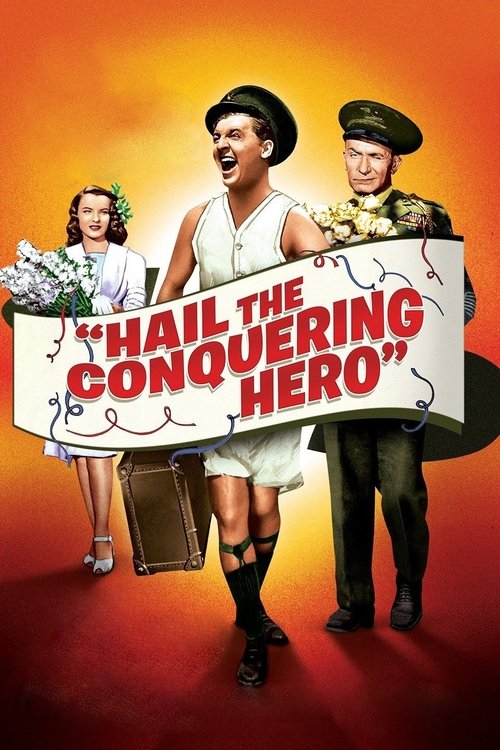
Hail the Conquering Hero1944
Preston Sturges on a small-town boy trying to escape and reinvent himself. It shares Huck's DNA but inverts it—a man running toward home rather than away from it, finding that identity is more complex.
But It's a screwball comedy first and foremost, so the tone is completely different. Some will find it too clever by half.
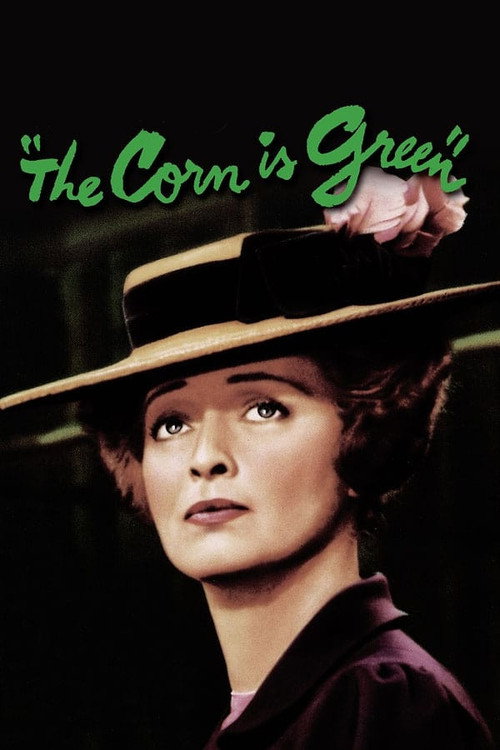
The Corn Is Green1945
Bette Davis as a teacher liberating a Welsh mining boy through education. It has the same faith in escape through kindness and the same belief that a good adult can save a young life.
But It's didactic and leans on Davis's will to carry it. The boy's arc matters less than the woman's, which inverts what you might want from the story.
Pot o' Gold1941
Both center an enslaved or oppressed man's longing for freedom and dignity, and both believe that friendship and escape are radical acts. Jim gives tragic weight to what Huck treats as adventure.
A Soviet film about a Black American boxer and his impossible dream in a racist America. It treats its subject with complete dignity and sees in that struggle the same hunger for freedom and self-determination that drives Huck's river journey.
But It's in Russian, it's doctrinaire in its politics, and it's not always easy to find. The Soviet frame means the idealism lands differently than it would in a Western film.
Kes1970
Both see boyhood as a struggle between civilization's demands and the wild self. But where Huck's river is an escape, Kes's hawk is a temporary grace. Huck believes in freedom; Kes knows that freedom is fragile.
A working-class Yorkshire boy trains a hawk and finds beauty and agency in a brutal world. It's unsparing about class and cruelty, but fiercely tender about a boy's need to matter. Shot in documentary style, intimate and real.
But It's bleak in ways that will break your heart. There's no happy ending, and the cruelty is ordinary and systemic rather than individual villainy. You will leave sad.

People
Cast
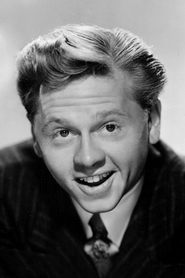 Mickey RooneyHuckleberry Finn
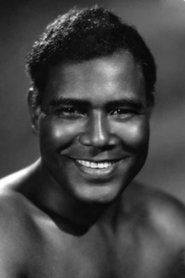 Rex IngramJim
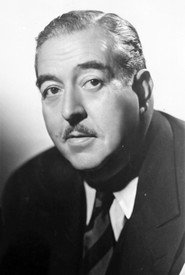 Walter ConnollyThe 'King'
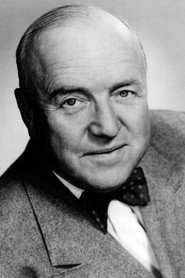 William FrawleyThe 'Duke'
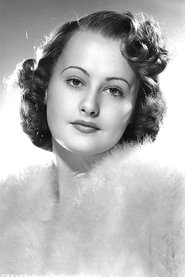 Lynne CarverMary Jane
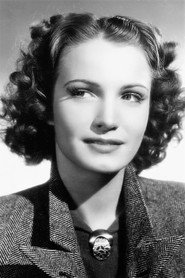 Jo Ann SayersSusan
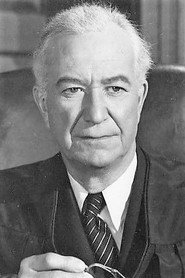 Minor WatsonCapt. Brandy
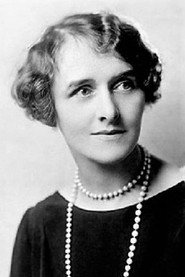 Elisabeth RisdonWidow Douglass
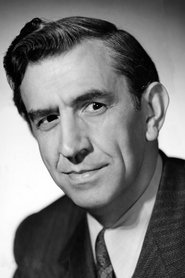 Victor Kilian'Pap' Finn
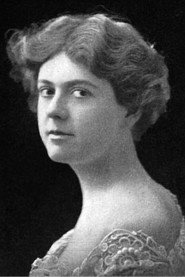 Clara BlandickMiss Watson
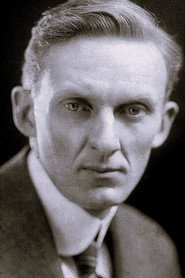 Erville AldersonSheriff at Jail (uncredited)
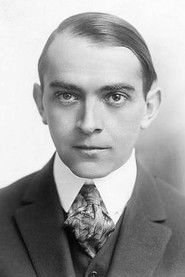 Arthur AylesworthRiver Queen Pilot (uncredited)
Directing
- Richard ThorpeDirector
Writing
- Waldo SaltDialogue
- Mark TwainNovel
- Hugo ButlerWriter
Production
- Joseph L. MankiewiczProducer
Recommended by
The Apple Dumpling Gang, The Iron Mask, Gentle Giant, Tom Sawyer, Skippy, Blackbeard, the Pirate, The Adventures of Tom Sawyer, Penrod