
Film
The Adventures of Huckleberry Finn
Other titles called The Adventures of Huckleberry Finn: the 1939 film.
A 1960 family adventure following a resourceful boy and an escaped slave drifting down the Mississippi River. It's a picaresque romp through antebellum America, buoyed by genuine warmth and colorful rogues. Episodic, playful, aimed at kids but with enough cunning for adults.
If you liked this
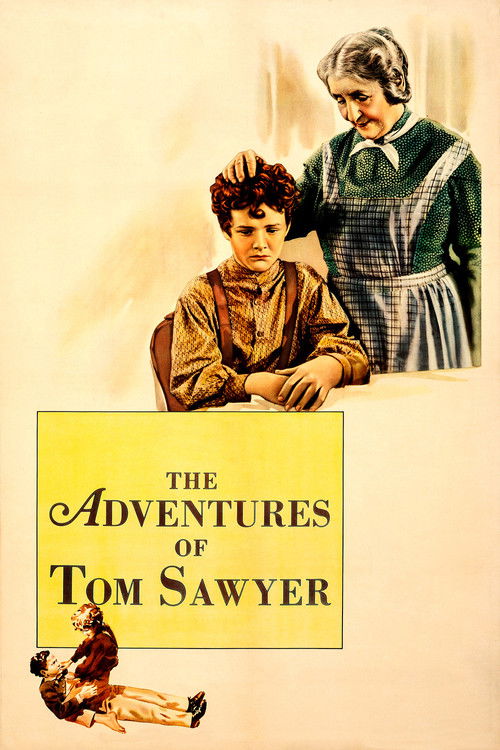
The Adventures of Tom Sawyer1938
David O. Selznick's take on Twain's original is gorgeously mounted and captures the same mischievous energy. Satisfying precursor if you want to understand Huck's world before he fled it.
But The 1938 studio system shows—it's more decorative than gritty, and the sentimentality can feel thick.
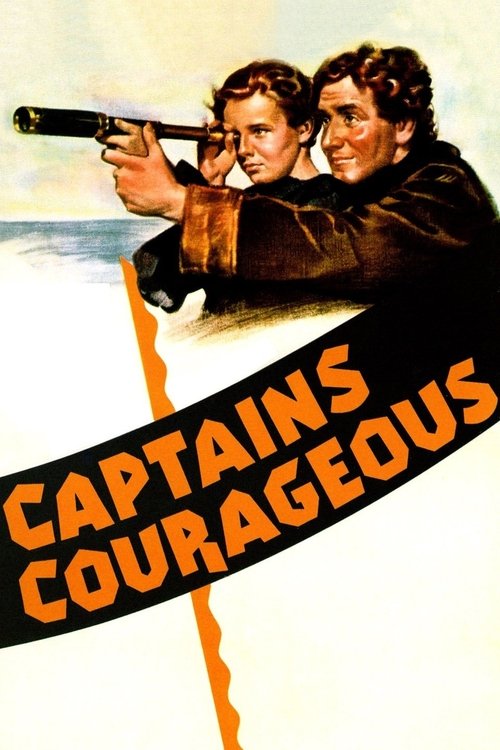
Captains Courageous1937
Another Twain-inflected river odyssey: a spoiled boy shaped by hardship and honest work among good men. Similar episodic structure, genuine growth, Spencer Tracy at his warmest.
But Less manic than Huck Finn; slower paced, more meditative. If you want constant momentum, this won't deliver it.
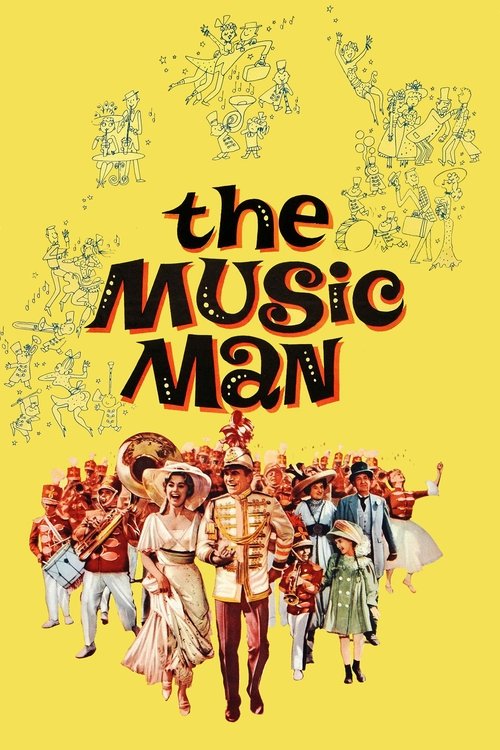
The Music Man1962
Post-Civil War Americana, con artists, river towns, and a sweeping narrative of small-town life. That same nostalgic Americana energy, just with music and romance instead of survival.
But It's a musical—if you're allergic to spontaneous song, the charm dissolves. Also glossier than a grimy river adventure.
Not sure tonight? Get a pick in a minute, starting from The Adventures of Huckleberry Finn
The wildcard
Something you would not have found on your own.
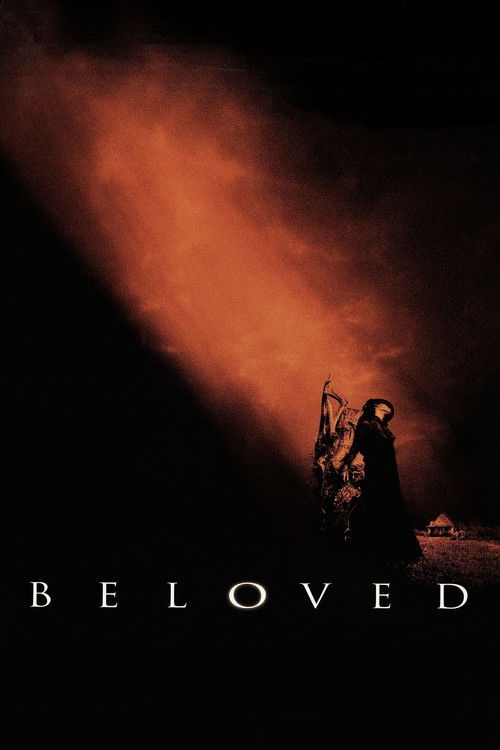
Beloved1998
Both are picaresque Mississippi River odysseys centered on escape and freedom, but this one centers the humanity Huck's story marginalizes. Same geography, inverted moral center.
An escaped enslaved woman, a drifting boy, and the Mississippi—Toni Morrison's novel adapted. Same river, same freedom, but told from the perspective Huck's story erases. The moral weight Twain couldn't carry.
But It's heavy, difficult, and deals with trauma Huck Finn treats as adventure. Not uplifting. Not comfortable. Essential discomfort.
More like this (8)
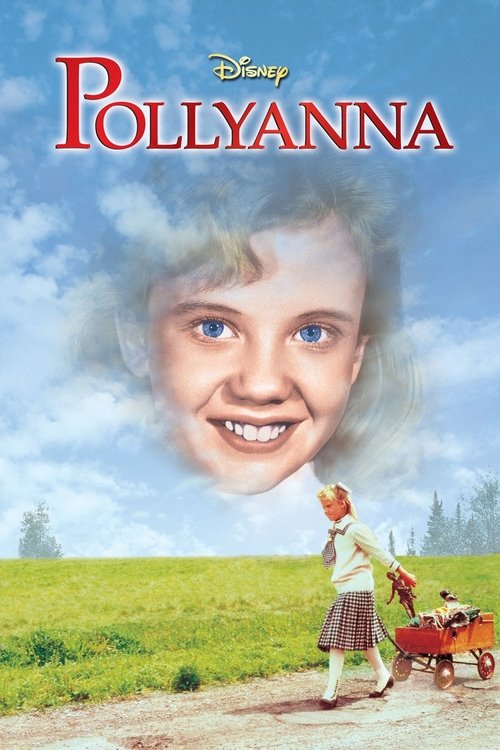
Pollyanna1960
Same year, same Disney optimism, same fundamental belief that a good heart can befriend anyone. A girl spreading joy like Huck spreads anarchy; the register is different but the DNA matches.
But Aggressively wholesome in a way that reads as saccharine now. If you prefer grit to sentiment, you'll find it exhausting.
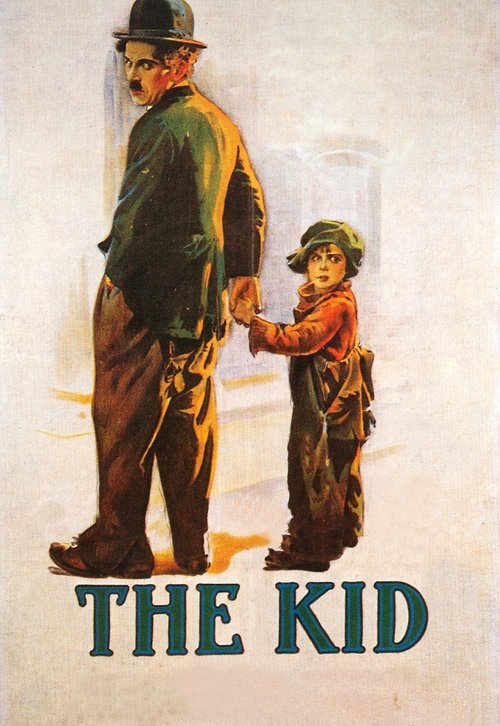
The Kid1921
Chaplin's masterpiece traces a homeless boy and a vagrant's unlikely bond with complete emotional clarity. Poverty, loyalty, and the grace of ordinary people—Huck's story but at the heart of silent cinema.
But It's silent and it's eighty years older. The pacing and emotional register are almost unrecognizable if you're used to talkies.
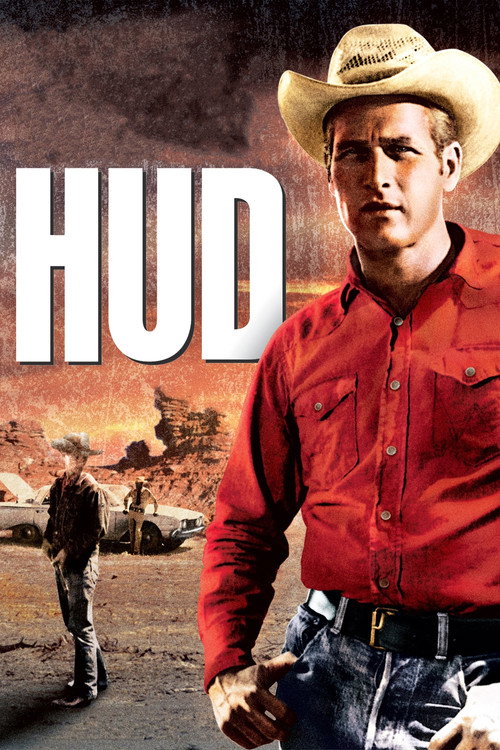
Hud1963
Paul Newman as a morally adrift drifter on horseback instead of river; same Americana, same coming-of-age, but where Huck remains pure, this boy learns corruption. Darker mirror.
But Bleak and cynical where Huck is buoyant. Not a pick-me-up, and the 1960s nihilism can feel dated.
Moonlight2016
A boy forming crucial bonds with older men in a world trying to erase him. Intimate and poetic where Huck is picaresque, but the same deep well of human connection across difference.
But Dense, arthouse, fragmented into three chapters. Requires patience and sorrow tolerance; nothing like 1960s family adventure pacing.

Come and See1985
A boy learns the world through motion and observation, watching cruelty unfold. An anti-Huck: same coming-of-age structure, completely inverted morality and outcome.
But One of the bleakest films ever made. If you came for adventure and warmth, this will haunt you for weeks in a way Huck Finn never will.

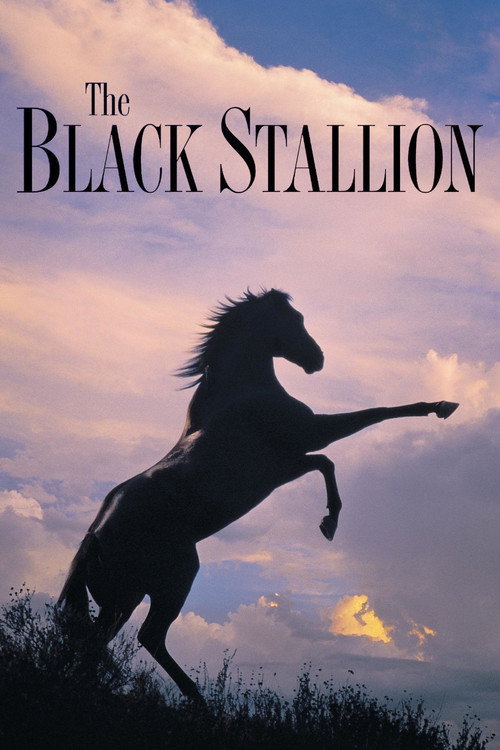
The Black Stallion1979
A boy and a wild creature form a bond and teach each other. Episodic adventure, mutual transformation, the same belief that the natural world is a better teacher than civilization.
But Dialogue-light and slow in places. Some viewers find it meditative; others find it boring. The horse gets top billing honestly.
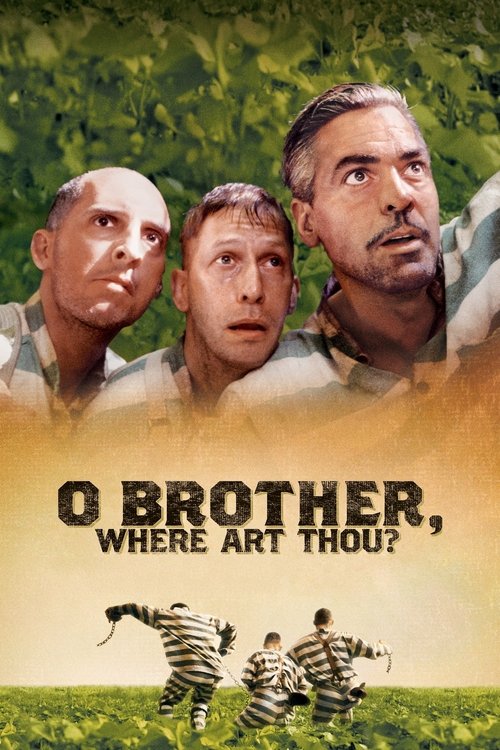
O Brother, Where Art Thou?2000
Same episodic structure and Southern picaresque form—a man journeying toward home through a series of strange encounters—but elevated into folk epic rather than boys' adventure.
The Coen brothers' Depression-era picaresque uses Homer's *Odyssey* structure but Twain's episodic con-man energy. Drifters, riverboats, period Americana, scams, and transformation. It's Huck Finn filtered through myth.
But Mannered and literary; the clever-clever approach to Americana can feel smug. The bluegrass soundtrack dominates the mood.
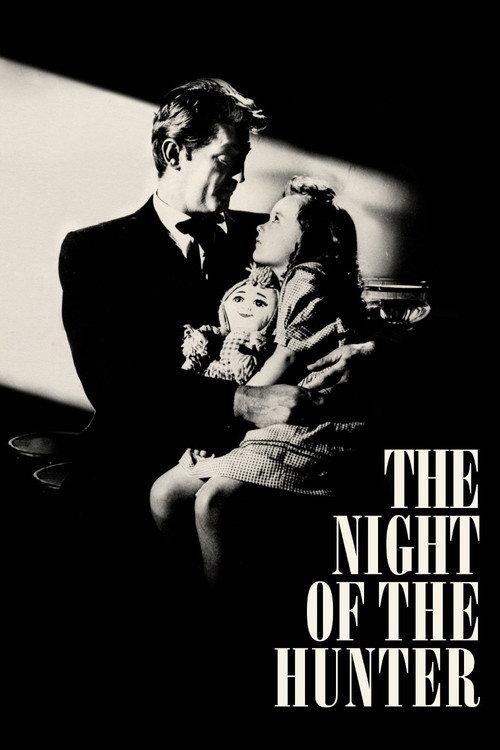
The Night of the Hunter1955
Both center children as protagonists fleeing downriver toward freedom, but where Huck's world is picaresque and warm, this is expressionist and predatory. Same journey, opposite emotional universe.
A boy and girl fleeing downriver, hunted by a psychotic preacher. It's Huck and Jim's journey inverted into nightmare: same river-journey structure, same desperate escape, but shot through noir and pure dread.
But Genuinely frightening, visually strange, and morally cold. The villain is indelible and disturbing. Not an adventure—a fairy tale that eats its own children.
People
Cast
 Tony RandallKing of France
- Archie MooreJim
 Eddie HodgesHuckleberry Finn
 Patty McCormackJoanna Wilkes
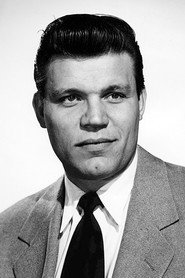 Neville BrandPap Finn
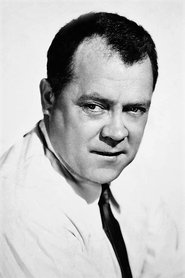 Mickey ShaughnessyDuke of Bilgewater
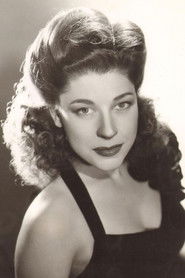 Judy CanovaSheriff's Wife
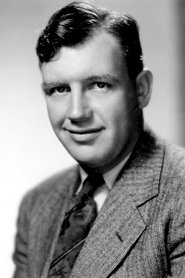 Andy DevineMr. Carmody
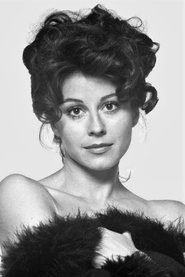 Sherry JacksonMary Jane Wilkes
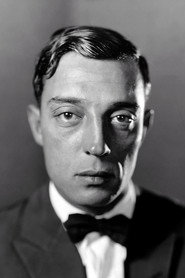 Buster KeatonLion Tamer
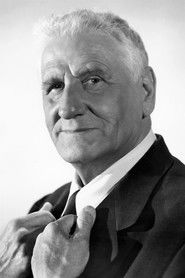 Finlay CurrieCaptain Sellers
 Josephine HutchinsonWidow Douglas
Directing
- L. V. McCardle Jr.Assistant Director
- Michael CurtizDirector
Writing
- Alan Jay LernerLyricist
- Mark TwainNovel
- James LeeScreenplay
Production
- Samuel Goldwyn Jr.Producer