
Film
Dodge City
A 1939 Technicolor Western where Errol Flynn's charming drifter becomes Dodge City's reluctant lawman. It's vivid, fast-paced, and unashamed about its own entertainment value—classic Hollywood spectacle with genuine stunt work and the kind of romance that exists mainly to give the hero something to defend. Made for anyone who enjoys watching a beautiful movie star solve problems with a smile and a punch.
Should you watch it?
Watch it if you love big-screen 1930s studio Westerns where a boomtown gets cleaned up through saloon brawls, swagger, and a romance that sparkles under the dust.
Skip it if you want a lean, modern Western with grit and ambiguity; this one is glossy studio polish, sentimental in places, and it runs a leisurely 104 minutes.
What it asks of you: Expect a generous, unhurried stretch before the town's real fight arrives, with plenty of light banter and a sunny tone rather than bleak shadows.
Not sure? Find tonight's pick in a minute.
If you liked this
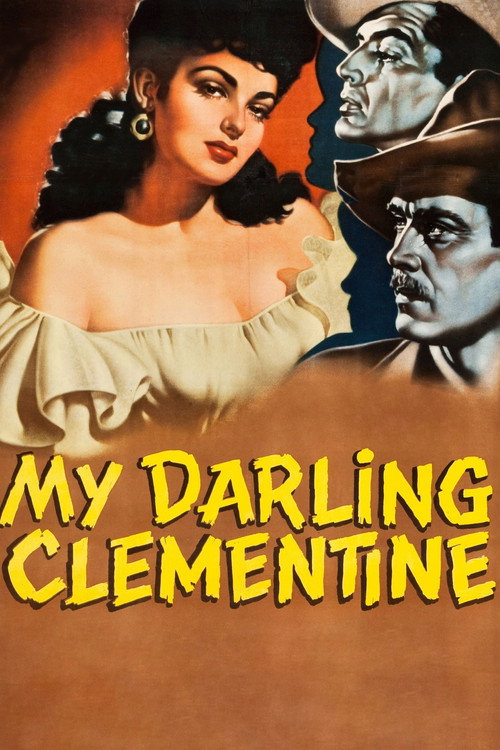
My Darling Clementine1946
John Ford's masterpiece about Wyatt Earp in Tombstone. Slower and more moral than Dodge City, with deeper shadows and actual complexity, but the same love of the frontier myth and the same commitment to making the West look like a promised land.
But It's elegiac rather than thrilling. If you came for action and charm, the meditative pace and tragic undertones might feel like a comedown.
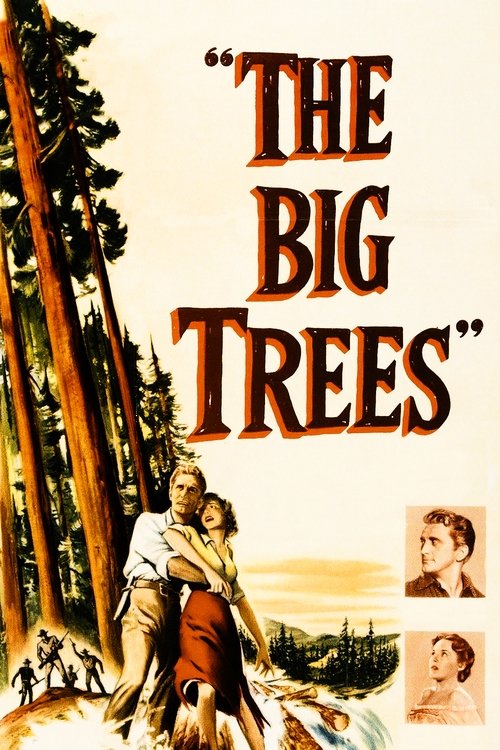
The Big Trees1952
Another Flynn vehicle in Technicolor, where he plays a con man in the Gold Rush who gets humanized by frontier life. Same star, same visual lushness, same blend of humor and adventure with less pretension to seriousness.
But It's minor compared to his best work, and the plot about logging and environmentalism sits oddly with the entertainment values.
Johnny Guitar1954
Nicholas Ray's strange, operatic Western where a woman runs a saloon and a man plays guitar instead of fighting. It shares Dodge City's love of vivid color and myth, but subverts the genre completely—gender roles inside out, morality uncertain, everything heightened and weird.
But It's genuinely odd in a way that can feel like pretension if you're not in the mood for it. Some find it fascinating; others find it insufferable.

Not sure tonight? Get a pick in a minute, starting from Dodge City
The wildcard
Something you would not have found on your own.
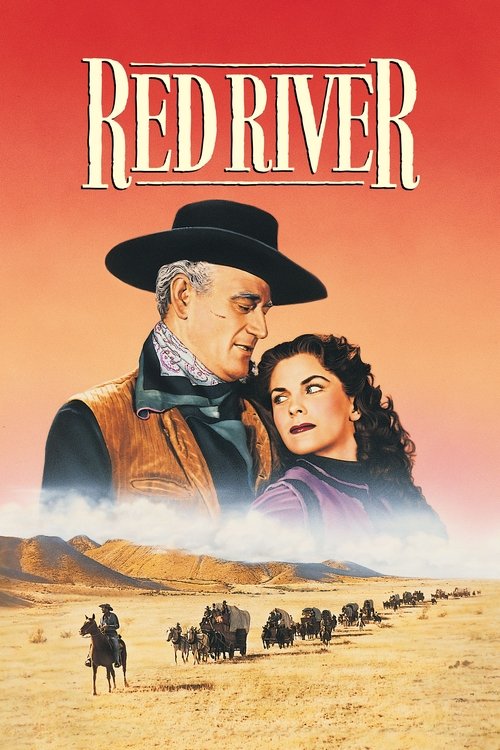
Red River1948
Both use the Western's structure to examine power and civilization, but Red River asks if the hero's vision is just, while Dodge City celebrates it without doubt.
Hawks' monumental cattle-drive epic where the landscape and the logistics matter more than the law. Like Dodge City, it's a film about bringing order to wilderness—but here the wilderness wins, and the hero's authority is a mistake. Same mythological register, opposite moral conclusion.
But It's slow, repetitive by design, and profoundly cynical. The emotional climax is deliberately muted. If you want catharsis or clear heroes, you won't find it.
More like this (7)
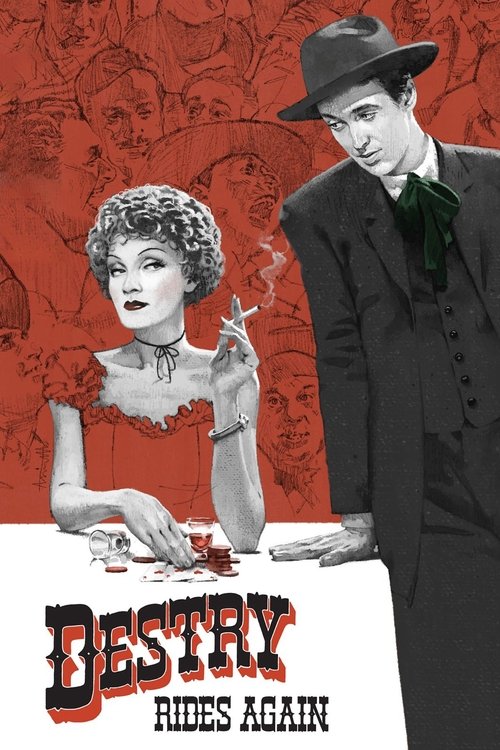
Destry Rides Again1939
James Stewart as a pacifist lawman in 1939, the same year as Dodge City. Lighter and funnier, with Marlene Dietrich stealing every scene. If you want the charm without the aggression, and the romance without the swagger, this is it.
But It's campy in places, and the comedy sometimes undercuts the drama. Stewart's diffidence is the opposite of Flynn's confidence.
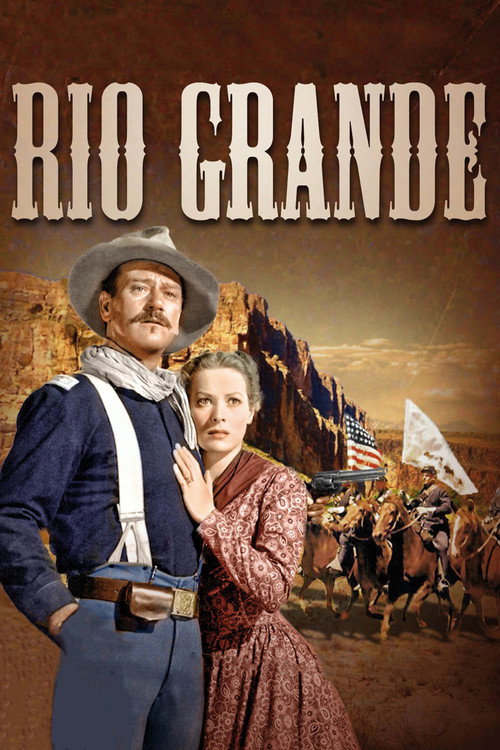
Rio Grande1950
John Wayne and Maureen O'Hara under John Ford's direction. Frontier duty, romance, and military honor. The Technicolor is gorgeous, the action is real, and it has the same confidence about what the Western *is* that Dodge City does.
But It's longer and stuffier, with Ford's contempt for certain groups baked in. More serious-minded than fun, despite the scenery.
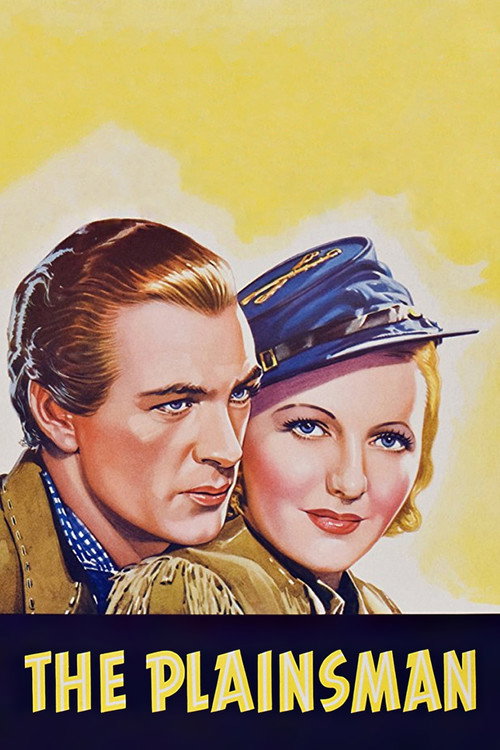
The Plainsman1936
Cecil B. DeMille directed this star vehicle for Gary Cooper, made just before Dodge City in the same spirit of spectacle and romance. Custer and Wild Bill Hickok, historical figures treated as adventure props. Pure entertainment architecture.
But The historical liberties are staggering and uncomfortable now. It moves at DeMille's portentous pace, which can feel slow if you're not invested in the mythology.
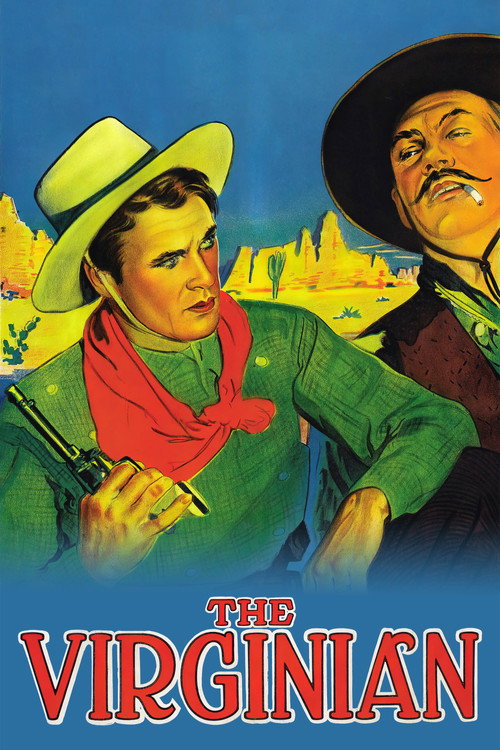
The Virginian1929
Gary Cooper in the first major sound Western, a model for almost every Western that followed. It's where many of the conventions Dodge City uses come from—the hero's code, the duel, the civilization-versus-frontier tension. Historical weight without pretension.
But It's quieter and more psychological than you might expect. If you want flash and color, this is sepia and restraint.
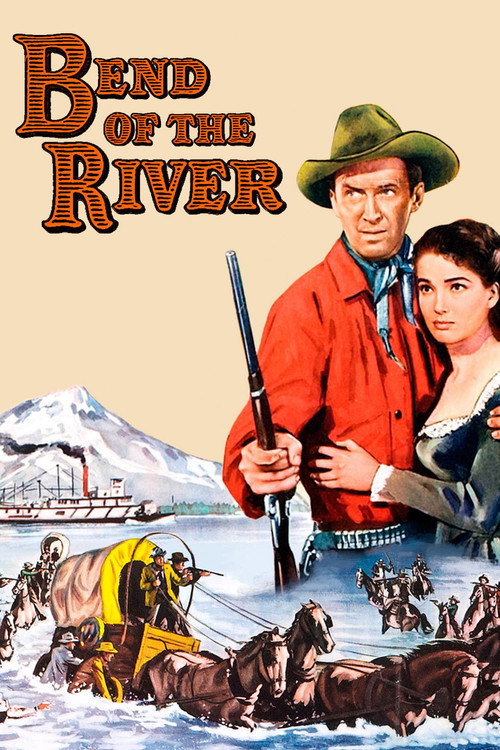
Bend of the River1952
James Stewart for Anthony Mann, a Western where the hero's past catches up with him on the Oregon Trail. Same era as Dodge City, same Technicolor beauty, but darker—a more complicated man in a beautiful landscape.
But It's less interested in romance or humor. The tone is melancholic, and the plot takes the violence seriously rather than celebrating it.
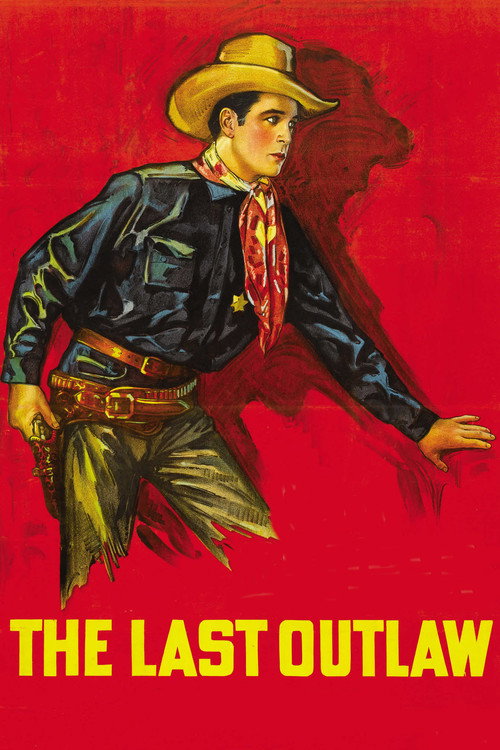
The Last Outlaw1927
An earlier frontier picture with Buck Jones and Harry Carey, made before Technicolor made the West look like paradise. It has the same narrative bones as Dodge City but in silent film, grittier and more dependent on stunt work to impress you.
But Silent film is a different language. If you're coming from 1939 with sound and color, it will feel quaint at best, tedious at worst.
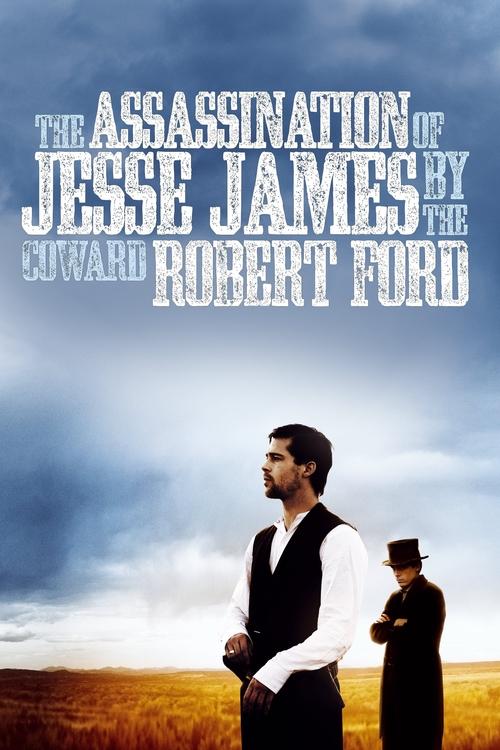
The Assassination of Jesse James by the Coward Robert Ford2007
Both examine what law means on the frontier, but one celebrates the myth while the other dissects it—how the story we tell about heroes obscures what they actually do.
A Western about myth-making itself. Jesse James as celebrity, Robert Ford as obsessed fan. Shot in dark golds and grays, it's philosophically complex but grounded in actual violence and despair. The inverse of Dodge City's sunny mythology—asking what happens when the myth corrodes.
But It's long, slow, and melancholic. There's no excitement, no romance, no triumph. Some find it pretentious; others find it honest. Brad Pitt's James is glacial, not charismatic, which can feel like a betrayal if you love the myth.
People
Cast
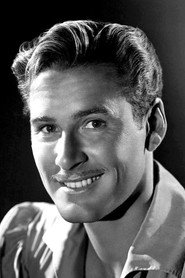 Errol FlynnWade Hatton
 Olivia de HavillandAbbie Irving
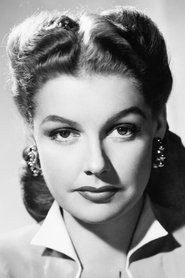 Ann SheridanRuby Gilman
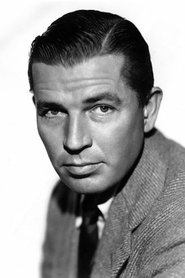 Bruce CabotJeff Surrett
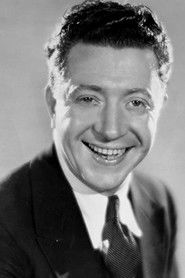 Frank McHughJoe Clemens
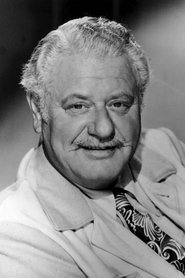 Alan HaleRusty Hart
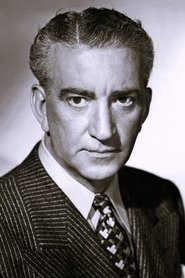 John LitelMatt Cole
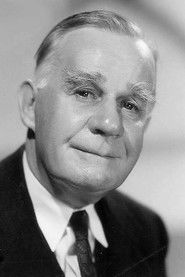 Henry TraversDr. Irving
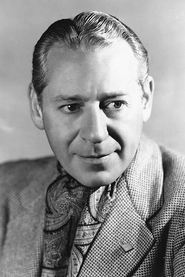 Henry O'NeillColonel Dodge
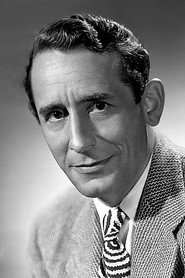 Victor JoryYancey
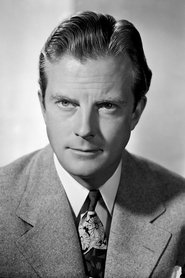 William LundiganLee Irving
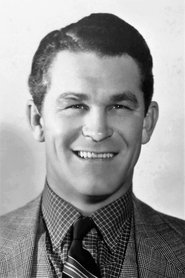 Guinn 'Big Boy' WilliamsTex Baird
Directing
- Sherry ShourdsAssistant Director
- Michael CurtizDirector
Writing
- Robert BucknerScreenplay
Production
- Robert LordAssociate Producer
- Hal B. WallisExecutive Producer
Recommended by
The Adventures of Huckleberry Finn, San Francisco, The Plainsman, They Died with Their Boots On, Stowaway, Santa Fe Trail, Virginia City, The Cisco Kid and the Lady, The Return of the Cisco Kid