
Film
The Big Trees
A 1952 western about a ruthless timber baron scheming to clear California redwoods, who collides with a Quaker settlement protecting the land. Kirk Douglas brings predatory charm to a man discovering that greed has limits, and the film treats its moral reckoning seriously without preaching. For anyone who wants their westerns with conscience and genuine uncertainty about its protagonist's redemption.
Should you watch it?
Watch it if you like hard-bitten Westerns where a charming schemer's greed runs headlong into a principled community, and the argument over ancient trees has real bite.
Skip it if you want fast action or modern pacing, since this is a talky, old-fashioned 1950s picture with stagey dialogue and a moral lecture that can feel earnest.
What it asks of you: Eighty-nine minutes of talk-heavy maneuvering, with a patient, sun-bleached rhythm; the scheming and the sermons come in equal measure, so keep your attention on the dialogue.
Not sure? Find tonight's pick in a minute.
If you liked this
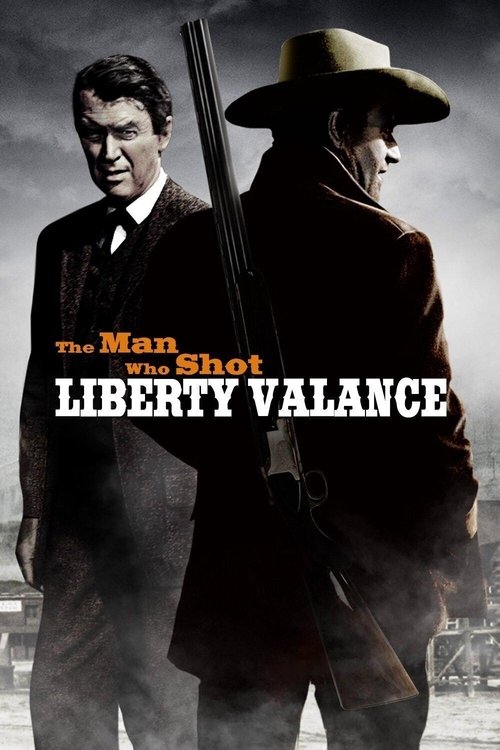
The Man Who Shot Liberty Valance1962
A western that interrogates civilization versus frontier lawlessness through the eyes of powerful men who've had to compromise their ideals. Jimmy Stewart and Lee Marvin give career-best performances in a story about the cost of progress that builds to genuine emotional weight.
But It moves deliberately and doesn't deliver action in the way modern westerns do. Long stretches are dialogue and introspection, which some find glacial.
Johnny Guitar1954
A revisionist western where a woman runs a saloon and a man must reckon with his destructive nature. Nicholas Ray's direction is operatic and strange; Joan Crawford is phenomenal. It shares The Big Trees' fascination with characters who must choose between appetite and humanity.
But The tone is wildly unconventional—sometimes campy, sometimes deadly serious. If you want a straightforward shoot-em-up, this will confuse you.

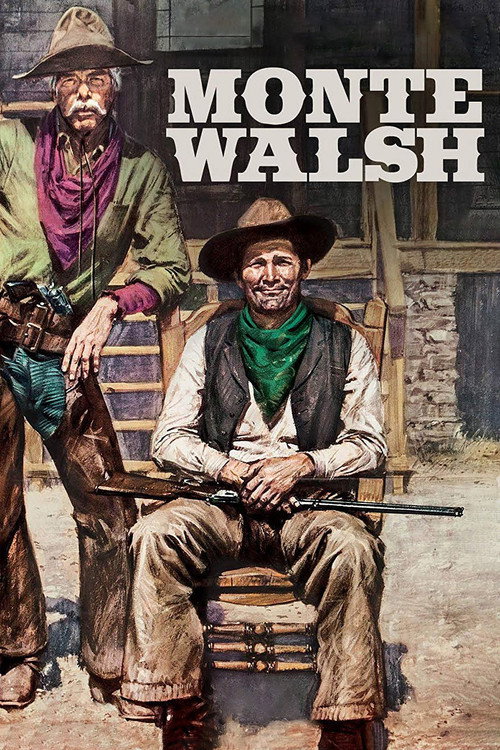
Monte Walsh1970
Lee Marvin and Jack Palance as aging cowboys watching their world disappear. It's elegiac and unsentimental, full of small grace notes about men trying to hold onto dignity as their era ends. A film about limits and what you owe to others.
But Nothing much happens plot-wise. It's a mood piece about decline, which can feel slow if you're looking for narrative momentum.
Not sure tonight? Get a pick in a minute, starting from The Big Trees
The wildcard
Something you would not have found on your own.
The Tree of Life2011
Both examine whether a man driven by appetite can be remade by confronting what he cannot control or own—nature, in its most literal form.
Terrence Malick's meditation on existence, ambition, and grace. It follows a businessman reflecting on his life and his relationship to nature and family. The connection: both films wrestle with whether a man consumed by acquisition can be transformed by something larger than himself.
But Famously divisive and abstract. If you want plot clarity, this will frustrate you profoundly. Many find it self-important or incomprehensible.
More like this (8)
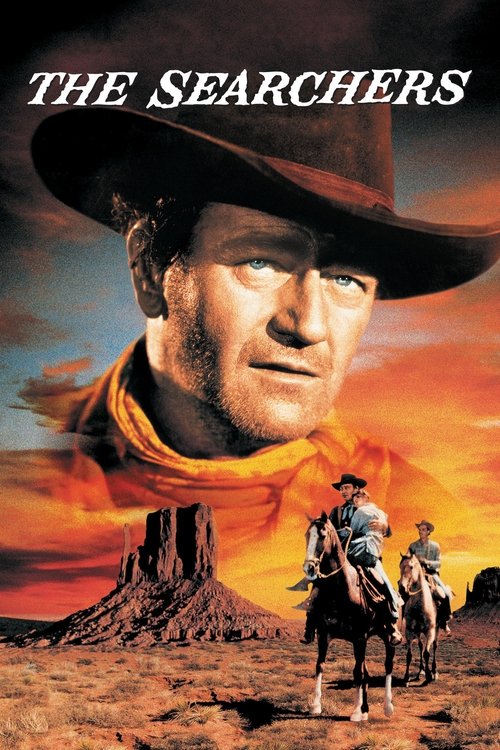
The Searchers1956
John Ford's masterpiece about obsession and vengeance. John Wayne plays a man consumed by rage, and the film unflinchingly examines the violence and racism that underpin the frontier myth. Visually sumptuous and morally complex.
But At three hours, it demands patience. The treatment of Native Americans, though critical, will still disturb modern viewers.
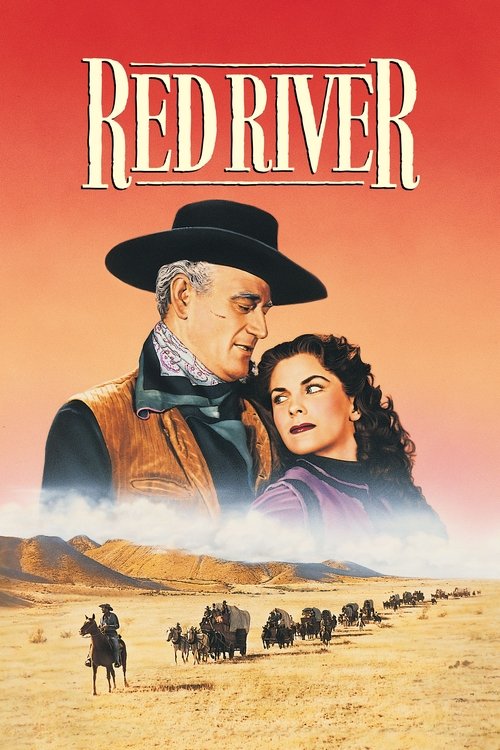
Red River1948
Hawks' epic about a cattle drive where the father-son dynamic becomes a battle of wills. John Wayne and Montgomery Clift are mesmerizing. It's about masculine pride, legacy, and the cost of tyranny.
But The climax feels rushed and tonally jarring after two hours of tension. Some find it underbaked despite its reputation.
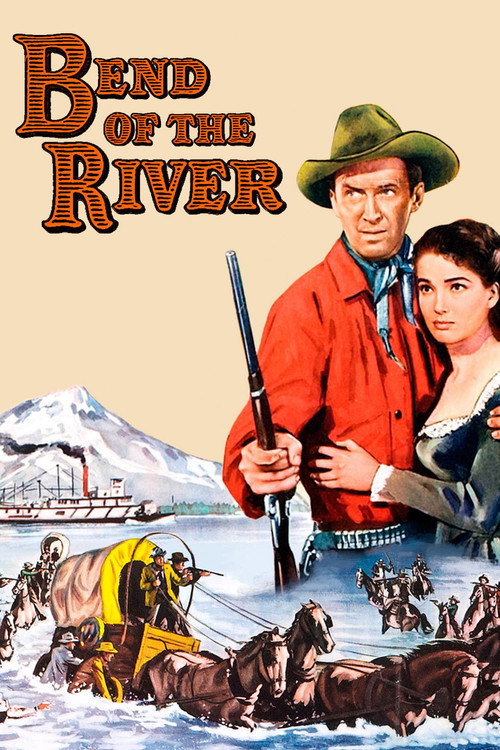
Bend of the River1952
James Stewart in a frontier drama about a reformed outlaw building a new life. It's thoughtful about second chances and the weight of your past—thematically close to where Douglas' character ends up, but told with more patience.
But Relatively obscure and slow-paced. If you want excitement, you'll find stretches where character work overwhelms narrative drive.
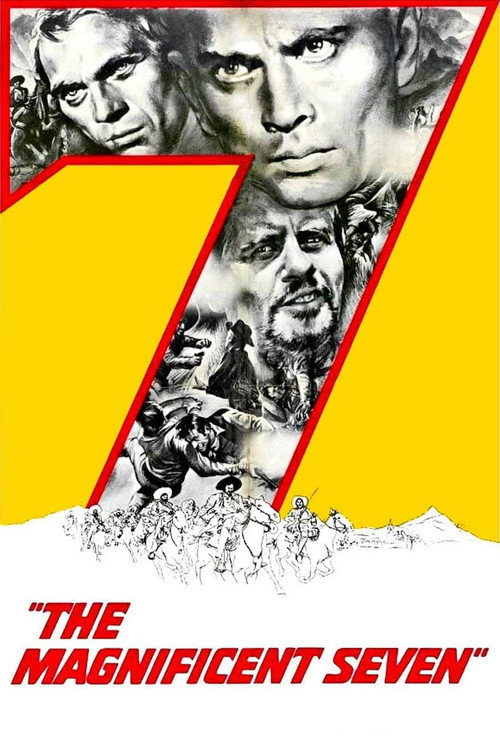
The Magnificent Seven1960
Seven gunfighters defend a Mexican village. It's rousing, beautifully shot, and entertaining in the way a great adventure should be. A reminder that westerns can be purely thrilling without sacrificing craft or intelligence.
But It's a remake, and the morality is simpler than The Big Trees—good guys, bad guys, clear action. If you want moral ambiguity, look elsewhere.
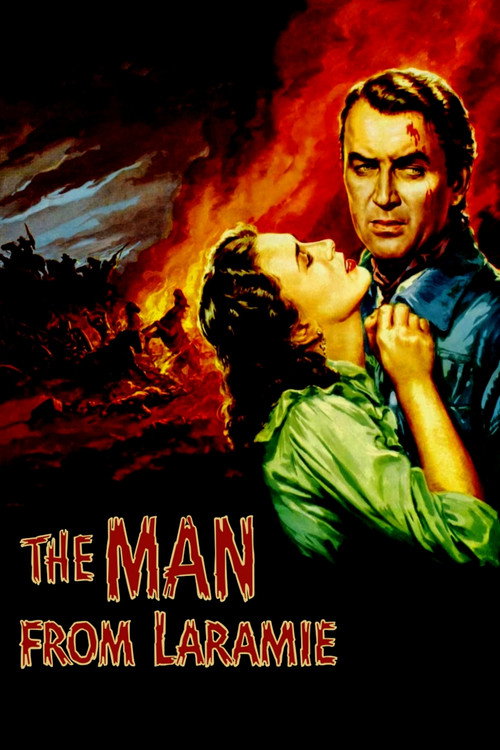
The Man from Laramie1955
James Stewart investigates his brother's death in a town controlled by a cattle baron. Anthony Mann directs with icy precision; the violence feels consequential. A western about systems of power and how one man navigates them.
But The plot can feel convoluted. Multiple betrayals and reversals sometimes confuse rather than clarify the moral landscape.
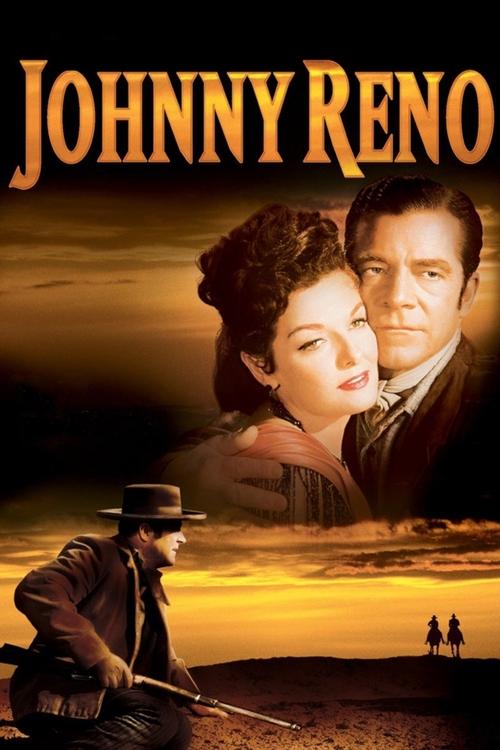
Johnny Reno1966
A lesser-known western where an aging lawman must confront his own relevance and the violence he's committed. It's interested in what happens after the dust settles—a quiet reckoning with a life spent in conflict.
But It's genuinely obscure for a reason. The execution doesn't always match its ambitions, and it can feel dated in ways that aren't charming.
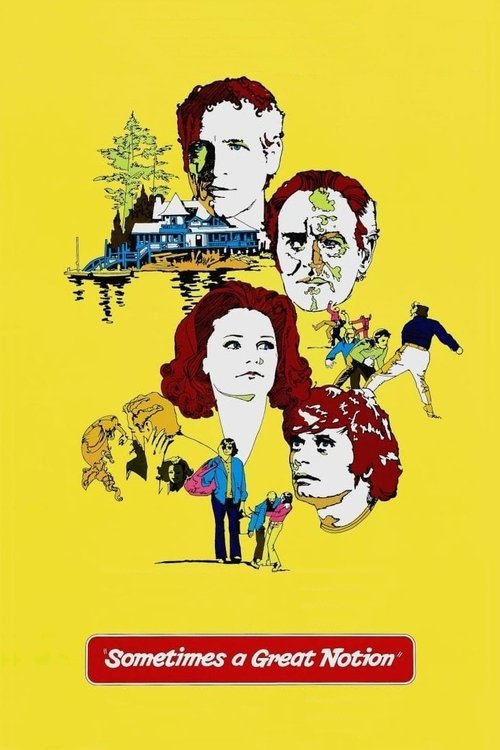
Sometimes a Great Notion1971
Same landscape, same resource, same moral question: who has the right to fell the giants? But told as a generational family tragedy rather than redemption arc.
Paul Bunyan-scale logging epic set in Oregon during a strike, with Henry Fonda and Paul Newman at odds over land, labor, and legacy. It's gorgeously shot, massively ambitious, and absolutely absorbs the dynamics of men fighting over timber and conscience in the American West.
But Two hours forty minutes and it meanders structurally. The narrative jumps around in ways that can feel arbitrary. Some find it bloated.
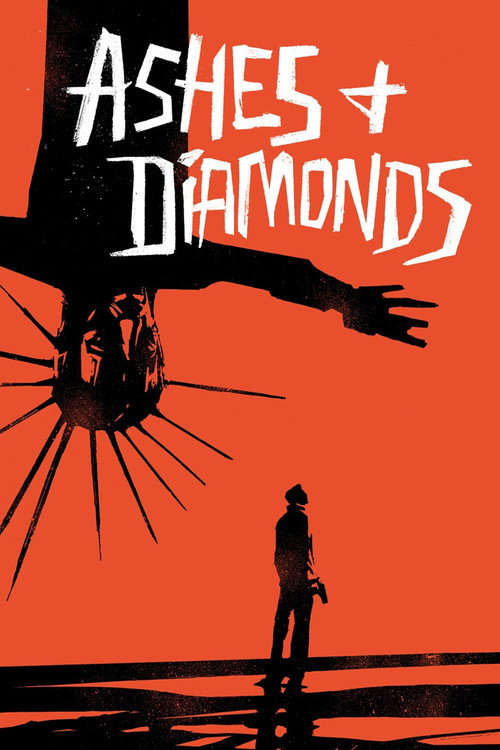
Ashes and Diamonds1958
Both are about men schooled in one kind of ruthlessness confronting the moment when that ruthlessness ceases to serve anything but itself. Both suggest redemption might be possible, but don't promise it.
Andrzej Wajda's Polish masterpiece about a resistance fighter in the hours after WWII ends, forced to confront what victory actually demands. It's about power, loyalty, and whether old codes of honor survive their usefulness. Shot in luminous black and white.
But It's in Polish with subtitles. The historical context is specific to Poland's 1945. The pacing is elliptical, and emotional beats don't arrive where you expect them.
People
Cast
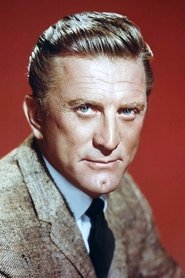 Kirk DouglasJim Fallon
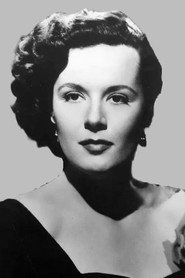 Eve MillerAlicia Chadwick
 Patrice WymoreDaisy Fisher / Dora Figg
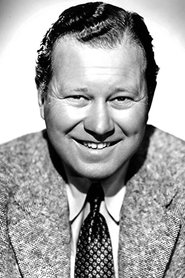 Edgar BuchananWalter 'Yukon' Burns
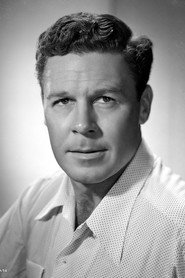 John ArcherFrenchy LeCroix
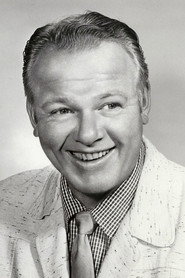 Alan Hale Jr.Tiny
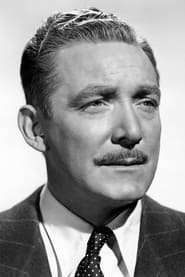 Roy RobertsJudge Crenshaw
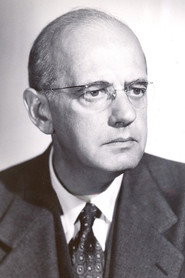 Charles MeredithElder Bixby
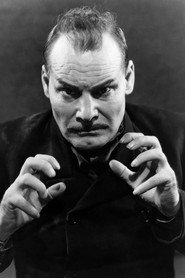 Harry CordingCleve Gregg
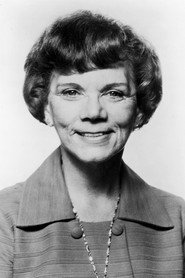 Ellen CorbySister Blackburn
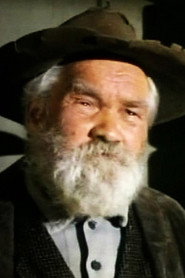 William ChalleeBrother Williams (uncredited)
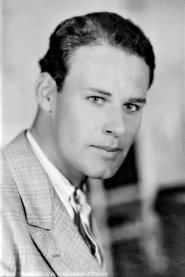 Lane ChandlerBrother Dorn (uncredited)
Directing
- Frank MattisonAssistant Director
- Felix E. FeistDirector
Writing
- James R. WebbScreenplay
- John TwistScreenplay
- Kenneth EarlStory
Production
- Louis F. EdelmanProducer
Recommended by
High, Wide and Handsome, Dodge City, San Francisco, The Fighting Seabees, Canyon Passage, Under Pressure, Out California Way, Virginia City, The King and Four Queens, The World in His Arms, In Old California, Springtime in the Sierras, Desert Gold, Call of the Wild, Ceiling Zero, Spawn of the North, Back to God's Country