
Film
The King and Four Queens
- Con-artist caper
- Comedy western
- Light-hearted
A con man infiltrates a household of outlaw widows and their sharp-tongued matriarch to hunt for hidden gold. It's a breezy 1950s Western-comedy that treats its female characters as clever operators rather than decoration, with Clark Gable charming his way through schemes and double-crosses. Fun if you like your Westerns light and your con artists likeable.
If you liked this
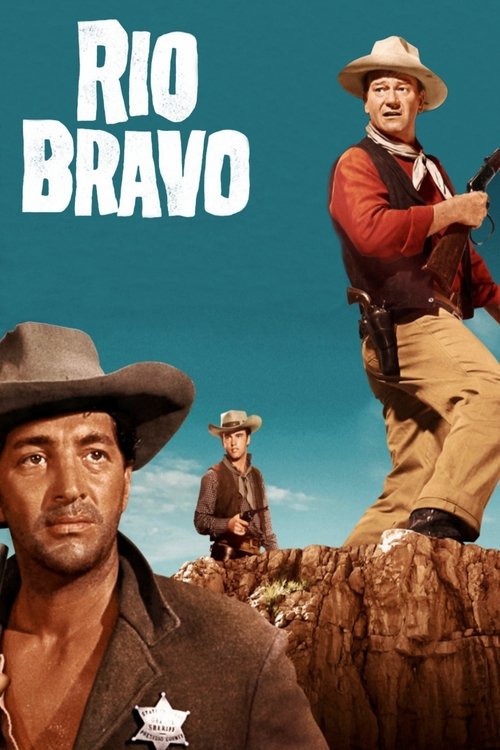
Rio Bravo1959
Hawks' Western about a sheriff and his unlikely allies holding a jail against an army of gunmen. It shares Kehoe's relaxed pace, strong ensemble chemistry, and a plot that's really about people talking through their problems while danger circles.
But Nearly 2 hours and 20 minutes of deliberate, conversational storytelling. If you want constant action and urgency, this will feel slack.
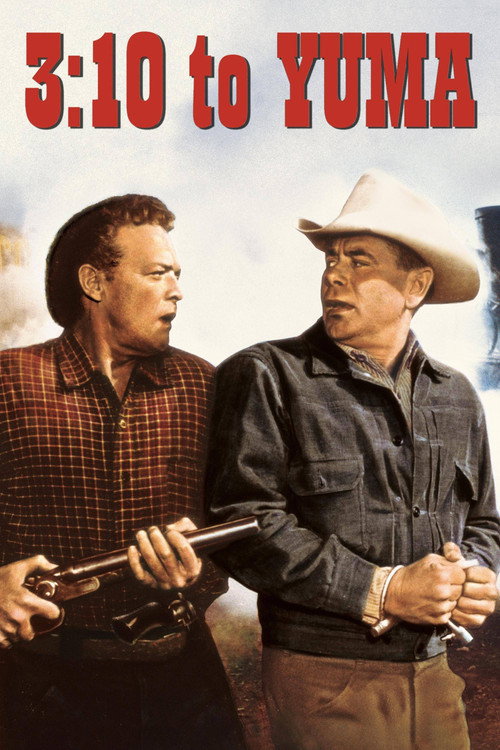
3:10 to Yuma1957
A small-scale Western where the real tension is psychological—a rancher and an outlaw locked together by circumstance and mutual respect. Like Kehoe, it's interested in clever talk and shifting alliances over heroics.
But The 1957 version is grey and interior-focused. You're spending time in confined spaces with morally complex people, not watching gunfights.
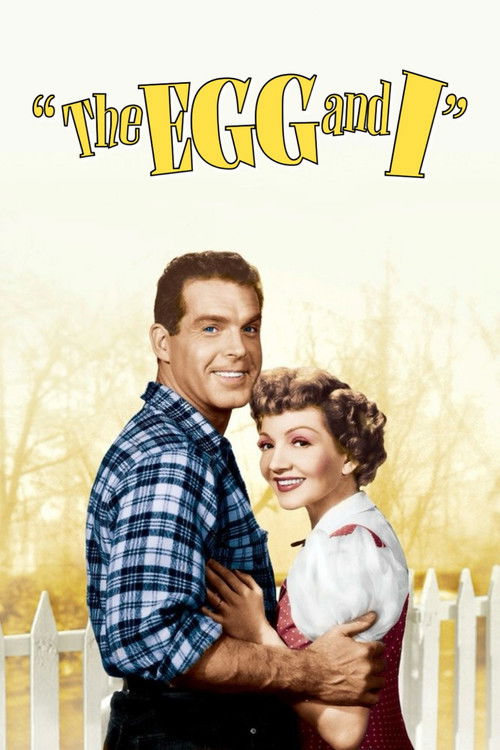
The Egg and I1947
Claudette Colbert and Fred MacMurray in a romantic comedy about clashing wills and schemes. Same energy as watching Gable spar with Eleanor Parker—the plot is almost an excuse for two smart actors to needle each other.
But Romantic comedies from this era can feel slow and stagey to modern viewers. The conflict is entirely conversational.
Not sure tonight? Get a pick in a minute, starting from The King and Four Queens
The wildcard
Something you would not have found on your own.
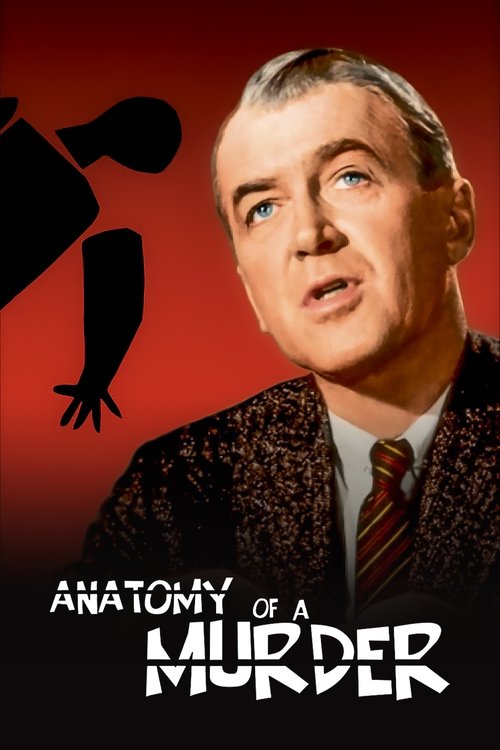
Anatomy of a Murder1959
Both films are fascinated by the gap between what people say and what they mean, and both let that gap—that space where intelligence and charm operate—become the actual plot.
Otto Preminger's courtroom drama where the real drama is people figuring out what's true, what's being hidden, and who's trying to con whom. It has Kehoe's pleasure in watching smart people fence with language instead of swords, and it's genuinely funny in moments—the same kind of humor that comes from clever people playing games with each other.
But It's 160 minutes and mostly dialogue in a small-town Michigan courtroom. If you want narrative momentum and action, you'll feel trapped.
More like this (8)
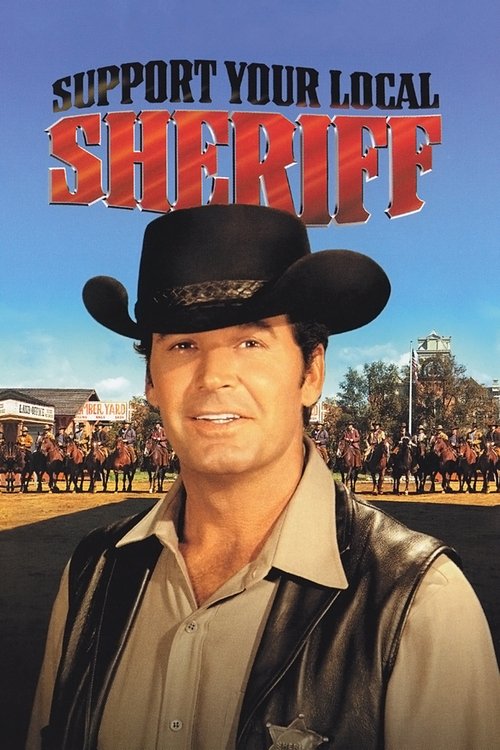
Support Your Local Sheriff!1969
James Garner in a Western that winks at the genre while actually being one. It has Kehoe's playful, con-artist spirit and treats its plot like a game everyone's in on together.
But The comedy is broad and sometimes hokey. If you prefer Westerns that take themselves seriously, this will seem slight.
Johnny Guitar1954
A Western where the women have all the power and the men are supporting players. Joan Crawford's saloon owner runs rings around everyone, and the film has the same gender-flip pleasure as watching Gable deal with four strong women.
But It's genuinely strange and plotwise doesn't quite hold together. Nicholas Ray made a fever dream, not a coherent Western.

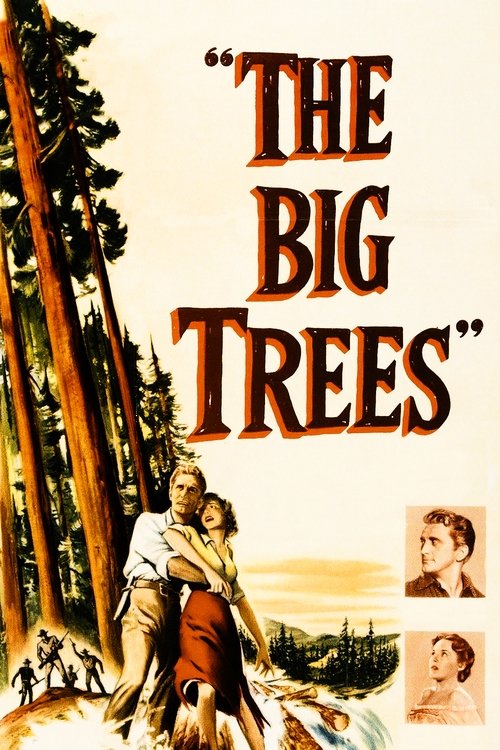
The Big Trees1952
Felix Feist directed this con-man Western where a scoundrel must outwit a group of settlers. It scratches the same itch as Kehoe—schemes, charm, and everyone trying to get one over on everyone else.
But It's minor studio work and shows in every frame. The production values are thin and the plot is routine.
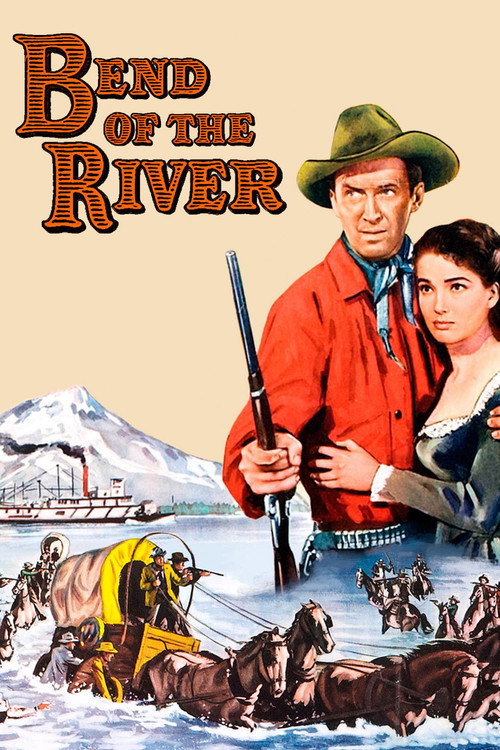
Bend of the River1952
Anthony Mann and James Stewart in a Western where loyalty and betrayal matter more than quick draws. It's got the ensemble feeling and the moral complexity under a lighter surface.
But It's serious where Kehoe is comedic. The tone shift might feel jarring if you're hoping to stay light.
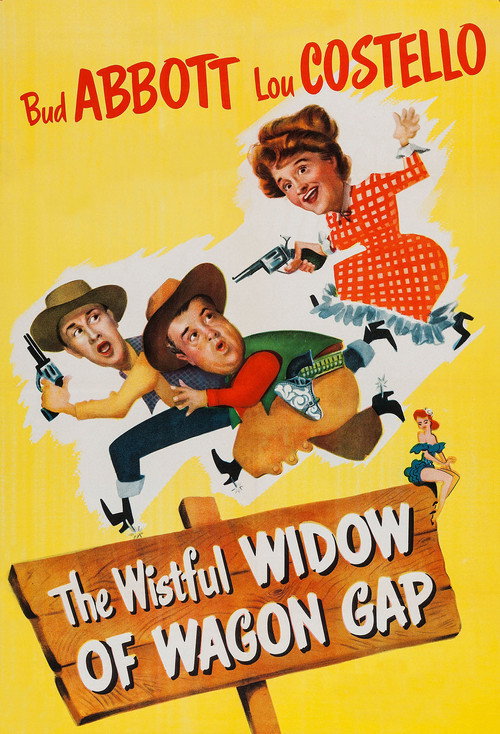
The Wistful Widow of Wagon Gap1947
Abbott and Costello in a Western farce about mistaken identity and a reluctant suitor. It shares Kehoe's comfort with broad comedy and the idea that scheming through a household can be the entire plot.
But Abbott and Costello's slapstick is an acquired taste. If their particular brand of comedy doesn't land, there's nothing else holding it up.
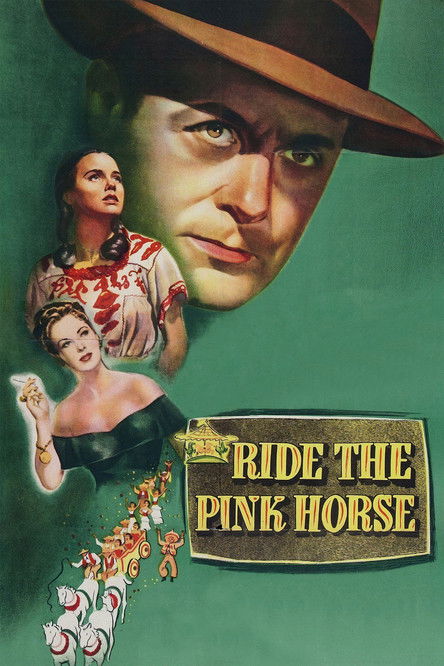
Ride the Pink Horse1947
Robert Montgomery in a Western noir about a man playing multiple angles in a small town. The atmosphere is darker but the structure is similar—one man, many schemes, everyone connected to everyone else.
But It's cynical where Kehoe is sunny. The tone is murky and the pacing can feel mannered by modern standards.
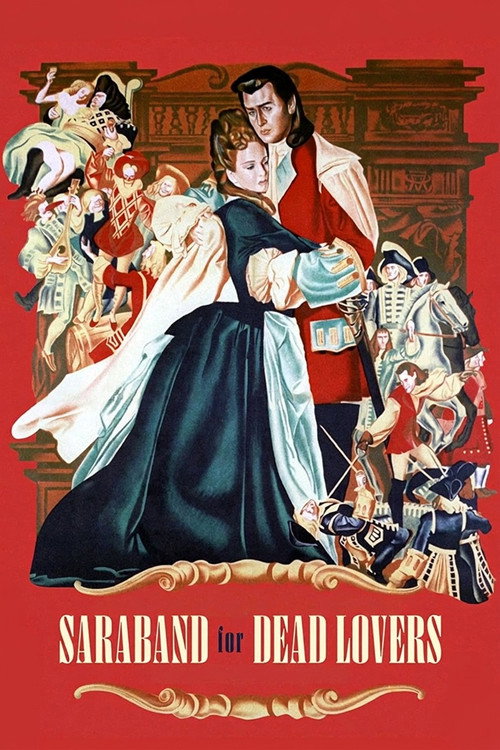
Saraband for Dead Lovers1948
Both watch an intelligent, attractive protagonist orchestrate events by understanding what people want and what they'll do to get it. Kehoe's version is fun; this is gorgeous and sad.
Basil Dearden's Technicolor period drama, shot as sumptuous melodrama, about a woman navigating court intrigue by her wits and charm. It has the same structure as Kehoe—a smart person among people trying to outsmart them—but played as tragedy instead of comedy, in 18th-century Germany instead of the Old West.
But It's a Rank Organization prestige picture from 1948. The pacing is glacial, the film is melancholic, and nobody's winking at the audience.
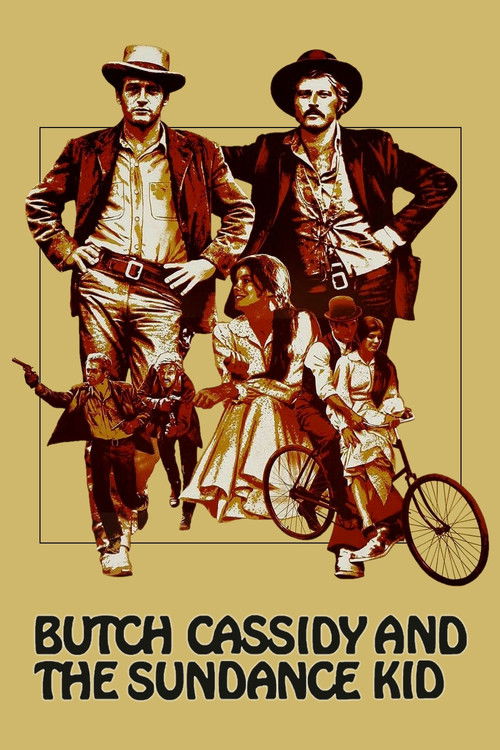
Butch Cassidy and the Sundance Kid1969
Both center on a likeable criminal's ability to talk and think faster than everyone around him, and both understand that charm is a real power—but Butch Cassidy eventually asks whether charm is enough.
Outlaw con men on the run, playing intelligence and charm against a shrinking world. It has Kehoe's ease with its characters and the same pleasure in watching smart criminals out-talk their way through problems, but filtered through 1969's cynicism and moral drift.
But It's a revisionist Western where heroism is replaced by pragmatism and charm can't actually save you. The mood darkens toward the end. It's not as fun as it first appears.
People
Cast
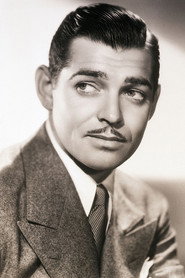 Clark GableDan Kehoe
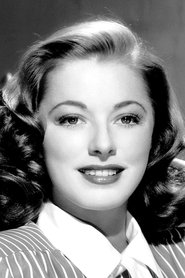 Eleanor ParkerSabina McDade
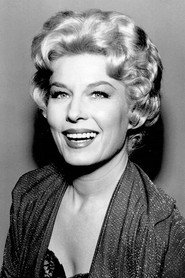 Jean WillesRuby McDade
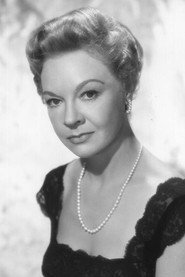 Jo Van FleetMa McDade
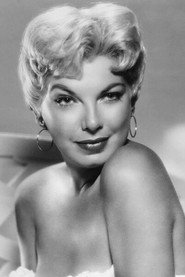 Barbara NicholsBirdie McDade
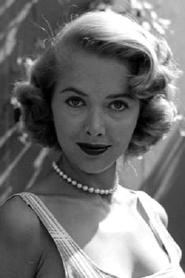 Sara ShaneOralie McDade
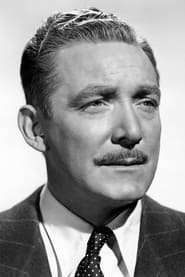 Roy RobertsSheriff Tom Larrabee
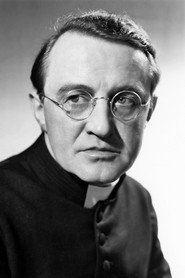 Arthur ShieldsPadre
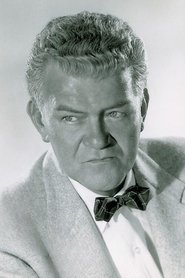 Jay C. FlippenBartender
- Florenz AmesJosiah Sweet, Undertaker
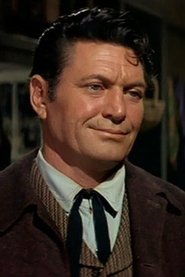 Chuck RobersonPosseman
Directing
- Tom Connors Jr.Assistant Director
- Raoul WalshDirector
Writing
- Margaret FittsNovel
- Margaret FittsScreenplay
- Richard Alan SimmonsScreenplay
Production
- Robert WaterfieldExecutive Producer
- David HempsteadProducer
- Joseph C. BehmProduction Manager
- Richard CondonPublicist