
Film
Saraband for Dead Lovers
A luminous 1948 British historical drama about passion and duty in 18th-century Hanover. Sophie Dorothea, trapped in a political marriage, falls for a charming soldier and discovers what it costs to choose love over obligation. Visually ravishing, emotionally intelligent, and underpinned by genuine historical tragedy.
If you liked this
Dangerous Liaisons1988
Court intrigue, forbidden desire, and the weaponisation of seduction told with dazzling wit and perfect performances. A masterclass in how desire destabilises power structures.
But If you need warmth or likeable characters, this will chill you. Everyone here is ruthless or ruined.

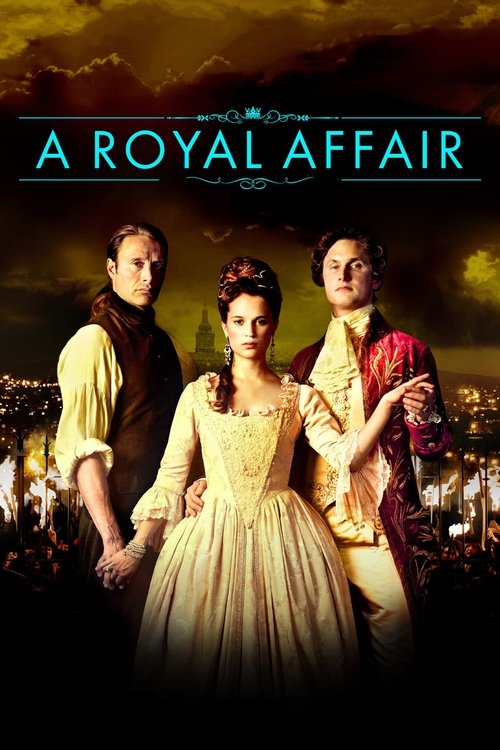
A Royal Affair2012
Danish king, foreign doctor, dangerous attraction. A sumptuous, sweeping film about intellectual awakening and the terrible isolation of being trapped in royalty. Hauntingly beautiful.
But The pacing is deliberate and the mood melancholic. If you want narrative momentum, you'll feel it dragging.
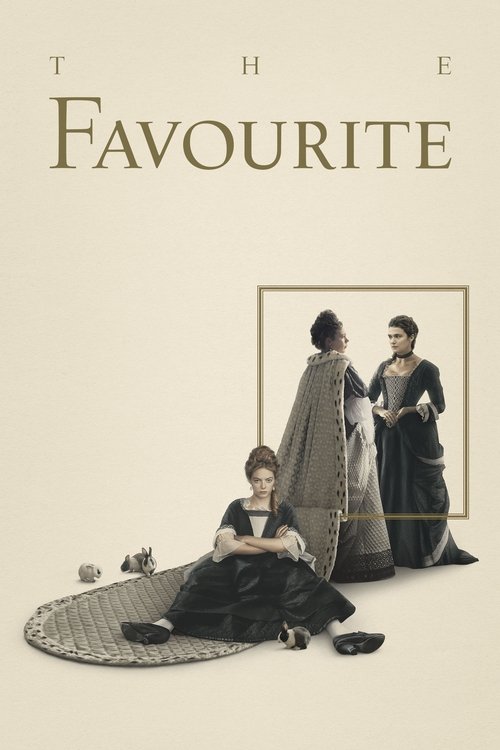
The Favourite2018
Power, desire, and three people caught in an intimate triangle played against each other. Ornate, funny, sexually charged, and fundamentally tragic. Yorgos Lanthimos at his most accessible.
But The tonal shifts between comedy and darkness can feel jarring. Some find the anarchic style alienating rather than exhilarating.
Not sure tonight? Get a pick in a minute, starting from Saraband for Dead Lovers
The wildcard
Something you would not have found on your own.
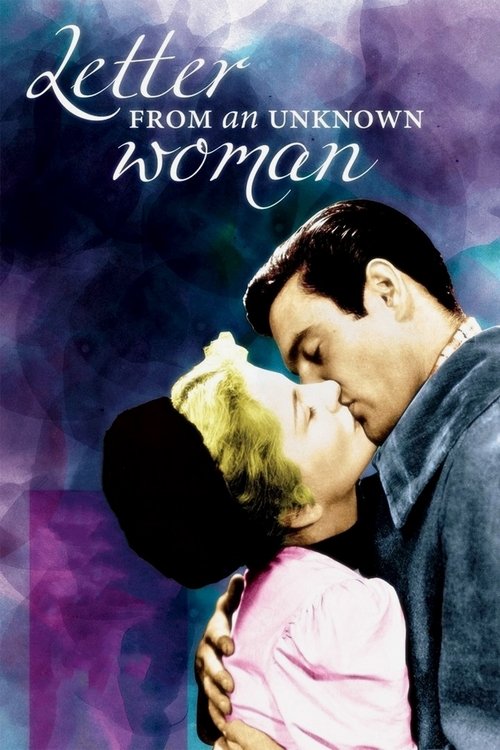
Letter from an Unknown Woman1948
Both films examine how desire operates as a kind of doom in aristocratic settings; both centre on written correspondence as evidence of love; both ask what it costs a woman to love someone she cannot have. Both released 1948.
Released the same year as Saraband, this is Max Ophüls's masterpiece about a woman's lifelong devotion to a man who barely remembers her. It mirrors Saraband's tragic geometry but inverts the gender dynamics—here, it's the woman whose love is consuming and ultimately fatal.
But The structure is nonlinear and requires attention. Joan Fontaine's character is passive in ways modern audiences find difficult, and the ending is genuinely devastating in its passivity.
More like this (8)
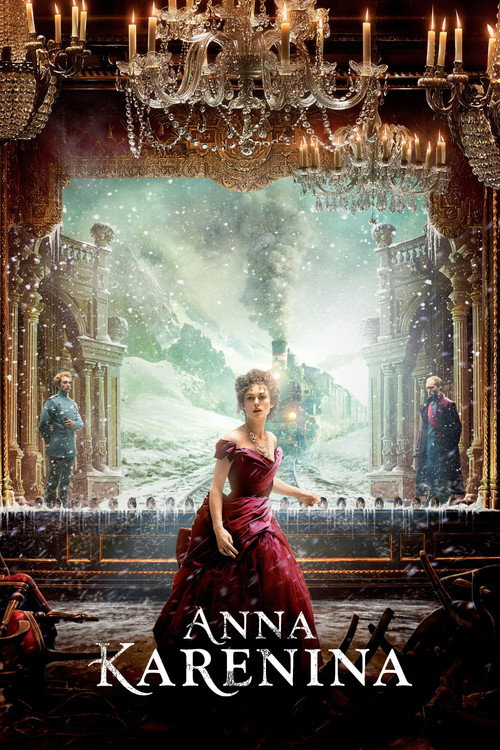
Anna Karenina2012
Passion versus convention, told with soaring romanticism and tragic inevitability. Joe Wright's theatrical staging makes the emotional stakes visceral. Keira Knightley and Jude Law burn.
But The adaptation compresses Tolstoy ruthlessly. If you're attached to the novel, the choices made will frustrate you.
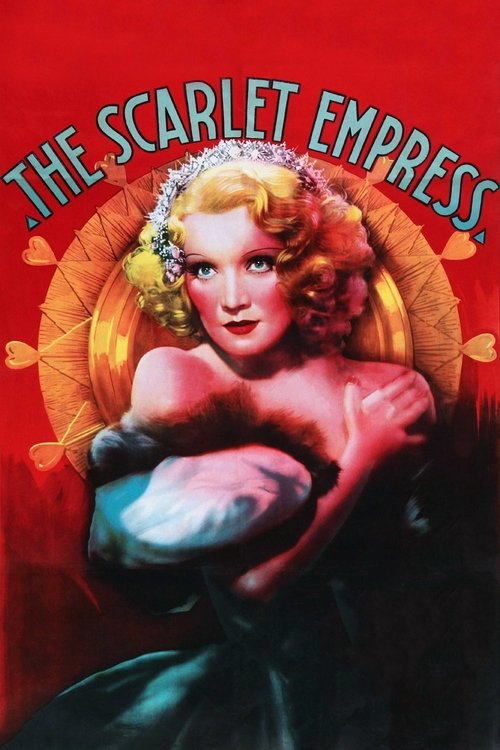
The Scarlet Empress1934
Josef von Sternberg's fever dream about Catherine the Great's rise through seduction and ruthlessness. Baroque, sensual, genuinely strange. Marlene Dietrich at her most magnetic.
But The narrative is deliberately chaotic and the pacing erratic. Plot clarity takes a backseat to atmosphere and imagery.
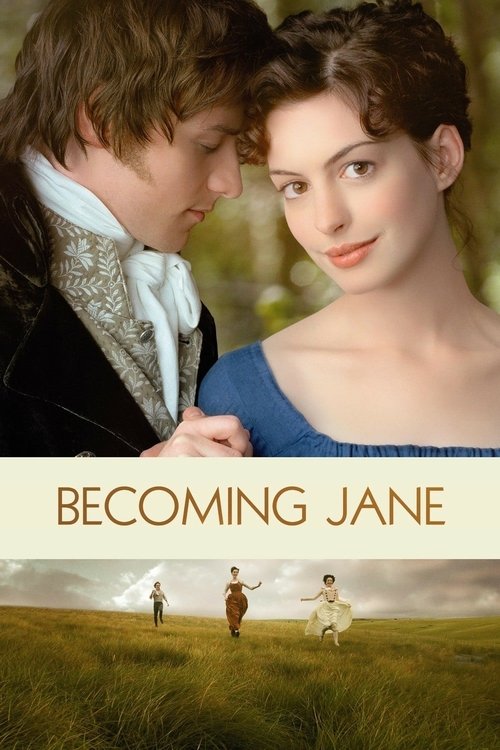
Becoming Jane2007
A romanticised but genuinely moving speculation on Jane Austen's own love story. The chemistry between the leads crackles, and it captures something true about creative ambition versus passion.
But Austen scholars will object. It plays loose with historical fact and rewrites her ending to a fantasy.
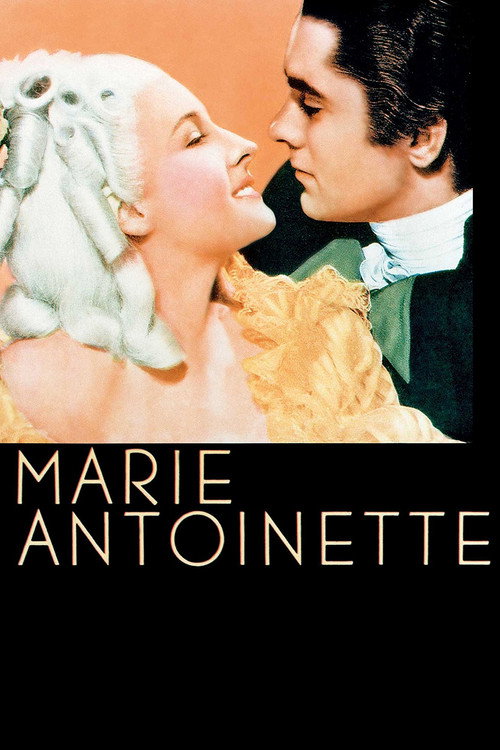
Marie Antoinette1938
A gilded, empathetic portrait of a young woman thrust into impossible circumstances, stripped of agency, and destroyed by forces beyond her control. Norma Shearer is heartbreaking.
But The Hollywood softening of history will bother anyone seeking accuracy. It's melodrama rather than rigorous drama.
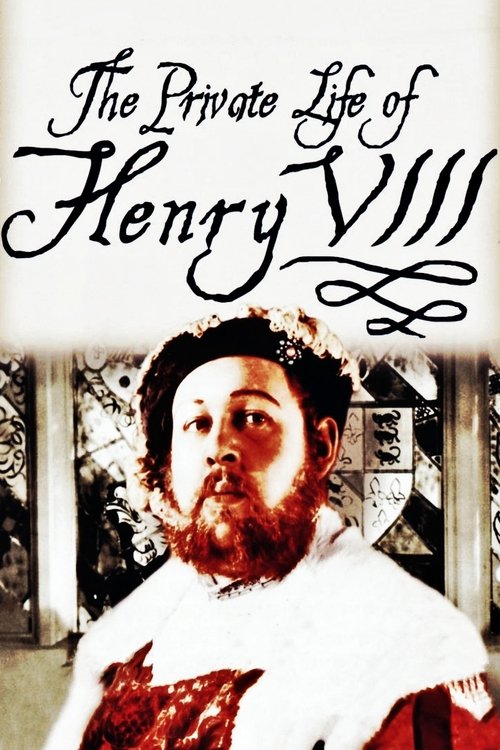
The Private Life of Henry VIII1933
Charles Laughton's ferocious, funny performance anchors this razor-sharp look at power, sex, and the disposability of women. Surprisingly witty for 1933, and genuinely insightful.
But It's a starring vehicle more than a balanced narrative. The women exist primarily to be done unto by the king.
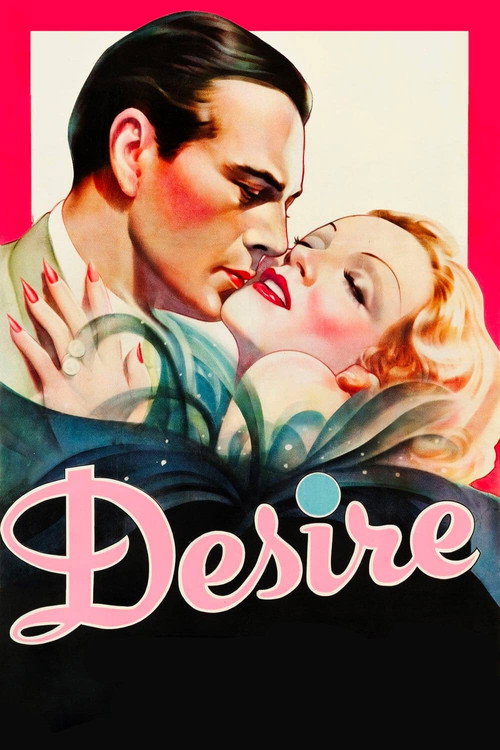
Desire1936
Marlene Dietrich is a jewel thief, Gary Cooper is a hapless American, and the Riviera becomes the stage for flirtation, theft, and eventual romance. Light, clever, endlessly charming.
But If you want real stakes or dramatic weight, this is too frothy. It's entertainment first, insight second.
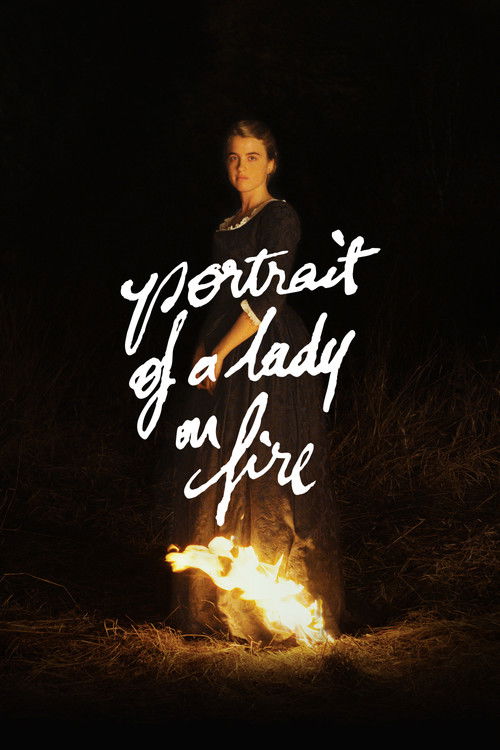
Portrait of a Lady on Fire2019
Both are period dramas centred on desire that transgresses social boundaries, both feature characters constrained by duty and expectation, and both use visual beauty as a primary language. But where Saraband is grand and tragic, Portrait is intimate and queer—a completely different emotional register applied to similar material.
A French film about a female artist painting an aristocratic woman's portrait on a remote island, and the love that blooms between them. It transforms the historical romance into something tender and explicitly female. The cinematography alone justifies the watch.
But It's a slow-burn with minimal plot and maximum mood. If you need narrative propulsion or resolution, you'll find it frustratingly elliptical.
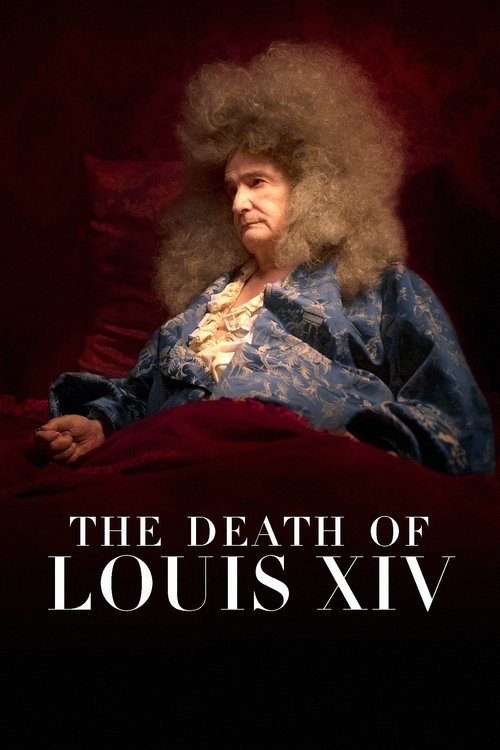
The Death of Louis XIV2016
Both films are preoccupied with the human cost of court life and the way institutional power crushes individual desire. But where Saraband is Technicolor romance, this is austere documentary of decay—a completely different century and sensibility applied to the same historical world and the same essential tragedy.
An experimental French film by Albert Serra that watches the Sun King's final days with almost anthropological precision. It's slow, strange, and hypnotic—a meditation on power, mortality, and the grotesque machinery of court life. Nothing else feels quite like it.
But This is not a conventional narrative. It's thirty minutes of nothing much happening, then forty-five more. If you need plot or conventional drama, you will find it unbearable.
People
Cast
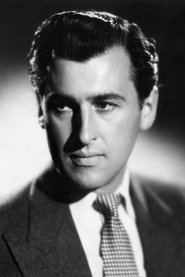 Stewart GrangerCount Philip Konigsmark
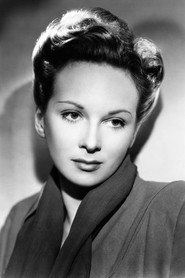 Joan GreenwoodSophie Dorothea
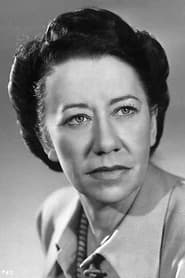 Flora RobsonCountess Clara Platen
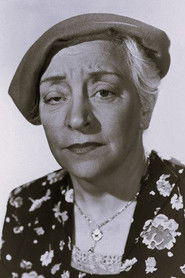 Françoise RosayThe Electress Sophia
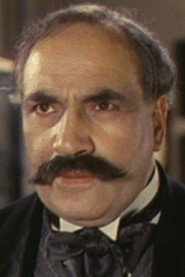 Frederick ValkThe Elector Ernest Augustus
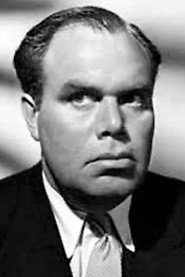 Peter BullPrince George Louis
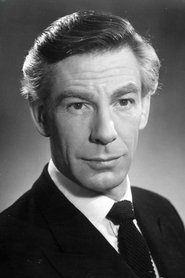 Michael GoughPrince Charles
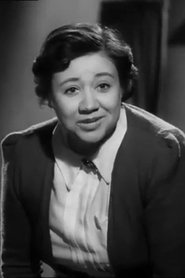 Megs JenkinsFrau Busche
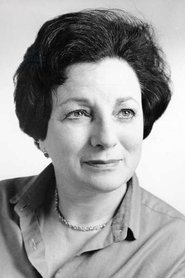 Jill BalconKnesbeck
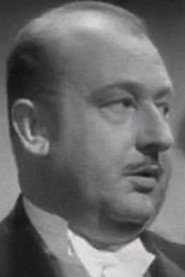 David HorneDuke George William
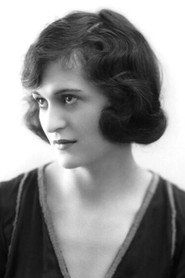 Mercia SwinburneCountess Eleanore
- Cecil TrouncerMajor Eck
Directing
- Basil DeardenDirector
Writing
- Helen SimpsonNovel
- Alexander MackendrickWriter
- John DightonWriter
Production
- Michael BalconProducer
- Michael RelphProducer