
Film
Desire
A jewel thief and an American engineer play cat-and-mouse across Europe in this 1936 romance-heist hybrid. Marlene Dietrich dazzles as the con artist, Gary Cooper as the bewildered mark. It's charming, swift, and gloriously unconcerned with plausibility—a film that treats crime as foreplay and assumes you're smart enough to enjoy the game.
If you liked this
Breakfast at Tiffany's1961
Audrey Hepburn as a woman of mystery and reinvention, romancing a man caught in her orbit. Both films know that charm and deception are sometimes the same thing, and both have perfect chemistry doing it.
But The deeper romance might feel like it overshadows the heist element if you came for the con rather than the courtship.

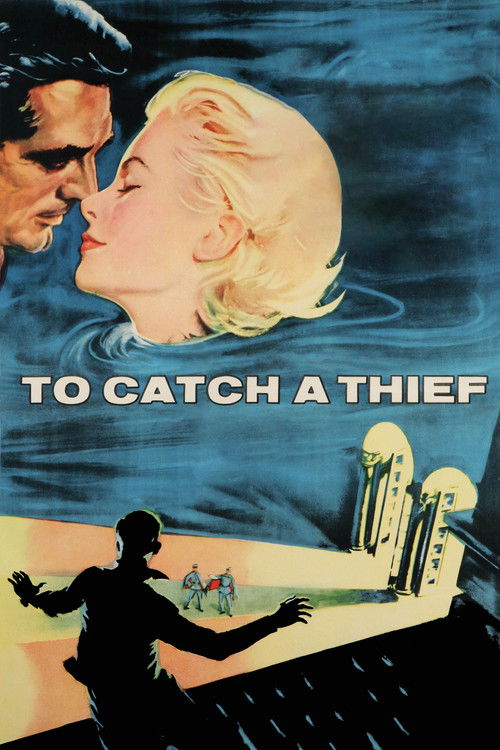
To Catch a Thief1955
Grace Kelly and Cary Grant in a similar European romp—flirtation as espionage, elegance as disguise. Hitchcock's version of the same impulse, with murder stakes and French Riviera sunlight.
But It's glossier and more suspenseful, which means less of the screwball lightness that makes *Desire* breathe.
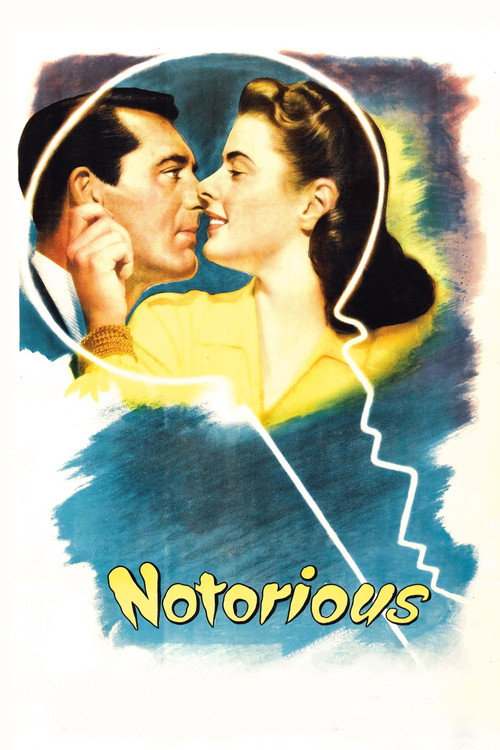
Notorious1946
Cary Grant and Ingrid Bergman in another game where love and duty clash. It has the same plot machinery—using attraction to solve a crime—but Hitchcock cranks it into genuine danger and paranoia.
But This is Desire's darker cousin, heavy with betrayal and moral compromise. Not the escape you signed up for.
Not sure tonight? Get a pick in a minute, starting from Desire
The wildcard
Something you would not have found on your own.
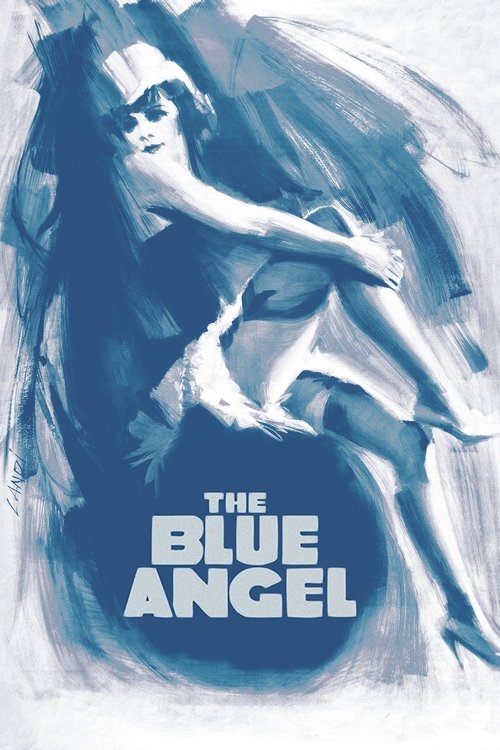
The Blue Angel1930
Same actress exploring the power of glamorous deception, but where *Desire* winks, *The Blue Angel* grimaces. It's what happens when the con wins.
Marlene Dietrich in her signature role, as a cabaret performer who destroys the respectable man who loves her. It's the inverse of *Desire*: same actress, same European decadence, but here seduction is tragedy, not play.
But It's in German with English subtitles, filmed in 1930, and it's genuinely dark. The eroticism is clinical. Dietrich here is poison, not a partner.
More like this (8)
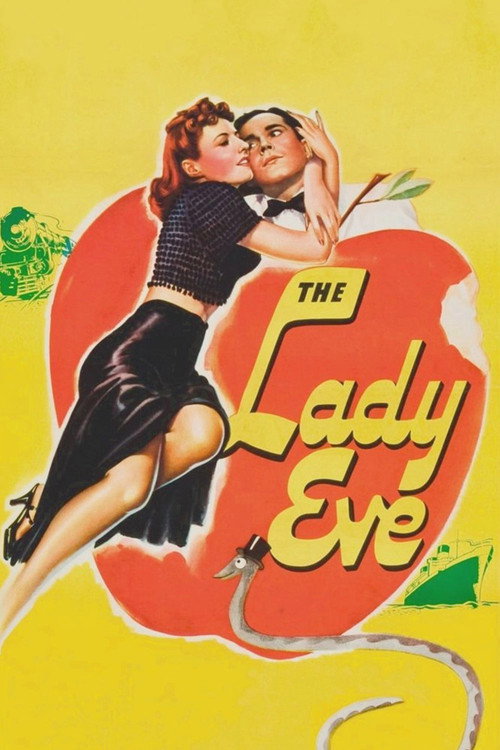
The Lady Eve1941
Barbara Stanwyck as a con artist who can't quite separate the con from the genuine thing. Preston Sturges at his most charming, all double-crosses and giddy romance.
But The screwball energy is almost exhausting if you prefer a lighter touch.
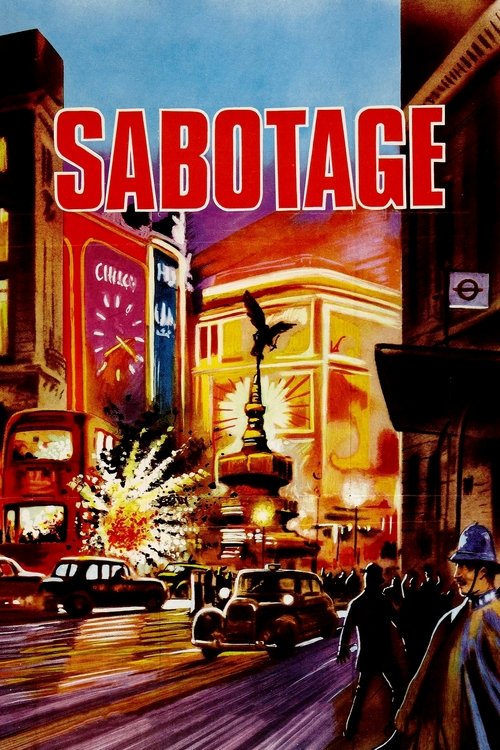
Sabotage1936
Suspicion dressed as seduction, Sylvia Sydney caught between duty and affection. Made the same year as *Desire*, it proves the era loved this particular knot.
But It's bleaker and more anxious. If you want fun, this interrogates fun rather than celebrating it.
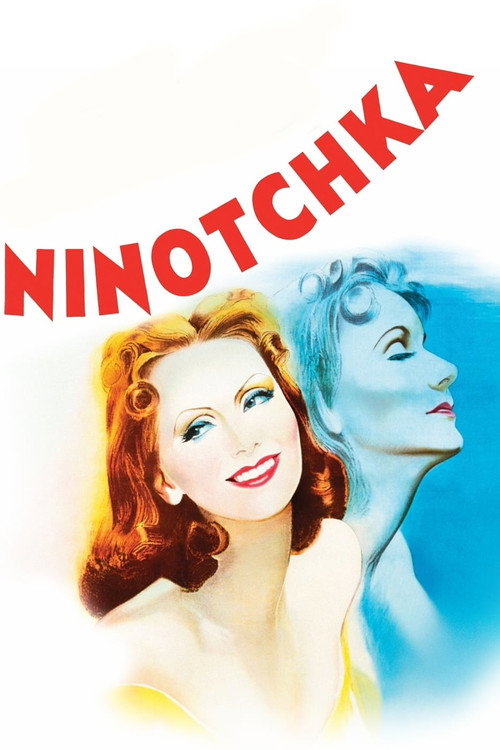
Ninotchka1939
Greta Garbo as a Soviet ideologue undone by Paris and Melvyn Douglas. Another continental romance where ideology and desire collide in hotel rooms and cafés.
But It's longer and slower, relying more on character than plot momentum.
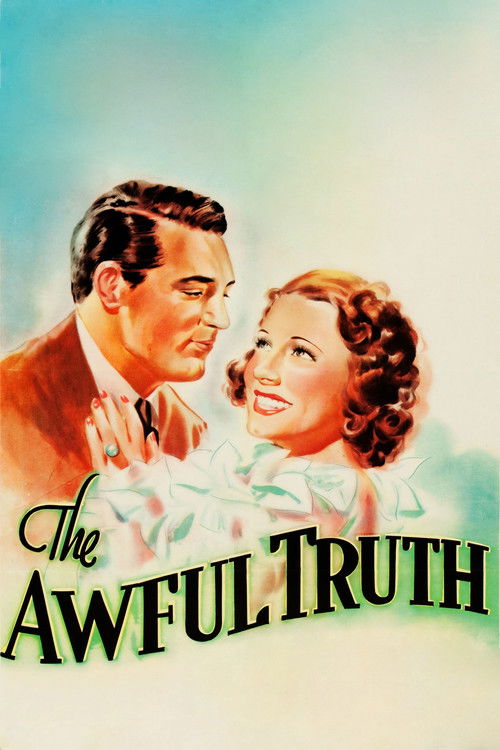
The Awful Truth1937
Cary Grant and Irene Dunne in comedic romantic warfare, each trying to outmaneuver the other. Peak screwball energy from the year after *Desire*.
But The humour lands harder than the emotion, which some find exhausting.
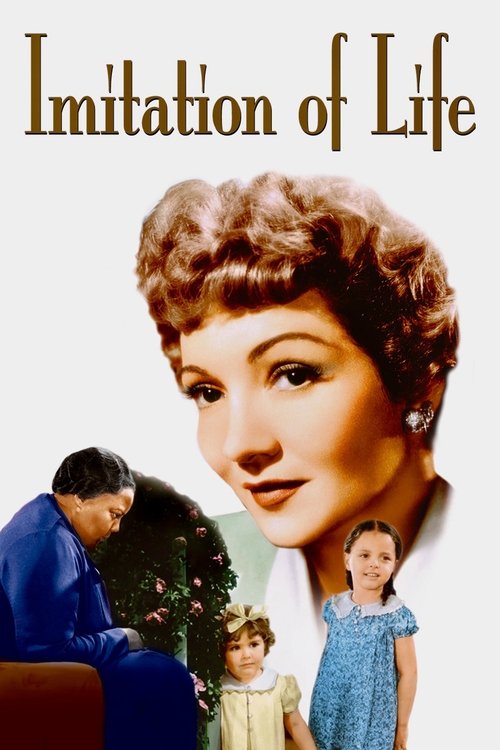
Imitation of Life1934
Claudette Colbert in a more layered take on deception and reinvention, with real consequences. Shows what happens when the con doesn't end in a kiss.
But It's far more serious and sometimes melodramatic. Not a night out, more a night in with regrets.
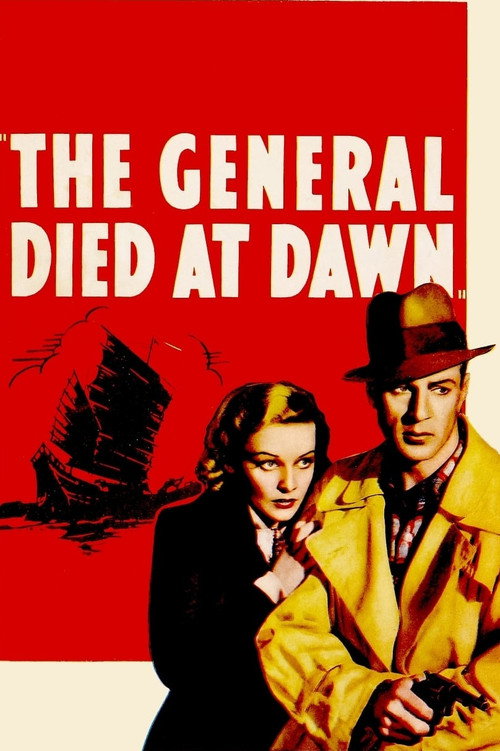
The General Died at Dawn1936
Gary Cooper again, in the same year, in another international intrigue with romantic complications. If you want more Cooper in exotic locations being charmingly out of his depth.
But It's uneven and feels dated in ways even *Desire* avoids, with pacing that lags.
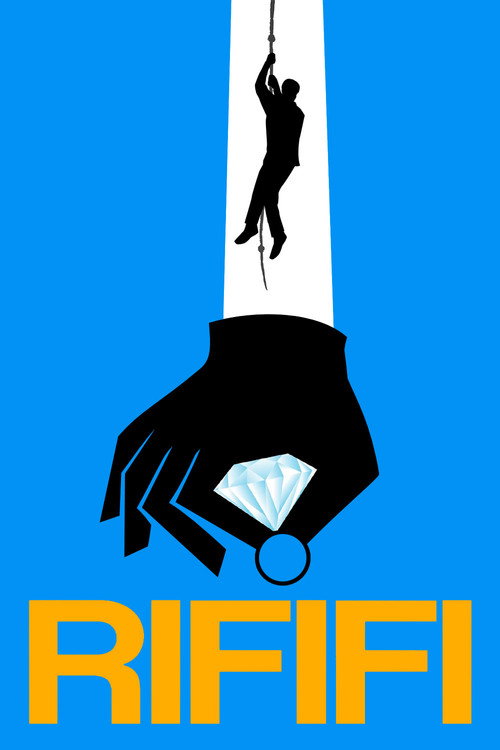
Rififi1955
Both chase a jewel through Europe, but where *Desire* uses the theft as foreplay, *Rififi* uses it as existential statement. One's romantic, one's philosophical.
A French heist film that influenced every heist film after it, with a jewel robbery at its heart and a moral code colder than anything in *Desire*. The con here is all technique and no charm.
But It's in French, austere, and the romance is incidental. You're watching for craft, not for chemistry.
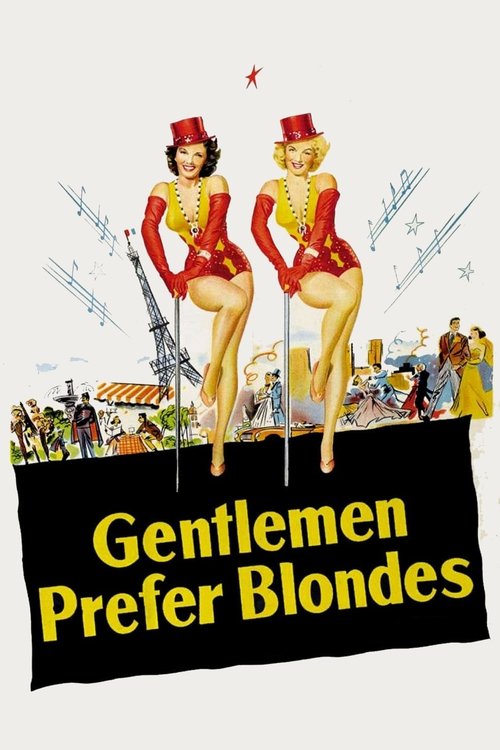
Gentlemen Prefer Blondes1953
Both films about women who seduce for profit and find something real underneath. But Monroe's Lorelei is upfront about the transaction, while Dietrich plays innocence. The same con, different honesty.
Jane Russell and Marilyn Monroe as women using sex and charm as currency, in full control of the con. It's *Desire*'s descendant, but louder, brasher, and honest about what the game really is.
But It's American, 1950s, camp-adjacent. The tone is nothing like the 1936 original—it's showbiz rather than espionage.
People
Cast
 Marlene DietrichMadeleine de Beaupré
 Gary CooperTom Bradley
 John HallidayCarlos Margoli
 William FrawleyMr. Gibson
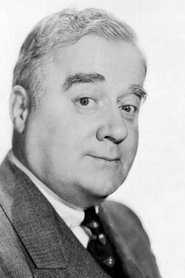 Ernest CossartAristide Duvalle
 Akim TamiroffAvilia
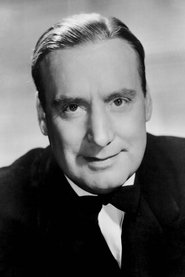 Alan MowbrayDr. Maurice Pauquet
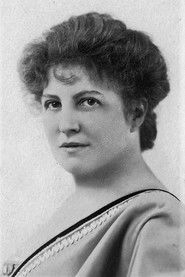 Zeffie TilburyAunt Olga
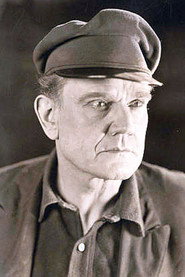 George MacQuarrieClerk With Gun
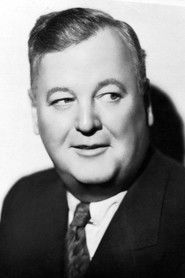 Robert Emmett O'ConnorCustoms Official
 George DavisFrench Garage Man (uncredited)
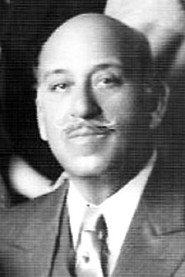 Enrique AcostaPedro, the Butler (uncredited)
Directing
- Frank BorzageDirector
Writing
- Edwin Justus MayerScreenplay
- Samuel HoffensteinScreenplay
- Waldemar YoungScreenplay
- Hans SzékelyTheatre Play
- Robert A. StemmleTheatre Play
Production
- Ernst LubitschProducer
- Frank BorzageProducer