
Film
Sabotage
Other titles called Sabotage: the 2014 film.
Hitchcock's 1936 thriller traps a woman in a nightmare of her husband's making. When she discovers he's a spy using their home as cover, her world fractures—and then shatters. Tense, intimate, and morally merciless, it's about what ordinary people do when forced into extraordinary cruelty. Essential viewing for anyone who thinks thrillers are just about plot.
Should you watch it?
Watch it if you enjoy a slow-building dread that comes from ordinary domestic routines, and you like Hitchcock's early British thrillers, where suspense is built from what characters notice and withhold.
Skip it if you want brisk, plot-driven excitement, since this is a measured build in a 1930s acting style that can feel stagey to modern eyes.
What it asks of you: Seventy-seven minutes, so it moves quickly once it gets going, but the first stretch is patient and domestic, and it rewards close attention to small gestures and silences.
Not sure? Find tonight's pick in a minute.
If you liked this
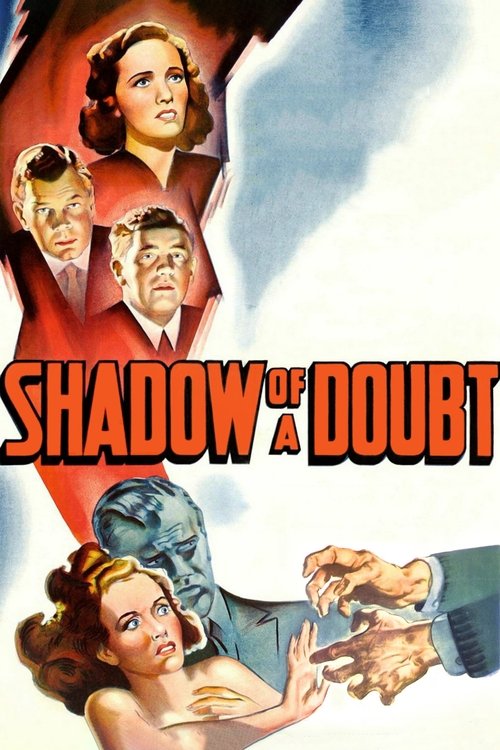
Shadow of a Doubt1943
Hitchcock at his most brilliant, examining how evil hides in small-town American normality. A young girl's beloved uncle may be a serial killer. The dread builds perfectly, and the emotional cost is real.
But The pacing occasionally drags in the middle hour, and some of the peripheral characters feel thin by modern standards.
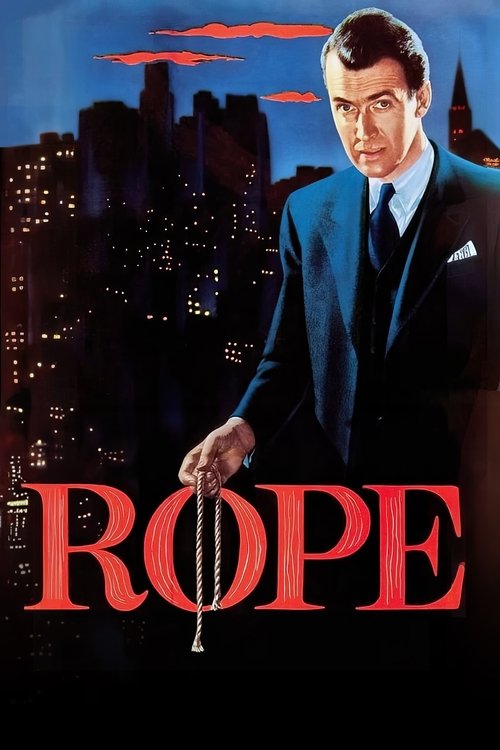
Rope1948
Two intellectuals murder a friend as a philosophical experiment, then host a dinner party above the body. Shot in real time across one apartment, it's claustrophobic, witty, and deeply unsettling about the banality of evil.
But The gimmick of the continuous take can feel mannered, and the dialogue is sometimes overloaded with period-piece artificiality.
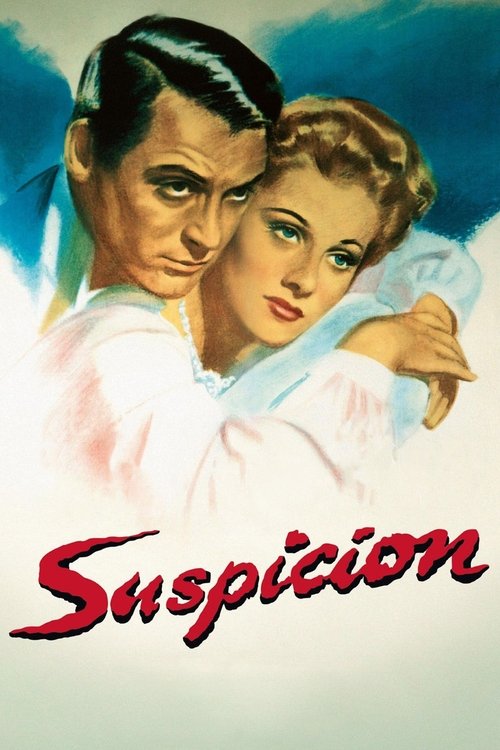
Suspicion1941
Cary Grant plays against type as a man his wife increasingly fears may be trying to kill her. The paranoia is contagious; you won't be sure what's real either. Grant's charm makes the threat credible in ways a conventional villain couldn't.
But The ending was famously compromised by the studio, and it shows—the final act pivots away from where the film was heading.
Not sure tonight? Get a pick in a minute, starting from Sabotage
The wildcard
Something you would not have found on your own.
M1931
Both films ask what ordinary people become when they're pushed into violence by circumstances or necessity. Both make us complicit in understanding the perpetrator without letting them off the hook.
Fritz Lang's masterpiece about a city hunting a child murderer. The first real police procedural, utterly modern in its method and moral complexity. When they find him, he begs for understanding—and the film takes his plea seriously without ever excusing him.
But It's German, subtitled, and made in 1931, so the pacing and visual language will feel alien. The climax is also deliberately unresolved in a way that may feel unsatisfying.

More like this (8)
The Third Man1949
A writer arrives in post-war Vienna to see his old friend, only to find him dead. The mystery spirals gorgeously through rubble and sewers, and Orson Welles haunts every frame he inhabits. Morally complex and visually perfect.
But It's a period piece with deliberate pacing; if you want straight answers quickly, you'll be frustrated by its method.

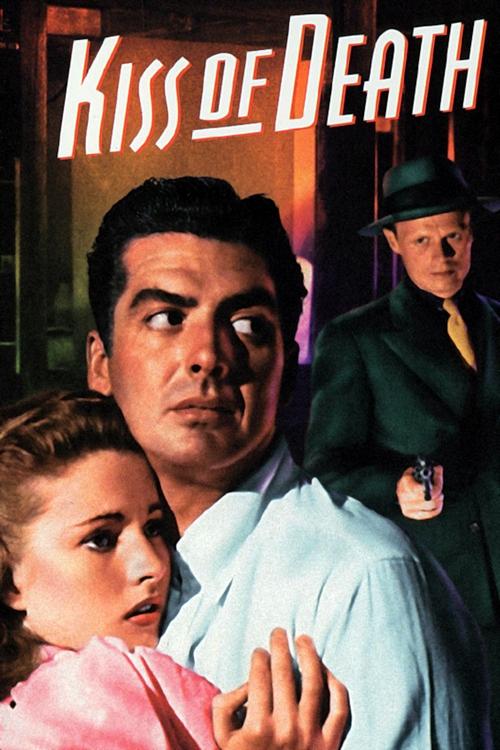
Kiss of Death1947
An ex-con trying to go straight is pulled back into crime by a sadistic psychopath. Richard Widmark's performance as the villain is terrifying and alive—he laughs like a hyena and means every second of it.
But Some of the noir plotting is convoluted, and the domestic drama subplot never quite lands with the same intensity as the crime elements.
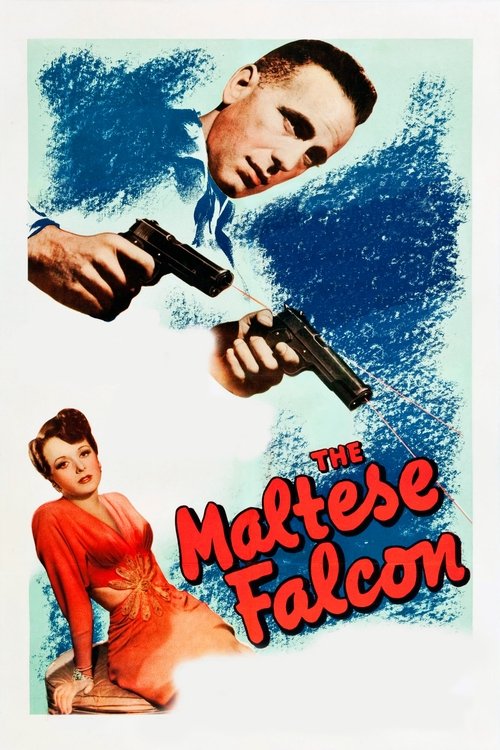
The Maltese Falcon1941
Humphrey Bogart as Sam Spade, a detective everyone wants to use and no one can quite control. The dialogue crackles, the characters are vivid, and it understands that the real thriller is watching people decide whether to trust each other.
But The gender politics are dated and uncomfortable; the female characters exist mainly to deceive or be deceived by the men.
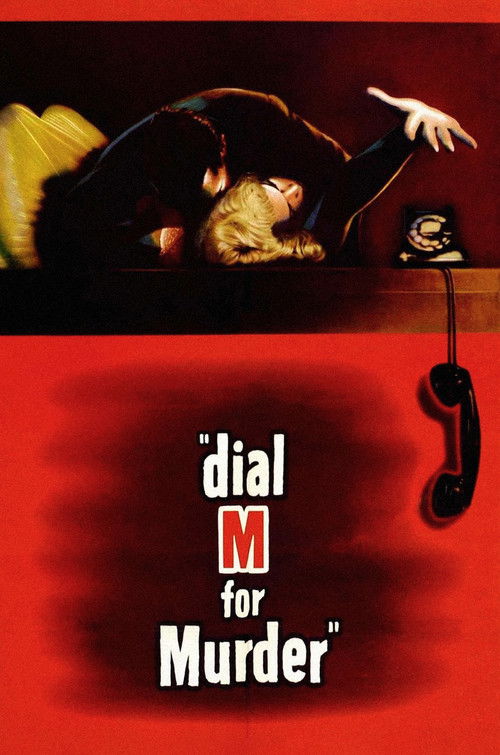
Dial M for Murder1954
A husband plans the perfect murder of his wife with meticulous precision. Hitchcock does most of this in one room, and the cat-and-mouse between the characters is as tense as it gets. A masterclass in constructed suspense.
But The 3D gimmick Hitchcock shot it for adds nothing now, and some may find a single-room setting claustrophobic rather than clever.
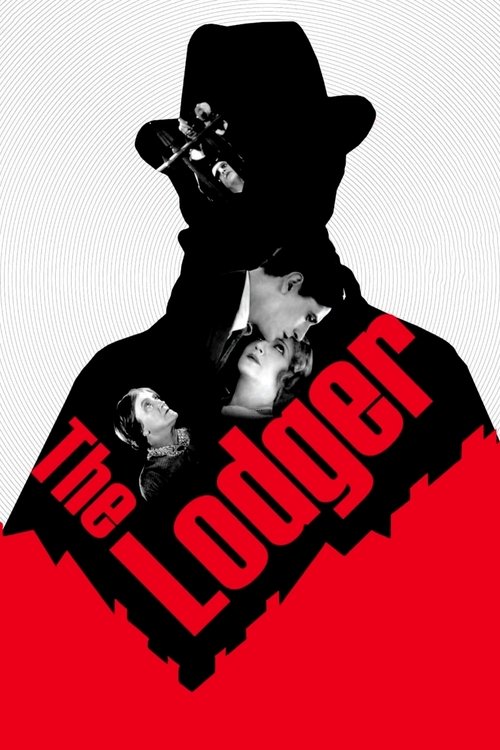
The Lodger: A Story of the London Fog1927
Hitchcock's first thriller, about a mysterious tenant suspected of being a serial killer. Silent, visually inventive, and genuinely eerie. It has the DNA of everything he'd perfect later, right here in 1927.
But Silent film means you're reading intertitles and relying on performance and image. If you're not accustomed to that pace, it will feel slow.
In a Lonely Place1950
Humphrey Bogart plays a violent, volatile screenwriter suspected of murder. It's a character study disguised as a thriller, examining how suspicion and rage can poison love. Dark and psychologically acute.
But The film privileges mood over plot momentum; if you want clear answers and action beats, you'll find it frustratingly introspective.

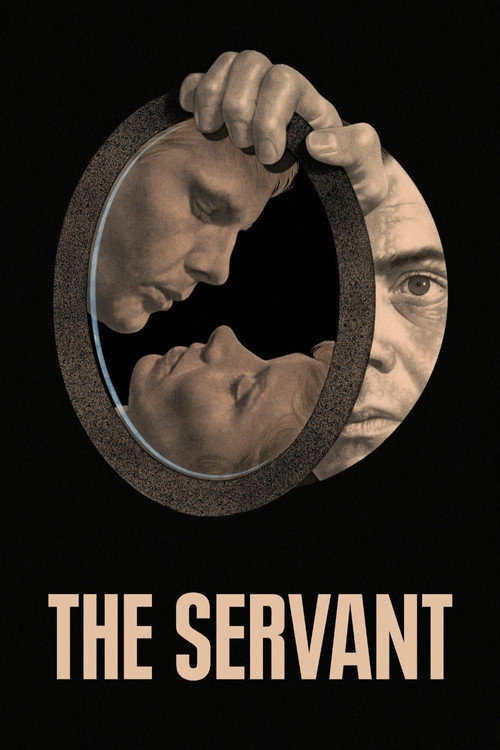
The Servant1963
Like Sabotage, it's trapped in domestic space with two people locked in a relationship where one holds terrible knowledge over the other. Both are about how a home becomes a prison.
Joseph Losey's film about a master and his servant where the power dynamics slowly, poisonously reverse. Filmed in black and white, confined mostly to a London townhouse, it's about class, manipulation, and how intimacy becomes entrapment. Hypnotic and suffocating.
But It's a slow-burn psychological study with almost no plot incident. The eroticism is ambiguous and unsettling; it won't give you catharsis or clarity.
Ikiru1952
Both films are about the guilt that comes from knowing you've failed someone you should have protected. Both ask whether following orders absolves you of responsibility.
Kurosawa's film about a dying bureaucrat searching for meaning in a life spent obeying rules and hurting no one. It's a profound meditation on duty, wasted time, and what we owe each other. Devastating and strangely beautiful.
But It's slow, Japanese, and deeply sad. There are no villains here, only the grinding weight of how people harm each other through passivity and obedience. It won't entertain you.

People
Cast
 Sylvia SidneyMrs. Verloc
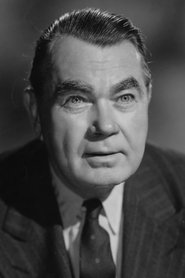 Oskar HomolkaKarl Verloc - Her Husband
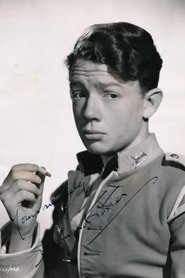 Desmond TesterStevie - Her Young Brother
 John LoderTed
 Joyce BarbourRenee
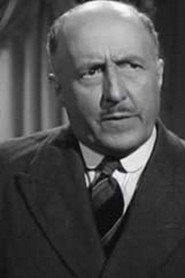 Matthew BoultonSuperintendent Talbot
 S. J. WarmingtonHollingshead
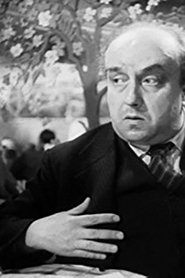 William DewhurstThe Professor
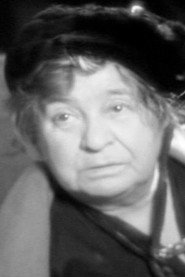 Clare GreetMrs. Jones (uncredited)
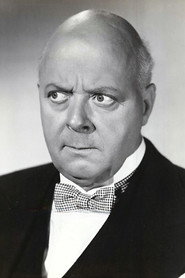 Aubrey MatherGreengrocer (uncredited)
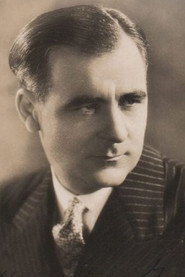 Austin TrevorMonocle Man (uncredited)
 Charles HawtreyStudious Youngster (uncredited)
Directing
- Pen TennysonAssistant Director
- Alma RevilleContinuity
- Alfred HitchcockDirector
Writing
- Helen SimpsonDialogue
- Ian HayDialogue
- Joseph ConradNovel
- Charles BennettScreenplay
Production
- Ivor MontaguAssociate Producer
- Michael BalconProducer
Recommended by
Christmas in Connecticut, Champagne, Contraband, Q Planes, The Thirty Nine Steps, Northern Pursuit, Sing As We Go, Desire, Swing High, Swing Low