
Film
Champagne
A 1928 silent comedy about a wilful heiress who abandons wealth and family to chase love across the Channel. Champagne moves with Hitchcock's trademark wit and visual invention, blending slapstick with genuine feeling. It's a film for anyone curious about silent cinema's range, or who wants to see a flighty character actually *matter* before the camera.
If you liked this
Singin' in the Rain1952
Pure joy about performance and reinvention, with dancing that rewires your brain. Gene Kelly and Donald O'Connor move with the same physical wit Hitchcock brought to silent comedy.
But It's so beloved it feels safe, and the first half's studio politics drag before the magic kicks in.

Breakfast at Tiffany's1961
Audrey Hepburn as a woman living on her wits and charm, refusing to settle into anyone else's idea of who she should be. It has Champagne's lightness with genuine stakes underneath.
But The yellowface subplot is indefensible, and Hepburn's Holly can feel more performed than real.

It Happened One Night1934
A runaway heiress and a reporter, sparring and falling in love across Depression America. Fast, smart dialogue replaces silent title cards, but the rhythm and comic invention are descended directly from Champagne.
But Claudette Colbert and Clark Gable's chemistry can feel more like urbane banter than genuine connection.

Not sure tonight? Get a pick in a minute, starting from Champagne
The wildcard
Something you would not have found on your own.
The Lodger: A Story of the London Fog1927
Both are early Hitchcock experiments in visual storytelling without dialogue, using the camera itself to tell you what characters feel. The same restless formal invention, completely different genres.
Hitchcock's first thriller, made the year before Champagne. No plot, just mood: a young woman rents her room to a mysterious man in foggy London. It shows you where all his later nightmares came from.
But It's almost pure atmosphere with minimal story—if you need plot momentum, it will feel like watching paint dry in a haunted house.

More like this (7)
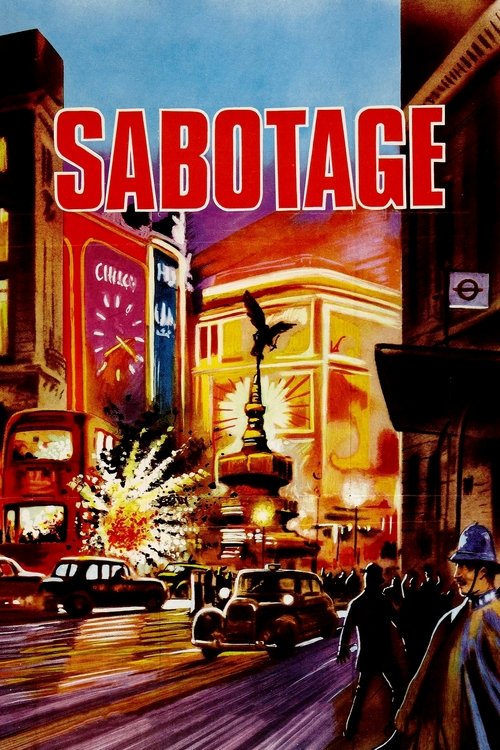
Sabotage1936
Hitchcock's darkest London thriller, where a woman discovers her husband is a terrorist. Shows how quickly he could shift from Champagne's sparkle to genuine menace, same director, totally different register.
But It ends in tragedy so brutal that some viewers feel betrayed by the tonal whipsaw.
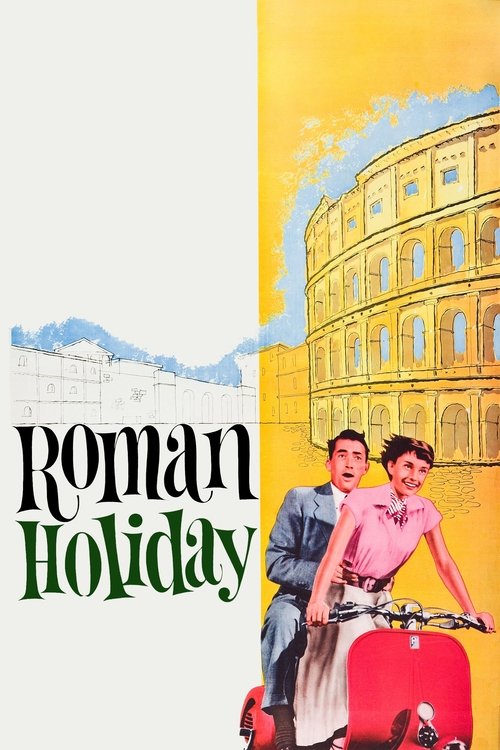
Roman Holiday1953
A princess escapes her duties to see Rome as herself, not as a crown. Audrey Hepburn again, but this time the escape fantasy collides with real consequences and real love.
But The ending is heartbreaking in a way that undercuts some people's desire for a feel-good romp.
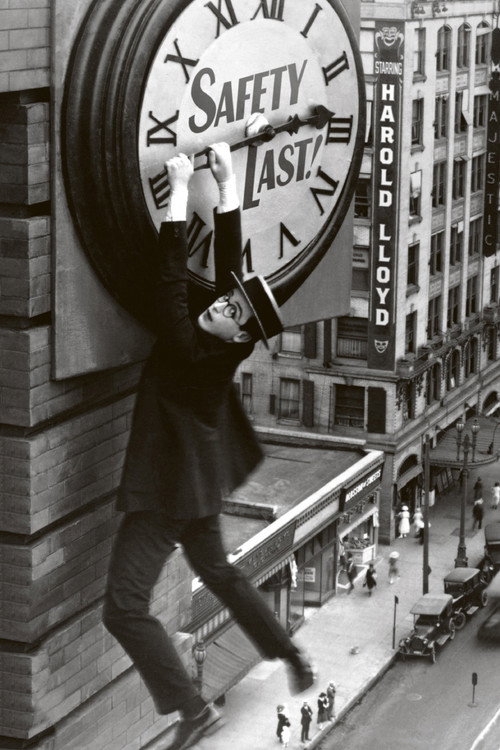
Safety Last!1923
Harold Lloyd climbing a skyscraper for love and work. The gags are mechanical poetry, and the emotional stakes are as real as anything in Champagne—you genuinely fear for him.
But Silent comedy without dialogue demands patience, and some viewers find the pace glacial compared to talkies.
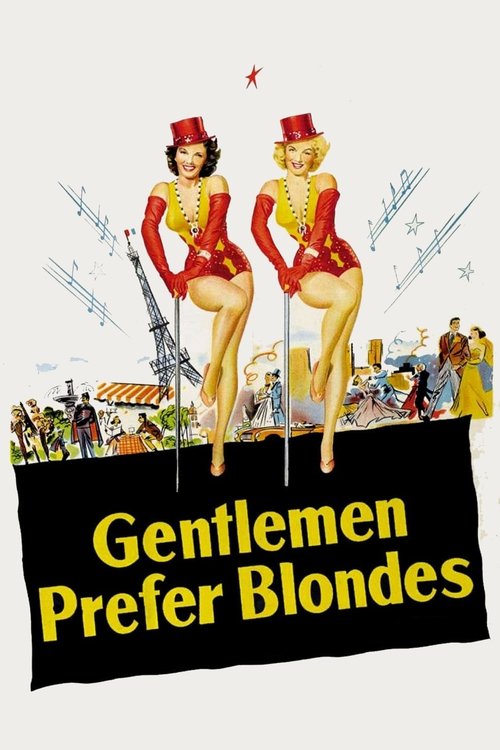
Gentlemen Prefer Blondes1953
Marilyn Monroe as a woman who knows exactly what she's doing and delights in it. Gold-digging played as intelligence rather than desperation. Fun, sharp, and actually feminist in 1953.
But Monroe's singing and dancing can feel thin if you're expecting dramatic depth.
The Philadelphia Story1940
Cary Grant, James Stewart, and Katharine Hepburn around a wedding weekend. Hepburn's character is a woman trapped by her own perfection, fighting her way back to messy humanity—Champagne's heir, grown up.
But It's so perfectly constructed that some find it airless, all craft and no oxygen.

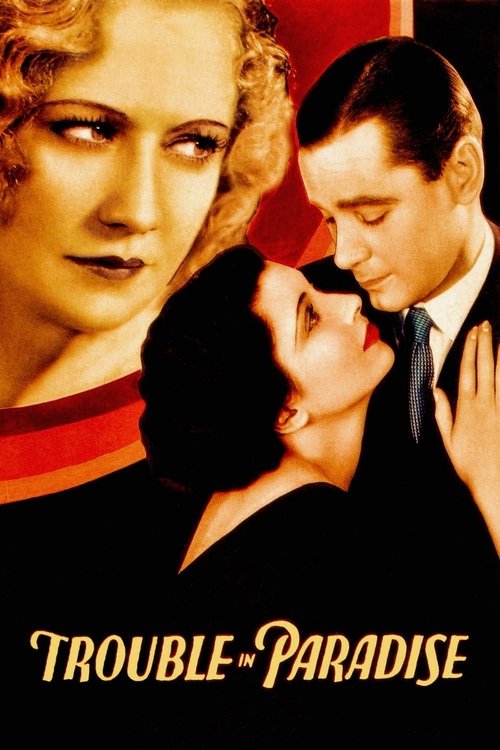
Trouble in Paradise1932
Lubitsch on form: two con artists falling in love while robbing a widow. Sophisticated, knowing, moving at a clip that makes you gasp. The closest talking picture to Champagne's spirit.
But The pre-Code morality (criminals rewarded, marriage optional) troubles some viewers, and the print quality can be rough.
The Phantom Carriage1921
Both are silent films where a woman's love and will move a man toward redemption, but Champagne treats it as bright comedy while Phantom Carriage treats it as tragic salvation. Same dynamic, inverted tone—shows how form shapes meaning.
A Salvation Army woman and a dying drunk on New Year's Eve in Stockholm. It's a ghost story, a love story, and a social sermon told through visual poetry so strange and beautiful it feels like a fever dream.
But It's slow, it's bleak, and it's asking you to care about people at their most broken. Also Swedish, also silent, also demands you sit with discomfort.

People
Cast
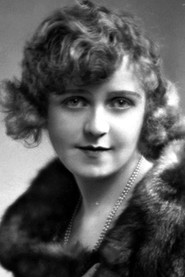 Betty BalfourBetty
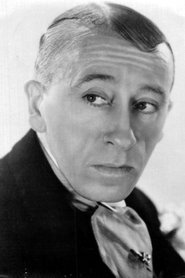 Gordon HarkerMark
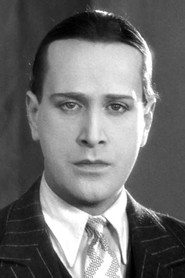 Jean BradinThe Boy
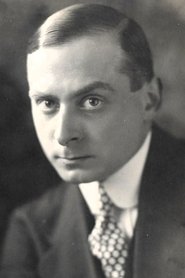 Ferdinand von AltenThe Man
- Fanny Wright(uncredited)
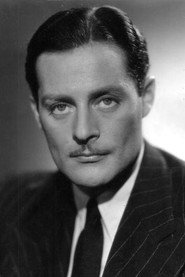 Alexander D'Arcy(uncredited)
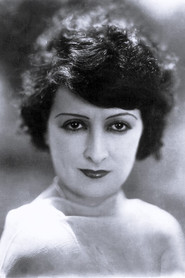 Vivian Gibson(uncredited)
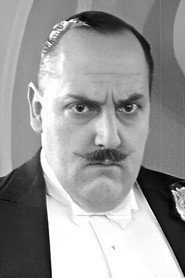 Clifford HeatherleyMaitre d' (uncredited)
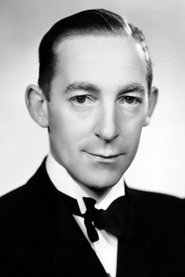 Claude HulbertClub Guest (uncredited)
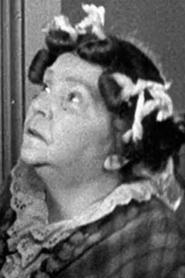 Hannah JonesClub Employee (uncredited)
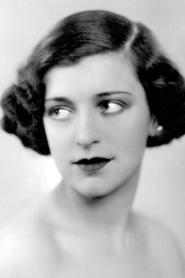 Phyllis Konstam(uncredited)
- Gwen Mannering(uncredited)
Directing
- Frank MillsAssistant Director
- Alfred HitchcockDirector
Writing
- Walter C. MycroftNovel
- Eliot StannardScenario Writer
- Alfred HitchcockWriter
Production
- John MaxwellProducer