
Film
Q Planes
A 1939 British spy thriller with Laurence Olivier and Ralph Richardson as mismatched partners investigating vanishing test aircraft. It's clever and playful—more charming than tense—with the ease of actors enjoying themselves. For anyone who loves pre-war espionage that doesn't take itself too seriously, and likes their mysteries served with dry wit.
Should you watch it?
Watch it if you enjoy brisk, old-fashioned mysteries where a mismatched trio of sleuths chases a puzzle with more gadgetry than gore, and you like period crackle from the late 1930s.
Skip it if you need modern pacing or hard-edged realism, since this creaky, talkative 1939 thriller moves at an unhurried clip and its characters often feel like comic types rather than people.
What it asks of you: Eighty-two minutes, mostly in talky rooms and plotting meetings, with a lively tone that keeps it light even when the stakes tighten; attention is steady rather than demanding.
Not sure? Find tonight's pick in a minute.
If you liked this
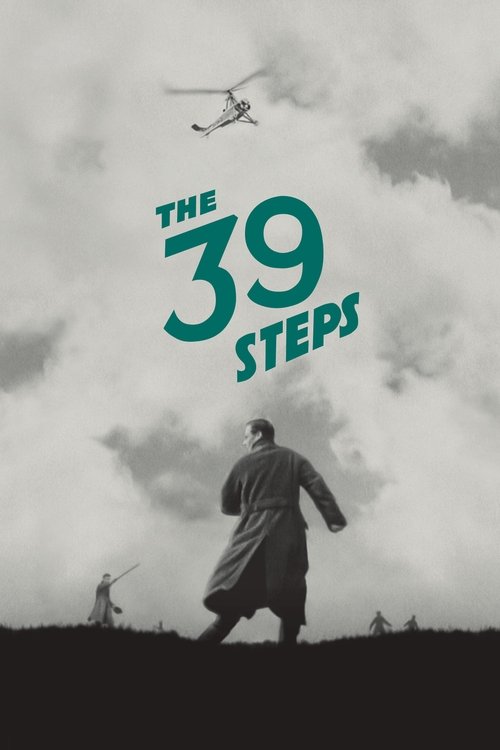
The 39 Steps1935
Hitchcock's perfectly paced spy chase, where an ordinary man is dragged into intrigue. Fast, witty, and genuinely gripping—the template for every innocent-man-on-the-run thriller that followed.
But The artifice shows its age. Some logic gaps gape wider now, and the tone shift in the final act can feel jarring.
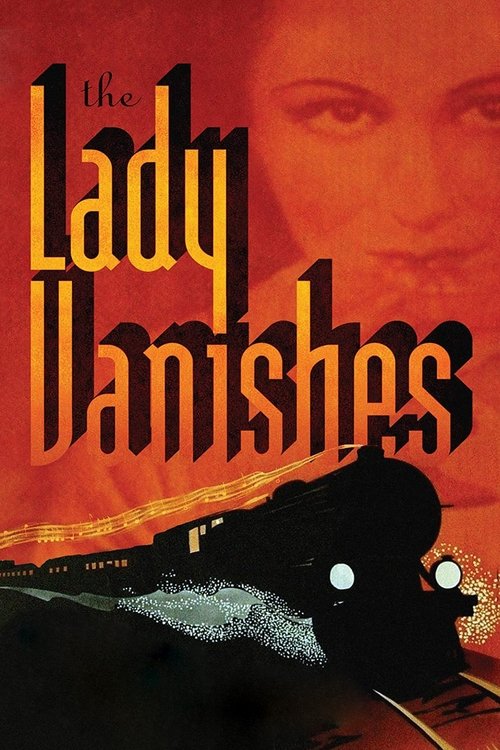
The Lady Vanishes1938
Another Hitchcock masterpiece where a woman vanishes from a train and no one believes the witness. Mystery, romance, and comedy mesh perfectly, with real warmth beneath the suspense.
But The pacing slows in the middle third, and some of the comic relief hasn't aged as gracefully as the plot mechanics.
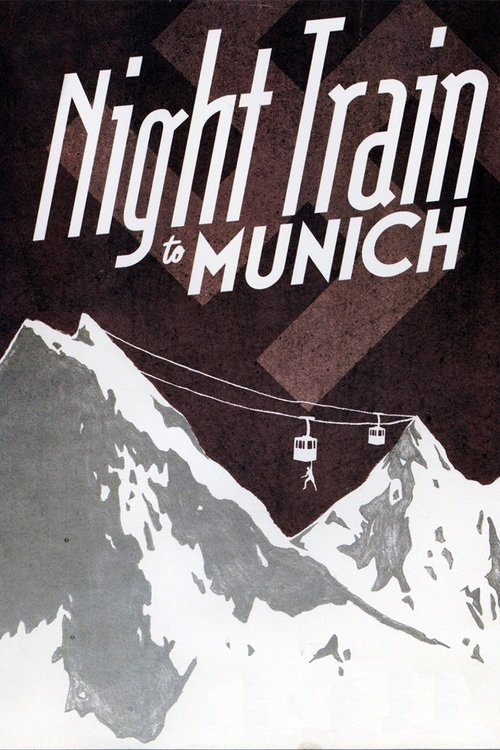
Night Train to Munich1940
A wartime cousin to The Lady Vanishes with the same ensemble charm. Spies, trains, Nazis, and actual laughs—it moves like a breeze and never outstays its welcome.
But It's essentially comfort-food espionage. If you need moral complexity or darkness, you won't find it here.
Not sure tonight? Get a pick in a minute, starting from Q Planes
The wildcard
Something you would not have found on your own.
Rope1948
Both pit witty, articulate men against each other within a contained puzzle. Both value performance and dialogue over action; both suggest espionage and crime as intellectual sport rather than violence.
Hitchcock's strangest experiment: a 'real-time' murder mystery filmed in one apartment with hidden cuts. Two men kill their friend and host a dinner party. It's claustrophobic, perverse, and formally brilliant—thriller as intellectual game.
But The gimmick can feel static. It's more interested in ideas than suspense, and the homophobic subtext (though darkly interesting) sits uneasily now.

More like this (8)
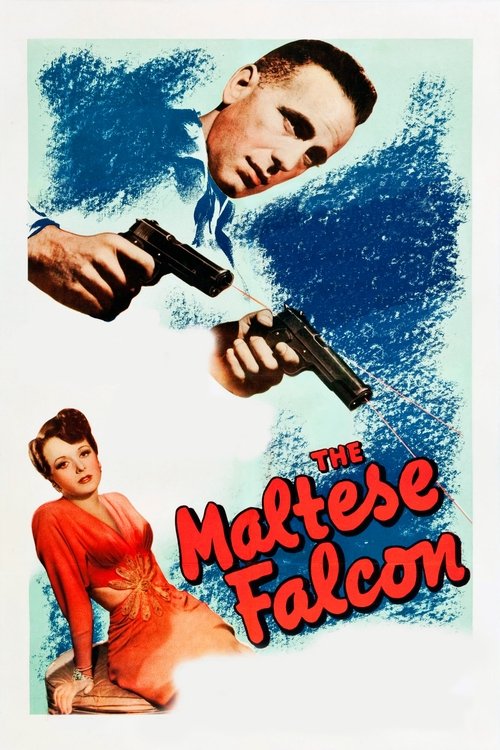
The Maltese Falcon1941
Bogart's Spade unravels a mystery involving crooks, secrets, and double-crosses. Sharp dialogue, genuine intrigue, and a detective who's smarter than everyone else but not invulnerable.
But The plot's harder to follow than you'd expect on a first watch. Some of the supporting characters feel broad.
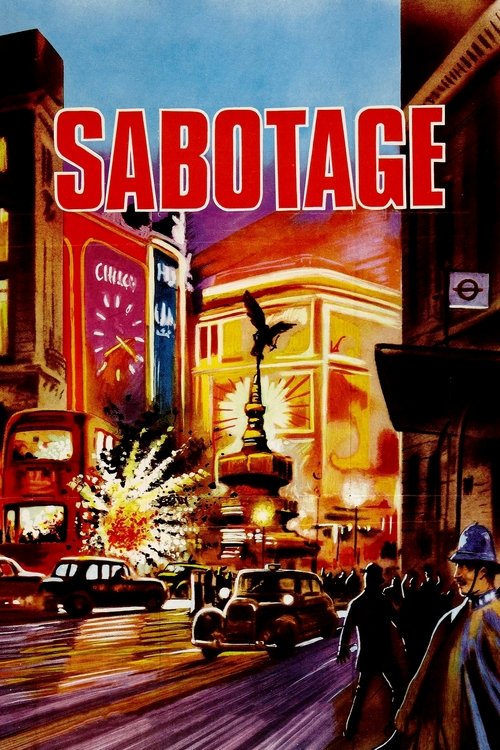
Sabotage1936
Hitchcock's darkest spy film. A woman suspects her husband of terrorism; the tension is unbearable and the ending unflinching. It's about surveillance, suspicion, and how easily trust cracks.
But It's genuinely upsetting in ways his lighter films aren't. There's a scene involving a child that still provokes real discomfort.
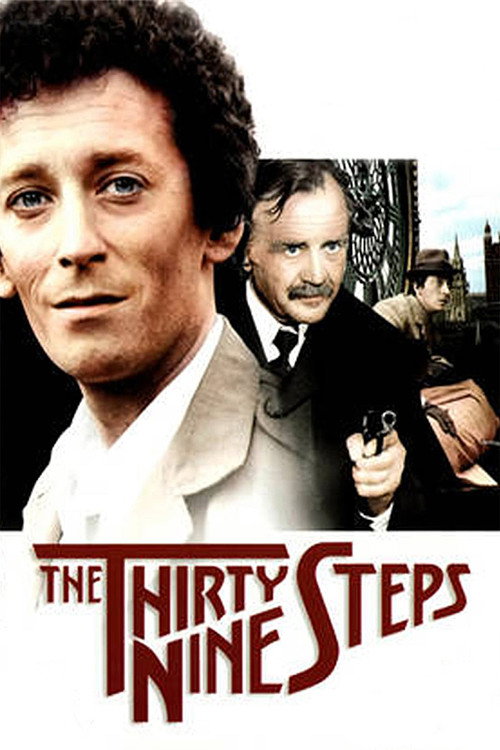
The Thirty Nine Steps1978
A joyful, theatrical adaptation that leans into the absurdity and charm of Buchan's novel. Spy fiction as performance, with energy and inventiveness that recalls stage farce.
But The theatricality is deliberate and might feel arch if you're after serious espionage. And it's considerably less known, so less immediate.
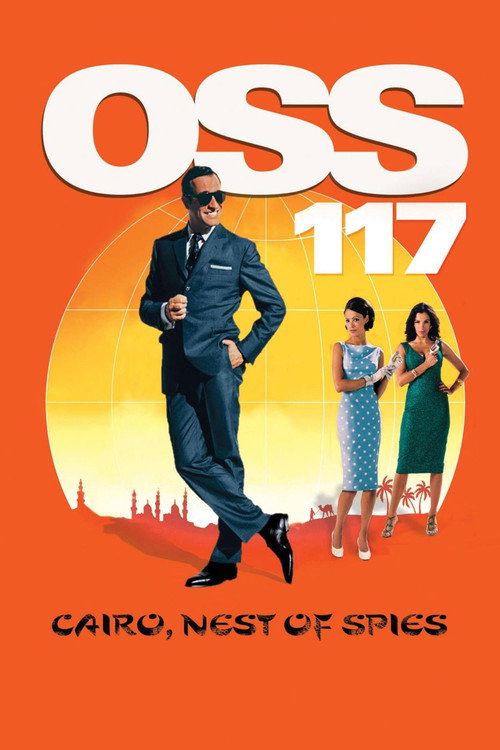
OSS 117: Cairo, Nest of Spies2006
A French pastiche of 1960s spy films that's both a love letter and a savage parody. It's handsome, absurd, and funnier the more you know about the genre it's mocking.
But The humour is referential and demands you know what it's riffing on. The lead character is a buffoon; that's the point, but it's not for everyone.
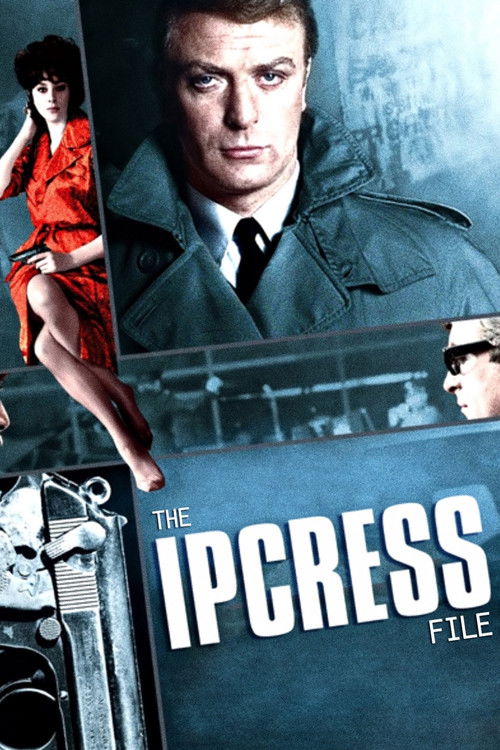
The Ipcress File1965
Michael Caine's debut as Harry Palmer: unglamorous, clever spy fiction with real procedural weight. It's how espionage actually feels—bureaucratic, methodical, tinged with class resentment.
But It's slow by modern standards and the technical detail bogs the momentum. Caine's deadpan charm needs patience to appreciate.
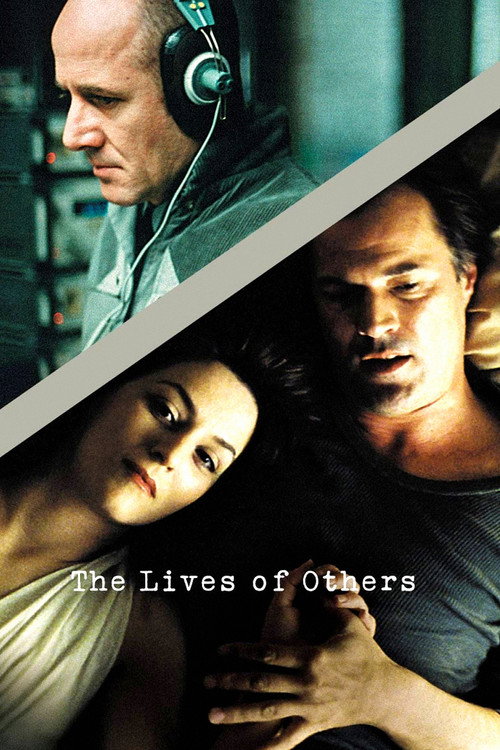
The Lives of Others2006
A Stasi surveillance officer eavesdrops on a playwright and begins questioning his loyalty. Morally complex, beautifully shot, and genuinely moving—espionage as a window into conscience.
But It's heavy and serious, with long stretches of quiet. If you want plot momentum, this will feel glacial. It's also deeply German in its emotional register.
Rififi1955
Both feature teams of specialists working under pressure to outwit authorities. Both treat crime and espionage as puzzles to solve, where intelligence matters more than violence. Both are about the work itself.
A French heist film where a jewel theft unfolds in a nearly silent, 30-minute sequence. Stylish, tense, and entirely unsentimental—the criminals are professionals, the stakes real, the outcome uncertain.
But It's in French, it's morally cold, and the middle sagas. If you need likeable characters or happy endings, this offers neither.

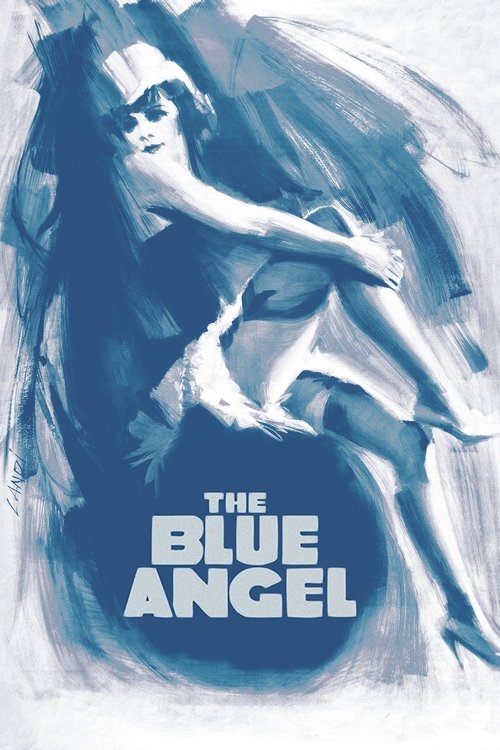
The Blue Angel1930
A completely different register (tragedy instead of comedy), but both are fascinated by performance, deception, and surfaces. Both feature suave men undone by charm and manipulation. Both ask: what's real beneath the act?
A German professor's obsession with a cabaret singer destroys him. Marlene Dietrich is magnetic and cruel; Emil Jannings is heartbreaking. It's decadent, sexually frank, and filmed with Weimar-era darkness that few English films attempted.
But It's profoundly bleak—there's no rescue, no clever solution, only slow humiliation. The sexual politics are complex in ways that might alienate modern viewers. And it's in German.
People
Cast
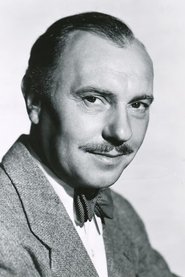 Ralph RichardsonMaj. Charles Hammond
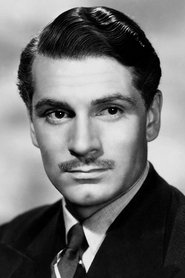 Laurence OlivierTony McVane
 Valerie HobsonKay Lawrence
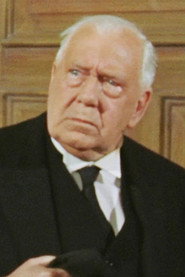 George MerrittMr. Barrett
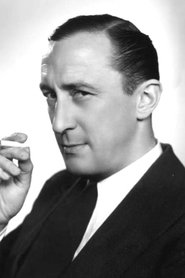 George CurzonJenkins
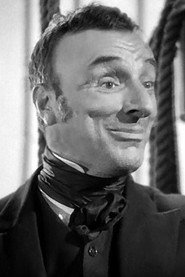 Roy EmertonViking First Mate
- Frank FoxKarl
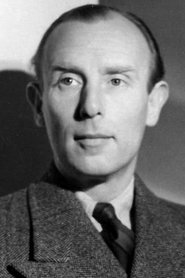 Gus McNaughtonBlenkinsop, Hammond's Butler
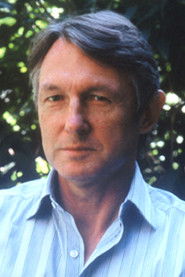 George ButlerAir Marshal Gosport
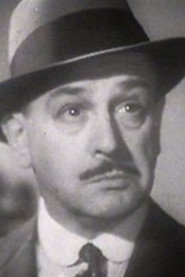 Gordon McLeodThe Baron
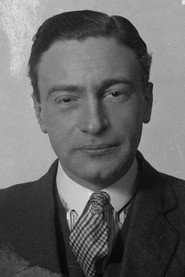 Hay PetrieStage Door Keeper
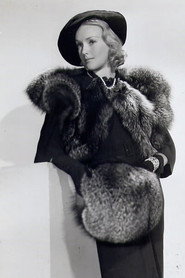 Sandra StormeDaphne
Directing
- Arthur B. WoodsDirector
- Tim WhelanDirector
Writing
- Arthur WimperisStory
- Brock WilliamsStory
- Jack WhittinghamStory
- Ian DalrympleWriter
Production
- Alexander KordaExecutive Producer
- Irving AsherProducer