
Film
The Thirty Nine Steps
A wrongly accused man flees across 1914 Britain with enemies on both sides: the police who believe he's a murderer, and the German spies who actually are. Robert Powell gives this Hitchcockian thriller a taut, intelligent energy. It's classic espionage tradecraft—safe houses, false identities, narrow escapes—played with genuine stakes and wit. Perfect if you want suspense that trusts your brain.
If you liked this
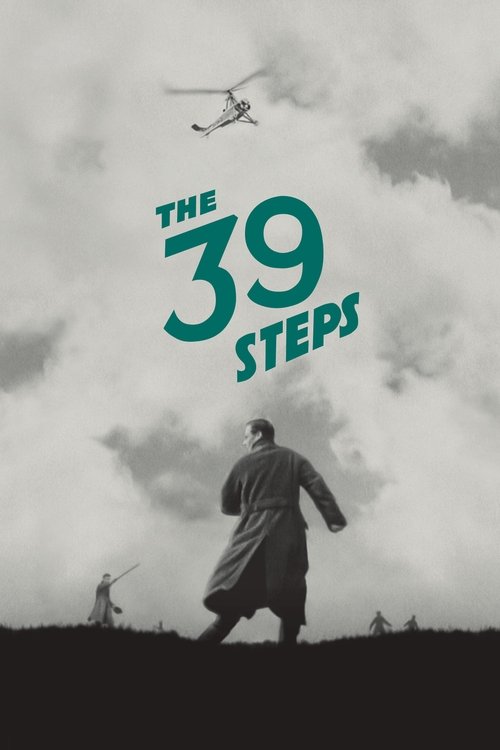
The 39 Steps1935
Hitchcock's original—leaner, icier, more purely suspenseful. The plot spirals tighter, the wrongful accusation cuts deeper. It's the blueprint, and it still crackles with invention and dark humour.
But Black and white, pre-war pacing. Some will find it too austere compared to later thrillers, and the plot's absurdities feel deliberate rather than hidden.
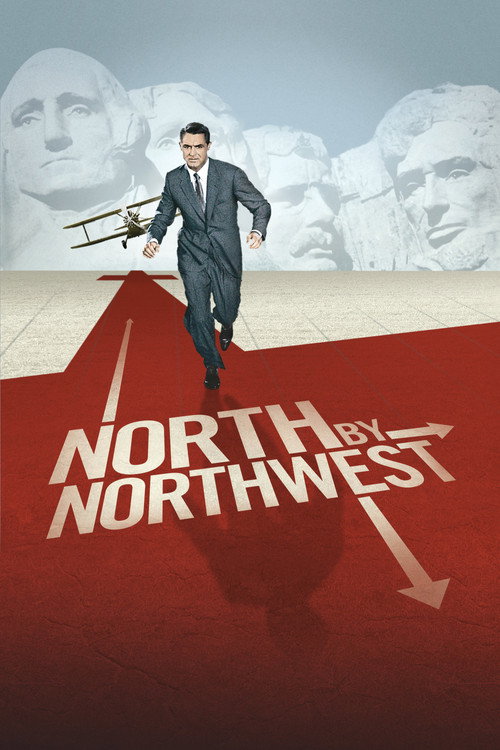
North by Northwest1959
Hitchcock again, but in colour, with Cary Grant. A man caught in espionage he didn't start, pursued across America by killers and police alike. The same engine, scaled up for Technicolor, with more romance and even stranger set-pieces.
But Longer and glossier than *The Thirty Nine Steps*. Some find Grant's charm undermines the peril. It's a bigger film, which isn't always better.
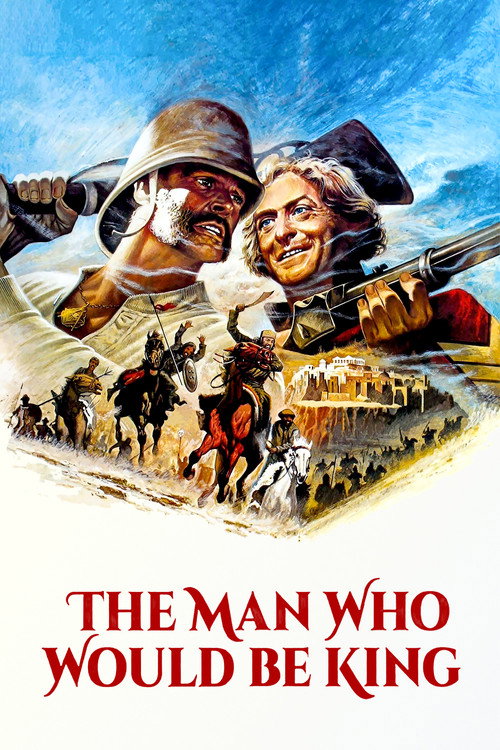
The Man Who Would Be King1975
Two men fleeing colonial India, trusting each other against the world. Connery and Redford together, Huston directing. Adventure, empire, greed, loyalty—told with humour and scale. Sweeping where *Steps* is claustrophobic, but the same paranoia at its heart.
But It's a period piece with a different tone entirely—more roguish, less taut. If you want non-stop pursuit, this takes more scenic detours.
Not sure tonight? Get a pick in a minute, starting from The Thirty Nine Steps
The wildcard
Something you would not have found on your own.
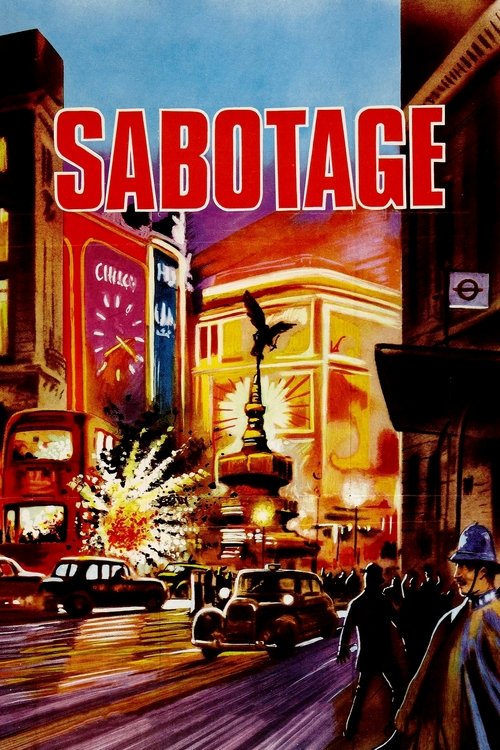
Sabotage1936
Both are Hitchcock-adjacent wrongful-accusation thrillers, but *Sabotage* replaces the reassuring premise that the innocent can prove themselves with the nightmare that they cannot.
Hitchcock's bleaker, uglier cousin to *The Thirty Nine Steps*—a man suspected of terrorism while desperately trying to prove otherwise. But here, the moral ground is actually poisoned; no one is innocent. Same structure, inverted morality. Savage and brilliant.
But Much darker than *Steps*, with genuine tragedy baked in. Hitchcock at his most pessimistic. If you want a satisfying escape, this doesn't offer one.
More like this (7)
Rififi1955
A heist gone wrong spirals into betrayal and paranoia across Paris. Stark, stylish, with almost no dialogue in places. The same wrongful-accusation engine, but focused on criminals rather than innocents. It influenced everything.
But French, subtitled, made nearly 25 years before *Steps*. The pacing is older—meditative where *Steps* is urgent. Not a thriller in the modern sense.

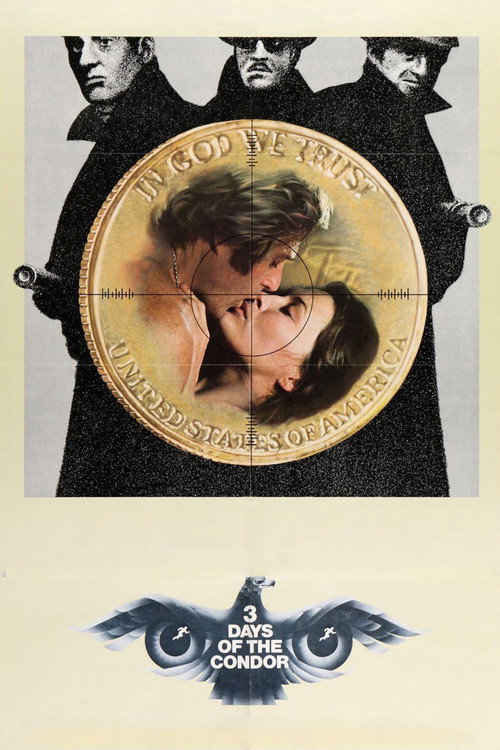
Three Days of the Condor1975
Robert Redford's analyst stumbles onto real conspiracy and runs for his life. CIA paranoia at the height of Watergate. Smart, stylish, with an ending that refuses easy answers. The wrongful-accusation premise with Cold War teeth.
But Talky in places. The CIA machinery matters as much as the chase. If you want pure propulsion without political texture, it lingers.
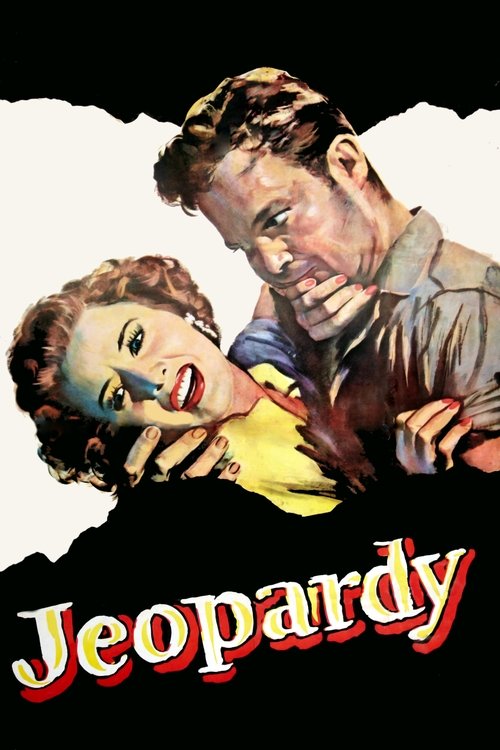
Jeopardy1953
A man blamed for his best friend's death, hiding in Mexico, hunted by both police and murderers. Taut B-picture that understands that innocent people are the most desperate ones. Unshowy but beautifully constructed.
But Made in 1953 on a modest budget. It's lean to the point of feeling slight. Doesn't have the prestige or resources of *Steps*.
Masala1991
An Indian-Canadian thriller about identity, immigration, and mistaken suspicion. Not a chase film, but it catches the same feeling: being trapped in a story you didn't write, where your face is your enemy. Funny and unsettling.
But Oblique, genre-bending, more interested in atmosphere than plot momentum. If you want clarity and forward motion, this resists both.
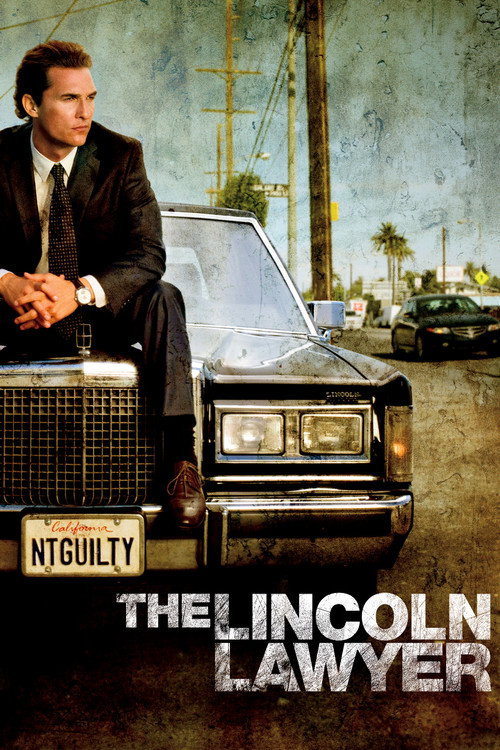
The Lincoln Lawyer2011
Tom Selleck—yes, really—wrongly convicted of armed robbery. He escapes and must survive on the run while proving his innocence. B-movie DNA, but it understands the rage of being blamed for something you didn't do.
But Straight-to-cable feel. It's sincere where *Steps* is clever. The action is functional, not stylish. Made for TV audiences of 1989.
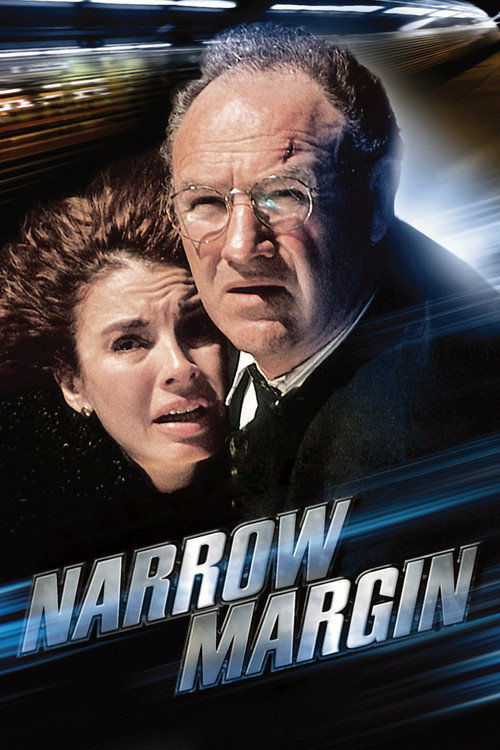
Narrow Margin1990
Gene Hackman and Anne Archer on a train, hunted by killers, unsure who they can trust. Claustrophobic, clever, with real chemistry. It breathes the same air as *Steps*—confined spaces, escalating stakes, betrayal lurking everywhere.
But By-the-numbers 90s thriller. Depends heavily on the charisma of its two leads. If they don't grip you, neither does the film.
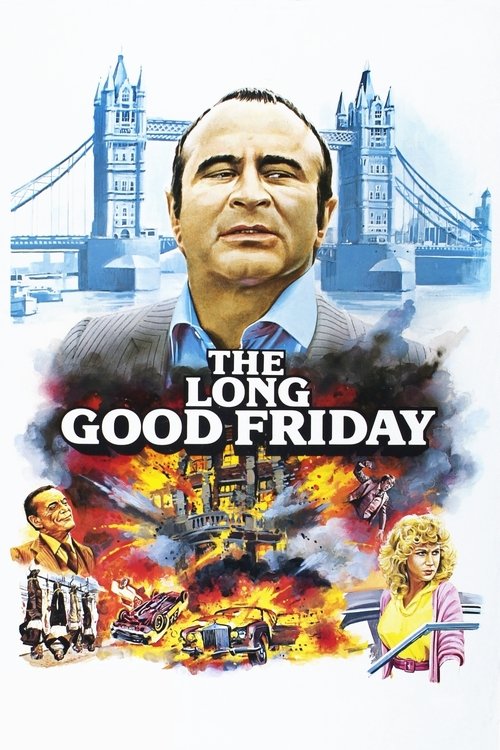
The Long Good Friday1980
Both are about a man trapped in a logic he doesn't fully understand, hunted by forces larger than himself, discovering that no one can be trusted. *Good Friday* asks: what if he's not innocent?
Bob Hoskins as a London crime boss caught in a single night of escalating betrayal and violence he can't control. Not a wrongful-accusation story, but the same paranoia—enemies circling, trusted allies becoming threats, the world narrowing. Tense, brilliantly acted, utterly absorbing.
But It's a crime thriller, not a spy story. Darker, meaner, interested in corruption rather than innocence. The violence isn't abstract—it's domestic and brutal.
People
Cast
 Robert PowellRichard Hannay
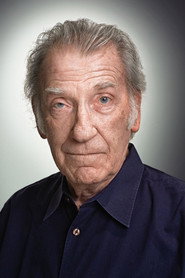 David WarnerSir Edmund Appleton
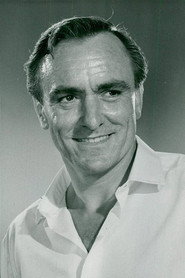 Eric PorterChief Superintendent Lomas
 Karen DotriceAlex Mackenzie
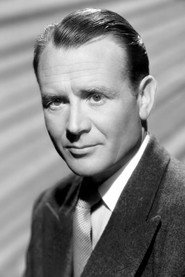 John MillsScudder
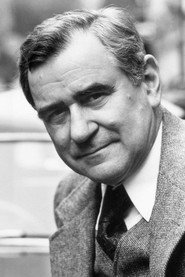 George BakerSir Walter Bullivant
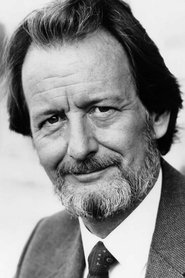 Ronald PickupBayliss
 Donald PickeringMarshall
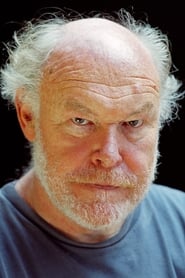 Timothy WestPorton
 Miles AndersonDavid
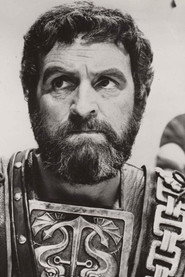 Andrew KeirLord Rohan
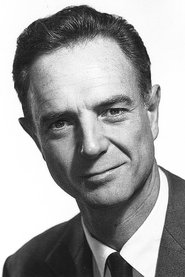 Robert FlemyngMagistrate
Directing
- Don SharpDirector
Writing
- John BuchanNovel
- Michael RobsonScreenplay
Production
- Frank BevisAssociate Producer
- James Kenelm ClarkeExecutive Producer
- Greg SmithProducer