
Film
Jeopardy
Other titles called Jeopardy: the 1964 series (NBC), the 1984 series (Syndication).
A taut 1953 thriller where Barbara Stanwyck races against time and moral compromise. Her husband drowns unless she gets help, but a fugitive forces an impossible bargain. Claustrophobic, efficiently made, and morally bleak—the kind of film that trusts you to sit in discomfort without looking away.
Should you watch it?
Watch it if you enjoy lean, nerve-wracking suspense built from one tense situation, where Barbara Stanwyck's steady grip on a fraught domestic standoff carries more weight than any elaborate plot.
Skip it if you want a sprawling, character-rich drama; this is a spare, sketched-in film whose people stay thin, and its moral pressure is handled in a brisk, unshowy way.
What it asks of you: Just under seventy minutes long, it moves briskly and rarely pauses, so you need steady attention rather than patience, with tension that tightens scene by scene.
Not sure? Find tonight's pick in a minute.
If you liked this
The Killers1946
Siodmak's breakthrough is lean, stylish noir with a man marked for death and the woman who complicates everything. If you love crime thrillers that move like clockwork, this is essential.
But The pacing assumes you're engaged already—it doesn't ease you in. Black-and-white and fifty minutes of setup before the title sequence might feel slow.

In a Lonely Place1950
Bogart as a man suspected of murder, unraveling under suspicion and paranoia. Ray's direction is poisonous—beautiful and suffocating. It's about how accusation corrodes you from inside.
But It's bleak and offers no catharsis. If you need your protagonist to feel like a good person, this will frustrate you.

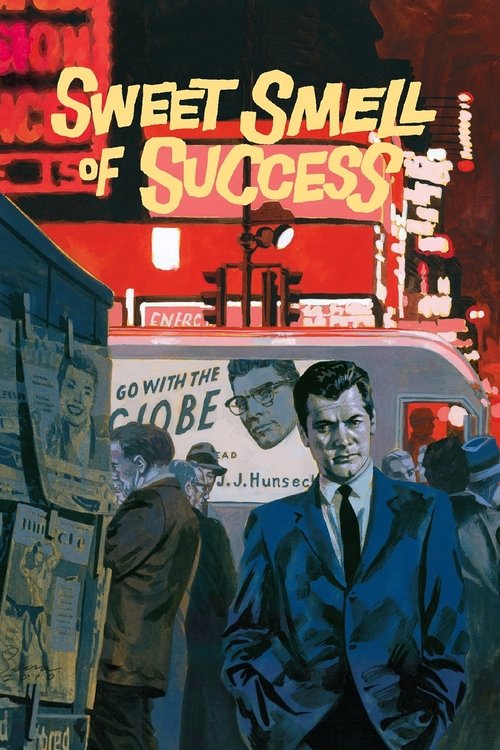
Sweet Smell of Success1957
Lehman's dialogue crackles like a fever. A columnist and a press agent locked in mutual need and mutual loathing. The city itself feels like a character, and everyone in it is rotting a little.
But The slang is dense; you're working to keep up. Cynical to the bone—there's no one to root for, only people to watch implode.
Not sure tonight? Get a pick in a minute, starting from Jeopardy
The wildcard
Something you would not have found on your own.
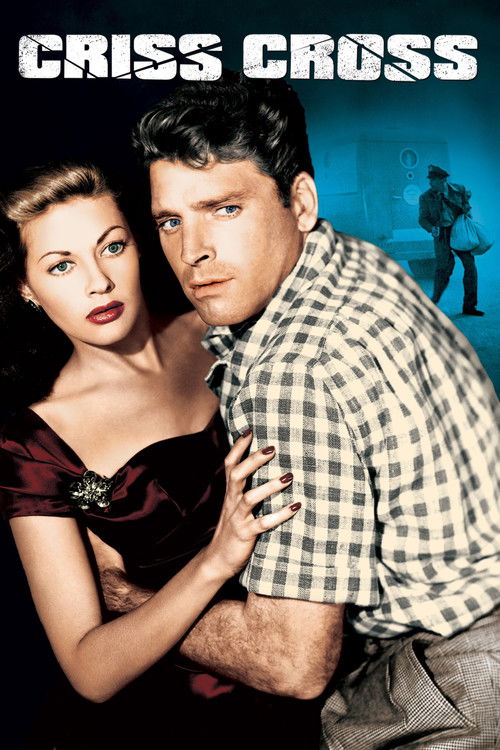
Criss Cross1949
Like Jeopardy, it's built on entrapment—not physical, but emotional. Both trap their protagonists through desire and obligation, tightening the noose scene by scene.
An armored car heist where the plotter is betrayed by the woman he loves. Siodmak's visual language—the shadows, the geometry—makes double-cross feel inevitable and desired. It's about wanting to lose.
But By modern standards, the femme fatale feels like a type rather than a character. She exists to corrupt the protagonist, not to have her own life.
More like this (8)
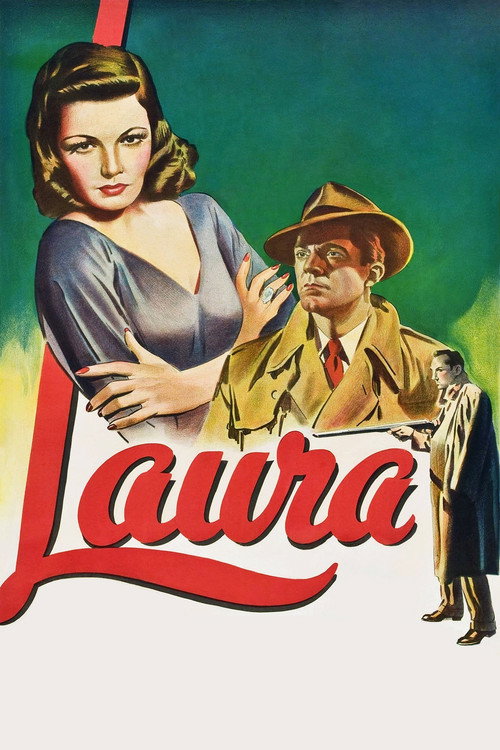
Laura1944
A detective investigates a woman's murder and becomes obsessed with her portrait. Elegant and strange, with Otto Preminger treating the mystery as secondary to mood and desire.
But The plot hinges on a twist that, once revealed, feels a bit convenient. If you need airtight logic, this prioritizes atmosphere over sense.
The Asphalt Jungle1950
Huston's heist film is the blueprint—meticulous, humane, and deeply fatalistic. It finds tragedy in small men trying to pull off something big. The ensemble work is incredible.
But It's methodical. The heist takes time to set up, and if you need action early, you'll find yourself waiting.

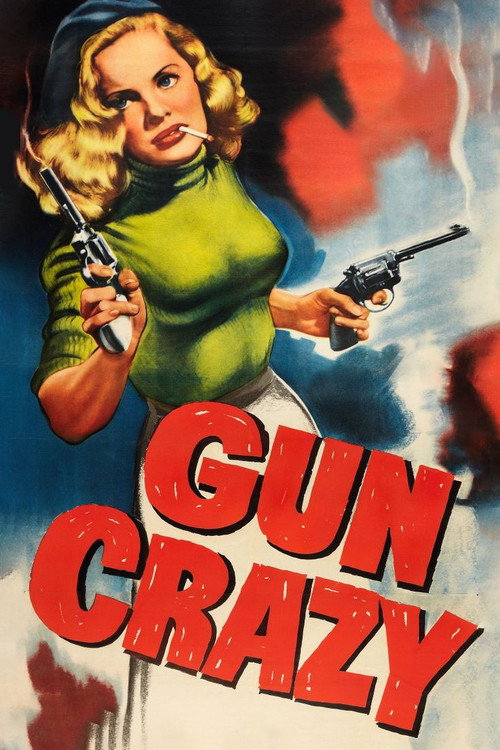
Gun Crazy1950
A couple on the run, robbing gas stations. Bound and Godard loved it; it's the DNA of lovers-on-the-lam stories. Raw, intimate, and genuinely dangerous-feeling for its time.
But Shot on a shoestring and it shows. Some scenes feel half-formed, and the print quality can be rough.
The Killing1956
Kubrick's racetrack heist is a blueprint for fractured narrative. Multiple viewpoints, same event, everything collapsing under the weight of fate. Elegant and pitiless.
But The structure can feel gimmicky if you don't buy into it. The print is often choppy, and some scenes drag.

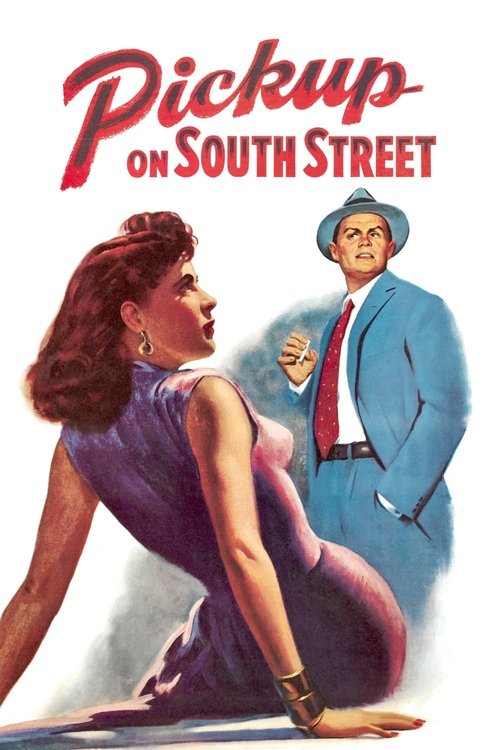
Pickup on South Street1953
Fuller's pickpocket thriller is kinetic and strange, with moral ambiguity baked into every scene. The energy never lets up, and the supporting characters are vivid.
But It's plotty to the point of being busy. The anticommunist element hasn't aged gracefully, and the tone shifts can feel jarring.
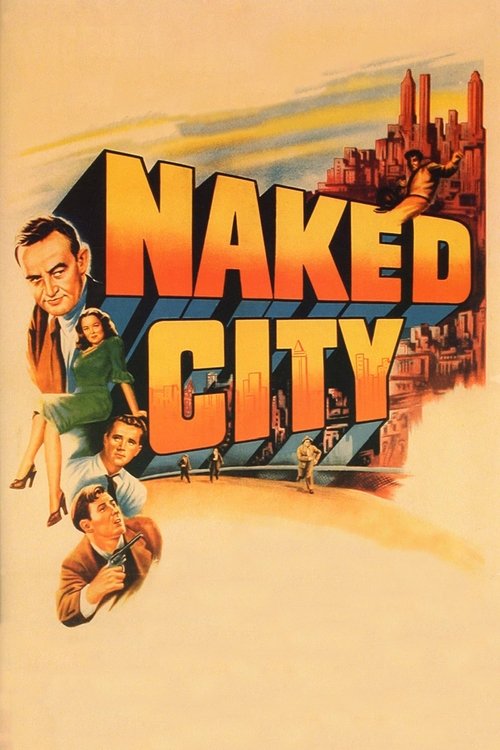
The Naked City1948
Dassin's detective procedural treats New York itself as the real protagonist. Shot on location, it feels lived-in and specific. A murder investigation becomes a portrait of a city.
But The investigation unfolds slowly, and the ending feels anticlimactic if you're expecting a thriller climax. Very of its moment.
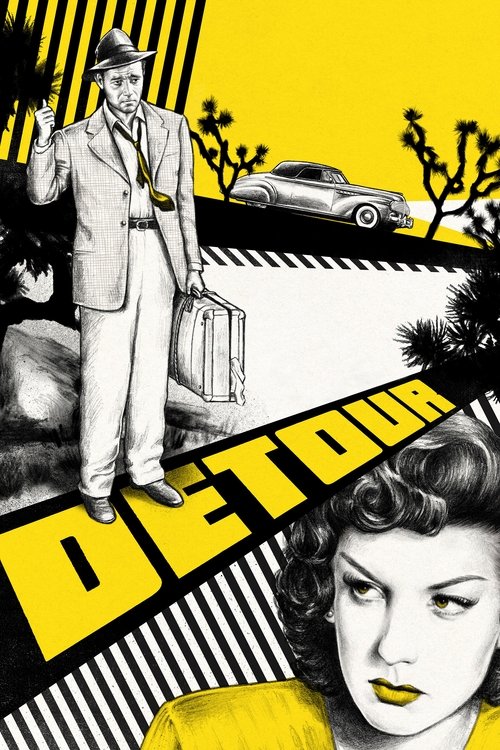
Detour1945
Both are about catastrophe triggered by a single decision and the inability to escape consequences. The protagonist in Detour watches his fate arrive piece by piece, just like Helen watching the tide.
A pianist's cross-country drive becomes a nightmare of chance and circumstance. Made for almost nothing, it's the Platonic ideal of noir—every frame suffocating, every turn worse than the last. Ulmer made something mythic from scraps.
But It's cheap-looking in obvious ways. The rear-projection is grainy, the sets are tiny, and some scenes feel like they were shot in someone's garage.
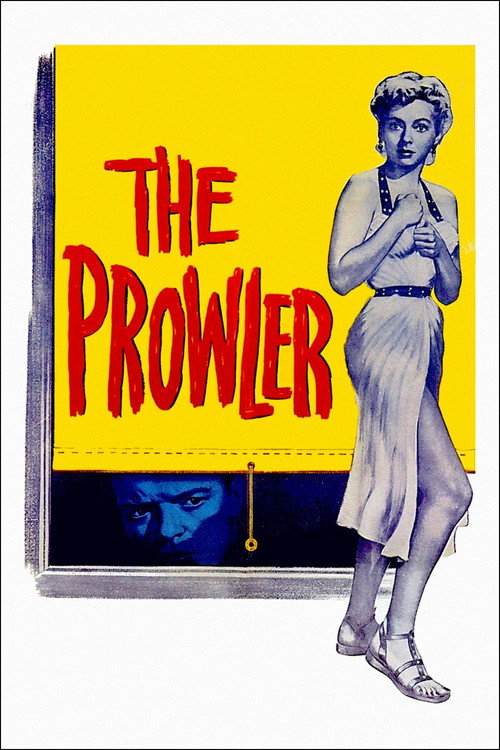
The Prowler1951
Both trap their female characters into impossible choices—save someone or survive. Both make moral compromise inescapable. But where Jeopardy asks how far you'll go, The Prowler asks what you become when you do.
A cop responds to a prowler call, seduces the frightened woman, and begins a spiral of crimes to be with her. Van Doren's direction is quietly vicious—watching good intentions curdle into monstrosity. It's about how need becomes pathology.
But The sexual politics are uncomfortable and deliberately so. It assumes you'll sit with a man's entitlement and criminality without flinching.
People
Cast
 Barbara StanwyckHelen Stilwin
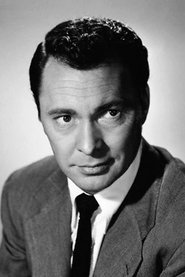 Barry SullivanDoug Stilwin
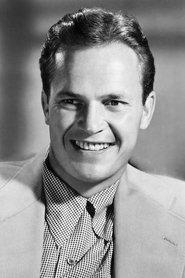 Ralph MeekerLawson the Fugitive
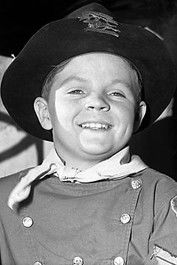 Lee AakerBobby Stilwin
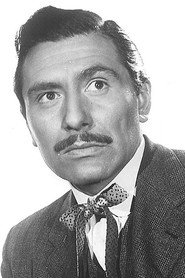 Rico AlanizOfficer at 1st Roadblock (uncredited)
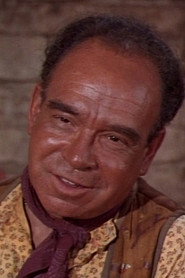 Salvador BaguezOfficer at 1st Roadblock (uncredited)
- Bob CastroPolice Machine Gunner (uncredited)
- Carlos CondeTijuana Vendor (uncredited)
- George L. DerrickGas Station Attendant (uncredited)
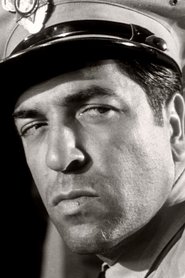 Paul FierroMexican Lieutenant
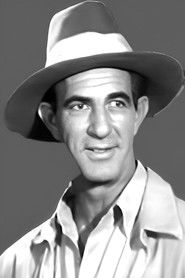 Sol GorssCaptain's Driver Talking to Helen (uncredited)
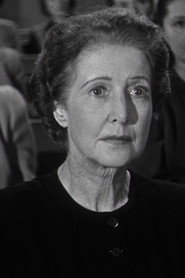 Margarita MartínMexican Mother (uncredited)
Directing
- Jack AldworthAssistant Director
- Joel FreemanAssistant Director
- John SturgesDirector
- William J. Hole Jr.Script Supervisor
Writing
- Mel DinelliScreenplay
- Maurice ZimmStory
Production
- Charles SchneeExecutive Producer
- Sol Baer FieldingProducer
- Dave FriedmanUnit Manager