
Film
The Prowler
Other titles called The Prowler: the 1981 film.
A 1951 film noir about a disgruntled cop investigating a prowler case, only to become dangerously entangled with the woman being stalked. Director Joseph Losey crafts a tense, morally murky thriller where the line between protector and predator blurs. It's a study in corruption, desire, and how easily good intentions curdle. For fans of dark, psychologically complex crime stories.
Should you watch it?
Watch it if you love slow-burn noir where the menace grows out of an ordinary man's resentment and a marriage quietly coming apart, with shadowy Los Angeles interiors doing much of the talking.
Skip it if you want brisk plotting or a sympathetic lead; the mood is sour and the pace deliberate, and the central figure is hard to like at all.
What it asks of you: At ninety-three minutes it is compact, but it unspools at a patient, simmering pace and stays bleak almost without relief, so give it your full attention.
Not sure? Find tonight's pick in a minute.
If you liked this
In a Lonely Place1950
A contemporary noir masterpiece with Humphrey Bogart as a volatile screenwriter falsely accused of murder. Like The Prowler, it explores how quickly suspicion and desire can destroy a life, with a suffocating atmosphere and genuinely unsettling edge.
But Bogart's character is deliberately unlikeable and paranoid; the pacing is deliberate rather than propulsive, which can feel slow.

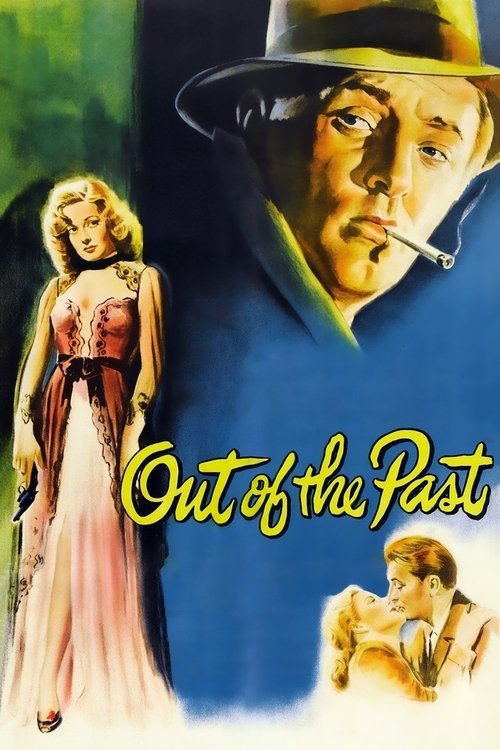
Out of the Past1947
The definitive post-war noir: a private detective ensnared by a femme fatale and his own weakness. Robert Mitchum's laconic cool and the plot's inexorable momentum toward doom make this essential viewing for anyone who loves morally compromised protagonists.
But It's a genre essential that many have seen already. The denouement hinges on plot mechanics that feel dated if you're not in the mood for classical structure.
The Killing1956
Kubrick's debut tracks a race-track heist with a documentary precision and fractured timeline. Like The Prowler, it captures men undone by their own schemes, with a fatalistic inevitability and sharp, unsentimental eye.
But The nonlinear structure can feel gimmicky on first viewing. The runtime is tight but dense, and there's minimal character warmth.

Not sure tonight? Get a pick in a minute, starting from The Prowler
The wildcard
Something you would not have found on your own.
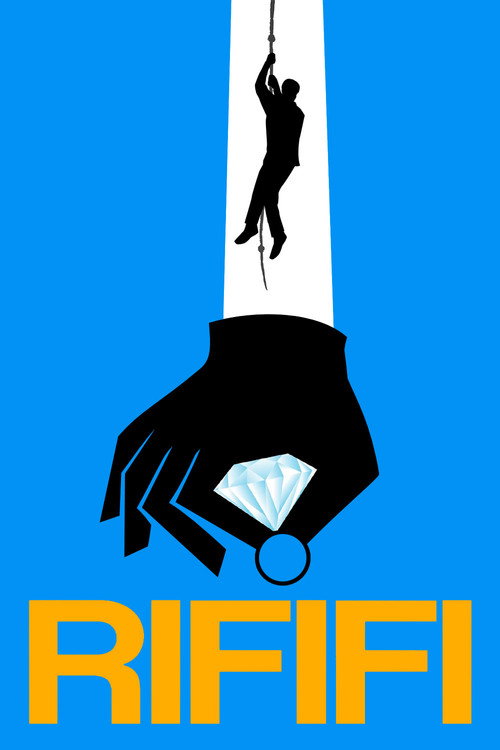
Rififi1955
Both Losey's The Prowler and Dassin's Rififi are American directors working in exile during the McCarthy era, making crime films that are fundamentally about men destroyed by systems and their own compromised natures. Dassin was blacklisted; Losey would soon follow. Their films aren't just noir—they're political allegories dressed as thrillers.
A French heist film with almost no dialogue, told through pure visual storytelling. Jules Dassin (who made The Prowler) crafts a world of professional criminals where trust is currency and betrayal is inevitable. The silent 30-minute heist sequence is cinema at its most immersive.
But The Francophone setting and minimalist dialogue demand patience; there's no exposition to hold your hand. Some find the lack of music in key scenes unsettling rather than masterful.
More like this (8)
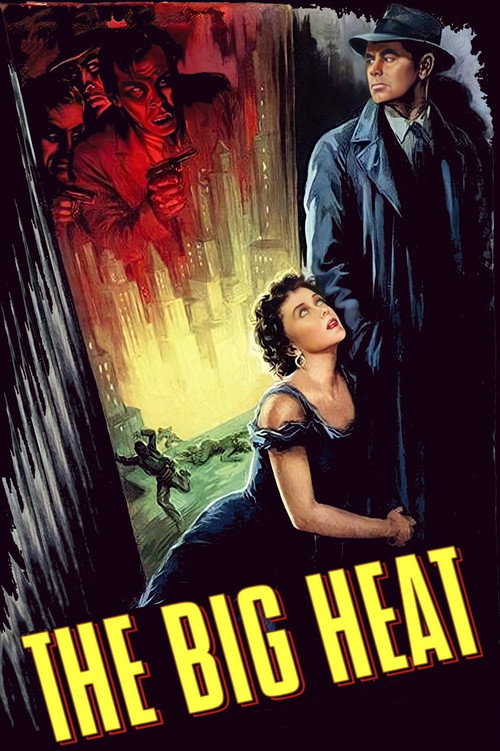
The Big Heat1953
Fritz Lang's revenge noir about a cop whose life explodes after his wife's murder. It shares The Prowler's exploration of how the law and desire become indistinguishable, with Lang's visual mastery and genuine brutality.
But The violence, especially toward women, is shocking even by today's standards and can feel exploitative rather than purposeful.
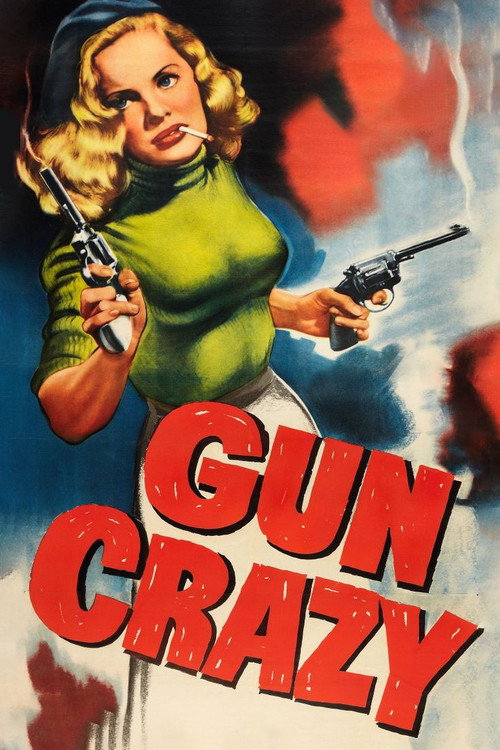
Gun Crazy1950
A lovers-on-the-run crime film shot with visceral energy and an early use of handheld camera. The obsessive, destructive relationship at its core echoes The Prowler's toxic entanglement, but with manic energy instead of creeping dread.
But The pacing is frenetic and can feel chaotic. It's a B-picture with budgetary limitations that show, and the romance isn't especially charming.
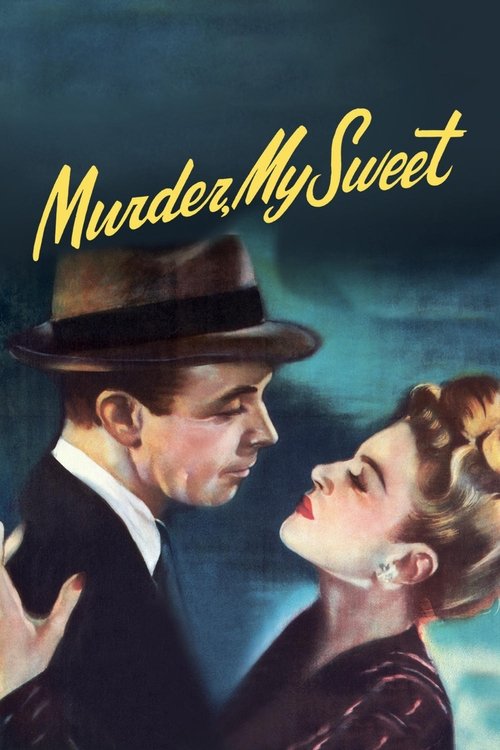
Murder, My Sweet1944
Dick Powell as a private detective caught between femmes fatales and criminals, narrating from a place of hard-won disillusionment. Chandler's world of moral compromise and beautiful deception maps directly onto The Prowler's territory.
But At nearly two hours, the plot can feel overstuffed. The ending relies on exposition dumps that halt momentum.
The Asphalt Jungle1950
Huston's heist masterpiece, a procedural about criminals planning a job. It shares The Prowler's unglamorous view of masculine ambition and the casual cruelty men inflict on each other and the women around them.
But It's an ensemble, so no single character anchors it; some find the scope dilutes tension rather than building it. Dated gender politics are hard to ignore.

The Killers1946
A man marked for death, a woman he loved, and two killers sent to finish him. Siodmak's direction is economical and sharp, and the fatalism—the sense that the protagonist's doom was always written—mirrors The Prowler's inexorable downward spiral.
But Burt Lancaster is charismatic but passive; the plot hinges on a string of coincidences that strain credibility if you're thinking critically.

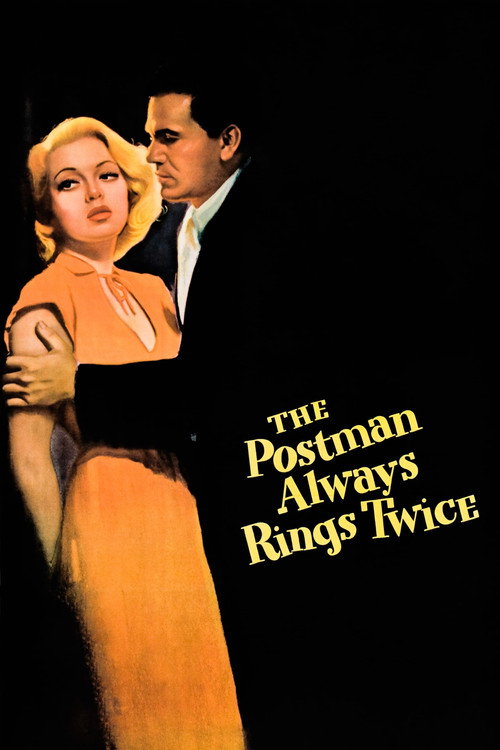
The Postman Always Rings Twice1946
Lana Turner and John Garfield in a simmering tale of adultery and murder. It's raw, sexually charged, and utterly amoral—the prototype for the femme fatale destroying a working man, a template The Prowler both follows and interrogates.
But The censorship of the era constrains the sexuality it's constantly gesturing toward, which makes it feel half-suppressed. The ending is narratively weak.
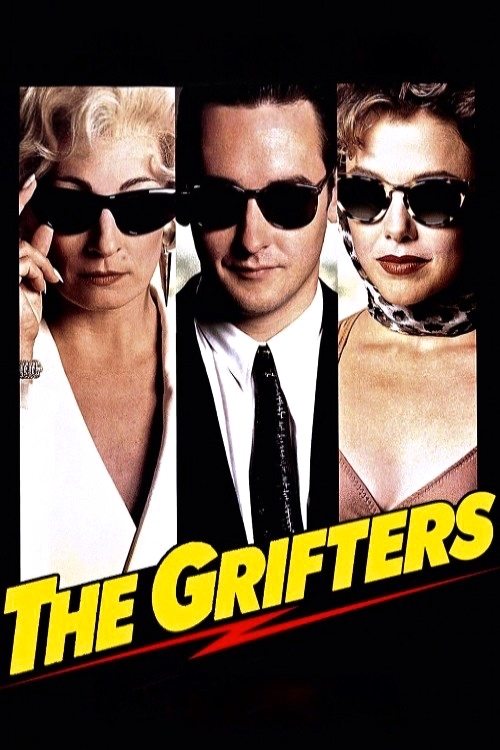
The Grifters1990
Both are Los Angeles crime stories about men fatally attracted to women who will destroy them, but where The Prowler is shadowy and claustrophobic, The Grifters is bright and almost casual about its brutality. Watching them back-to-back reveals how noir's DNA mutated in the Reagan era—darker, faster, more cynical.
A con-artist family in 1990s Los Angeles, where mother, son, and lover form a triangle of mutual exploitation. Frears updates the noir sensibility—the same moral rot, the same casual cruelty—for a contemporary setting with a visual sheen that makes the ugliness more shocking.
But It's glossy in a way that can feel detached from the pain it depicts. The ending is nihilistic without catharsis, which frustrates viewers seeking dramatic closure.
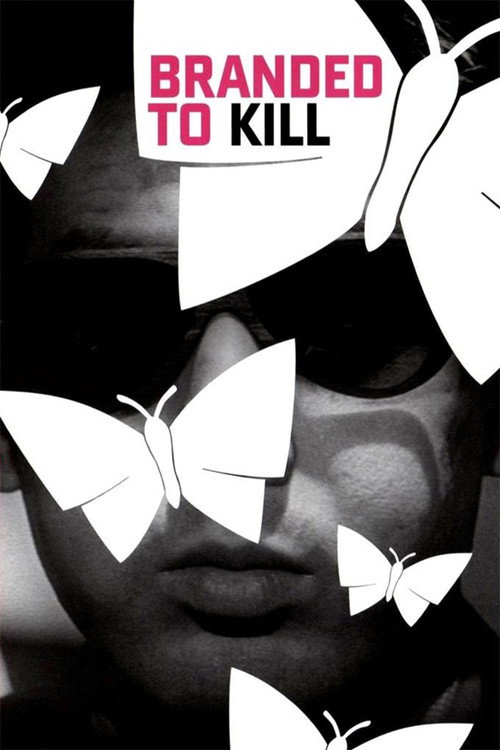
Branded to Kill1967
Where The Prowler shows a man destroyed by American institutional corruption and personal weakness, Suzuki shows the same tragedy through the lens of Japanese honor codes and organized crime. Both are about masculine identity collapsing, but one is psychologically realistic and the other is hallucinatory. Together they suggest the archetype is universal.
A Japanese New Wave yakuza film by Seijun Suzuki about a hitman undone by desire and code. It's surreal, violent, and formally radical—a complete inversion of noir's Anglo-American logic, yet spiritually identical: masculine honor collapsing under the weight of desire and obligation.
But It's deliberately disorienting, with jump cuts, distorted sound, and a narrative that prioritizes mood over coherence. If you want a story that makes sense, this will infuriate you.
People
Cast
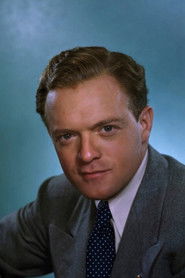 Van HeflinWebb Garwood
 Evelyn KeyesSusan Gilvray
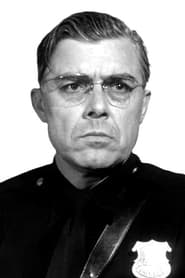 John MaxwellBud Crocker
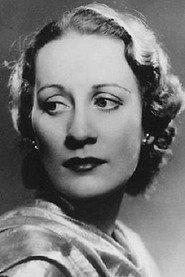 Katherine WarrenGrace Crocker
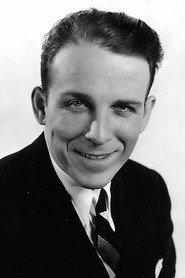 Emerson TreacyWilliam Gilvray
 Madge BlakeMartha Gilvray
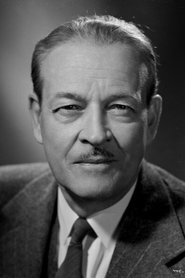 Wheaton ChambersDoctor James
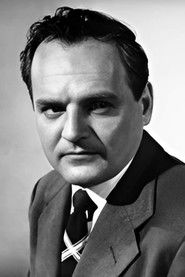 Robert OsterlohCoroner
- Sherry HallJohn Gilvray
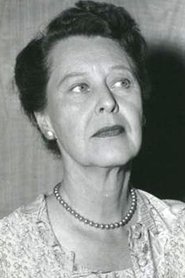 Louise LorimerMotel Manager
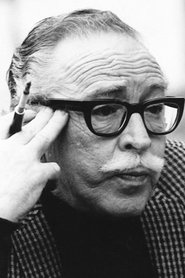 Dalton TrumboJohn Gilvray's Voice (voice) (uncredited)
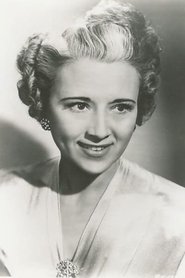 Bess FlowersSpectator at Coroner's Inquest (uncredited)
Directing
- Robert AldrichAssistant Director
- Joseph LoseyDirector
- Don WeisScript Supervisor
Writing
- Gladys HillDialogue
- Dick MackLyricist
- Dalton TrumboScreenplay
- Hugo ButlerScreenplay
- Hans WilhelmStory
- Robert ThoerenStory
Production
- John HustonProducer
- Sam SpiegelProducer
- Samuel RheinerProducer's Assistant
- Joseph H. NadelProduction Manager