
Film
Decoy
A dying crime boss spills her life story to a cop in her final hours—a 1946 noir that flips the script by centering a ruthless woman at the heart of the underworld. It's lean, cynical, and propelled by Jean Gillie's magnetic performance. For anyone who loves the moral rot of classic noir but wants the perspective from the other side of the power structure.
If you liked this
The Killers1946
A masterpiece of misdirection and fatalism, where we follow a dead man's story backward through the lives he touched. Like Decoy, it's about the corrosive weight of past choices catching up fast.
But The pacing can feel distant and digressive; it's more interested in mood than momentum, and some find it glacially slow.

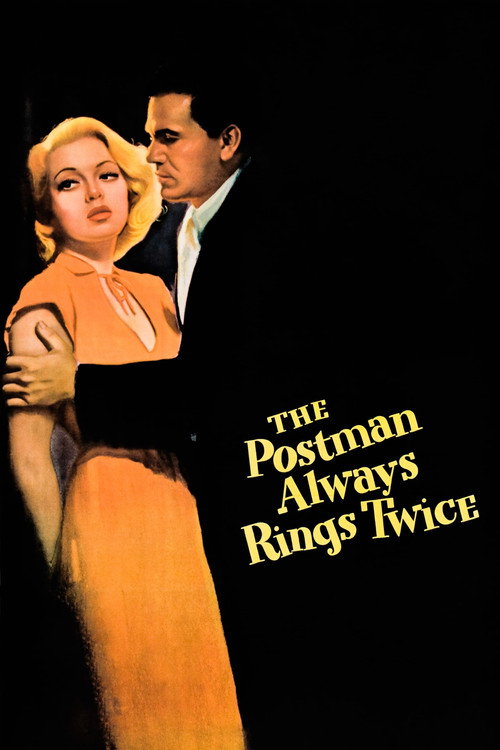
The Postman Always Rings Twice1946
A woman and a drifter destroy each other and everyone around them in a perfect storm of desire and moral collapse. The same noir fatalism, the same sense that everyone is already doomed before the story starts.
But The sexual content is restrained by modern standards but still causes real harm; it's not as character-driven as Decoy and relies more on plot mechanics.
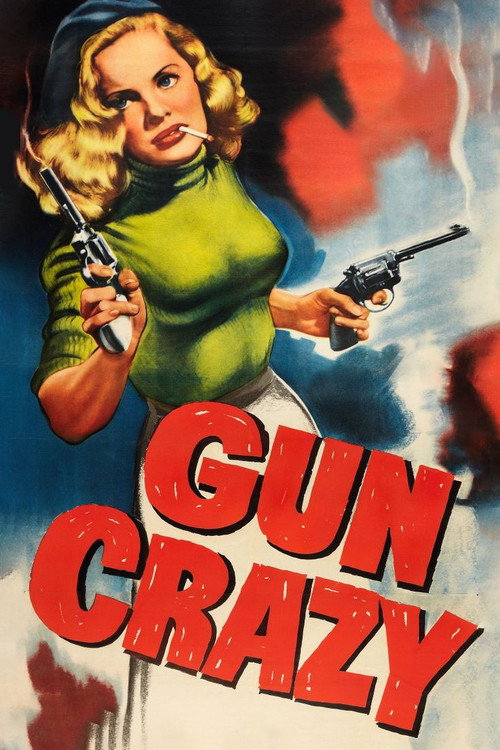
Gun Crazy1950
A woman edges her weak boyfriend into a life of violent crime; she's the real engine, and the film knows it. Echoes Decoy's interest in female criminality and moral free fall.
But It's a small film with a low budget; the technical execution is rough, and the dialogue often feels stilted.
Not sure tonight? Get a pick in a minute, starting from Decoy
The wildcard
Something you would not have found on your own.
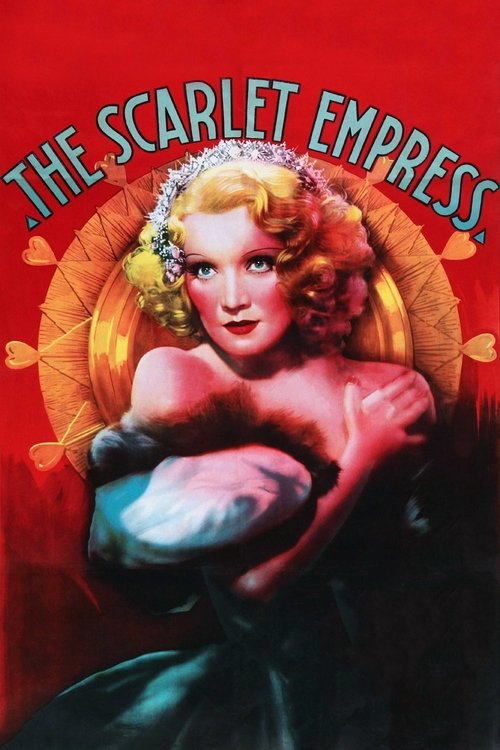
The Scarlet Empress1934
Both center a morally vacant woman climbing through manipulation and sexuality, but where Decoy is documentary realism, this is total cinema artifice—two opposite ways of making female criminality thrilling.
Dietrich as Catherine the Great, a woman who seduces and manipulates her way to absolute power through baroque theatricality and ruthless calculation. A silent film's granddaughter sees a real female criminal mind—but this one wears art direction like armor.
But Von Sternberg's visual excess can swamp the narrative; it's opera, not realism, and the sexual politics are deeply weird by any standard.
More like this (7)
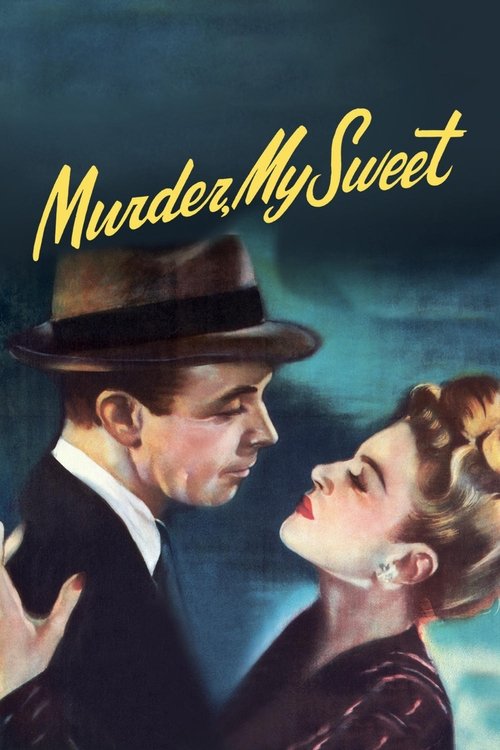
Murder, My Sweet1944
Philip Marlowe narrates himself into deeper trouble through a maze of double-crosses and hidden motives. The same deadpan internal monologue, the same sense of being pulled downward by invisible hands.
But Dick Powell's performance can feel theatrical; the plot is intricate to the point of being hard to follow, and it demands real attention.
The Asphalt Jungle1950
An ensemble heist film where the criminals are the protagonists, and we understand their logic even as we watch it destroy them. Decoy has that same clarity of purpose: these are people doing what they know.
But The women are sidelined and sexualized; it's a product of its time, and that will stick in your throat.

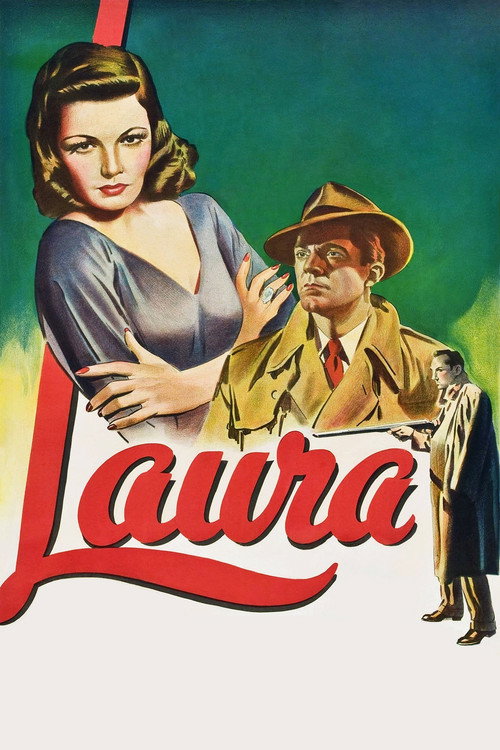
Laura1944
A dead woman haunts the men who loved her through a detective's investigation. Both are noir mysteries that live inside the psyche of their absent or dying female lead.
But It's more painterly and less interested in crime than in psychology; if you want plot momentum, you'll be frustrated.
The Killing1956
Kubrick's racetrack heist told in fractured chronology, where each perspective reveals another layer of betrayal. That same structure of confession and moral reckoning that drives Decoy.
But The non-linear narrative can feel gimmicky in retrospect; it's more about style than substance, and some scenes are gratuitously cruel.

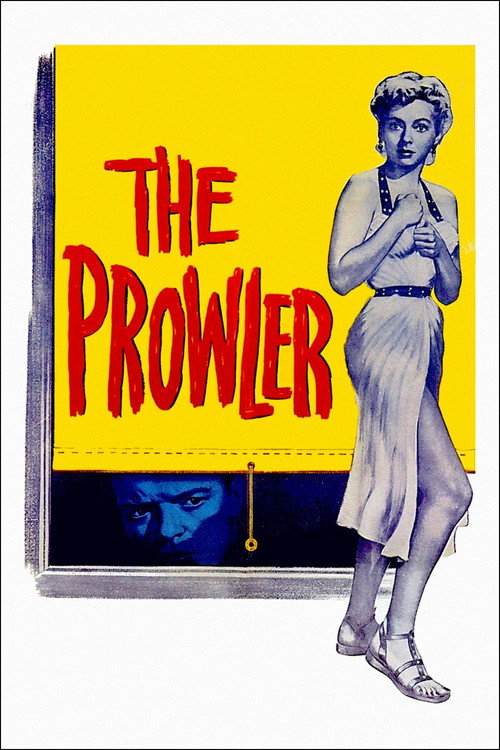
The Prowler1951
A cop uses his badge to destroy a woman's marriage and trap her into crime—a noir that's genuinely unsettling about power and manipulation. Dark as Decoy but from a different angle.
But It's bleak to the point of misanthropy; there's almost no one to root for, and the vision is relentlessly punitive.
In a Lonely Place1950
Bogart as a man whose past and temperament make him the obvious suspect in a murder he may or may not have committed. Both films are interested in how reputations and circumstances close in.
But The romantic subplot feels obligatory and undercooked; Bogart's character is often too volatile to be sympathetic, which some find exhausting.

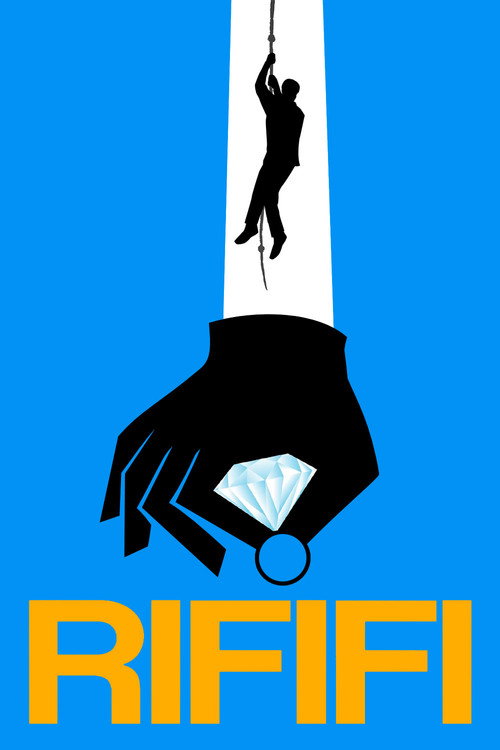
Rififi1955
Both films respect their criminals enough to show how they think. Decoy is confession and regret; Rififi is craft and precision. Same moral clarity, opposite temperatures.
A 30-minute heist shot in complete silence—no dialogue, no music, just the criminal problem-solving and the trust between thieves. It's Decoy's moral clarity about how criminals think, but in a completely different key: cool, technical, almost French.
But The silence can feel mannered; the middle section is a genuine endurance test if you're not sold on the premise, and it's deliberately un-dramatic about moments that Hollywood would sentimentalize.
People
Cast
 Jean GillieMargot Shelby
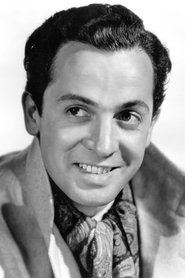 Edward NorrisJim Vincent
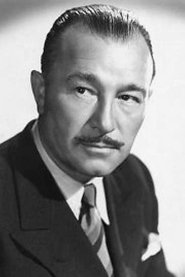 Robert ArmstrongFrank Olins
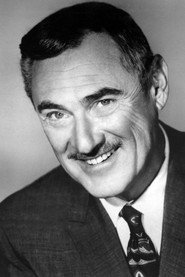 Herbert RudleyDr. Craig
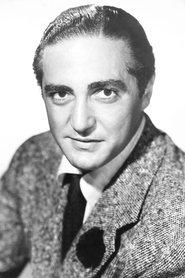 Sheldon LeonardSergeant Joe Portugal
 Marjorie WoodworthNurse
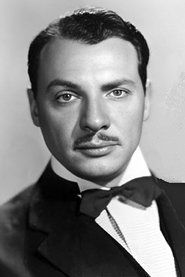 Philip Van ZandtTommy
 Carole DonneWaitress
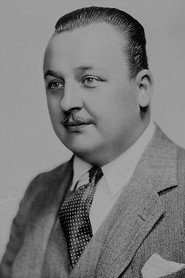 Bert RoachBartender
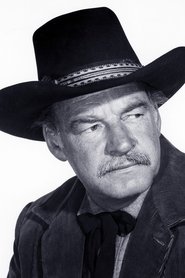 Ray TealPoliceman (uncredited)
Directing
- William A. Calihan Jr.Assistant Director
- Jack BernhardDirector
Writing
- Nedrick YoungScreenplay
Production
- Glenn CookProduction Manager