
Film
Mirage
Mirage is a 1965 thriller about an accountant who loses two years of memory after witnessing a suspicious death. What unfolds is a cunningly constructed mystery where nothing is quite what it seems—the plot keeps folding back on itself, and the careful pacing lets you feel Stillwell's disorientation. It's for anyone who loves a puzzle where the pieces keep rearranging themselves.
Should you watch it?
Watch it if you enjoy a cool, paranoid puzzle-box where the city itself feels like a suspect and clues arrive one at a time.
Skip it if you want brisk action or a tidy modern thriller, since this moves at a deliberate pace and its suspense is more talky than breathless.
What it asks of you: Settle in for just under two hours of patient interrogation, where the mood stays watchful and the attention you give pays off in small, cumulative steps.
Not sure? Find tonight's pick in a minute.
If you liked this
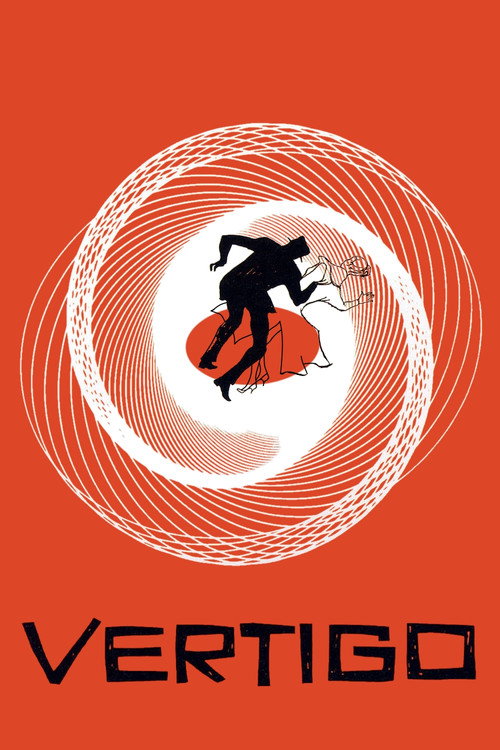
Vertigo1958
Hitchcock's masterpiece about obsession and mistaken identity, where reality dissolves as the protagonist uncovers a web of deception. Like Mirage, it's visually elegant and psychologically unsettling, with a plot that rewards close attention.
But At nearly two and a half hours it can feel glacial, and some find the protagonist's behaviour toward women deeply uncomfortable—as you should.
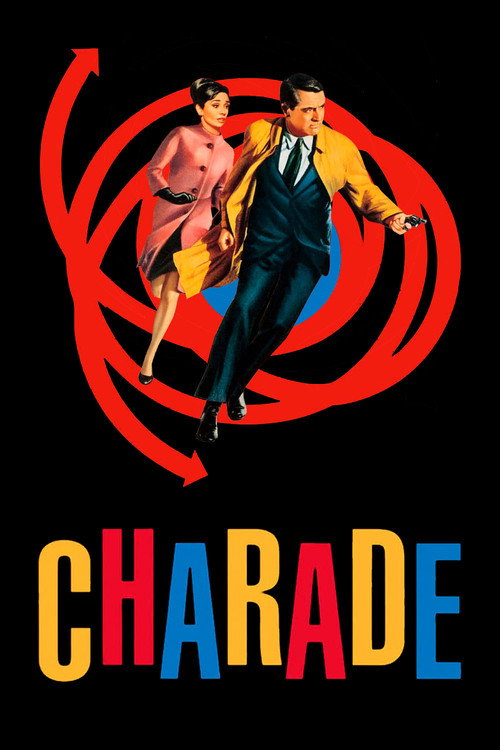
Charade1963
Another Donen gem: Audrey Hepburn caught in a labyrinthine plot where every character might be lying, every scene recontextualises what came before. Same DNA as Mirage—urbane, twisty, genuinely funny in the tense moments.
But The tone is lighter and breezier than Mirage; if you want unrelenting paranoia, this won't scratch that itch.
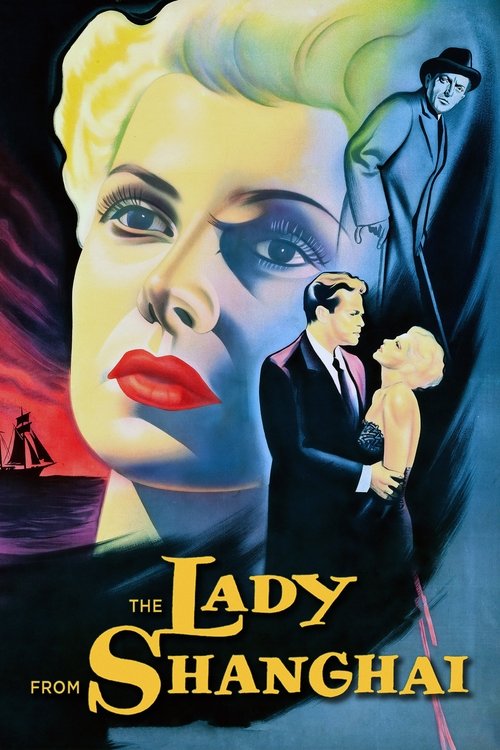
The Lady from Shanghai1947
Orson Welles's noir about a man drawn into a conspiracy he doesn't understand, told through stunning black-and-white cinematography and a plot that becomes increasingly baroque. The disorientation is the point.
But It's older and darker than Mirage, shot through with genuine cynicism about human nature. Some find the pacing uneven.
Not sure tonight? Get a pick in a minute, starting from Mirage
The wildcard
Something you would not have found on your own.
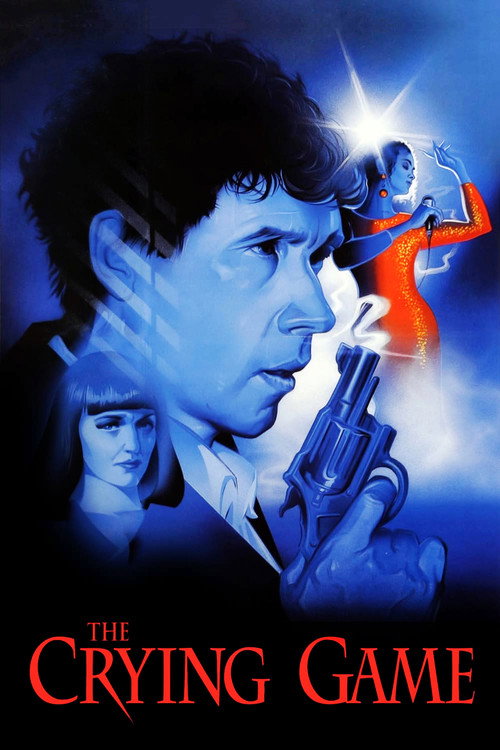
The Crying Game1992
Both films structure themselves around the protagonist—and the viewer—gradually discovering that the past is not what they believed. Information is weaponised.
A thriller built on a single, devastating secret that recontextualises everything you've watched. Like Mirage, it's structured around the discovery of hidden truths, but it operates in a completely different register—grittier, darker, with real stakes.
But The central twist is famous enough that you may already know it, which ruins the film. Also, it's violent and emotionally brutal in ways Mirage never attempts.
More like this (7)
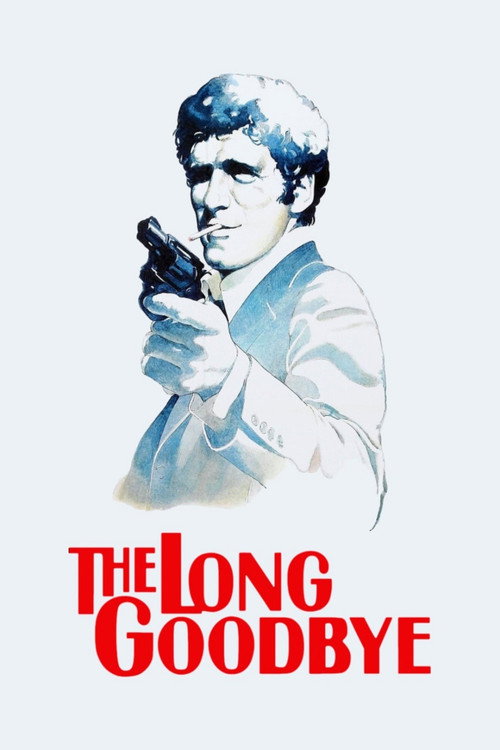
The Long Goodbye1973
Altman's revisionist take on Marlowe: a private eye in a world that's moved on, where every conversation obscures as much as it reveals. Sprawling, funny, and deeply disorienting in the best way.
But It's an anti-thriller—nothing moves the way you expect, and the plot can feel deliberately slack. If you want tight narrative momentum, this isn't it.
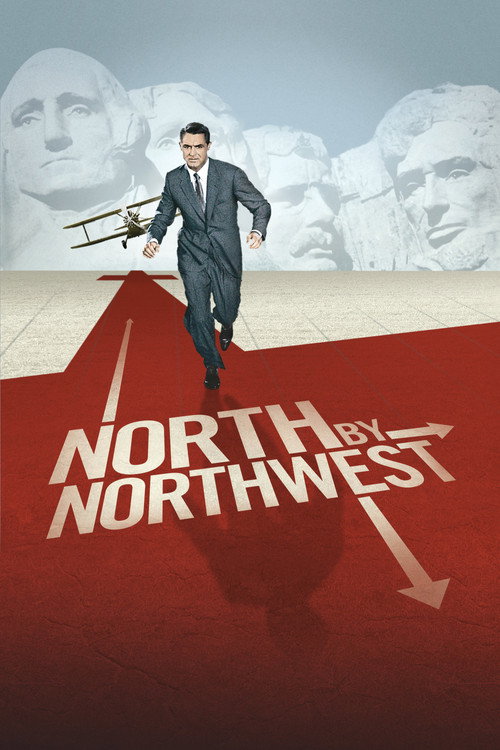
North by Northwest1959
Hitchcock's most propulsive thriller: an ordinary man caught in an extraordinary conspiracy, thrown into a world where he can't trust anyone. The momentum never stops, and it's sheer entertainment.
But It's so famous you may feel you've already seen it. Also, the sexual politics are of their time—the women exist to be rescued.
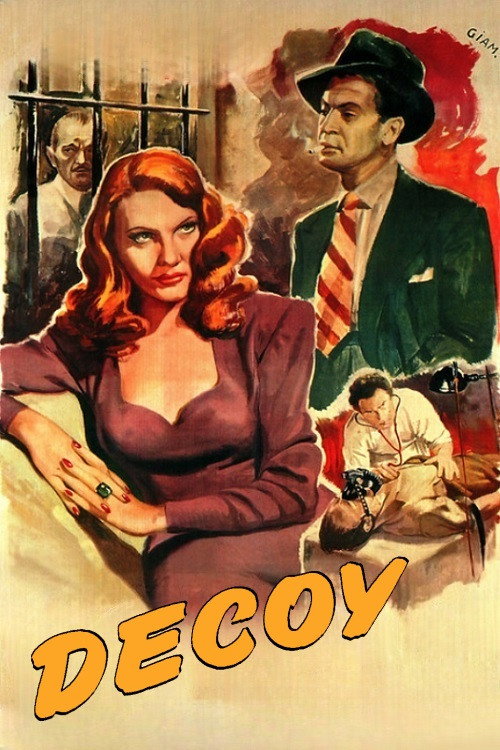
Decoy1946
A small-scale film noir where every beat is misdirection—a woman manipulates everyone around her toward a mysterious goal. Tightly made and genuinely clever, with Patricia Loyden at its centre.
But It's obscure and somewhat dated, and the print quality can be rough. It's also very much of its era in how it treats its female lead.
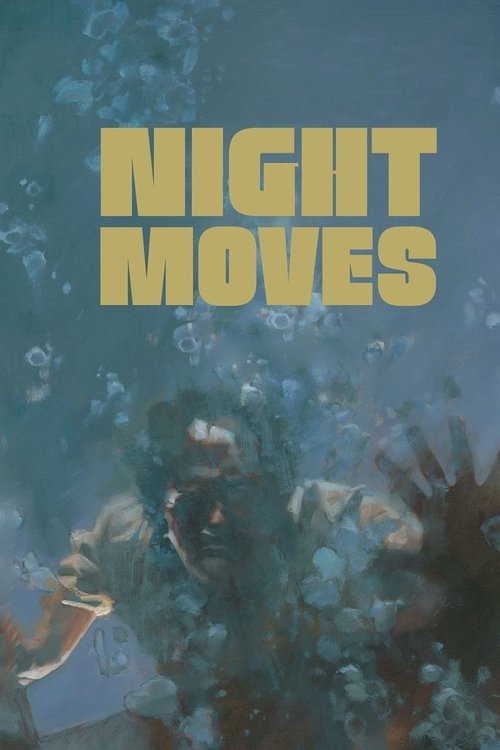
Night Moves1975
Arthur Penn's detective thriller about a man hired to find a missing girl, only to discover the case is far more tangled than it appeared. Melancholic, intelligent, and genuinely unsettling.
But It's slow-burn 1970s paranoia, not 1960s thriller momentum. Gene Hackman's character is morally compromised, which some find off-putting.
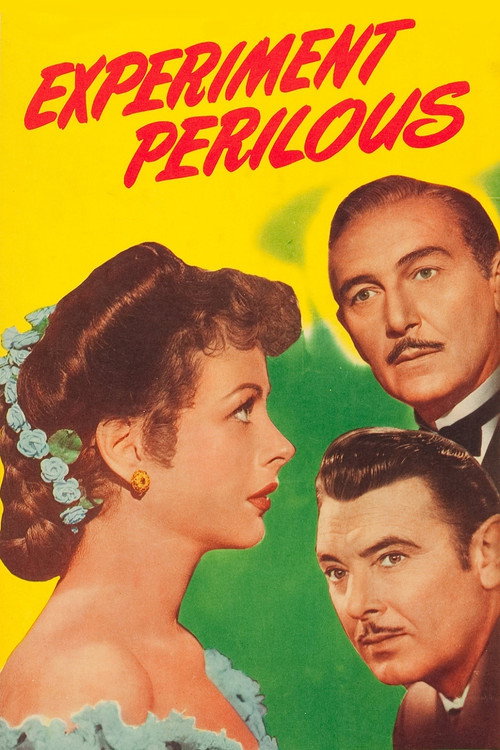
Experiment Perilous1944
A woman befriends a man on a train who may or may not be a murderer. Moody, economical, and propelled by genuine uncertainty—does she trust him or is she in danger?
But It's a B-picture, shot in black-and-white on a modest budget. The plot mechanics can feel obvious in retrospect.
Mulholland Drive2001
Both films make you question what you've been told, but Lynch goes much further—he suggests the unreliability is permanent, not just temporary. Where Mirage clarifies, Mulholland Drive deepens the fog.
David Lynch's Los Angeles nightmare, where reality bends, identities blur, and you can't trust what you've been shown. Like Mirage, it's a puzzle film, but it refuses to fully resolve itself—the mystery is the point.
But It's surreal and demands interpretation. If you want a tidy explanation, you won't find one. Some find it pretentious; others find it transcendent.

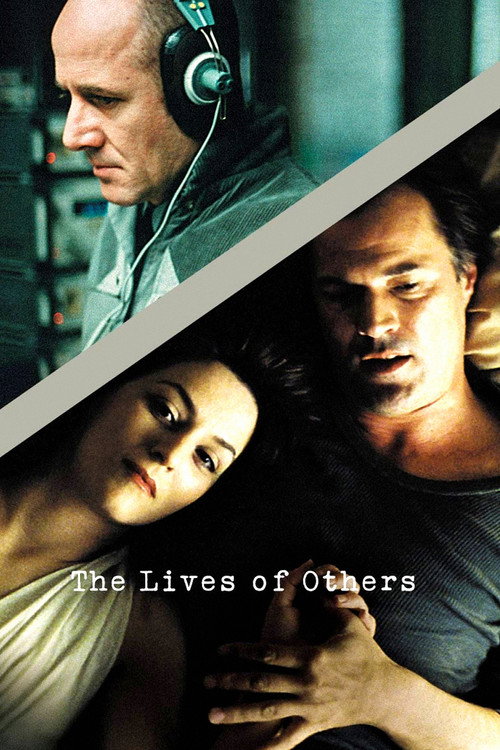
The Lives of Others2006
Both films are about a protagonist gradually realising they've been a tool for someone else's agenda, and that the truth they uncover is more troubling than the mystery itself. But where Mirage is a thriller, this is a tragedy.
A Stasi surveillance officer begins to question the mission he's been given, slowly realising that the investigation he's conducting may be built on lies. Tense, morally complex, and structured as a slow revelation—but it's about systems of control and ideology, not just plot mechanics.
But It's a German-language film set in Cold War Berlin, so it lacks the glossy Hollywood sheen of Mirage. The pacing is deliberately measured; some find it slow.
People
Cast
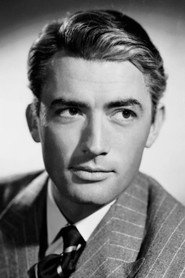 Gregory PeckDavid Stillwell
 Diane BakerShela
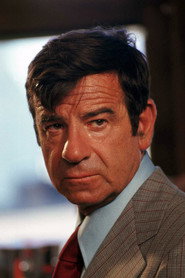 Walter MatthauTed Caselle
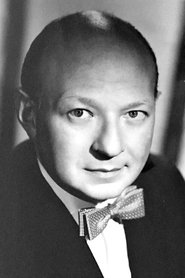 Robert H. HarrisDr. Broden
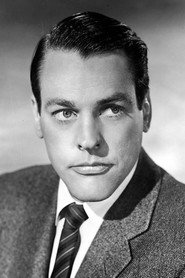 Kevin McCarthySylvester Josephson
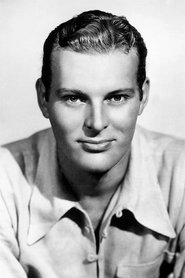 Leif EricksonThe Major
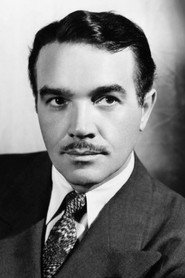 Walter AbelCharles Stewart Calvin
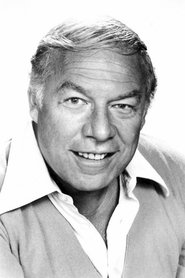 George KennedyWillard
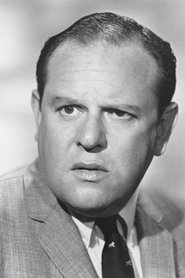 Jack WestonLester
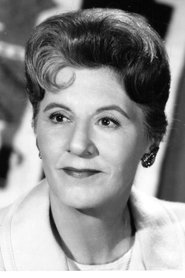 Anne SeymourFrances Calvin
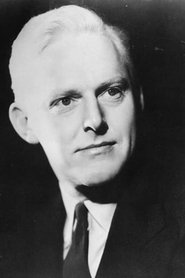
 Hari RhodesLt. Franken
Directing
- Edward DmytrykDirector
Writing
- Howard FastNovel
- Peter StoneScreenplay
Production
- Harry KellerProducer