
Film
The Third Day
A man regains consciousness after a car crash with complete amnesia, only to discover that everyone around him—his wife, her family, his colleagues—insists he's a brutal, violent man. *The Third Day* is a tense psychological thriller about identity and self-knowledge, built on the growing dread that perhaps he's blocking out terrible truths about himself. Gripping mid-60s paranoia cinema for viewers who distrust their own instincts.
If you liked this
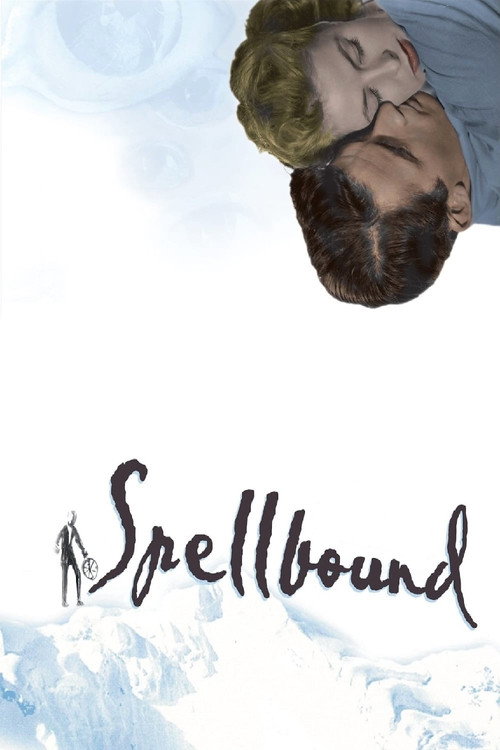
Spellbound1945
Hitchcock's amnesia thriller with similar architecture: a man wakes up damaged and disoriented, everyone's story about him seems designed to trap him. Stunning Dalí dream sequence and clinical tension throughout. Essential viewing.
But The psychoanalysis feels dated, and the ending hinges on plot mechanics that creak a bit when examined closely.
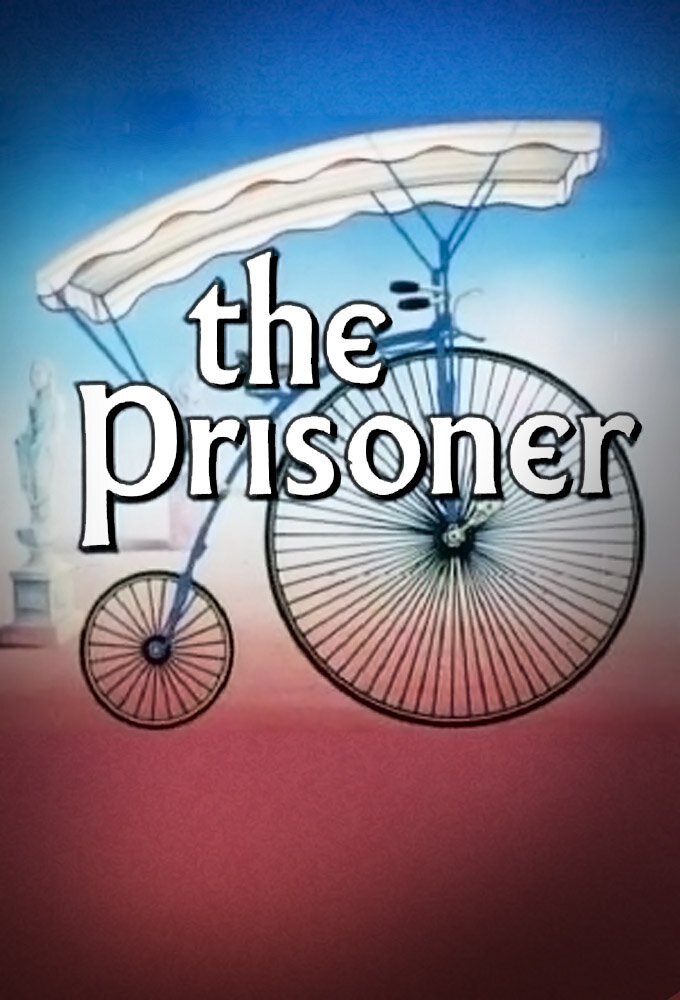
The Prisoner1967
Psychologically labyrinthine TV miniseries where a man wakes up in a mysterious village with no memory of how he got there, and every interaction questions whether he's truly who he thinks he is. Paranoia becomes a style.
But Deliberately obscure and repetitive by design; if you need clarity, this will frustrate you.
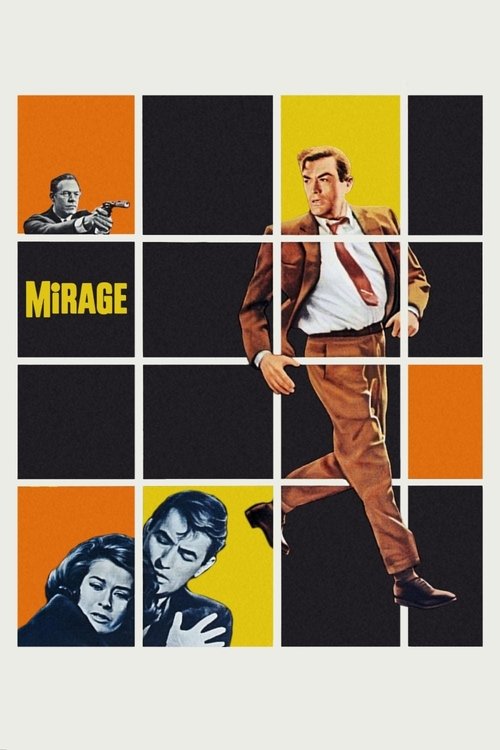
Mirage1965
Released the same year, Gregory Peck plays a man with amnesia being hunted by forces he doesn't understand. Clean spy-thriller plotting with genuine suspense and practical effects. More action-oriented but the same core unease.
But Leans more toward espionage mechanics than psychological exploration, so less depth to the identity crisis.
Not sure tonight? Get a pick in a minute, starting from The Third Day
The wildcard
Something you would not have found on your own.
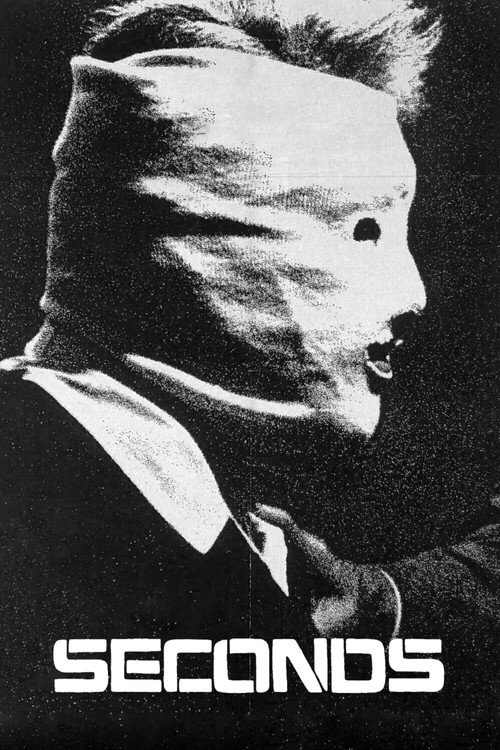
Seconds1966
Both probe whether identity is something fixed within us or something imposed from outside. Both suggest that running from yourself is impossible.
A man is given a chance to erase his old identity and start again—then discovers his new life is as much a prison. John Frankenheimer's sci-fi paranoia nightmare, shot in stark black and white, about the self as constructed performance. Structurally inverted from *The Third Day* but spiritually the same.
But Willfully bleak and strange; the visual style is deliberately unsettling and the story rejects any comfort.
More like this (8)
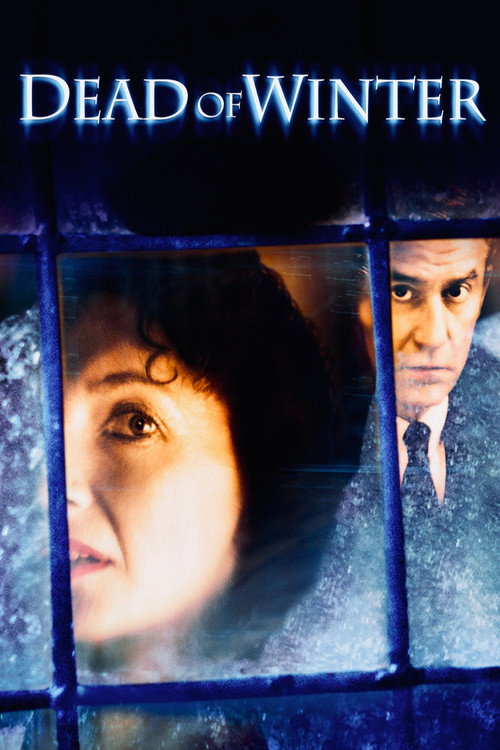
Dead of Winter1987
A woman is isolated in a snowbound mansion where she's gaslighted into doubting her sanity and memory. The architecture is identical: hostile environment, unreliable information, your own mind as the enemy. Genuinely unsettling.
But Eighties production values and a slightly more conventional thriller structure may feel less sophisticated.
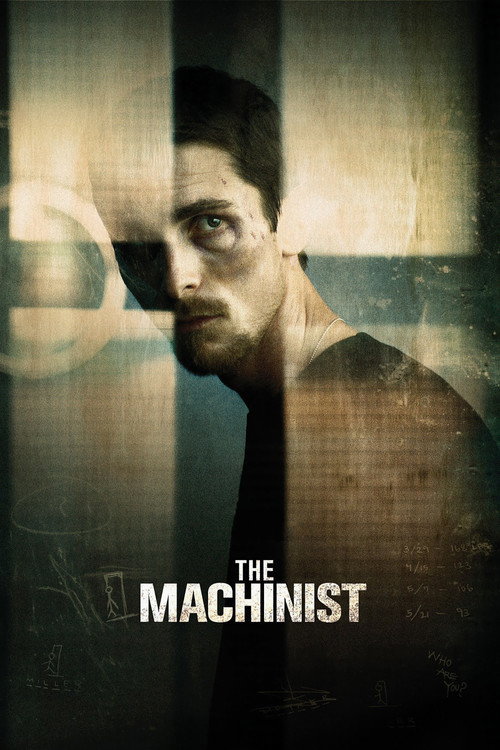
The Machinist2004
A man whose mind is actively destroying him—insomnia slowly erasing his memory and identity. Christian Bale's skeletal performance and the film's monotone visual palette create dread through psychological decay rather than plot twists.
But Nihilistic and bleak to the point of punishing; it doesn't offer catharsis or neat resolution.
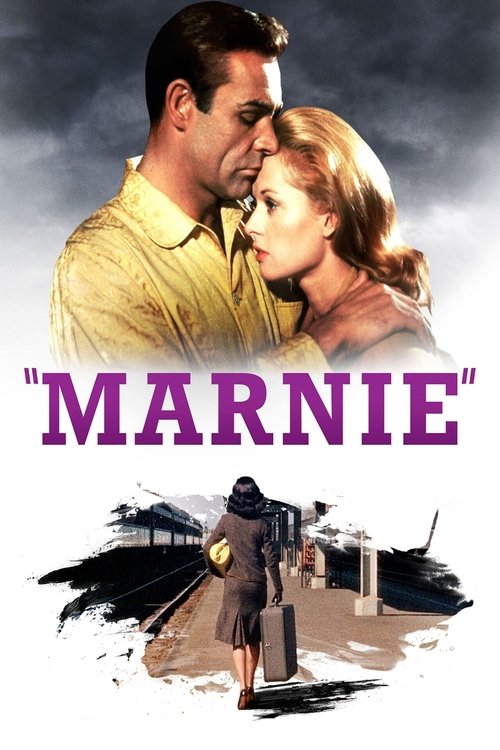
Marnie1964
Hitchcock again: a woman can't remember or won't confront her own violent past, and everyone around her is trying to excavate it. Gorgeous composed filmmaking about being trapped by your own psychological damage.
But The gender dynamics feel very much of their time; some of the male behavior wouldn't survive modern scrutiny.
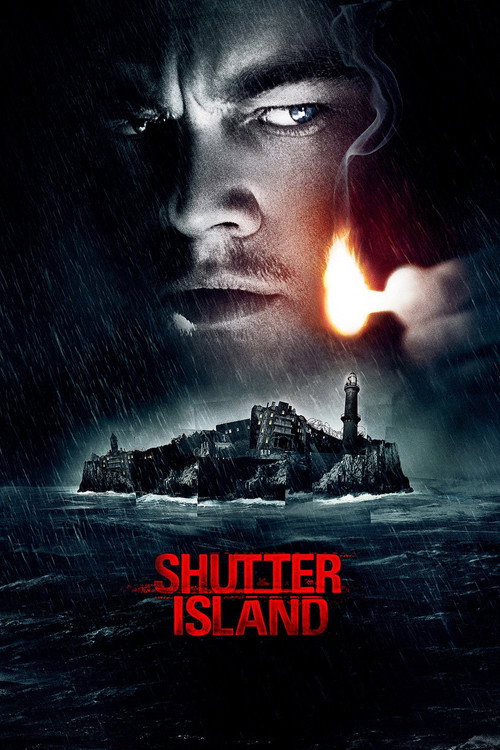
Shutter Island2010
Two US Marshals investigate a disappearance on an island psychiatric hospital. Scorsese constructs an elaborate hall of mirrors where the viewer—like the protagonist—can't trust what's real. Propulsive and pleasurable.
But The twist is heavily foreshadowed and some find it obvious; it's also quite long for what it ultimately says.
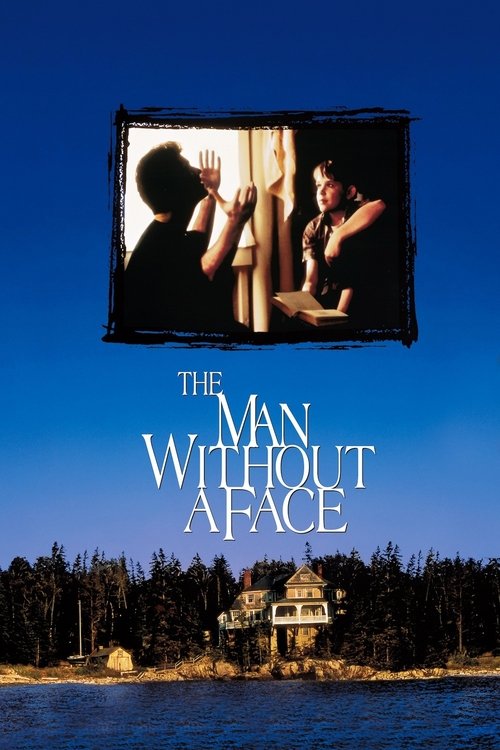
The Man Without a Face1993
Mel Gibson as a disfigured loner tutoring a troubled boy, but the film deliberately withholds what he actually is or did. Mystery and sympathy exist uneasily alongside one another. Subtle and uncomfortable.
But The pacing is deliberate to the point of slowness, and the ending will divide viewers on what it actually means.
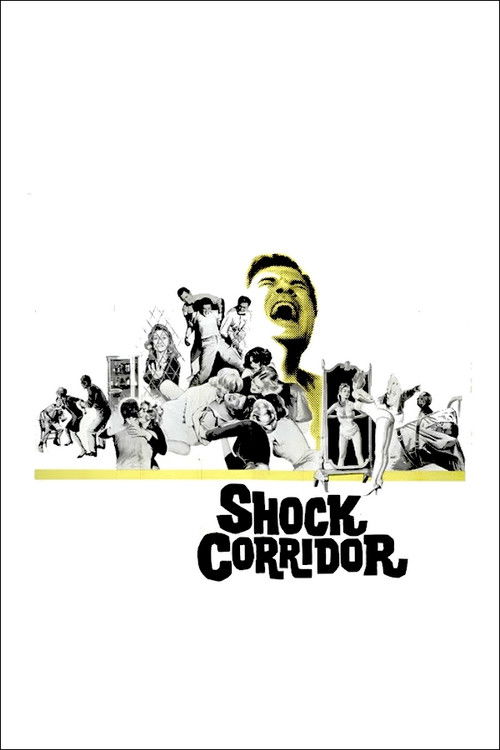
Shock Corridor1963
A journalist checks himself into a psychiatric hospital and loses grip on reality in the process. Samuel Fuller's B-movie masterpiece about the permeability between sanity and madness, shot in vivid color that seems almost feverish.
But Dated attitudes toward mental illness and some very uncomfortable scenes; it's exploitative even as it's brilliant.
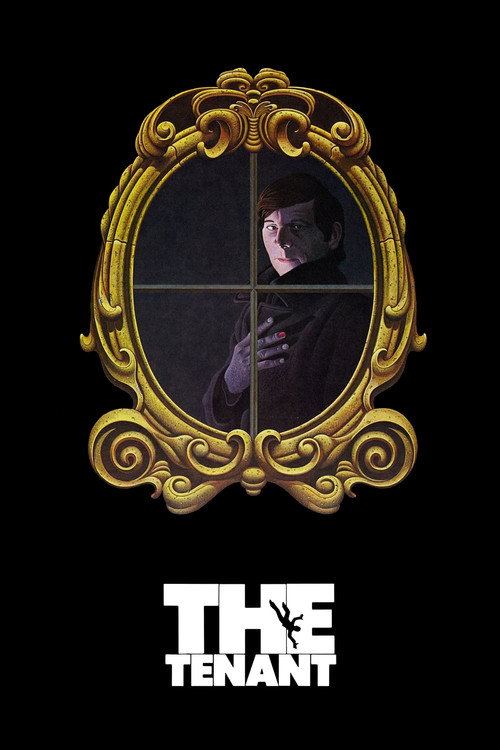
The Tenant1976
Both turn on the question of whether you can trust your own mind when everyone around you tells conflicting stories about who you are. Both suggest you might be the unreliable narrator of your own life.
Polanski as a man renting an apartment where the previous tenant jumped. Neighbors seem hostile; reality warps. Less a plot thriller and more a fever dream about identity dissolving under social pressure. French dialogue, genuinely disorienting.
But Deliberately annoying and maddening; it wants you to feel as unmoored as the protagonist, which is deliberately unpleasant.
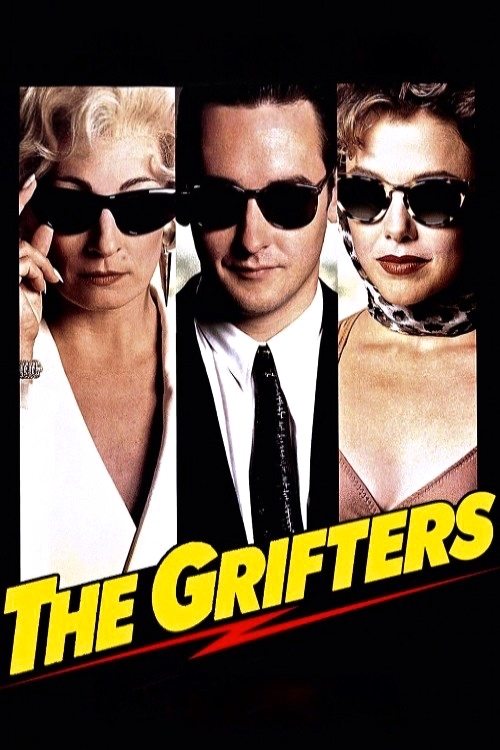
The Grifters1990
Where *The Third Day* asks if you can trust your own mind, *The Grifters* suggests identity itself is a con. Both hinge on the terror of discovering you don't know who you actually are.
A con man's carefully constructed life collapses when his mother—a grifter herself—enters his world. Beau travail of American cinema: every character is performing, identities are fluid and disposable. Scorsese produced; Frears directs with cold precision.
But Morally murky—no one to root for, and the ending is both inevitable and cruel in ways some find hollow rather than truthful.
People
Cast
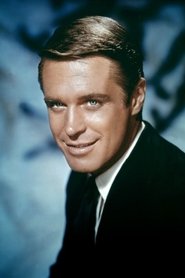 George PeppardSteve Mallory
 Elizabeth AshleyAlexandria Mallory
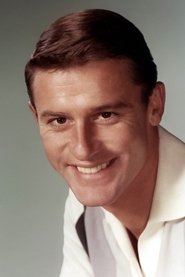 Roddy McDowallOliver Parsons
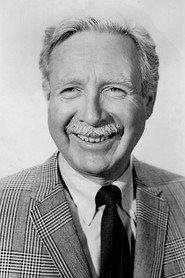 Arthur O'ConnellDr. Wheeler
 Mona WashbourneCatherine Parsons
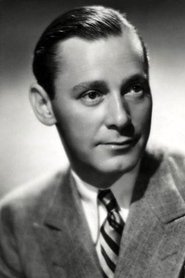 Herbert MarshallAustin Parsons
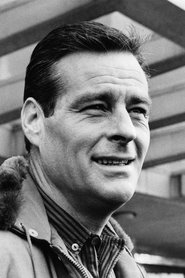 Robert WebberDom Guardiano
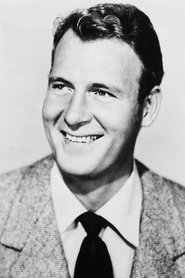 Charles DrakeLawrence Conway
 Sally KellermanHolly Mitchell
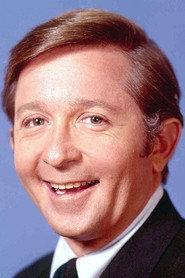 Arte JohnsonLester Aldrich
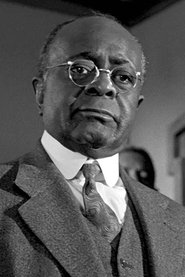 Bill WalkerLogan, Chauffeur
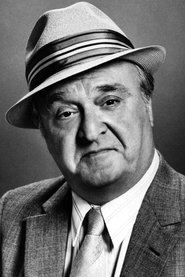 Vincent GardeniaPreston
Directing
- Jack SmightDirector
Writing
- Joseph HayesNovel
- Burton WohlScreenplay
- Robert Presnell Jr.Screenplay
Production
- Jack SmightProducer