
Film
Shock Corridor
- Mystery
- Psychological thriller
- Crime
- Very dark
Samuel Fuller's fever dream of a film about a reporter who fakes insanity to solve a hospital murder. It's deliberately disorienting, gaudy with color, pitched between noir and exploitation, with a killer instinct for institutional cruelty and corruption. For viewers who want cinema to feel dangerous and unmoored from decorum.
Should you watch it?
Watch it if you love lurid, sharp-edged B-movie noir where a provocative premise is pushed hard and the visual boldness does more storytelling than the dialogue does.
Skip it if you need restrained, naturalistic performances or a slow-burn psychological study; the acting is broad, the pacing is brisk, and the melodrama leans into its own sensationalism.
What it asks of you: Roughly ninety minutes of tight, escalating momentum, with little room to breathe; it rewards quick attention and a tolerance for cheap-looking theatrics played straight.
Not sure? Find tonight's pick in a minute.
If you liked this
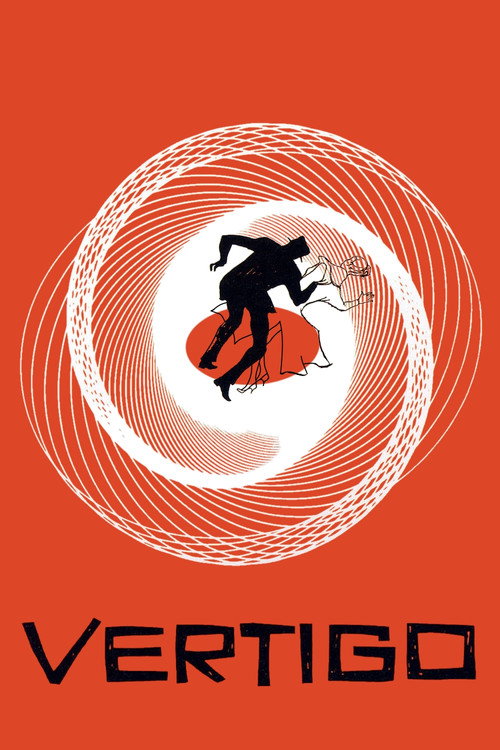
Vertigo1958
Hitchcock's obsessive, spiraling masterpiece about a man haunted by an image. Like Shock Corridor, it's visually intoxicating and morally rotten at its core, making you complicit in watching someone's breakdown.
But Slow by modern standards, and the sexual politics are deeply uncomfortable. It asks a lot of patience for its length.
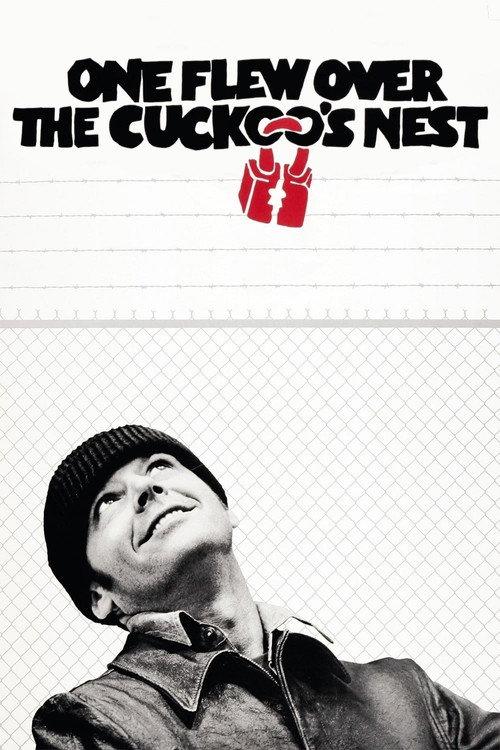
One Flew Over the Cuckoo's Nest1975
Another infiltration narrative set inside a mental hospital, but where Fuller was elliptical and nightmarish, Milos Forman is theatrical and enraging. Both understand institutions as machines designed to crush individuality.
But The broad performances and heavy-handed messaging can feel dated. It's less interested in ambiguity than Fuller is.
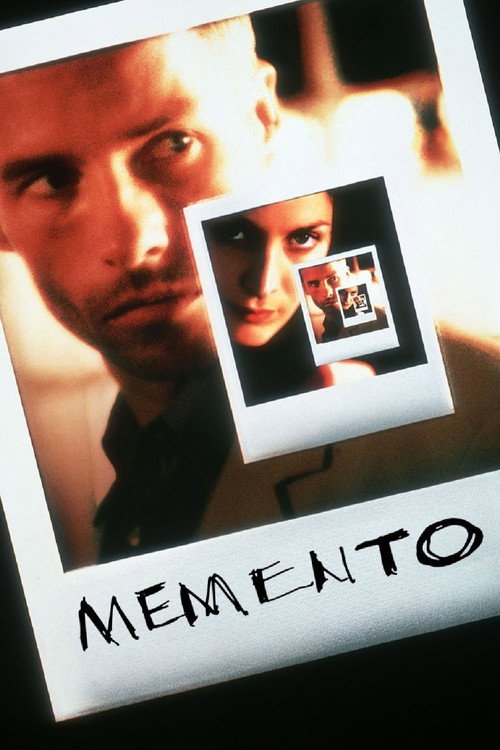
Memento2000
Christopher Nolan borrows Fuller's trick of making the viewer's disorientation part of the story. Fractured, dizzying, and obsessed with whether its protagonist can trust his own mind. Formally inventive in ways that echo the earlier film.
But The gimmick of reversed chronology can overshadow character. It's more puzzle than emotion, which some find exhausting.
Not sure tonight? Get a pick in a minute, starting from Shock Corridor
The wildcard
Something you would not have found on your own.
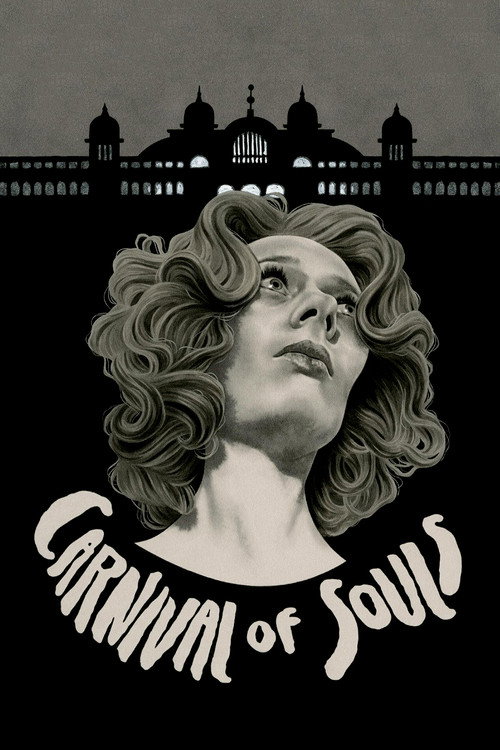
Carnival of Souls1962
Both use the horror-film grammar of the grotesque and the uncanny to tell stories about psychological fracture. Both make you feel unwell without relying on gore.
Herk Harvey's low-budget independent film is a nightmare in grayscale about a woman who may be dead, haunting her own life. Like Fuller, Harvey uses formal strangeness—wrong sound design, uncanny editing—to make the viewer doubt reality itself. Both are exploitation cinema made beautiful and terrifying.
But The budget constraints are visible, and the acting is occasionally stilted. It's a cult film for a reason: mainstream audiences found it too strange and slow.
More like this (8)
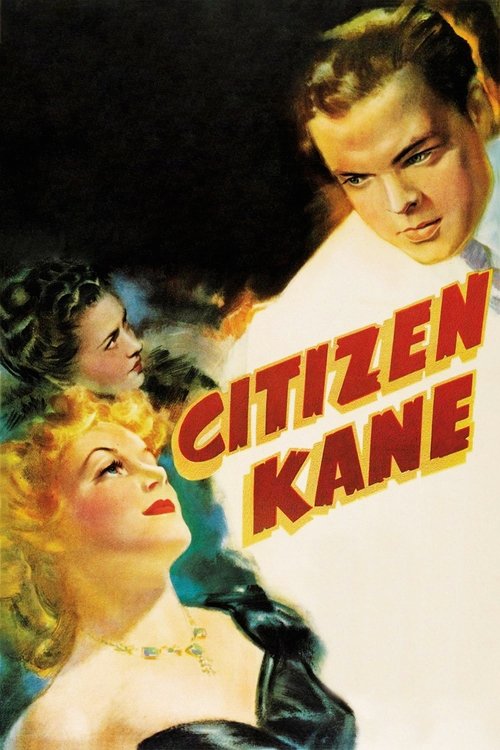
Citizen Kane1941
Both films are about the obsessive pursuit of truth through a corrupted institution, told through fragmented, formally inventive storytelling. Welles also uses color and composition to destabilize the viewer's sense of reality.
But It's a canonical masterpiece that everyone feels they should watch. That weight of expectation can get in the way of just enjoying it.
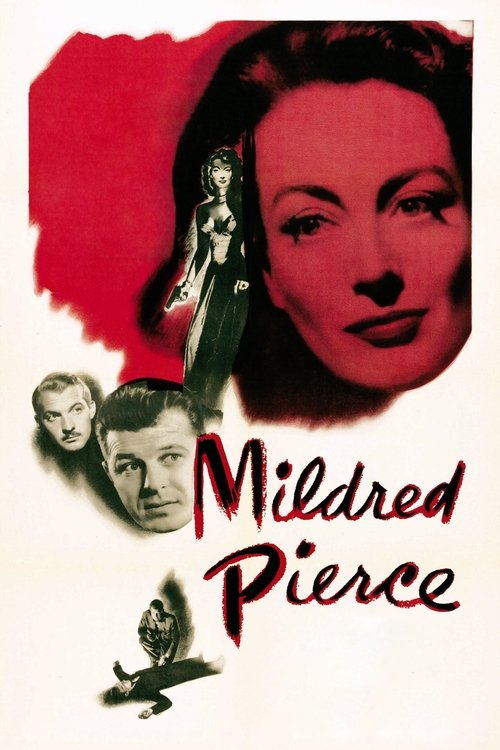
Mildred Pierce1945
Michael Curtiz's noir uses institutional settings—a restaurant, a hotel—to trap its characters. Like Fuller, it's fascinated by corruption wearing respectable clothes, and by people who scheme their way into hell.
But The pacing is deliberate and the emotional register is subdued. It won't give you the kinetic energy you might want from a mystery.
The Third Man1949
Carol Reed's Vienna is as disorienting and morally compromised as Fuller's hospital. Both films use their settings as characters, and both are about the impossibility of knowing truth in a world built on lies.
But It's a post-war espionage film with a languid pace. If you want plot momentum, you'll find yourself waiting.

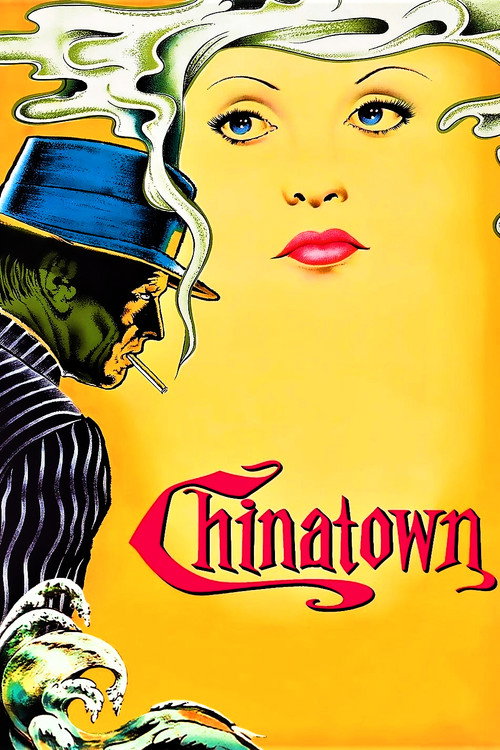
Chinatown1974
Polanski's LA noir about institutional corruption and the futility of seeking truth. Like Fuller, he understands that institutions protect their own, and that knowing the truth can destroy you.
But It's a bleak film with a bleak ending. The misogyny is woven into the story itself, which some viewers find difficult to move past.
Sunrise: A Song of Two Humans1927
F.W. Murnau's German expressionist masterpiece uses distorted sets and psychological lighting to create mental states visually. Like Fuller, he's obsessed with showing the interior through the exterior, madness through mise-en-scène.
But It's silent, and nearly a century old. The pacing and emotional register will feel entirely foreign if you're not prepared for it.

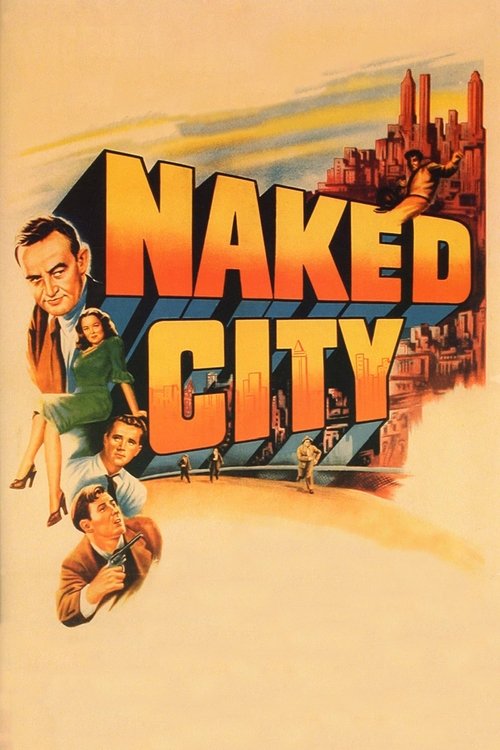
The Naked City1948
Jules Dassin's NYC procedural about a murder investigation is sharp and energetic, with the same interest in institutional machinery and the way power operates behind closed doors. It moves faster than Fuller, but scratches the same itch.
But It's a conventional crime story, which means it's less visually or narratively ambitious than Shock Corridor. It's comfort food rather than provocation.
Stalker1979
Both films are about men pursuing truth into structures designed to prevent them from finding it. Both suggest that the self cannot be trusted.
Tarkovsky's science-fiction meditation on desire and self-deception unfolds at a glacial pace through a mysterious zone. Where Fuller is jagged and aggressive, Tarkovsky is meditative, but both are fascinated by the way institutional and psychological spaces trap us in false beliefs about ourselves.
But At 163 minutes, it requires total surrender. There's almost no plot, and the rewards are philosophical rather than narrative. Most viewers will find it tedious.

Possession1981
Both films treat the cinema itself as a space of psychological torment, using artificiality and theatrical excess as tools for showing interior states. Both are assaults, not invitations.
Andrzej Żuławski's deranged marital psychodrama is a howl of anguish told through fractured editing, grotesque imagery, and performances pitched at operatic intensity. Like Fuller, Żuławski uses visual chaos and institutional spaces—airports, metro stations, apartments—to externalize mental breakdown. This is what Shock Corridor would look like remade by someone experiencing a genuine crisis.
But It's extremely unpleasant to watch. Graphic, violent, and deliberately difficult. The divorce-as-horror-film concept is brilliant but grueling, and the creature effects are deliberately silly in ways that undercut the intensity.

People
Cast
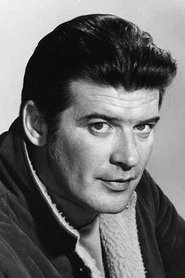 Peter BreckJohnny Barrett
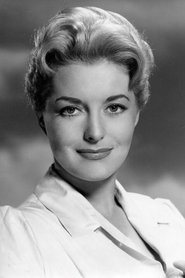 Constance TowersCathy
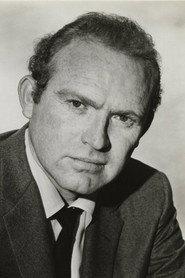 Gene EvansBoden
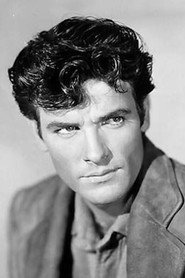 James BestStuart
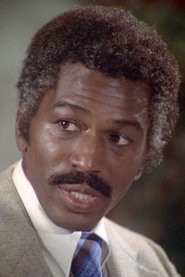 Hari RhodesTrent
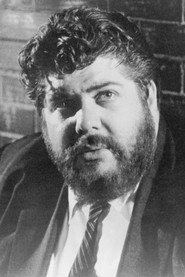 Larry TuckerPagliacci
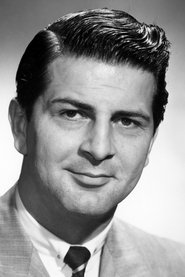 Paul DubovDr. Menkin
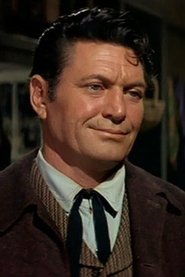 Chuck RobersonWilkes
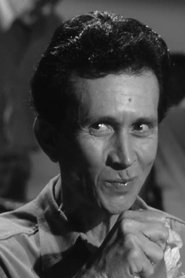 Neyle MorrowPsycho
- John MatthewsDr. Cristo
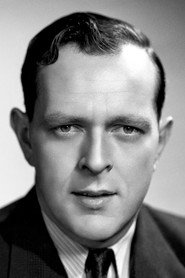 Bill ZuckertSwanee
- John CraigLloyd
Directing
- Floyd JoyerAssistant Director
- Samuel FullerDirector
- Mary ChaffeeScript Supervisor
Writing
- Samuel FullerScreenplay
Production
- Leon FromkessExecutive Producer
- Sam FirksExecutive Producer
- Samuel FullerProducer
- Herbert G. LuftProducer's Assistant
- Rudolph C. FlothowProduction Manager
Recommended by
The Cabinet of Dr. Caligari, The Snake Pit, Absolute Power, Strait-Jacket, Johnny Suede, Lizzie, The Sleeping Car Murders, Signpost to Murder, The Third Day, The Hothouse