
Film
Lizzie
A taut 1957 psychodrama starring Eleanor Parker as a woman fragmented across three distinct personalities—neurotic Elizabeth, uninhibited Lizzie, and charming Beth. Richard Boone's psychiatrist navigates the fractured interior landscape of her mind. It's clinical yet intimate, more interested in the texture of dissociation than melodrama. For viewers who want their psychological horror grounded in character and moral ambiguity rather than supernatural thrills.
If you liked this
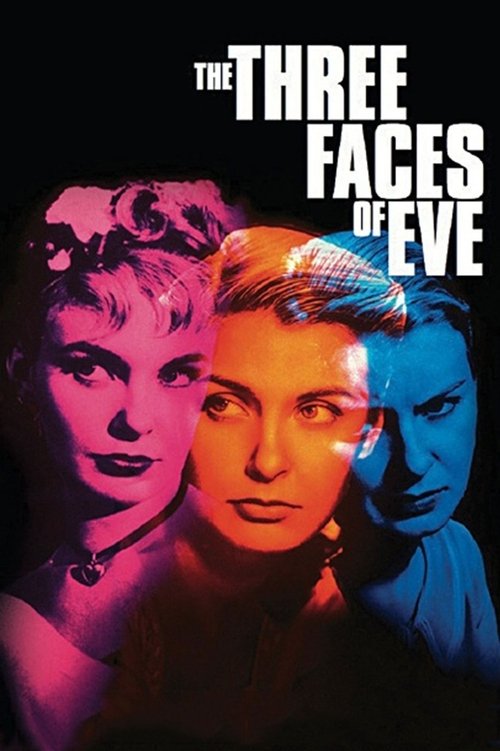
The Three Faces of Eve1957
Released the same year, this Joanne Woodward vehicle covers similar psychological territory with three distinct personalities. A direct peer that clarifies what Lizzie was attempting and how differently two studios approached dissociative identity.
But Feels more like a clinical textbook lesson than a character study. The dramatic peaks are gentler, and the resolution is more tidy than psychologically honest.
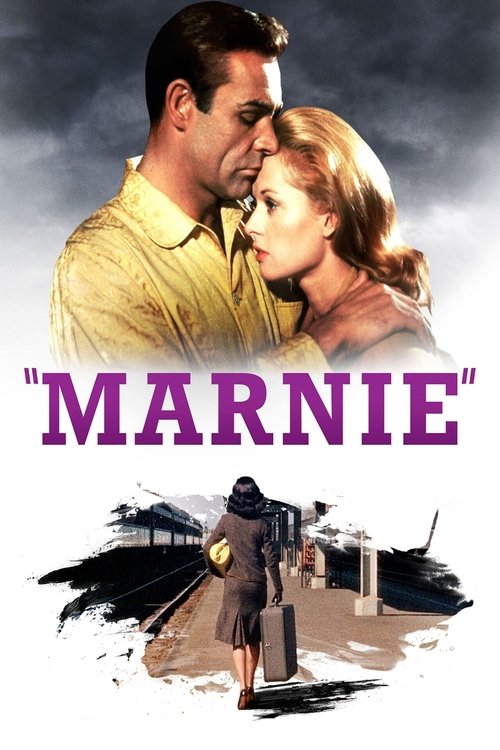
Marnie1964
Hitchcock's dissection of a woman whose fractured psyche manifests in compulsive behaviour. Both films treat psychological damage as narrative texture rather than explanation, and both demand you sit with discomfort.
But Marnie's thriller machinery can overshadow the character work. Tippi Hedren's performance is glacial by design, which some find remote rather than revealing.
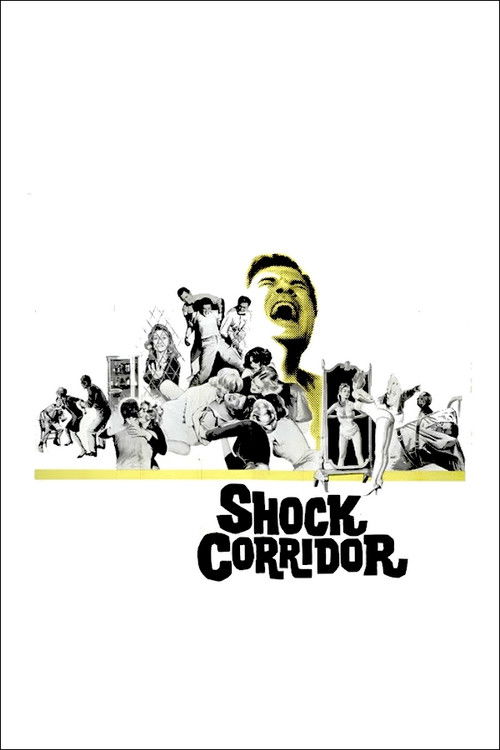
Shock Corridor1963
Samuel Fuller's asylum nightmare uses genre and fractured storytelling to explore mental illness and institutional failure. Visually audacious where Lizzie is restrained, but both distrust easy answers about sanity and treatment.
But Deliberately sensational and unhinged. Fuller's style can feel exploitative, and the plot mechanics sometimes overwhelm the psychological inquiry.
Not sure tonight? Get a pick in a minute, starting from Lizzie
The wildcard
Something you would not have found on your own.
The Seventh Seal1957
Both 1957 films about minds in crisis using austerity and formal control to explore fragmentation; both trust the viewer to find meaning without exposition.
Bergman made this the same year Lizzie was released, a meditation on consciousness, mortality, and the fractured self facing ultimate questions. Both are 1950s chamber pieces about interior dissolution rendered through visual precision and philosophical weight.
But Allegorical and abstract. If you want psychology explained, this offers only symbol and existential dread. It's also in Swedish and moves at its own meditative pace.

More like this (8)
I Never Promised You a Rose Garden1977
Focuses on the relationship between analyst and patient as a woman works through schizophrenia. Gentler than Lizzie but equally committed to interior experience and the possibility of healing through connection.
But Deliberately slow and meditative. Some viewers find the lack of narrative propulsion feels like stalling rather than depth.

The Cabinet of Dr. Caligari1920
German Expressionism's masterwork uses distorted production design to visualize psychological unreliability. A ancestor of Lizzie's project: making inner fragmentation visible through formal choices.
But Silent, heavily stylized, from 1920. The narrative is simple and the pacing glacial by modern standards. The acting is theatrical in ways contemporary viewers often find difficult.

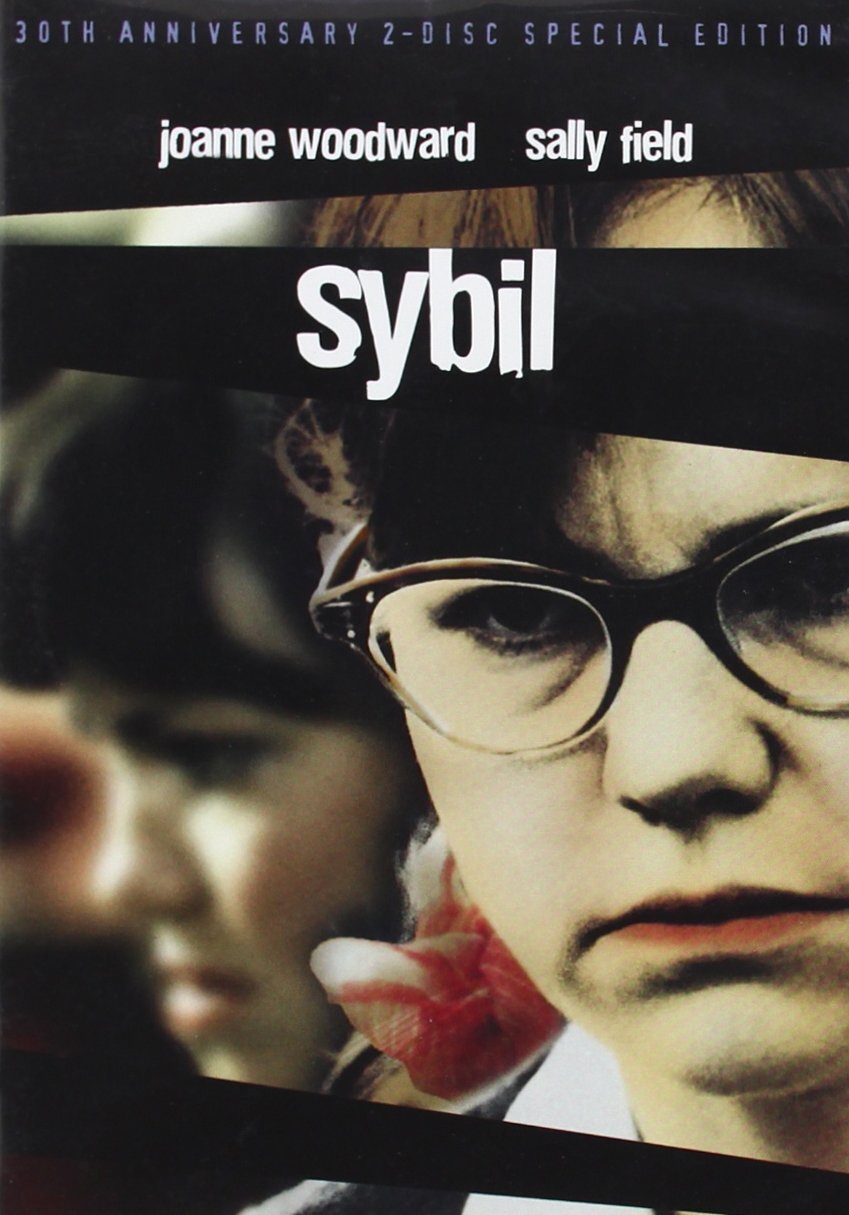
Sybil1976
Made-for-TV adaptation of the famous case study, with Sally Field as a woman with sixteen distinct personalities. More expansive than Lizzie, more sympathetic to the patient, and mesmerizing in its commitment to showing multiplicity.
But Leans toward the sensational. Field's performance can feel like switching between obvious character types rather than exploring deeper fragmentation. Somewhat dated in its psychology.
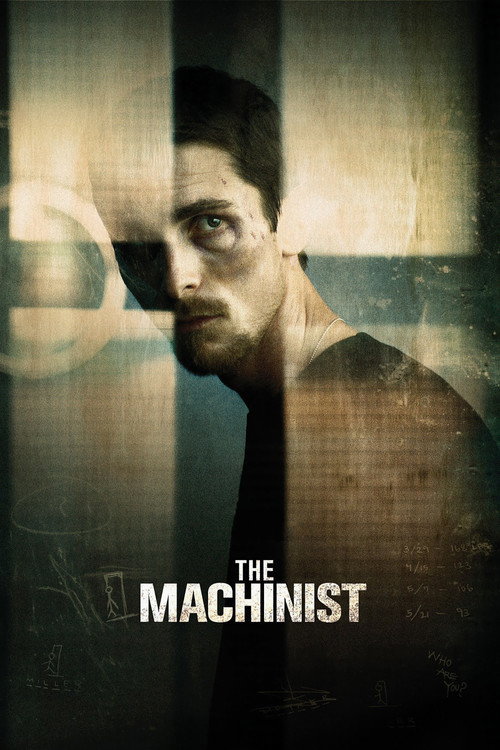
The Machinist2004
Christian Bale's skeletal performance in a film about a man unraveling psychologically. Like Lizzie, it trusts the audience to sit with fractured chronology and uncertain reality without spelling everything out.
But Aggressively bleak and punishing. The twist ending can feel like a betrayal rather than a revelation, and the film demands a second viewing to work properly.
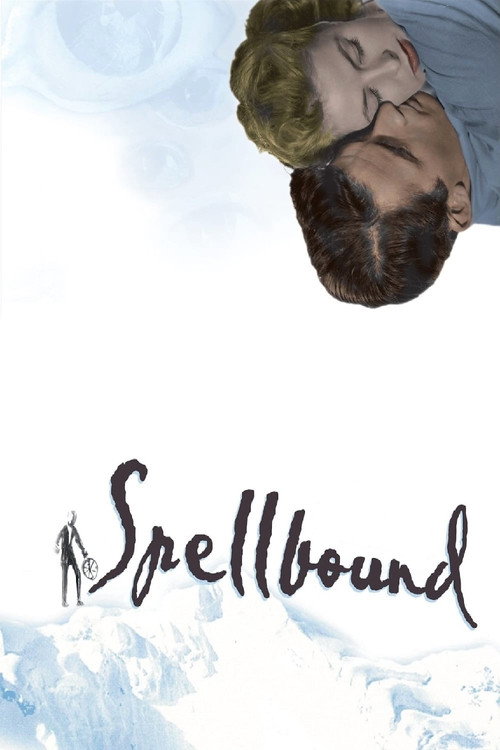
Spellbound1945
Hitchcock and Bergman explore psychoanalysis and buried trauma with dream sequences designed by Dalí. Glamorous where Lizzie is austere, but both treat therapy as narrative and mystery simultaneously.
But Hitchcock's psychology is period-specific and sometimes glib. The romantic plot can feel like it undercuts the serious material about trauma.
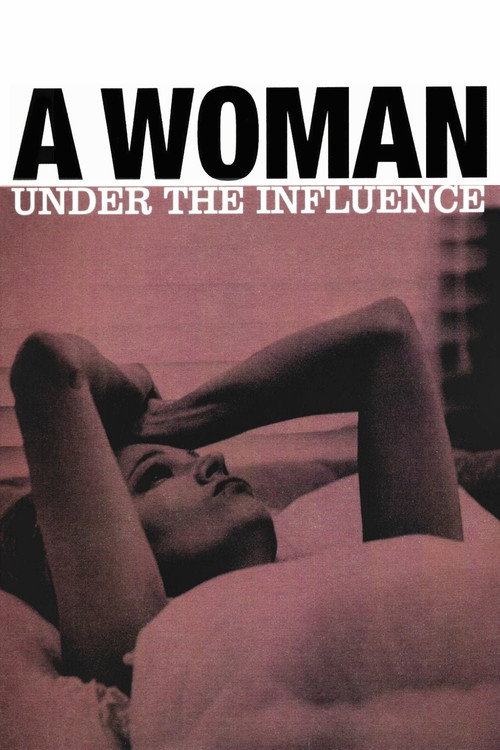
A Woman Under the Influence1974
Cassavetes' brutal portrait of a woman coming apart, performed by Gena Rowlands with ferocious commitment. Rawer and more socially conscious than Lizzie, but shares its refusal to prettify mental illness.
But Excruciating to watch. The handheld camerawork and improvisational style feel chaotic rather than illuminating. Family dynamics overwhelm the psychological exploration for some viewers.
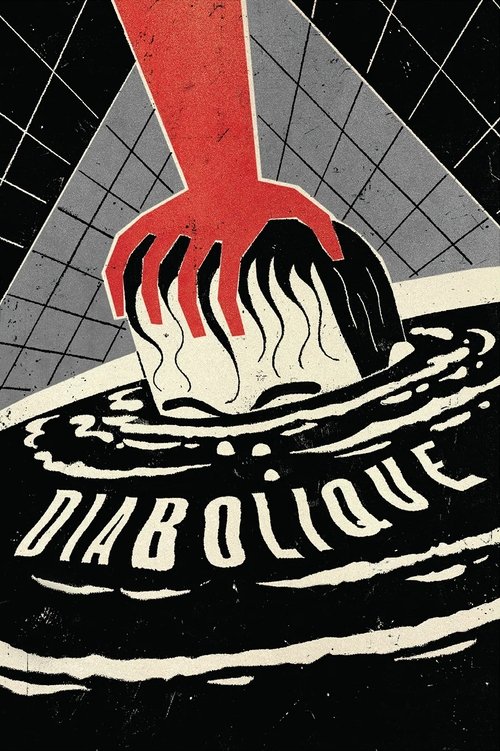
Diabolique1955
Both explore how psychological states manifest through physical space and gesture; both distrust external solutions to internal warfare.
Clouzot's psychological thriller uses genre machinery to explore power, complicity, and the fractured domestic psyche. Unlike Lizzie's medical framework, this weaponizes psychology within a marriage, but both reveal interior states through behaviour and visual storytelling.
But French, subtitled, and the pacing is deliberately slow-burn. The famous set piece is iconic but everything leading to it requires patience. Some moments feel dated in their gender politics.
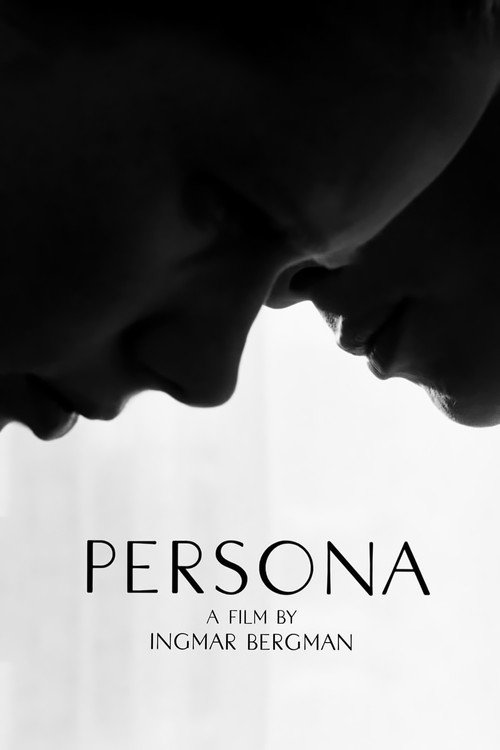
Persona1966
Both stage identity as multiplicity that cannot be reduced to a single self; both use formal precision and minimal narrative to explore the impossibility of singular consciousness.
Bergman's ultimate exploration of fractured identity and the relationship between two women—one silent, one speaking. What Lizzie does through diagnosis and therapy, Persona does through pure cinema: identity as constructed, borrowed, performed, lost.
But Hermetic and experimental. Narrative dissolves into abstraction. If you're watching for plot or clarity, you'll leave frustrated. Demands active interpretation and multiple viewings.
People
Cast
 Eleanor ParkerElizabeth Richmond
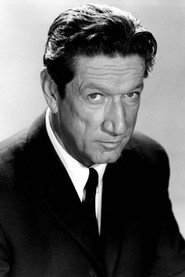 Richard BooneDr. Neal Wright
 Joan BlondellAunt Morgan
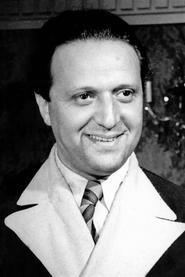 Hugo HaasWalter Brenner
- Ric RomanJohnny Valenzo
 Dorothy ArnoldElizabeth's Mother
- John ReachRobin
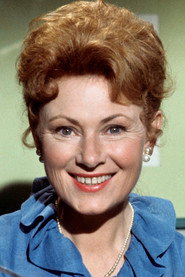 Marion RossRuth Seaton
 Johnny MathisPiano Singer
Directing
- Hugo HaasDirector
- Gloria AlexanderScript Supervisor
Writing
- Shirley JacksonNovel
- Mel DinelliScreenplay
Production
- Kirk DouglasExecutive Producer
- Jerry BreslerProducer