Television series
Sybil
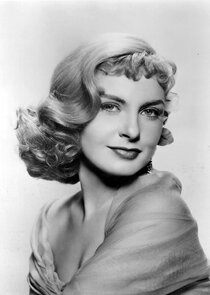
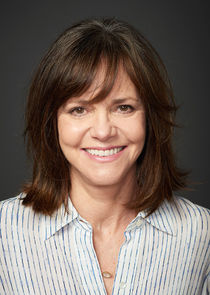
This two-part 1976 TV movie is one of the defining pieces of American television drama: Sally Field's Emmy-winning performance as a woman whose childhood abuse splits her into sixteen personas, unpacked slowly by Joanne Woodward's psychiatrist. Sincere, unhurried, occasionally startling — issue-driven television at its most ambitious, made for viewers who want their drama serious and their trauma taken seriously.
If you liked this
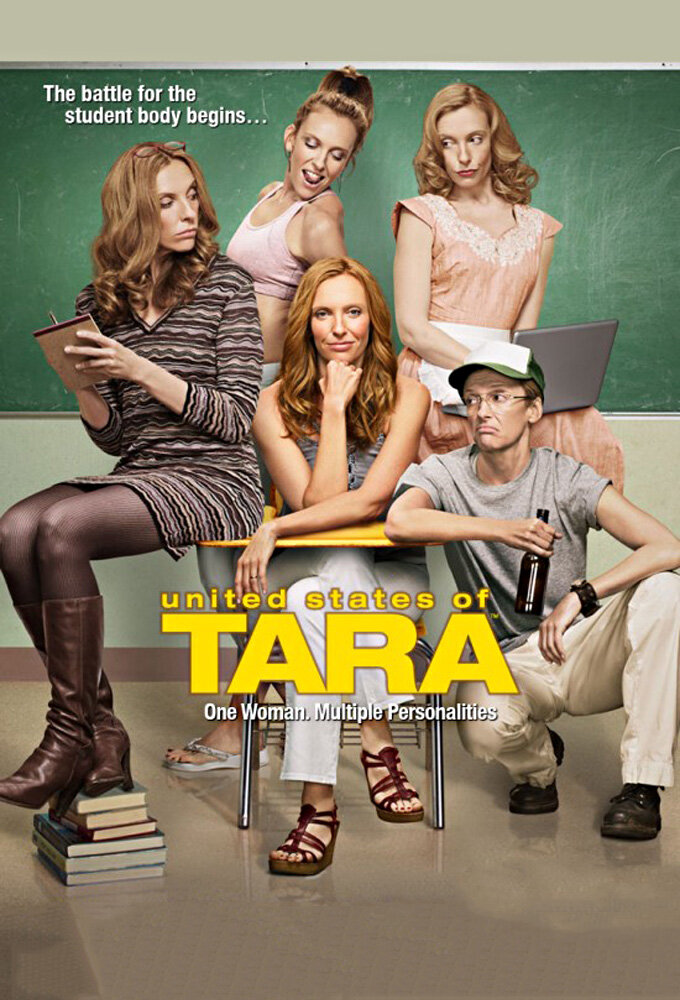
United States of Tara2009
Toni Collette flips between personas at the breakfast table, and Diablo Cody's writing finds gallows humor in the exact condition "Sybil" treats with total solemnity — same diagnosis, but lived-in and messy.
But The tonal shifts between sitcom and heartbreak can feel whiplash-inducing, and it was cancelled mid-arc, so the ending never quite lands.
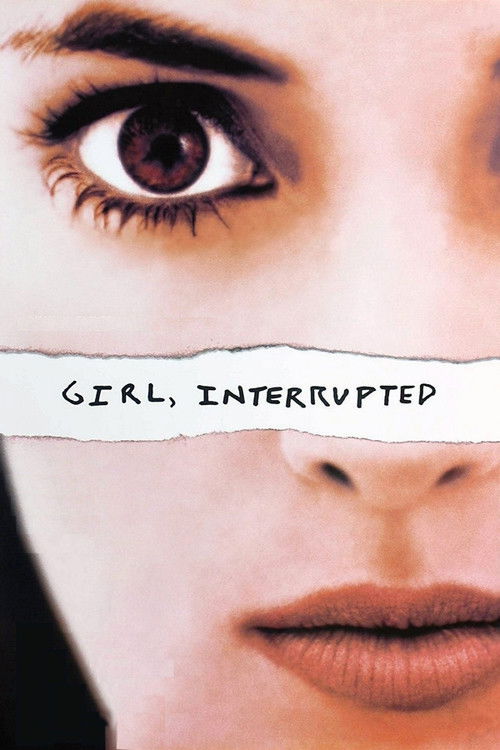
Girl, Interrupted1999
Winona Ryder and Angelina Jolie inside a 1960s psychiatric ward, adapted from Susanna Kaysen's memoir — less about diagnosis than about who gets believed and who gets locked up.
But It romanticizes institutional rebellion in ways that feel dated now, and Jolie's Oscar-winning performance somewhat eclipses the quieter story around her.
The Prince of Tides1991no page yet
Nick Nolte unpacks a buried Southern childhood for his sister's psychiatrist, played by Barbra Streisand, in a lush, unabashedly emotional drama about how families conspire to forget.
But It's melodramatic and occasionally overwrought, and the therapist-patient romance subplot hasn't aged especially well.
The wildcard
Something you would not have found on your own.
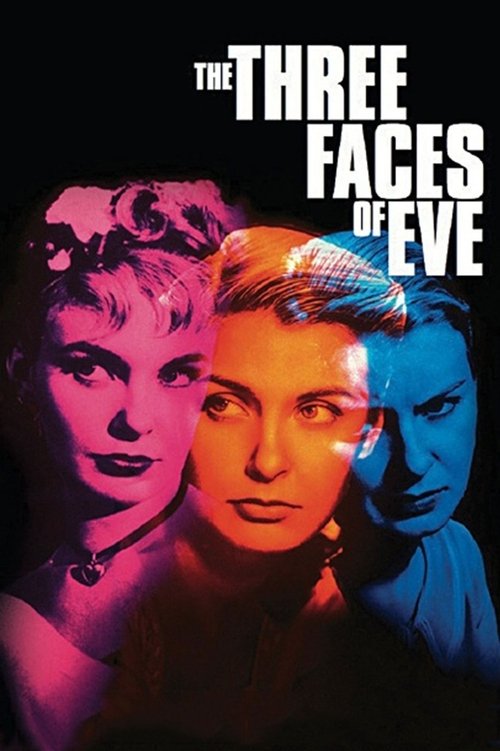
The Three Faces of Eve1957
Joanne Woodward starred as the DID patient in this earlier film, then went on to play the psychiatrist treating Sybil — an eerie inversion by the same actress in the genre's founding text.
Joanne Woodward won her Oscar playing the multiple-personality patient two decades before she played Sybil's psychiatrist — watch the same actress from the other side of the desk, in the film that invented this genre.
But It's stiff and clinical by modern standards, more restrained 1950s message-picture than the raw performance you get from Sally Field.
More like this (8)
Nuts1987no page yet
Barbra Streisand fights a courtroom battle over her own sanity, forcing the film to ask a question Sybil never quite does: who has the right to decide what happened to you?
But It's stagey and dialogue-heavy, adapted from a play, so it can feel more like a legal argument than a drama.
Frankie & Alice2010no page yet
Halle Berry plays a go-go dancer whose alternate personality is a genteel 1950s racist, a wilder, pulpier take on dissociative identity that still takes the condition seriously underneath the pulp.
But Critics were split — the tabloid-ready premise sometimes undercuts the sincerity Berry's performance is reaching for.
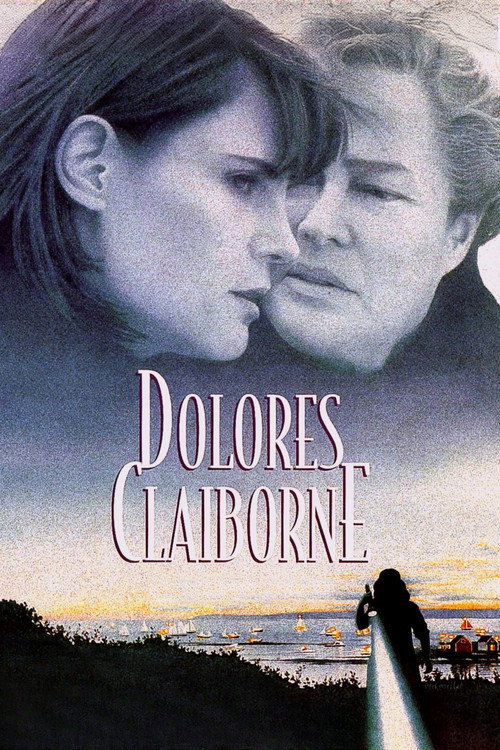
Dolores Claiborne1995
Kathy Bates carries decades of buried abuse and a mother-daughter estrangement in this Stephen King adaptation, where memory, guilt and survival tangle together as tightly as they do for Sybil.
But It's bleak and slow-burning, more character study than thriller despite its murder-mystery framing.
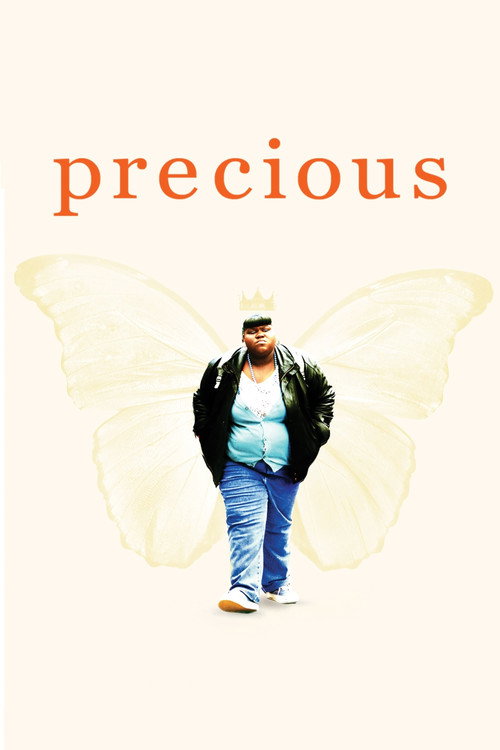
Precious: Based on the Novel 'Push' by Sapphire2009
Gabourey Sidibe's unflinching performance as a Harlem teenager surviving her mother's abuse shares Sybil's raw nerve — trauma rendered without softening, and a path out of it that's hard-won.
But It's genuinely harrowing with little relief, and some found its suffering-as-spectacle approach exploitative.
Mommy Dead and Dearest2017no page yet
Faye Dunaway's operatic performance as an abusive mother turned this into a camp classic almost by accident — a stranger companion piece to Sybil's own monstrous mother than you'd expect.
But It's been so thoroughly reclaimed as camp that its real subject — child abuse — gets buried under "no wire hangers" memes.
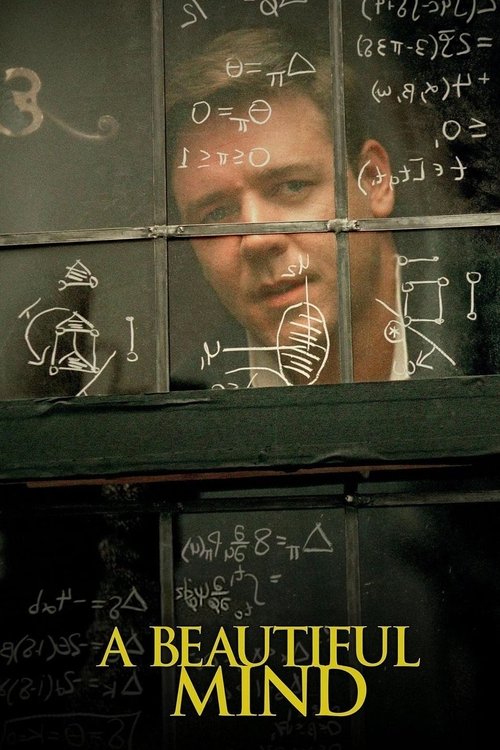
A Beautiful Mind2001
Russell Crowe's Oscar-winning turn as a mathematician unraveling into schizophrenia shares Sybil's interest in how a mind protects itself from unbearable reality, even at the cost of the truth.
But It smooths over the real John Nash's rougher edges, and its uplift ending is far gentler than the condition it depicts deserves.
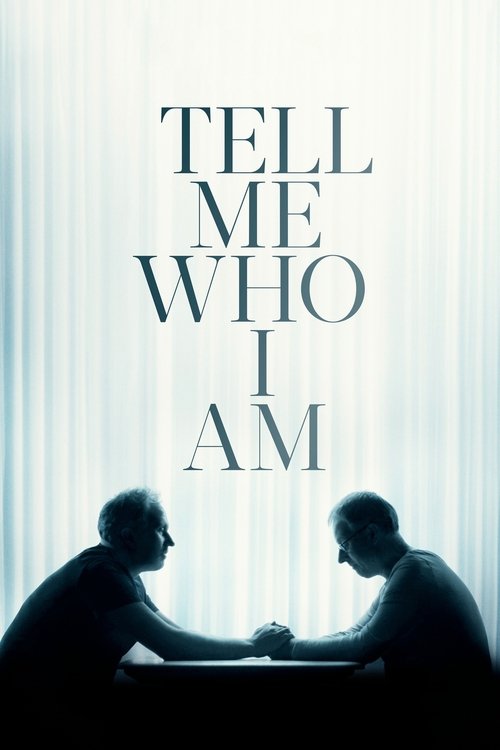
Tell Me Who I Am2019
Sybil's case became notorious for questions about recovered memory and therapeutic suggestion; this documentary follows a real family wrestling with the same fault line between memory, trauma and truth.
A real set of twins confronts a repressed memory of childhood abuse decades later, and the documentary sits with the same unsettled question Sybil's critics later raised: what do we do when memory can't be verified?
But It's a slow, quiet documentary with none of the dramatic release fiction allows, and its central revelation is genuinely upsetting.
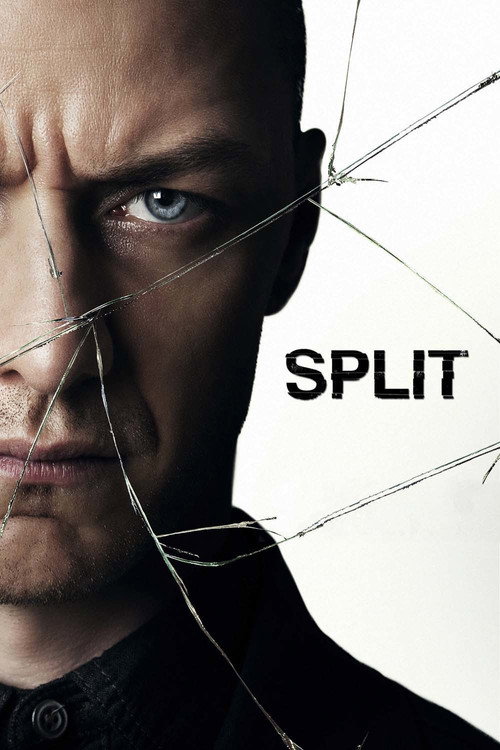
Split2017
Same dissociative-identity premise as Sybil, stripped of its therapeutic frame and rebuilt as pulp horror — proof of how far the same clinical idea can travel in register.
James McAvoy cycles through two dozen personalities as a horror-movie villain, taking Sybil's exact clinical premise and running it through Shyamalan's genre machinery — same condition, dialed up into a monster movie.
But It sensationalizes a real diagnosis for scares, and its late twist reveals a commitment to a shared cinematic universe some will find silly.