
Film
A Beautiful Mind
Ron Howard's Oscar-winning biopic turns the true story of mathematician John Nash into a slow-motion magic trick: what looks like a Cold War thriller about codebreaking gradually reveals itself as something else entirely. Russell Crowe plays Nash across five decades, from arrogant genius to fragile survivor, with Jennifer Connelly as the wife who stays. Handsome, moving, occasionally over-tidy — comfort-food prestige cinema with real ache underneath.
If you liked this
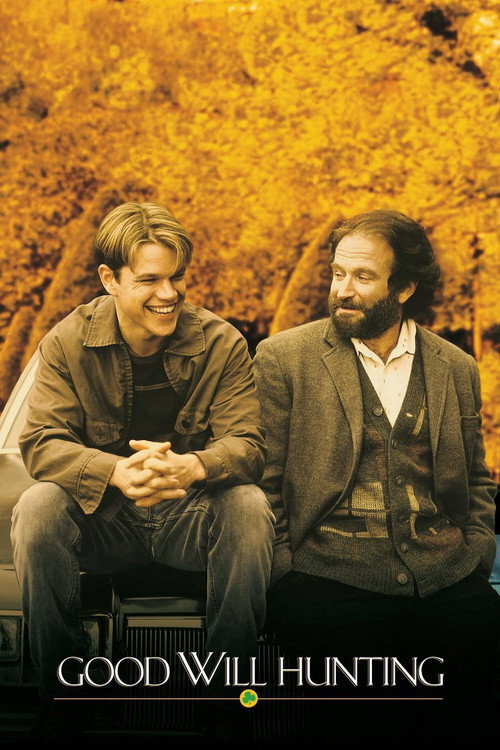
Good Will Hunting1997
Another wounded genius story, but stripped of thriller trappings — just a brilliant, prickly young man being talked, slowly and stubbornly, into trusting other people. Robin Williams anchors it with warmth that never curdles into sentimentality.
But More talky and theatrical than cinematic; the therapy-session structure can feel like a filmed play.
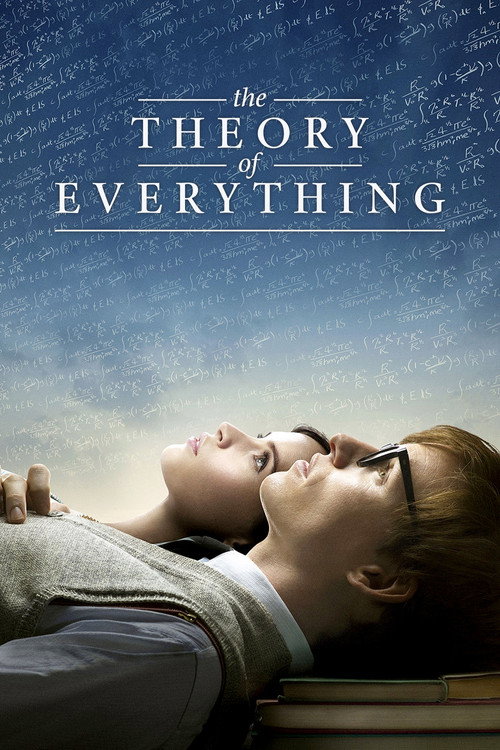
The Theory of Everything2014
Same genre engine — genius, marriage, illness, awards season sheen — but pointed at Stephen Hawking instead of Nash, with Eddie Redmayne's performance doing the heavy lifting through physical transformation rather than mental unraveling.
But Just as polished and safe as this one, so if you wanted less prestige gloss, look elsewhere.
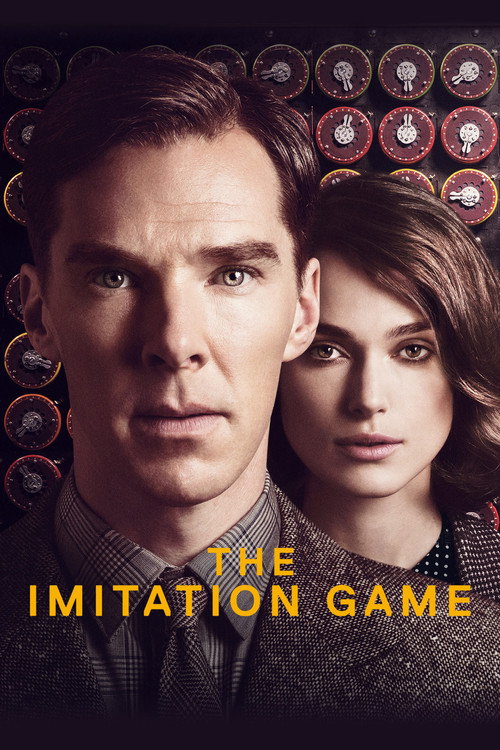
The Imitation Game2014
Cryptography, secrecy, a brilliant mind at war with itself and with the people around him — Cumberbatch's Alan Turing scratches the same itch Nash's fake espionage plot does, minus the fabrication.
But Takes real historical liberties of its own, and its emotional beats can feel calculated rather than earned.
The wildcard
Something you would not have found on your own.
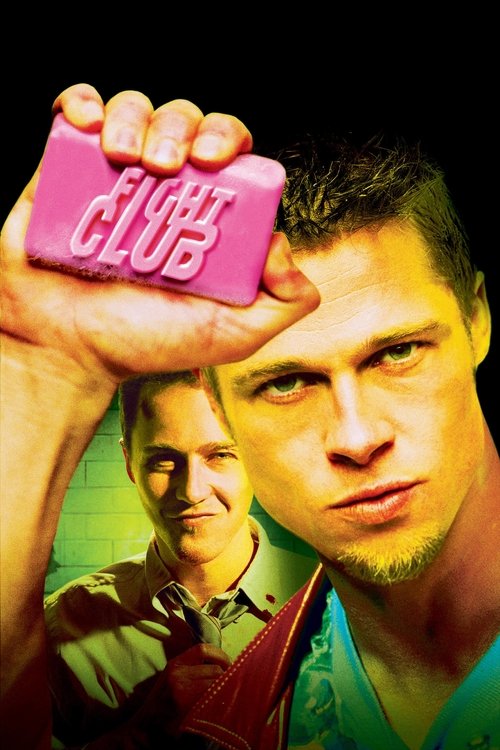
Fight Club1999
Both films build entirely around a hallucinated companion the audience believes is real until the story yanks the floor out — same magic trick, opposite register: one wants you devastated, the other wants you thrilled.
The same startling structural trick — a magnetic companion who turns out to be a symptom, not a person — but played for anarchic, id-driven thrills rather than tragedy, with Tyler Durden as gleeful antagonist instead of tender delusion.
But Aggressively masculine, deliberately provocative and prone to being misread as endorsing the violence it's actually satirizing.
More like this (8)
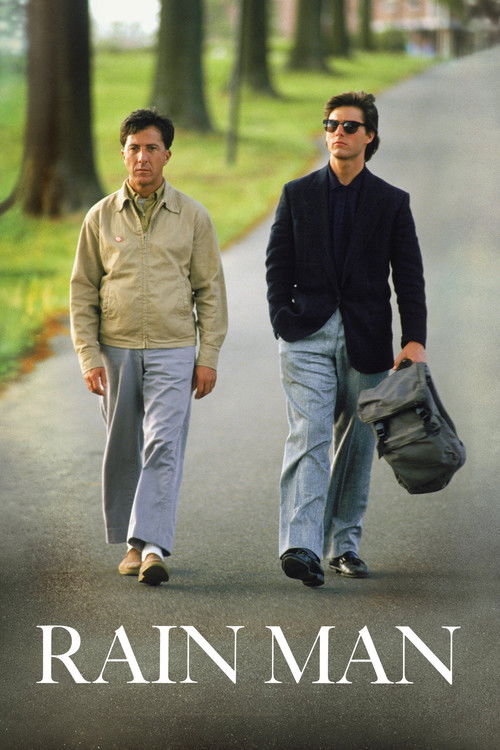
Rain Man1988
The granddaddy of the mainstream mental-difference drama. Dustin Hoffman's autistic savant and Tom Cruise's hustler brother turn a road trip into something genuinely tender without pretending disability is a superpower.
But Dated in its understanding of autism, and the sentimentality runs thicker than this film ever allows.
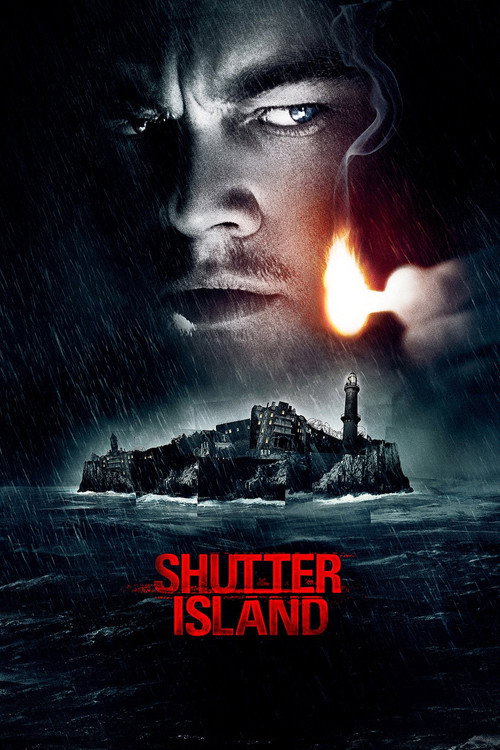
Shutter Island2010
DiCaprio, a U.S. Marshal investigating a disappearance at an asylum, discovers reality is not what it seems — a pulpier, more Gothic cousin to Nash's own unreliable perception, with Scorsese's showmanship dialed to eleven.
But The twist is heavily signposted if you've seen a few of these before, which can make the runtime feel long.
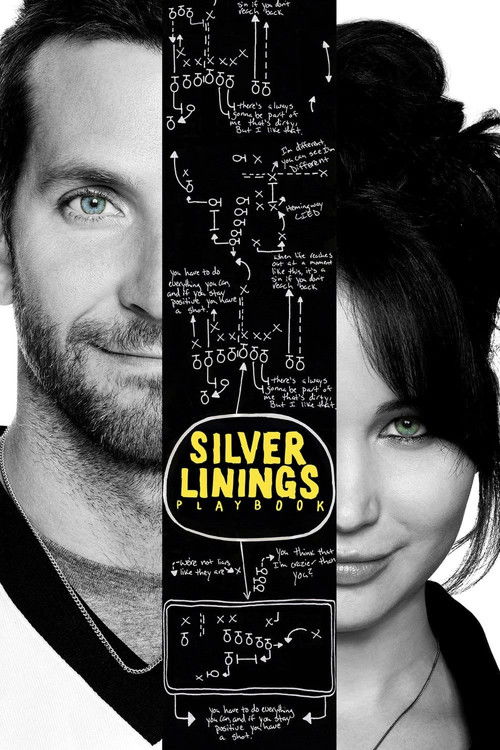
Silver Linings Playbook2012
Bipolar disorder played for warmth, comedy and genuine romance rather than tragedy — proof the mental-illness-and-love story doesn't need a Nobel Prize attached to land emotionally.
But The tone swings wildly between screwball comedy and real distress, which some viewers find tonally unstable.
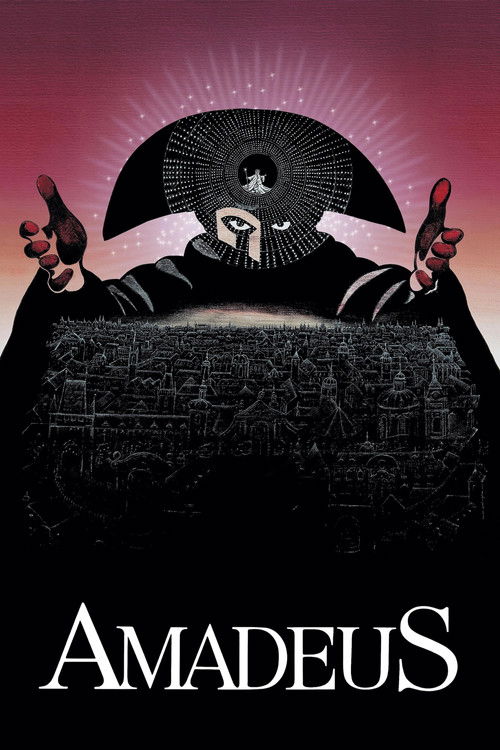
Amadeus1984
A different flavor of genius-and-madness, filtered through jealousy instead of illness — Mozart's brilliance destroys the men around him rather than himself, and F. Murray Abraham's Salieri is one of cinema's great narrators.
But Nearly three hours of 18th-century court intrigue and classical music is a big ask if that's not your thing.
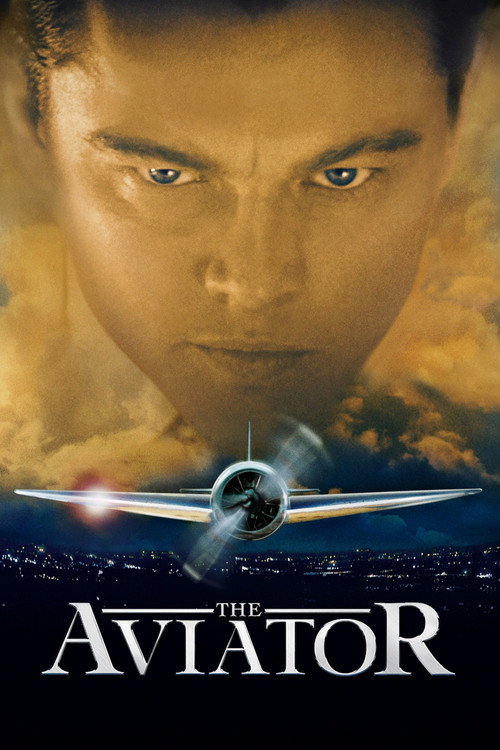
The Aviator2004
Scorsese and DiCaprio track Howard Hughes' brilliance curdling into obsessive-compulsive isolation across decades, echoing Nash's arc from celebrated genius to a man trapped by his own mind.
But Sprawling and episodic at nearly three hours; it favors spectacle over the intimacy this story leans on.
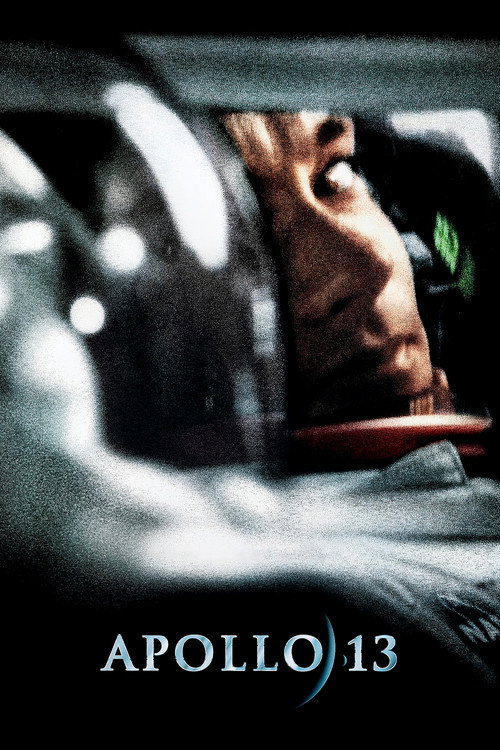
Apollo 131995
Ron Howard again, this time with problem-solving instead of paranoia — a taut, true-story thriller about brilliant people improvising their way out of disaster, minus any mental illness at all.
But Far more conventional and crowd-pleasing; if you wanted psychological depth over survival mechanics, this stays on the surface.
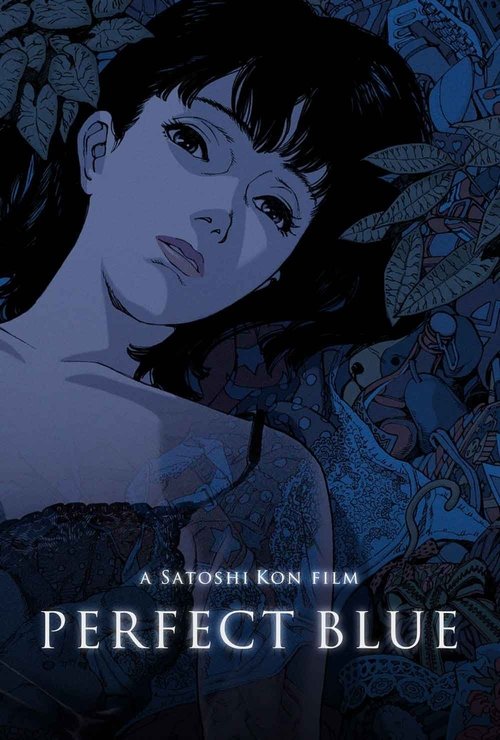
Perfect Blue1998
Both hinge on a protagonist whose hallucinations are so convincingly real that the audience shares their confusion before the reveal — one wraps that in Oscar prestige, the other in razor-edged anime horror.
A Japanese psychological thriller told entirely in animation, following a pop idol whose grip on reality frays as she's stalked and her identity fractures — the same slippage between delusion and truth, pushed into full-blown horror.
But Animated, subtitled, and genuinely unsettling rather than uplifting — not the comfort watch its Hollywood cousin is.
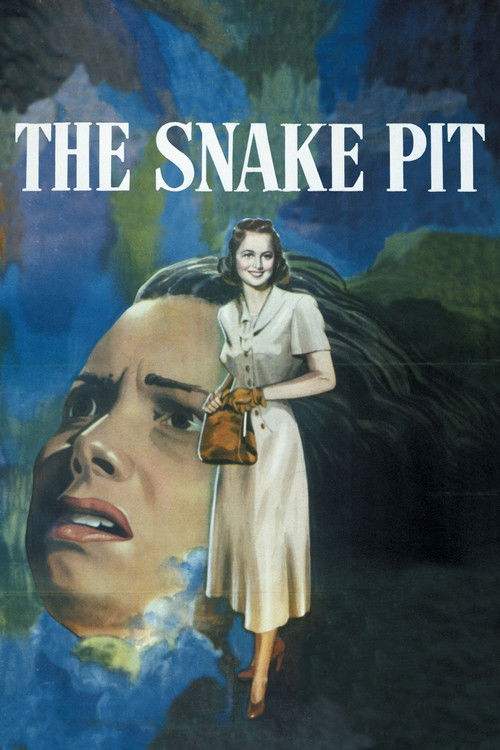
The Snake Pit1948
Both films use the subjective camera to trap you inside a mind under siege — this one from a woman's asylum stay in 1948, decades before Nash's story made the device feel like awards-season sophistication.
Decades before Hollywood dared show mental illness with any nuance, this stark black-and-white drama put audiences inside a woman's experience of psychiatric hospitalization — disorienting, angry, years ahead of its time in refusing easy answers.
But Nearly 80 years old, melodramatic by modern standards, and its treatment methods look grim to contemporary eyes.
People
Cast
 Russell CroweJohn Nash
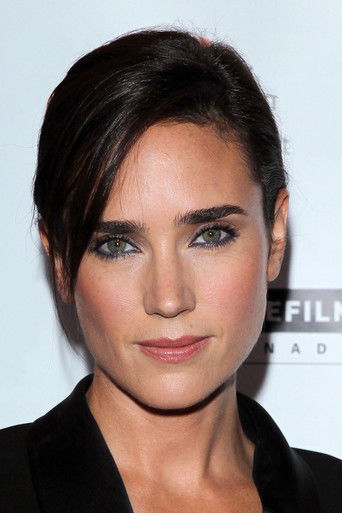 Jennifer ConnellyAlicia Nash
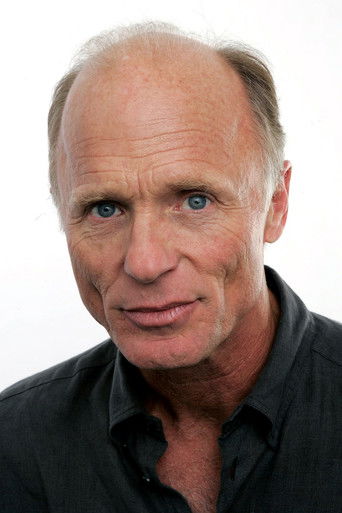 Ed HarrisWilliam Parcher
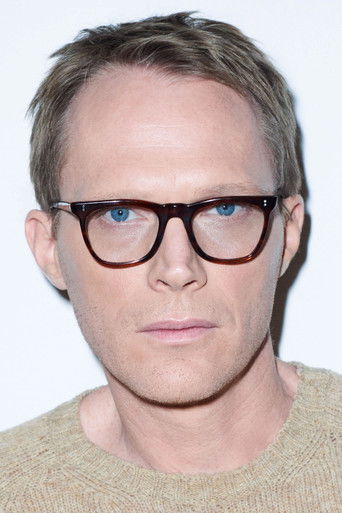 Paul BettanyCharles Herman
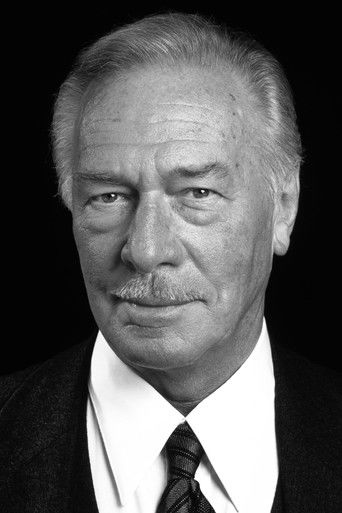 Christopher PlummerDr. Rosen
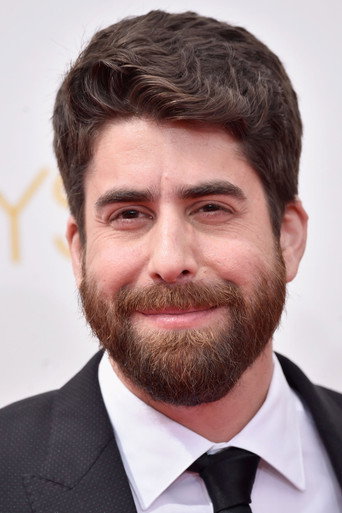 Adam GoldbergRichard Sol
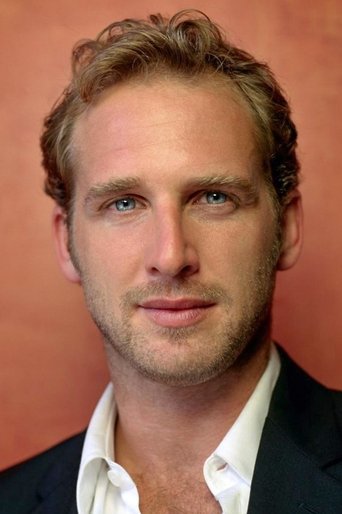 Josh LucasMartin Hansen
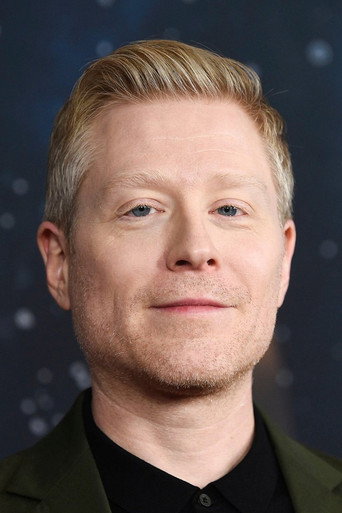 Anthony RappBender
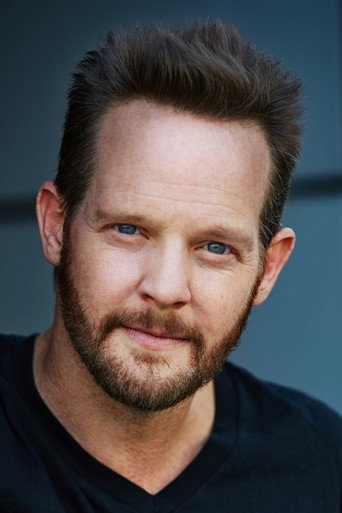 Jason Gray-StanfordAinsley Neilson
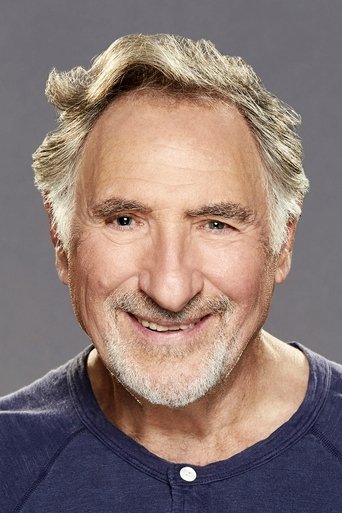 Judd HirschHelinger
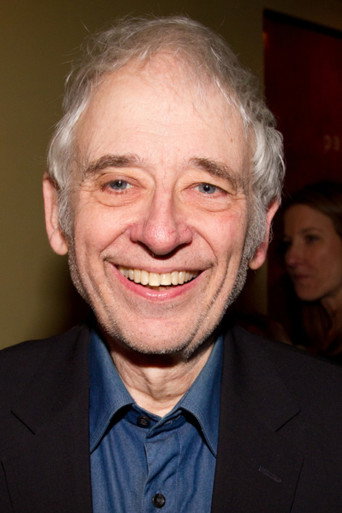 Austin PendletonThomas King
- Vivien CardoneMarcee
Directing
- Ron HowardDirector
- Aldric La'Auli PorterFirst Assistant Director
- Eva Z. CabreraScript Supervisor
- Lynne TwentymanScript Supervisor
- Kristin BernsteinSecond Assistant Director
- Noreen R. CheledenSecond Second Assistant Director
- Todd HallowellSecond Unit Director
- Joe BurnsSecond Unit First Assistant Director
Writing
- Sylvia NasarBook
- Will JenningsLyricist
- Akiva GoldsmanWriter
Production
- Jane Kelly KosekAssistant Production Coordinator
- Aldric La'Auli PorterAssociate Producer
- Kathleen McGillAssociate Producer
- Louisa VelisAssociate Producer
- Jane JenkinsCasting
- Janet HirshensonCasting
- Kristen McTigueCasting Assistant
- Maureen PeyrotCo-Producer
- Karen Kehela SherwoodExecutive Producer
- Todd HallowellExecutive Producer
- Eva BurkleyExecutive Producer's Assistant
- Bill DanceExtras Casting
- Judy PursleyFirst Assistant Accountant
- Evan PerazzoLocation Manager
- Lyn PinezichLocation Manager
- Macall B. PolayPayroll Accountant
- Brian GrazerProducer
- Ron HowardProducer
- Anna CulpProducer's Assistant
- Tamara BallyProduction Accountant
- Aaron DunsayProduction Assistant
- Alexei O'BrienProduction Assistant
- Brian LennonProduction Assistant
- Chris CollinsProduction Assistant
- David CatalanoProduction Assistant
- David TomasiniProduction Assistant
- Gary S. RakeProduction Assistant
- John SilvestriProduction Assistant
- Kevin WilliamsProduction Assistant
- Kimie Kimura-HeaneProduction Assistant
- Laura D. SmithProduction Assistant
- Marianne BellProduction Assistant
- Mehgan PorterProduction Assistant
- Melissa BridesProduction Assistant
- Mikki ZiskaProduction Assistant
- Rachel MayProduction Assistant
- Shawn AlexanderProduction Assistant
- Tara MuskusProduction Assistant
- Tom GravelProduction Assistant
- David BauschProduction Coordinator
- Audra PolkProduction Secretary
- Michelle MacirellaProduction Secretary
- Mary KimProduction Supervisor
- Steve GinsburgSecond Assistant Accountant
- Kathleen McGillUnit Production Manager
Recommended by
Oppenheimer, Shutter Island, The Imitation Game, The Theory of Everything, Good Will Hunting, The Aviator, The Elephant Man, The Three Faces of Eve, Hidden Figures, Monk, The Queen's Gambit, My Left Foot: The Story of Christy Brown, Iris, Welcome to Marwen, Rain Man, Temple Grandin, Sybil, The Miracle Worker, Notes on Blindness, Awakenings, The Snake Pit, Love & Mercy, Charly