
Film
Proof
Other titles called Proof: the 1991 film, the 2015 series (TNT).
A taut psychological drama about inherited genius and inherited pain. Catherine, a young woman who's sacrificed her own life to care for her mathematically brilliant but deteriorating father, must confront the possibility that his descent into madness could be her own future. Intimate, unsettling, anchored by a career-best performance from Paltrow.
Should you watch it?
Watch it if you love actors who can carry a whole room with a single hesitation, and you're happy to sit with a quiet, talky story about grief, loyalty and what someone owes a brilliant parent.
Skip it if you want a brisk plot with a lot of forward motion, since this runs on conversations, sickroom tension and slow reveals rather than action or big set pieces.
What it asks of you: About a hundred minutes of close attention, mostly in a few rooms, with a mood that stays subdued and a pace that rewards patience over momentum.
Not sure? Find tonight's pick in a minute.
If you liked this
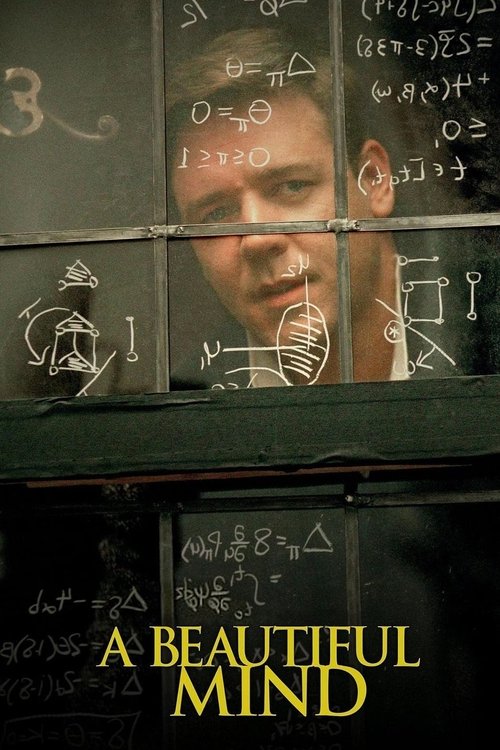
A Beautiful Mind2001
Mathematical brilliance collides with mental illness in this emotionally intelligent biography of John Nash. Like Proof, it examines genius as both gift and curse, with genuine tenderness beneath the darker material.
But The film softens its subject's complexity and leans a bit hard on inspirational biopic beats when it could stay colder.
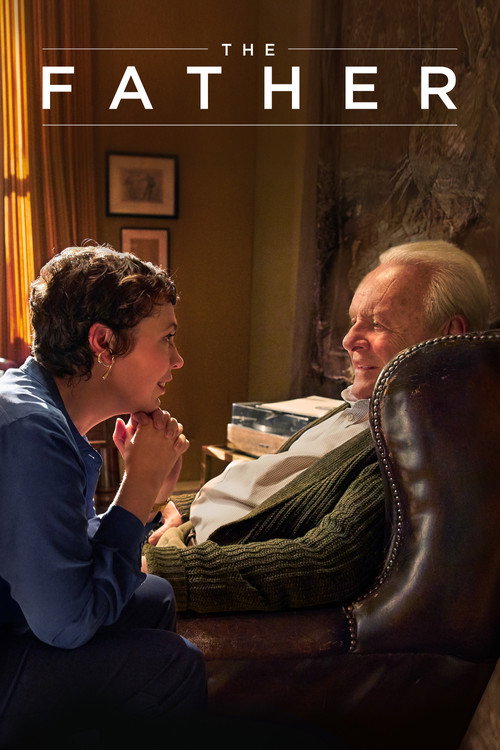
The Father2020
A masterclass in how cinema can represent cognitive decline. Anthony Hopkins delivers a heartbreaking performance as dementia unravels a man's identity—the emotional weight and formal inventiveness here are extraordinary.
But Relentlessly bleak, and its formal experimentation (shifting narrative, sound design) can feel punishing rather than illuminating.
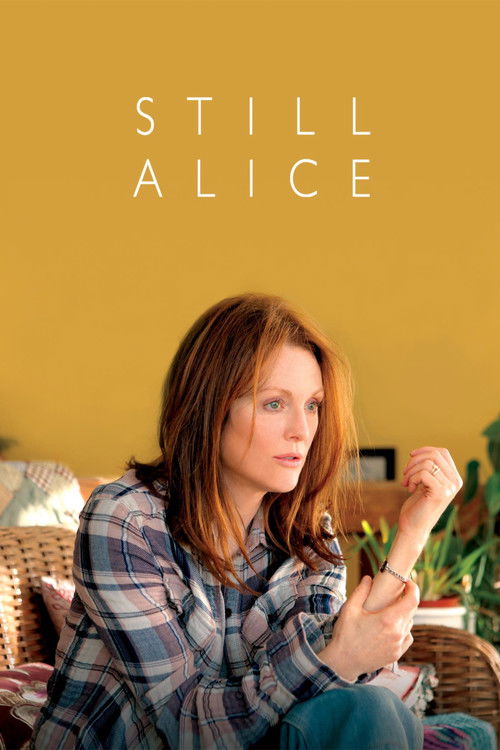
Still Alice2014
Julianne Moore as a linguistics professor confronting early-onset Alzheimer's. Devastating and unsentimental, it's about the slow theft of self—the same core fear that drives Proof.
But The third act plays things fairly conventionally after the bravery of what came before.
Not sure tonight? Get a pick in a minute, starting from Proof
The wildcard
Something you would not have found on your own.
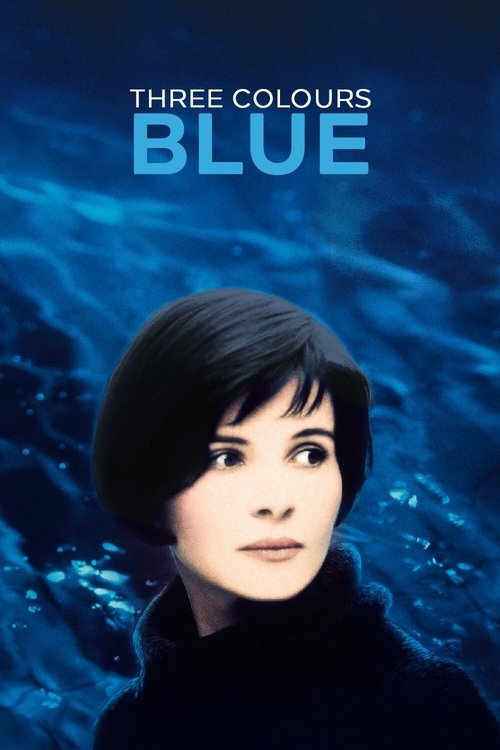
Three Colors: Blue1993
Both pit a gifted mind against the possibility of madness, but where Proof asks if you'll inherit it, Blue asks what remains when everything you've built is destroyed.
Kieslowski's meditation on loss and how a brilliant mind copes with the dissolution of everything that gave it purpose. When a composer loses her husband and daughter, she tries to disappear into anonymity. The parallels with Catherine's suffocation are profound.
But It's a 1990s art film by a Polish director—paced for contemplation, not plot. If you want clarity and momentum, look elsewhere.
More like this (7)
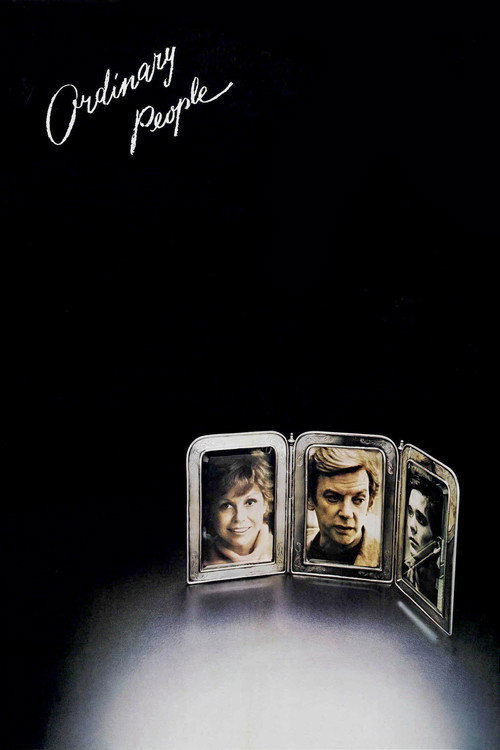
Ordinary People1980
A family trying to hold together after trauma, with Robert Redford directing extraordinary restraint from his actors. The quiet disintegration here mirrors Catherine's careful unraveling.
But It's very much a product of its era in how it processes grief, which can feel dated.
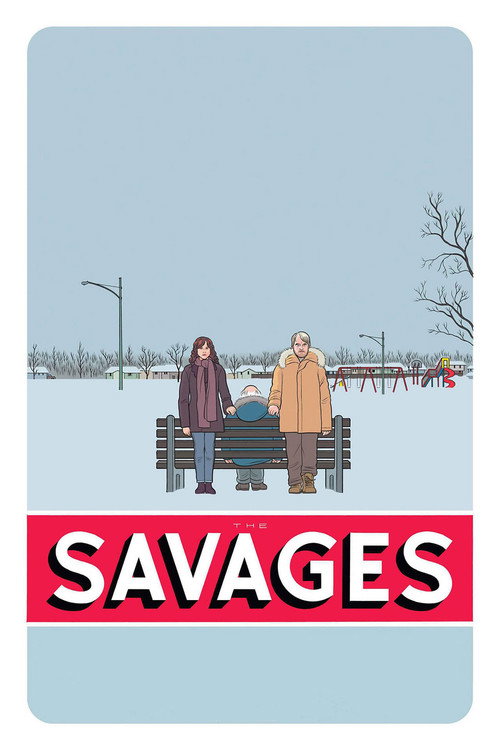
The Savages2007
Siblings confronting their father's dementia and what they owe him. Laura Linney and Philip Seymour Hoffman wrestle with the exact moral weight Catherine carries: love, resentment, duty, fear.
But The indie tone can feel a bit precious, and it's fundamentally not uplifting.
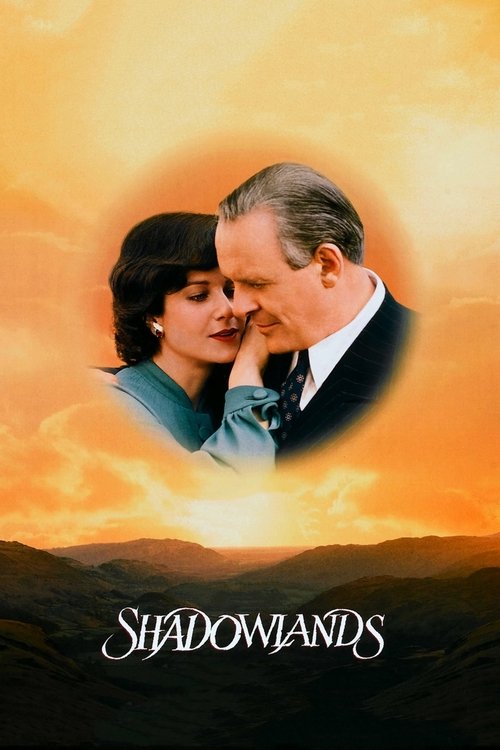
Shadowlands1993
Anthony Hopkins again, this time as C.S. Lewis, wrestling with love and pain and the possibility of joy. It shares Proof's interest in brilliant people brought low by circumstance.
But Rather literary and measured; it won't give you the sharp psychological unease that Proof generates.
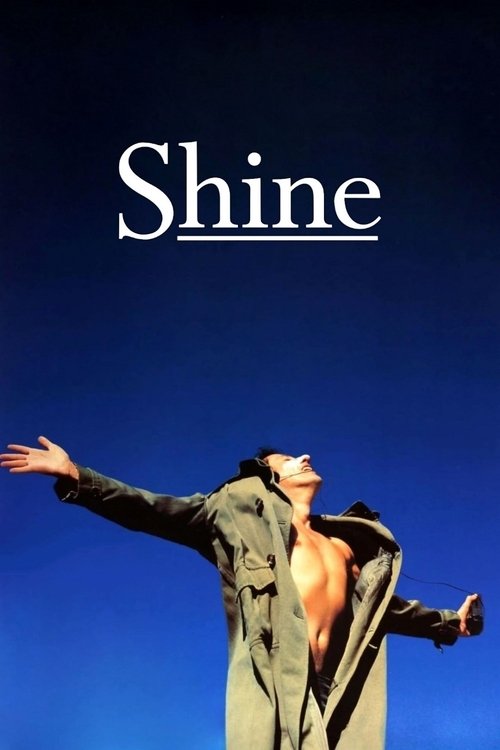
Shine1996
A pianist's genius inseparable from his fragility. Geoffrey Rush's performance is electrifying, and the film refuses to separate the music from the cost of making it.
But Relies on some Hollywood psychology that doesn't entirely convince, and the tragedy can feel a bit overdetermined.
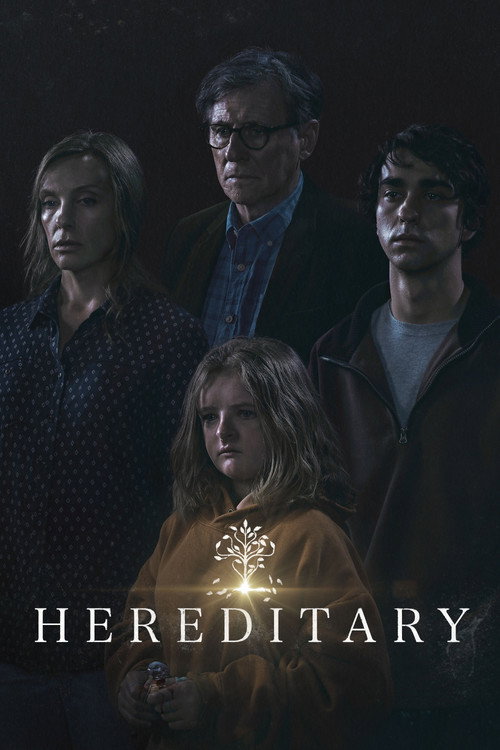
Hereditary2018
What if the thing you inherit from your family isn't just genes but curse? Toni Collette delivers one of cinema's great performances about the terror of becoming your parent.
But Horror language might feel like overkill for what's ultimately a family drama, and it's genuinely disturbing in ways unrelated to the psychology.
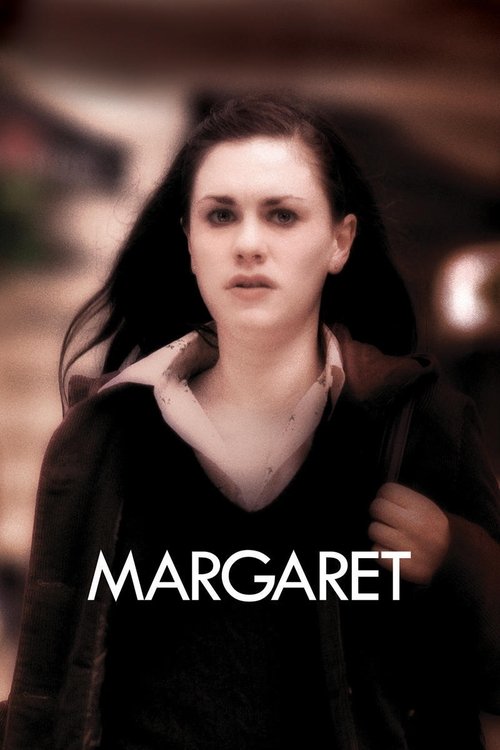
Margaret2011
A young woman's mind fracturing after witnessing a tragedy. Intellectually ambitious and formally restless, it shares Proof's interest in how consciousness itself can become unreliable.
But Nearly three hours, deliberately difficult, and doesn't resolve satisfyingly—some will find this courageous, others exhausting.
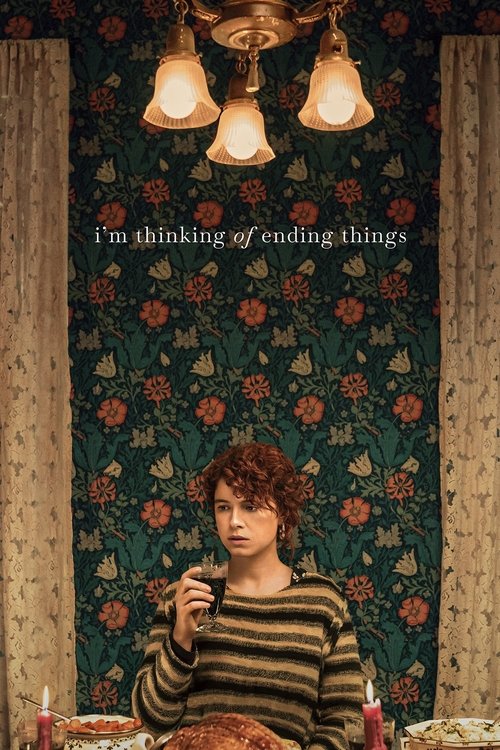
I'm Thinking of Ending Things2020
Both films use narrative unreliability not as a twist but as a formal expression of psychological fragmentation. Reality itself becomes the question.
Charlie Kaufman's film about a woman visiting her boyfriend's parents, which becomes a meditation on identity, memory, and the stories we tell ourselves about who we are. Like Proof, it's genuinely unsettling in its refusal to let you know what's real.
But Deliberately confusing and abstract; it requires patience and rewards repeated viewings, which won't be for everyone.
People
Cast
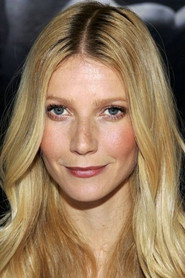 Gwyneth PaltrowCatherine Llewellyn
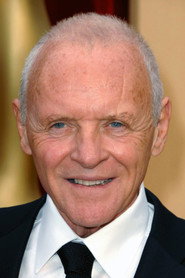 Anthony HopkinsRobert Llewellyn
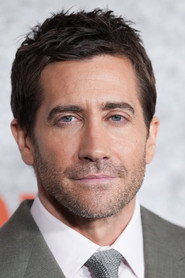 Jake GyllenhaalHarold 'Hal' Dobbs
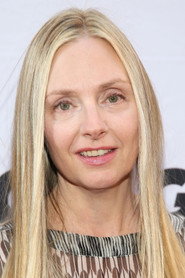 Hope DavisClaire Llewellyn
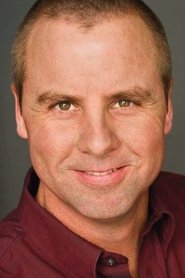 Tobiasz DaszkiewiczLimo Driver
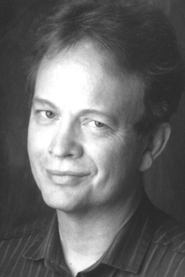 Gary HoustonProfessor Barrow
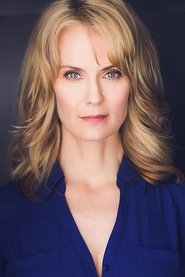 Leigh ZimmermanFriend at Party
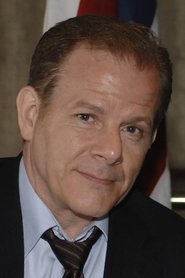 Colin StintonTheoretical Physicist
- Leland BurnettBand Vocalist
 John KeefeUniversity Friend
 Chipo ChungUniversity Friend
Directing
- John MaddenDirector
- Kim ArmitageScript Supervisor
Writing
- David AuburnScreenplay
- Rebecca MillerScreenplay
- David AuburnTheatre Play
Production
- Billy HopkinsCasting
- Kerry BardenCasting
- Suzanne Smith CrowleyCasting
- Bob WeinsteinExecutive Producer
- Harvey WeinsteinExecutive Producer
- James D. SternExecutive Producer
- Julie GoldsteinExecutive Producer
- David PinningtonLocation Manager
- Alison OwenProducer
- Jeffrey SharpProducer
- John N. HartProducer
- Robert KesselProducer
Recommended by
Children of a Lesser God, The Bone Collector, Trainwreck, The Waterdance, Brainman, Ramanujan, Madame Curie, Adele and Everything After, The Curious Incident of the Dog in the Night-Time, The Uncertainty Principle, Never Mind the Quality, Feel the Width, X+Y, La Lectrice, Othello