
Film
The Curious Incident of the Dog in the Night-Time
A theatrical adaptation of Mark Haddon's beloved novel about Christopher, an autistic 15-year-old mathematical genius who investigates his neighbour's dog's death. It's a puzzle box that unfolds through his perspective—cerebral, deeply felt, visually inventive. Perfect for anyone who loved the book or craves intelligent mystery-solving with genuine emotional weight.
Should you watch it?
Watch it if you like a mystery told from inside a mind that notices everything and explains almost nothing, and you don't mind a narrator who finds people more puzzling than any crime.
Skip it if you want a fast whodunit with a tidy reveal, because this moves in careful steps and lingers on one boy's routines, sometimes at the cost of momentum.
What it asks of you: An evening in the theatre, unhurried, with long stretches of one anxious voice and a stage that keeps reshaping itself around him; patience pays off more than speed.
Not sure? Find tonight's pick in a minute.
If you liked this
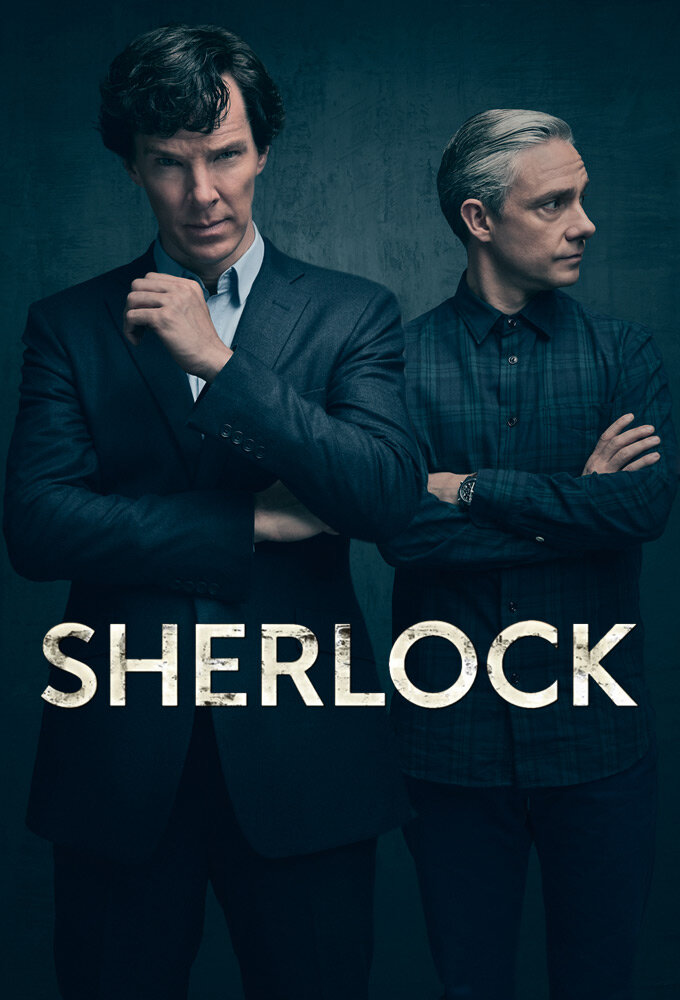
Sherlock2010
Modern-day Holmes with an autistic-coded protagonist solving intricate cases. Sharp, witty, and deeply concerned with how brilliant minds work differently and relate to the world around them.
But The later seasons lose momentum, and the show's tone shifts away from what made it special. Some find it too pleased with its own cleverness.
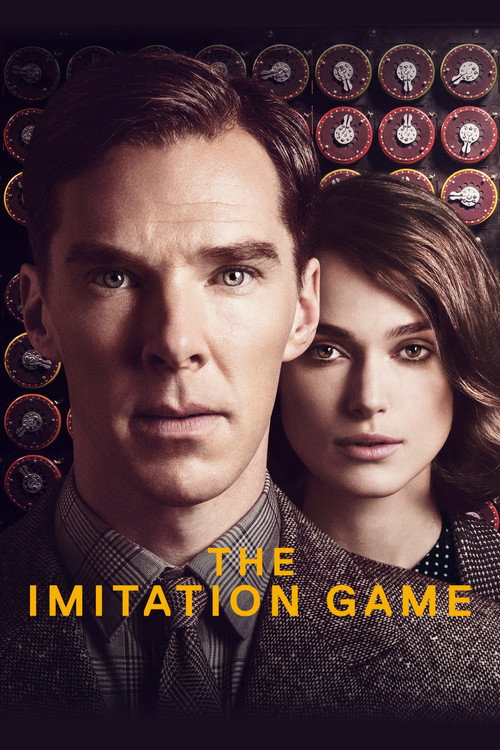
The Imitation Game2014
A deeply intelligent protagonist navigating a world that doesn't understand him while solving an enormous puzzle. Emotionally grounded despite its scale, with meticulous attention to how genius and neurodivergence intersect.
But It prioritizes emotional arc over historical accuracy, and the tone can feel heavy-handed about the burden of being different.
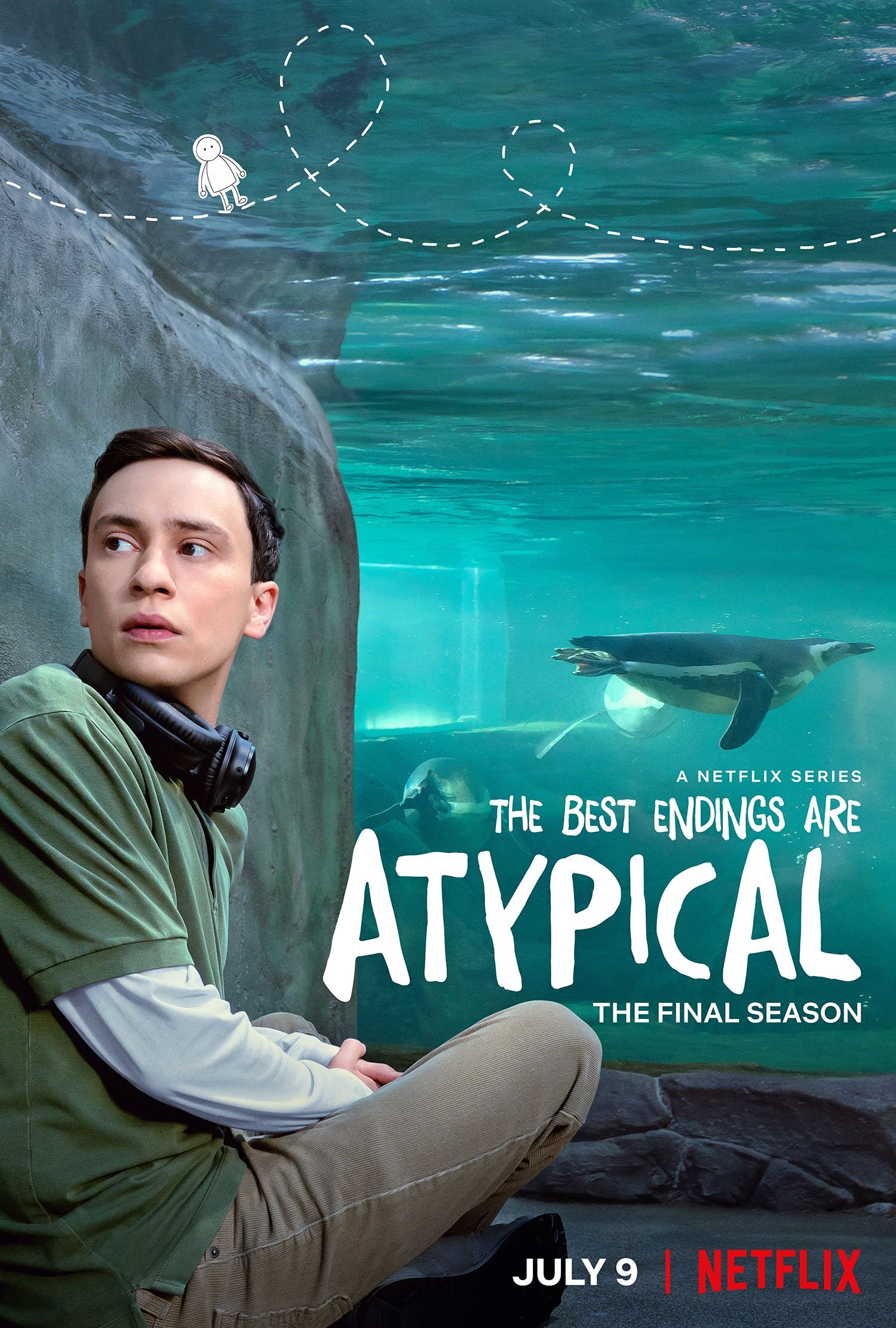
Atypical2017
An autistic teenager navigates the world with wit, honesty and occasional social chaos. Funny without being condescending, warm without being saccharine, and genuinely curious about how his mind works.
But The show broadens beyond him to his whole family, diluting focus. Some find the early seasons uneven as they find their tone.
Not sure tonight? Get a pick in a minute, starting from The Curious Incident of the Dog in the Night-Time
The wildcard
Something you would not have found on your own.
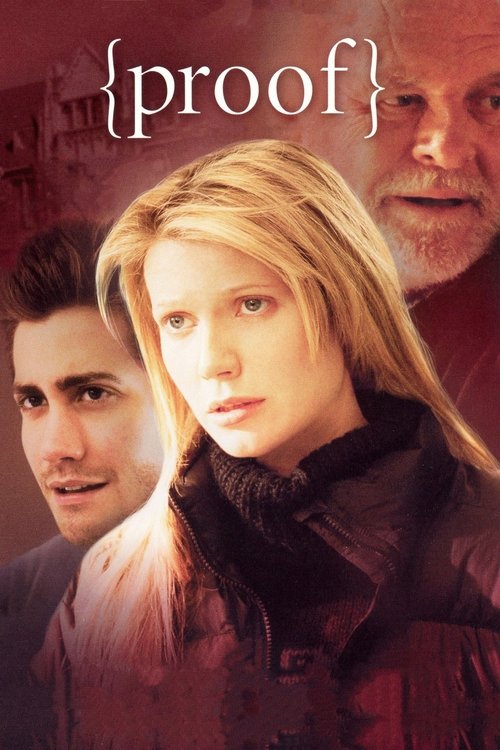
Proof2005
Both are theatrical pieces fundamentally about how we recognize and validate genius when it comes from someone the world has already decided to doubt.
A mathematician grieving her father, recently released from psychiatric care, discovers a proof of impossible beauty. It shares the stage production's theatrical intensity and focuses entirely on how a brilliant mind experiences the world when trust erodes.
But Gwyneth Paltrow's delivery can feel mannered, and the emotional climax asks a lot of the viewer. It doesn't always earn what it demands.
More like this (8)
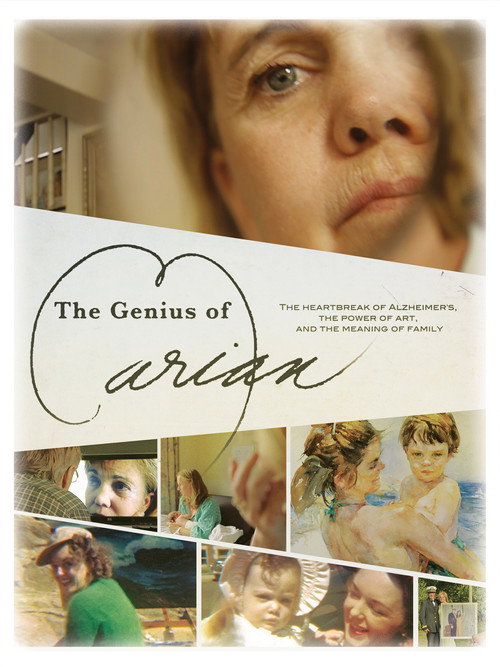
The Genius of Marian2013
A quiet, precise portrait of an autistic woman rebuilding her life through rigorous routine and unexpected connection. It trusts the audience completely—no explanation, no sentiment.
But It moves very slowly and the narrative is minimal. If you want plot momentum, you won't find it here.
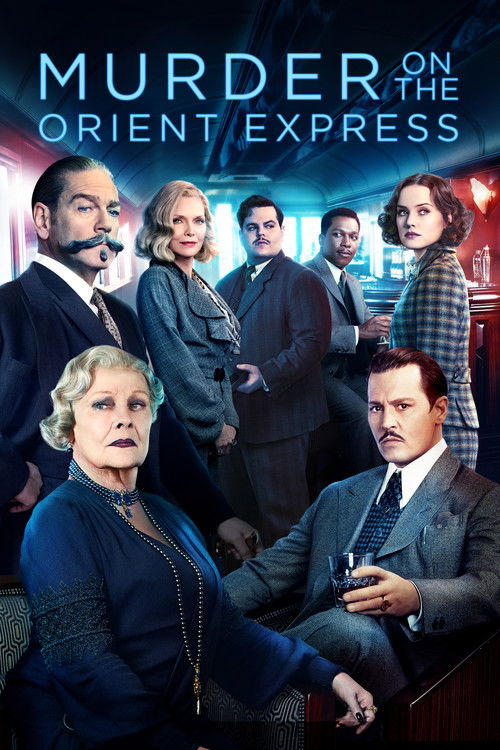
Murder on the Orient Express2017
A meticulous puzzle-box mystery with an obsessive detective unravelling a web of secrets. Poirot's peculiarity and need for pattern and control echo Christopher's way of seeing the world.
But Branagh's performance can feel overwrought, and the 1974 version is genuinely superior—this one trades elegance for spectacle.
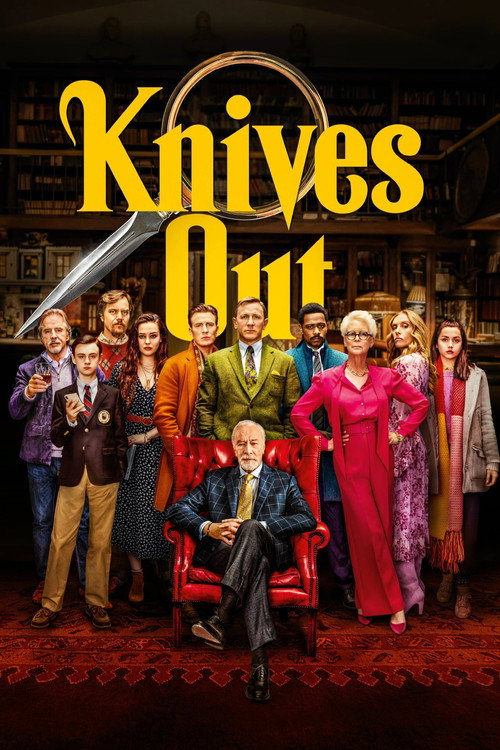
Knives Out2019
A mystery that delights in misdirection and rewarding close attention. A detective who thinks in patterns, a puzzle built for viewers who enjoy untangling what they've been shown.
But It's self-aware and playful rather than earnest, which some find lightweight compared to more serious crime fiction.
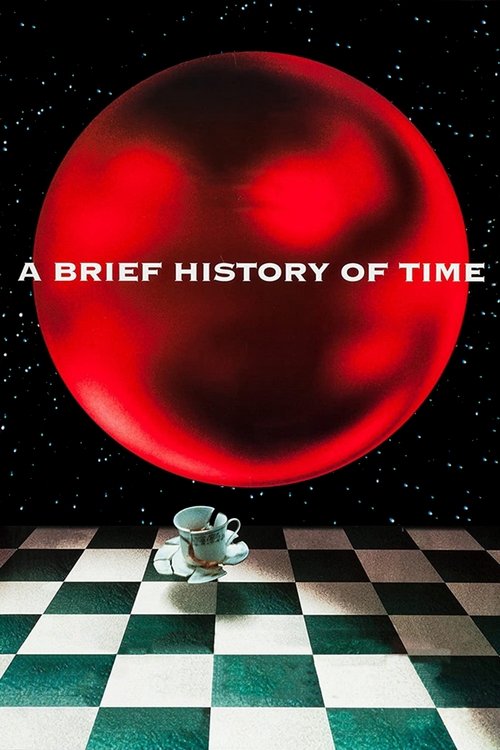
A Brief History of Time1991
Errol Morris's documentary portrait of Stephen Hawking—a brilliant mind working at the edge of human understanding, shaped by profound physical difference. Intimate and expansive at once.
But It's dialogue-light and meditative, structured around Hawking's thoughts rather than conventional narrative. Patience required.
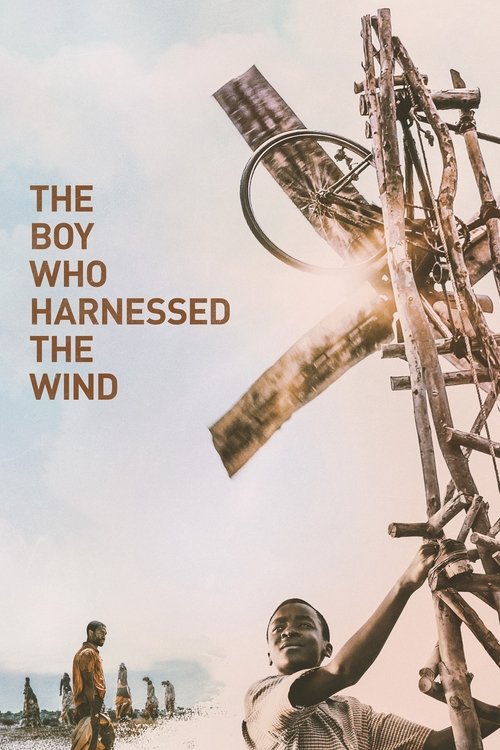
The Boy Who Harnessed the Wind2019
A teenager with an unconventional way of thinking solves a desperate problem through ingenuity and persistence. Inspiring without being sentimental, grounded in real stakes and genuine ingenuity.
But The film softens some of the book's harder edges. If you know the true story deeply, you may find it simplified.
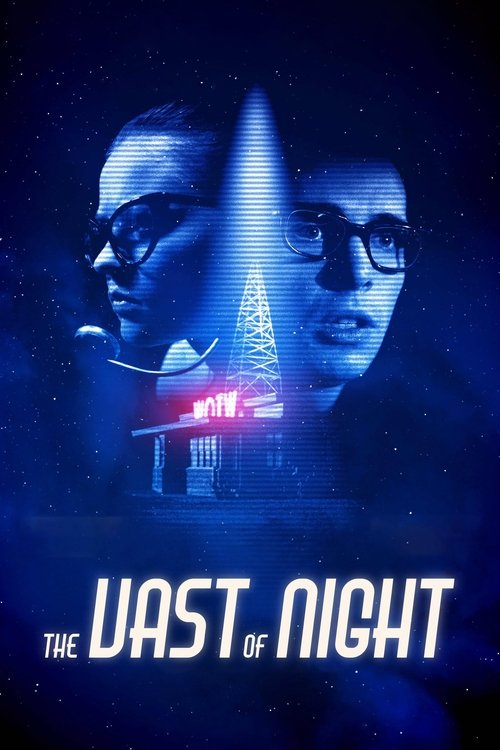
The Vast of Night2019
Two curious teenagers in 1950s New Mexico chase a mystery through radio broadcasts and conversations. Low-key, hypnotic, built from dialogue and investigation rather than spectacle.
But It's deliberately paced and atmospheric rather than plot-driven. Some find the payoff unsatisfying after the slow build.
Everything Everywhere All at Once2022
Both use wildly inventive visual language and unconventional structure to depict neurodivergent experience—not as metaphor, but as the protagonist's lived reality.
An ordinary woman discovers the multiverse, but the story is actually about connection across incomprehension and neuroatypical ways of processing reality. Visually wild, but emotionally grounded in the difficulty of being understood.
But The stylistic maximalism is relentless and could feel exhausting. Some find the metaphorical baggage outweighs the story.

The Farewell2019
Both explore how communication breaks down between someone who sees the world in its own logical system and people operating from entirely different frameworks—and what happens when you can't bridge that gap.
A woman translates between two cultures and languages while navigating family deception and what it means to belong. Shot with theatrical precision, built on the idea that the same words mean different things depending on context and perspective.
But The pacing is deliberate and some moments feel stagey. If you want cultural specificity over emotional universality, you might find it too coded.

People
Directing
- Steve KlovesDirector
Writing
- Mark HaddonNovel
- Steve KlovesScreenplay
Production
- Brad PittExecutive Producer
- David HeymanExecutive Producer