
Film
Othello
Other titles called Othello: the 1951 film, the 1965 film, the 1995 film.
- Drama
- Very dark
Jonathan Miller's 1981 *Othello* strips away theatrical grandeur for intimate domestic tragedy. Filmed in muted tones with minimal sets, it plays like a chamber drama—all whispered poison and slow-burn jealousy. Hopkins brings exhausted dignity to a man undone by one man's whisper. It's Shakespeare for people who find theatre suffocating, though it demands your full attention.
If you liked this
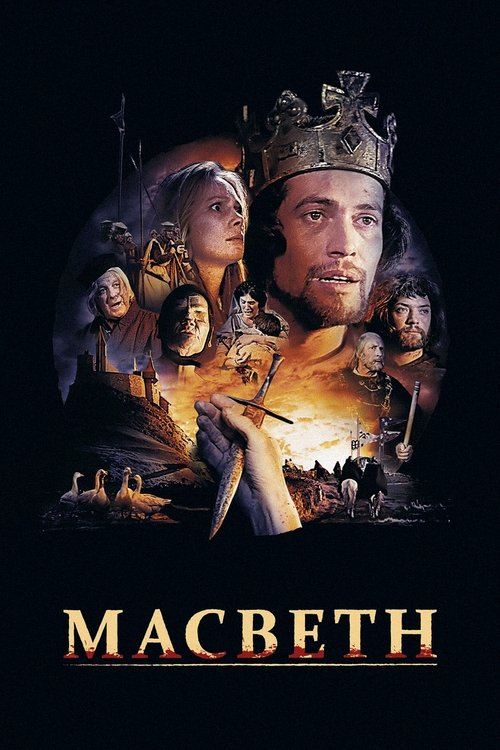
Macbeth1971
Polanski's film version proves Shakespeare translates to cinema when you trust the text and actors. Like this *Othello*, it's lean, dark, and visceral—ambition and violence stripped of pageantry to expose raw human hunger.
But Shot in grayscale and genuinely bleak. There's little comfort or beauty here, only blood and paranoia. It's not a comfortable watch.
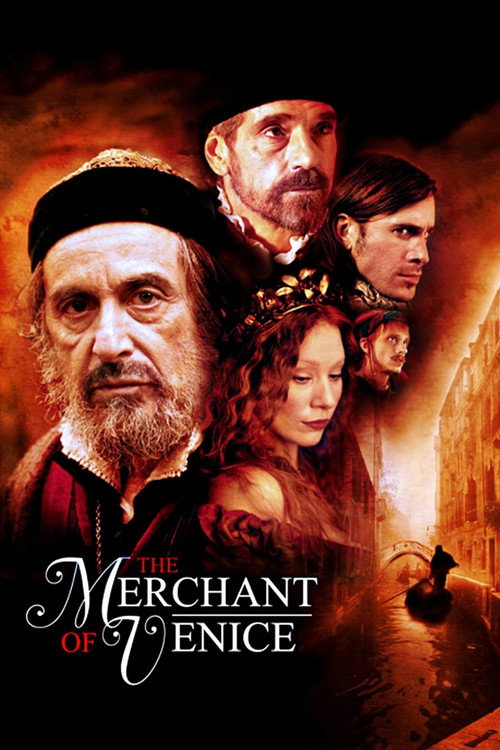
The Merchant of Venice2004
Al Pacino's Shylock is wounded, intelligent, and furious in a way that reframes the entire play. Like Hopkins' Othello, it's a performance about dignity under siege and what resentment does to a man.
But It's a problem play about antisemitism that some productions sidestep. This one doesn't, which is honourable but can feel uneasy.
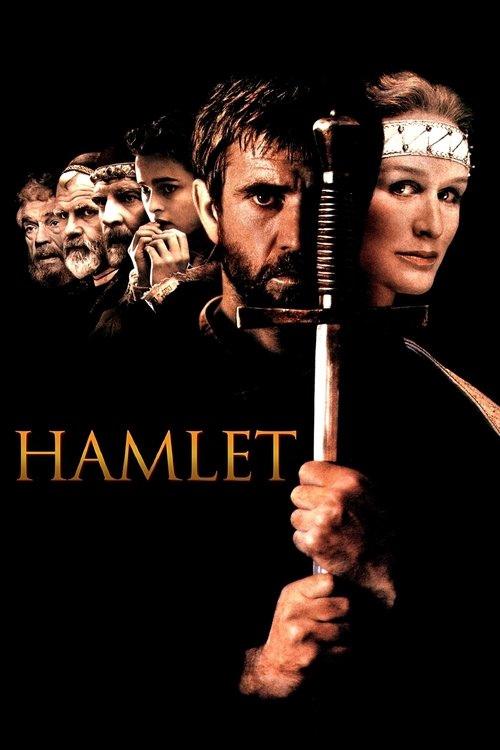
Hamlet1990
Franco Zeffirelli's version with Mel Gibson is classically structured but emotionally raw—a prince destroyed by knowledge rather than action. The emotional architecture mirrors *Othello*'s tragedy of a good man poisoned.
But 1990 film acting can feel dated. Gibson's American accent jars occasionally. It's also three hours, and not everyone connects with this particular production.
Not sure tonight? Get a pick in a minute, starting from Othello
The wildcard
Something you would not have found on your own.
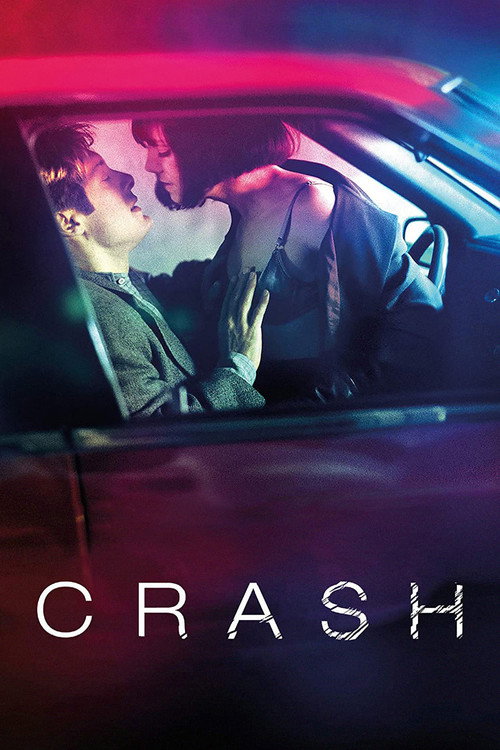
Crash1996
Both treat the body as a site of psychological warfare—Iago's words corrupt Othello's mind the way Crash's accidents corrupt its characters' desires. Both ask how intimacy becomes betrayal.
Cronenberg's film stages human desire and violence as corrupted symbiosis. Like *Othello*, it's about bodies and psyches contaminated by outside manipulation—how eros and ambition become weapons. Shocking, yes, but structurally brilliant.
But It's sexually explicit and deeply transgressive. If you're uncomfortable with body horror, graphic sexuality, and philosophical nihilism, this will repel rather than fascinate you.
More like this (6)
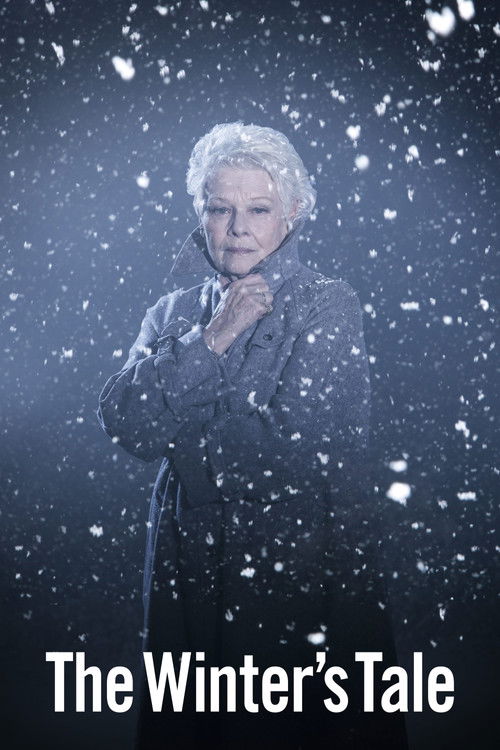
Branagh Theatre Live: The Winter's Tale2015
A Shakespeare film about a man undone by baseless jealousy—he destroys everything he loves through suspicion alone. The trajectory mirrors Othello's, but it asks whether redemption is possible.
But It's uneven, and the second half tonal shift confuses some viewers. The production itself is handsome but occasionally stiff.
King Lear1988
Michael Elliott's BBC production with Michael Hordern is intimate and devastating—a man unmade by those around him, his mind unspooling. Like Miller's work, it privileges actor and text over spectacle.
But Frankly, it's gruelling. Lear is about suffering and humiliation, and this production doesn't flinch. It's not rewarding in a comforting sense.
All the King's Men2006
Sean Penn's Willie Stark rises to power through manipulation and charisma, then discovers the machinery he's built will destroy him. It's about how language and ambition weaponize intimate relationships.
But It's a sprawling American political drama that sometimes loses focus. The 2006 film version has uneven pacing and a few clumsy performances.
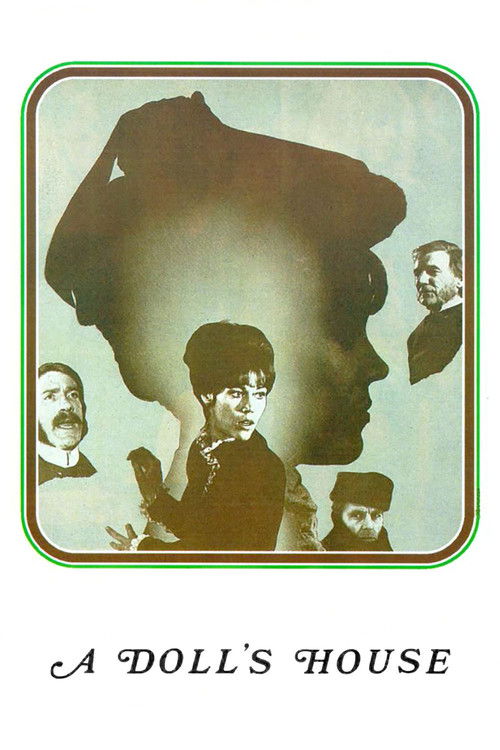
A Doll's House1973
Ibsen's play dissects marriage as performance and deception. Jane Fonda's Nora and Anthony Hopkins' Torvald embody two people imprisoned by what they pretend to be—similar psychological texture to Miller's *Othello*.
But It's philosophically dense and morally ambiguous. Some find the ending nihilistic rather than liberating. Fonda sometimes overwhelms her scenes.
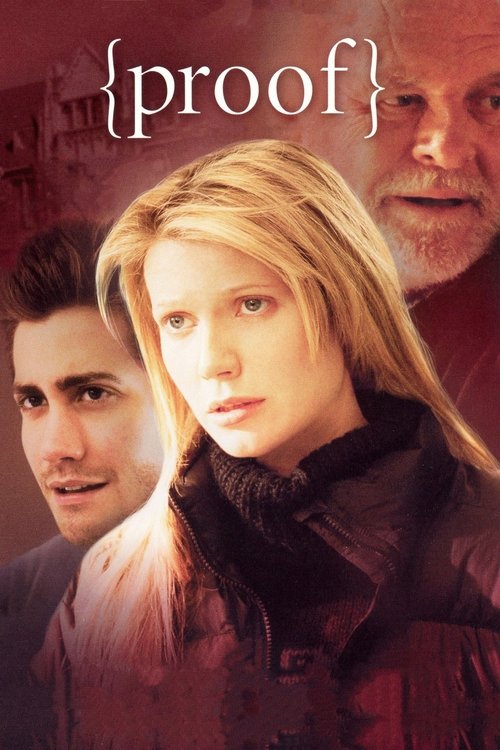
Proof2005
David Auburn's play adapted: a woman destroyed by doubt and suspicious minds. Like *Othello*, it's about how isolation, accusation, and gaslighting unmake a person from the inside out.
But It's cerebral and sometimes feels like a philosophical exercise rather than a lived drama. Some find the central conceit frustrating rather than illuminating.
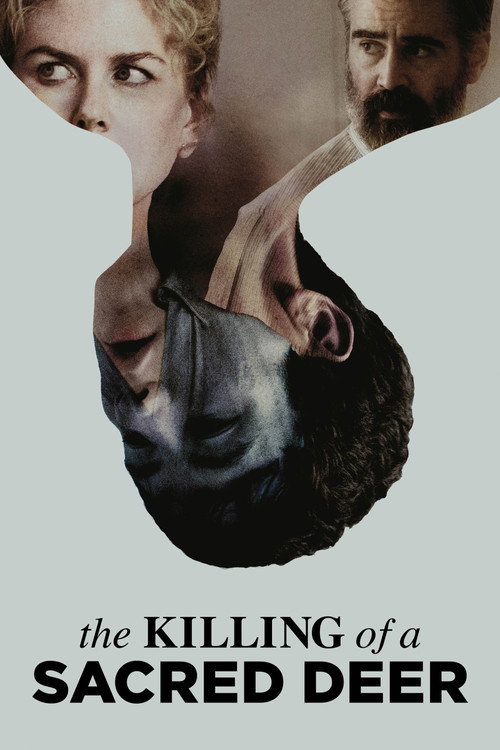
The Killing of a Sacred Deer2017
Both are tragedies built on a single poisonous act or revelation that cascades unstoppably. Both feature a protagonist trapped by obligation and duty, watching his world collapse with horrible clarity.
Yorgos Lanthimos stages a Greek tragedy of guilt, obligation, and slow-motion catastrophe with surgical precision. A surgeon's debt to a young man metastasizes into nightmare. It has *Othello*'s inexorability—once the machinery starts, nothing stops it.
But Deliberately artificial dialogue and pacing. It's slow, strange, and very dark. If you want naturalism or cathartic resolution, you'll find this deliberately withholding and cold.
People
Cast
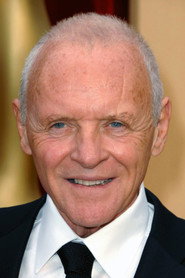 Anthony HopkinsOthello
- Anthony PedleyRoderigo
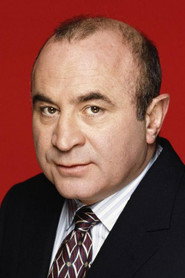 Bob HoskinsIago
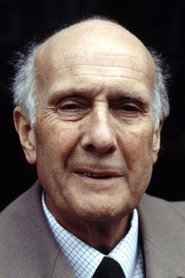 Geoffrey ChaterBrabantio
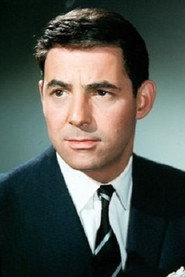 Alexander DavionGratiano
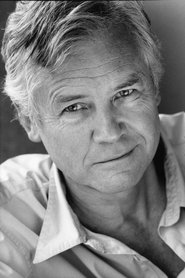 David YellandCassio
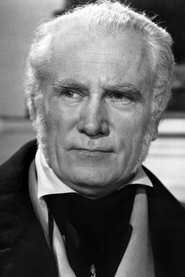 Joseph O'ConorLodovico
- Peter WalmsleyOfficer
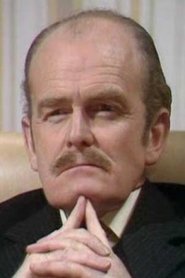 John BarronDuke of Venice
- Seymour GreenFirst Senator
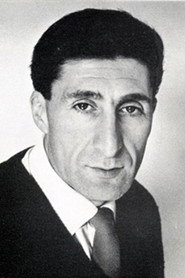 Howard GoorneySecond Senator
 Penelope WiltonDesdemona
Directing
- Jonathan MillerDirector
Writing
- William ShakespeareTheatre Play
Production
- Jonathan MillerProducer
- Fraser LowdenProduction Assistant
- Peter StenningProduction Manager