
Film
Crash
Other titles called Crash: the 2005 film.
- Social drama
- Very dark
- Strange
Cronenberg's provocative 1996 film translates J.G. Ballard's transgressive novel into cinema, exploring how trauma, mortality, and technology rewire human desire. It's intellectually uncompromising, visually striking, and genuinely unsettling—a film that treats its premise with absolute seriousness rather than exploitation. For those willing to sit with genuine discomfort in service of artistic inquiry.
Should you watch it?
Watch it if you are drawn to films that treat transgression with cold, precise curiosity, where the images do the arguing and the characters talk in flat, unhurried tones.
Skip it if you need warmth or a clear plot to hold on to; its emotional temperature stays low and its disturbing scenes are meant to unsettle rather than be enjoyed.
What it asks of you: Expect steady, uninterrupted attention across a deliberately slow, emotionally cool run of about a hundred minutes, with long stretches of quiet between the talk.
Not sure? Find tonight's pick in a minute.
If you liked this
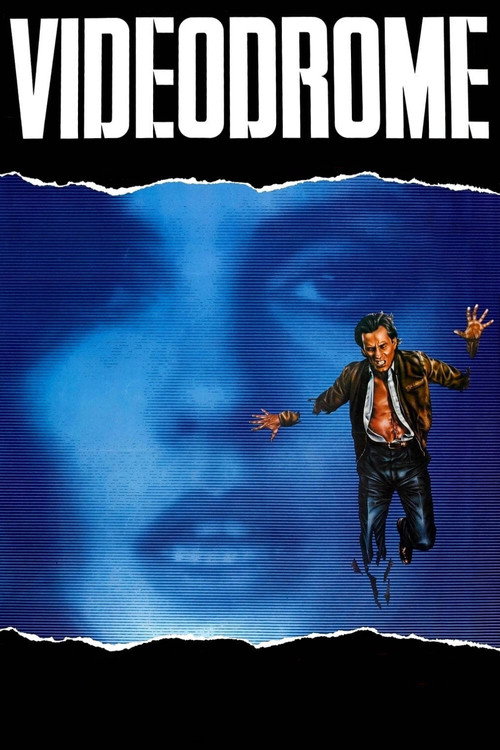
Videodrome1983
Cronenberg's earlier masterpiece about media consuming reality and reality consuming the body. Same director, same unflinching exploration of how technology fuses with flesh and desire. Hypnotic and horrifying.
But Deliberately difficult, deliberately gross, and deliberately slow. It does not invite comfort or easy interpretation.
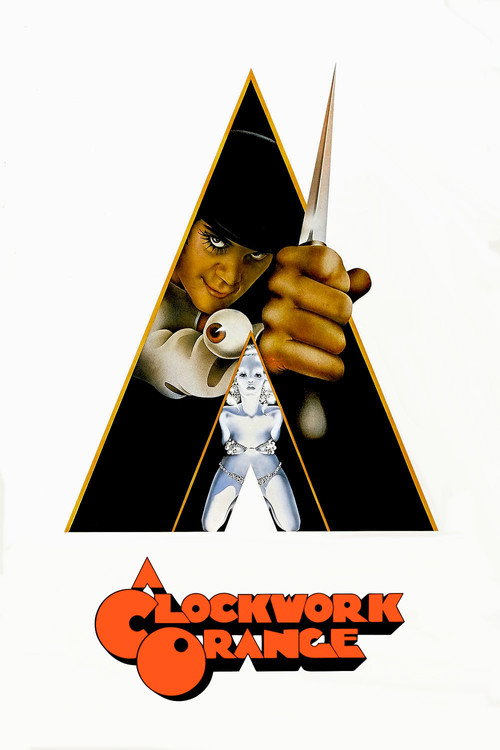
A Clockwork Orange1971
Kubrick's fearless provocation about violence, sexuality, and society's attempts to engineer morality. Like Crash, it refuses to look away and demands you question your own revulsion at what you're watching.
But Violent, transgressive, and deeply unpleasant in ways some find exploitative rather than exploratory. It remains divisive for good reason.
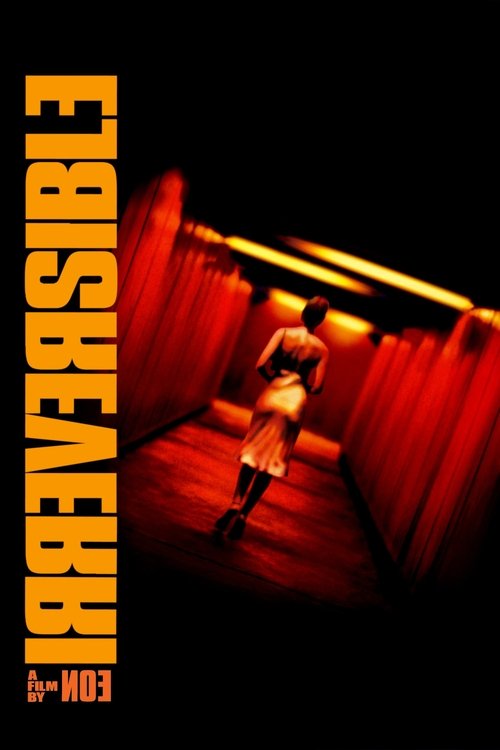
Irreversible2002
Noé's brutal examination of how trauma fractures experience. Watches backwards, assaults the viewer with sound and image, treats suffering as a legitimate artistic subject. Uncompromising in the same register as Crash.
But Contains one of cinema's most difficult scenes. The film is not entertaining and does not want to be. Some will find it punishing rather than meaningful.
Not sure tonight? Get a pick in a minute, starting from Crash
The wildcard
Something you would not have found on your own.
Possession1981
Both films collapse sexual desire into violence and technology, using bodies as the primary language of philosophical inquiry. Both reject psychological realism for a more abstract, almost bodily form of cinema.
Zulawski's fever dream of marriage collapse, body horror, and sexual degradation. Like Crash, it treats intimate spaces and intimate bodies as territories of warfare and obsession. The visceral language feels almost identical—technology of flesh, machinery of desire, bodies as texts.
But Aggressively unbalanced. Performances are hysterical rather than naturalistic. The tentacle creature is genuinely ridiculous. You either commit to its extremity or find it unwatchable.

More like this (8)
Under the Skin2014
Glazer's alien sci-fi is as much about bodies and desire as Crash is. Haunting, sensual, clinical all at once. Treats the uncanny as something to observe rather than explain. Glacial pacing serves the ideas perfectly.
But Narratively spare and visually opaque. Long sequences of minimal dialogue. Rewarding but demanding.

The Killing1956
Kubrick's early noir examines how a crime reverberates through lives and bodies. Like Crash, it's about systems, networks, and the way human desire operates within mechanical structures. Tense and precisely constructed.
But Mid-century noir conventions may feel dated. The women characters are functional rather than complex.

The Devils1971
Russell's baroque, baroque provocation about hysteria, desire, and institutional control. Visually overwhelming, theatrically heightened, and completely unafraid of spiritual and sexual transgression. A genuine antecedent to Crash's fearlessness.
But Aggressively artificial, historically inaccurate, and sometimes risible in its earnestness. The baroque register isn't for everyone.

Mulholland Drive2001
Lynch's labyrinth of desire and fractured identity. Like Crash, it explores how sex and death and performance run parallel to one another. Dense with ideas, devastating in its emotional weight, beautiful and grotesque simultaneously.
But Deliberately nonlinear and cryptic. Demands active interpretation rather than passive viewing. Some threads remain intentionally unresolved.

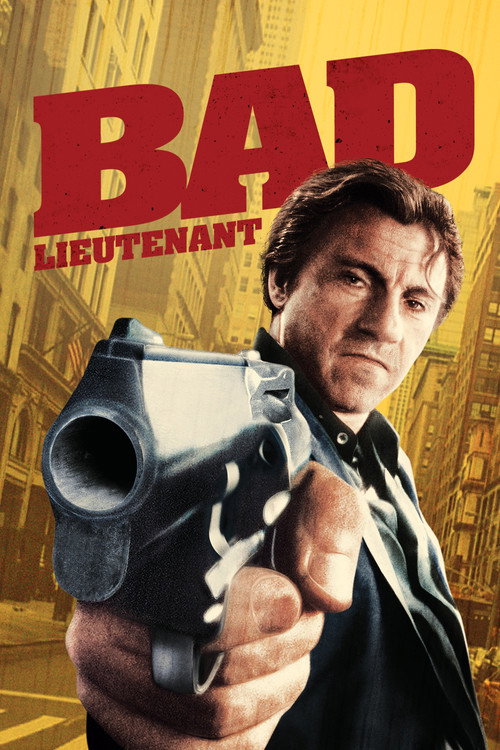
Bad Lieutenant1992
Ferrara's portrait of moral collapse is as morally uncompromising as Crash. Keitel's performance is raw, humiliating, absolute. A film about a man coming apart through his body and his desires, filmed with unflinching clarity.
But Extremely bleak, extremely graphic, and extremely uncomfortable. The protagonist is irredeemable. This is not cathartic; it's corrosive.
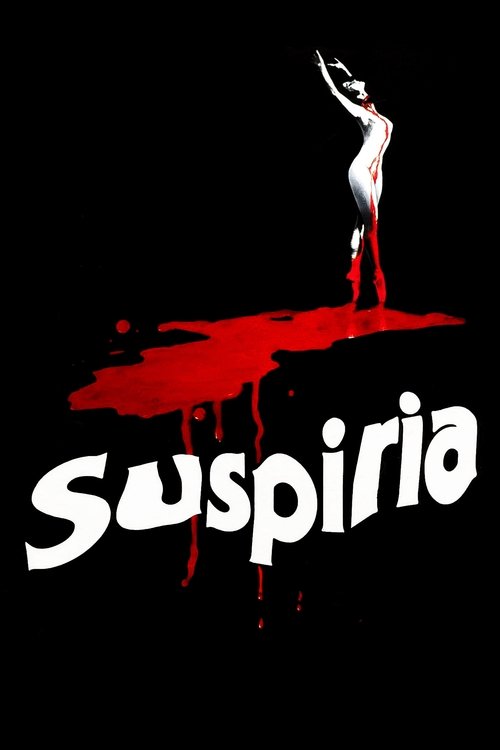
Suspiria1977
Argento's nightmare logic creates its own visual and sensory reality. Like Crash, it treats the film medium as a direct conduit to sensation and unease rather than narrative comfort. Gorgeous, hypnotic, and deeply wrong.
But Plot is secondary to atmosphere and dread. The subtitles in the English version are notoriously poor. Not a film that makes narrative sense.
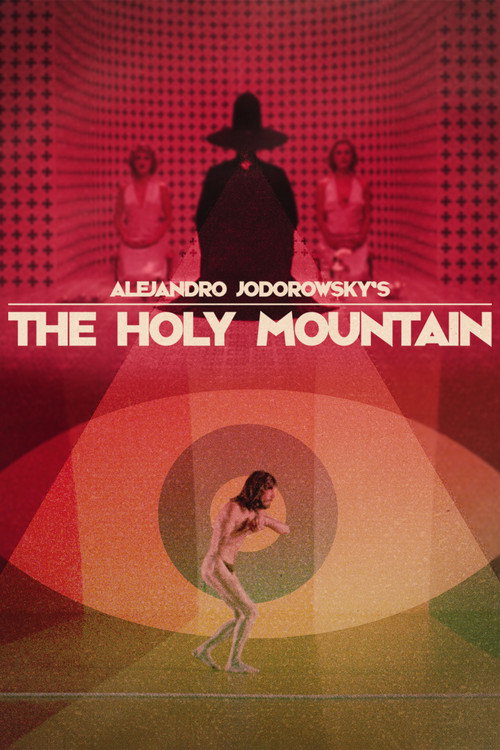
The Holy Mountain1973
Both use transgression against the body as the primary vehicle for exploring consciousness. Both refuse moral judgment and demand the viewer become complicit in witnessing.
Jodorowsky's surrealist odyssey is about systems of initiation and the violation of the body as spiritual transformation. Like Crash, it treats the viewer's disgust as morally productive. Visually baroque, conceptually remorseless, genuinely visionary.
But Deliberately obscurantist. Operates on symbolic logic that refuses explanation. Contains extended scenes of genuine animal violence. You'll either be transfixed or actively hostile.
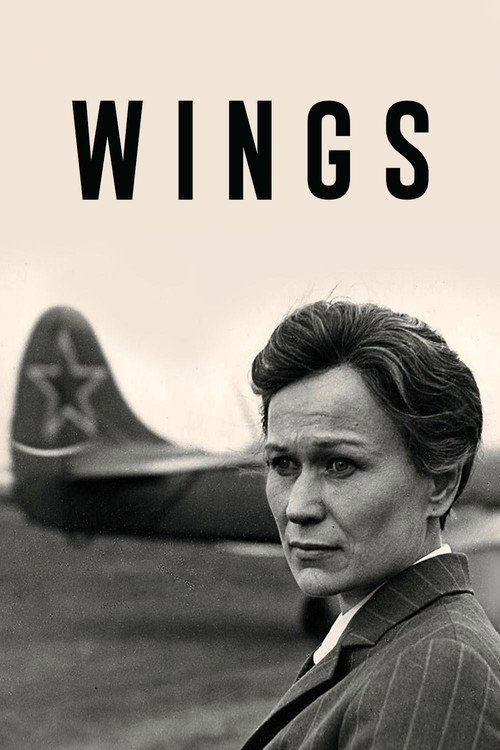
Wings1966
Both use modern technology and urban systems as landscapes where internal states become externalized. Both film bodies moving through these spaces as documents of psychological vertigo.
Khutsiev's Soviet film about a cosmonauts' widow trapped between her mundane present and her mythologized past. Like Crash, it uses modern technology—space travel, urban architecture, cars—as the setting for exploring how desire and identity fracture. Formally experimental, emotionally acute.
But Glacial pacing from an entirely different cinematic tradition. Subtitled, unfamiliar, and structurally oblique. Not contemporary and not comforting.
People
Cast
 James SpaderJames Ballard
 Holly HunterHelen Remington
 Elias KoteasVaughan
 Deborah Kara UngerCatherine Ballard
 Rosanna ArquetteGabrielle
 Peter MacNeillColin Seagrave
- Cheryl SwartsVera Seagrave
- Yolande JulianAirport Hooker
 Nicky GuadagniTattooist
 Ronn SarosiakA.D.
 Boyd BanksGrip
 Judah KatzSalesman
Directing
- David CronenbergDirector
- David WebbFirst Assistant Director
- Tom QuinnSecond Assistant Director
- Michele RakichThird Assistant Director
Writing
- J.G. BallardNovel
- David CronenbergWriter
Production
- Deirdre BowenCasting
- András HámoriCo-Executive Producer
- Chris AutyCo-Executive Producer
- Marilyn StonehouseCo-Producer
- Stéphane ReichelCo-Producer
- Jeremy ThomasExecutive Producer
- Robert LantosExecutive Producer
- David CronenbergProducer
- Marilyn StonehouseProduction Manager
Recommended by
Empire of the Sun, Vortex, The Sweet Hereafter, Titane, Trouble Every Day, Secretary, Hiroshima, The Little Death, The Pillow Book, Reckless, Othello, Dial H-I-S-T-O-R-Y