
Film
Vortex
- Drama
- Very dark
- Slow-burning
Gaspar Noé's unflinching portrait of a marriage dissolving into dementia and decay. Shot in split-screen, it observes an aging couple's ordinary apartment become a labyrinth of confusion and tenderness. Brutal, intimate, occasionally funny—a film that meets you where grief lives, not where you want to look away.
Should you watch it?
Watch it if you want an unflinching, sprawling study of aging and decline, and you're willing to sit with a hard look at a marriage coming apart in real time.
Skip it if you find split-screen sprawl wearing or want a light evening, since its long runtime and bleak, close-up intimacy leave little room for relief.
What it asks of you: Settle in for nearly two and a half hours of slow, grinding attention; the mood stays heavy and the camera rarely lets you look away.
Not sure? Find tonight's pick in a minute.
If you liked this
A Ghost Story2017
Intimate meditation on time, mortality, and what remains. Like Vortex, it sits quietly with loss and finds unexpected grace in the smallest domestic details.
But Deliberately paced and deeply melancholic. If you need plot momentum or emotional catharsis, this will frustrate you.

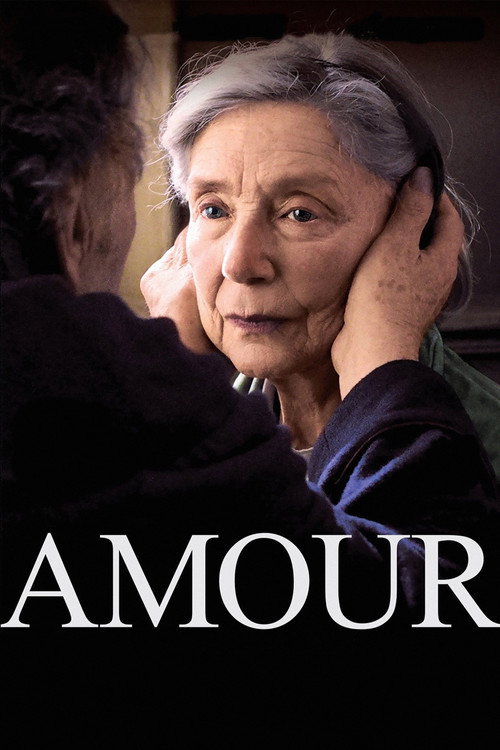
Amour2012
Haneke's masterpiece about an elderly couple facing terminal illness. Both films refuse sentimentality and insist on the body's ugly reality alongside love.
But Watching it feels like a duty to sadness. One of cinema's most difficult but necessary films about aging and care.
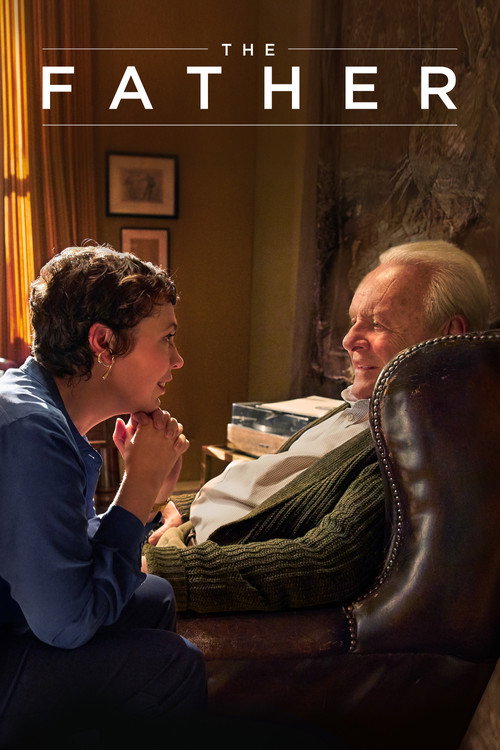
The Father2020
Captures dementia from inside the sufferer's perspective—fractured, repetitive, disorienting. Shares Vortex's commitment to showing cognitive decline without pity.
But Anthony Hopkins delivers a performance so convincing it becomes genuinely hard to watch. Emotionally exhausting.
Not sure tonight? Get a pick in a minute, starting from Vortex
The wildcard
Something you would not have found on your own.
Ikiru1952
Both films use formal repetition and geometric precision to show time collapsing and meaning fragmenting. One is graceful, one is claustrophobic, but they're asking identical questions.
Kurosawa's film about a dying bureaucrat finding meaning in small acts—the inverse emotional temperature to Vortex, yet pursuing the same question: what matters when time runs out? The split-screen here is temporal, not spatial, but equally precise.
But Post-war Japanese cinema moves differently. Its pace feels meditative rather than propulsive, and the ending is quieter than Western viewers expect.

More like this (8)
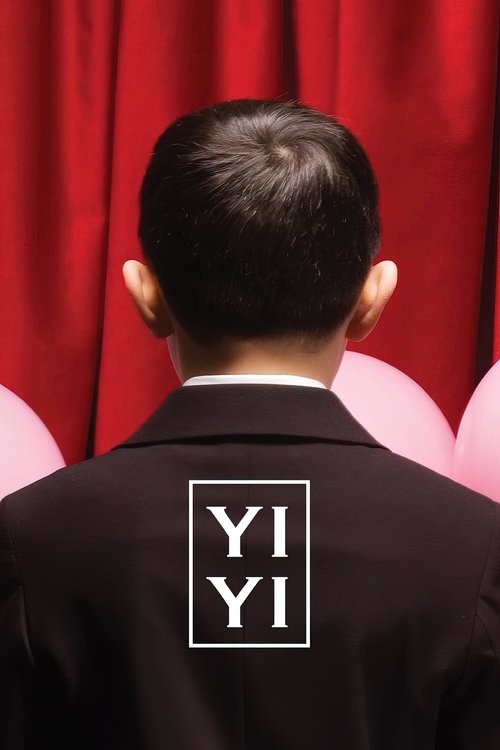
Yi Yi2000
Edward Yang's four-hour family epic observes three generations navigating love, failure, and mortality. Same patient eye for domestic truth and existential weight as Vortex.
But Length is a real commitment. Requires patience with scenes that seem to meander, though they never do.
Synecdoche, New York2008
Kaufman's fever dream about aging, creativity, and the marriage of art and life. Shares Vortex's willingness to show human beings in their least flattering states.
But Deliberately confusing and baroque. The more you try to parse it, the less it cooperates. Some find this brilliant, others infuriating.

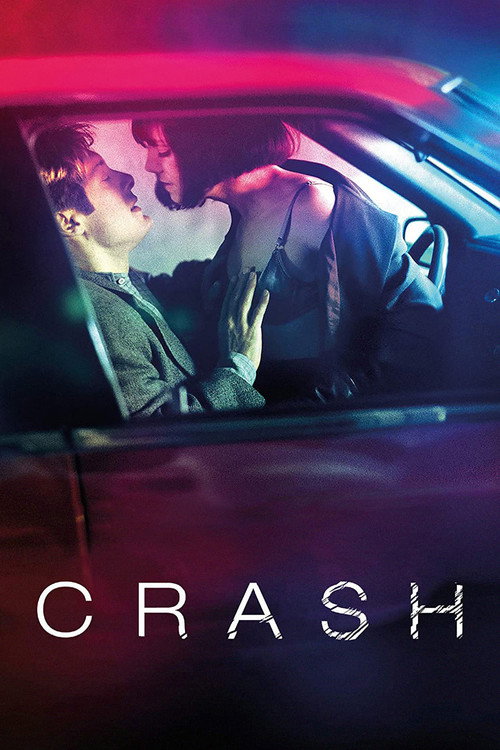
Crash1996
Also directed by Cronenberg in his Noé era: transgressive, uncompromising, asking difficult questions about the body and human connection without moral guardrails.
But About sexual arousal and vehicle crashes. If you find it repulsive, that's somewhat the point, and you won't enjoy it anyway.
Stalker1979
Tarkovsky's glacial journey into the self. Like Vortex, it refuses easy answers and trusts viewers to sit with ambiguity and the weight of time passing.
But Nearly three hours of people walking slowly through empty rooms. If cinema for you is entertainment rather than experience, skip it.

Mulholland Drive2001
Lynch's fractal narrative about Hollywood, identity, and the stories we tell ourselves. Both films are fascinated by how minds construct reality when reality fractures.
But Deliberately won't cohere. Some viewers find that exhilarating; others leave feeling robbed of meaning.

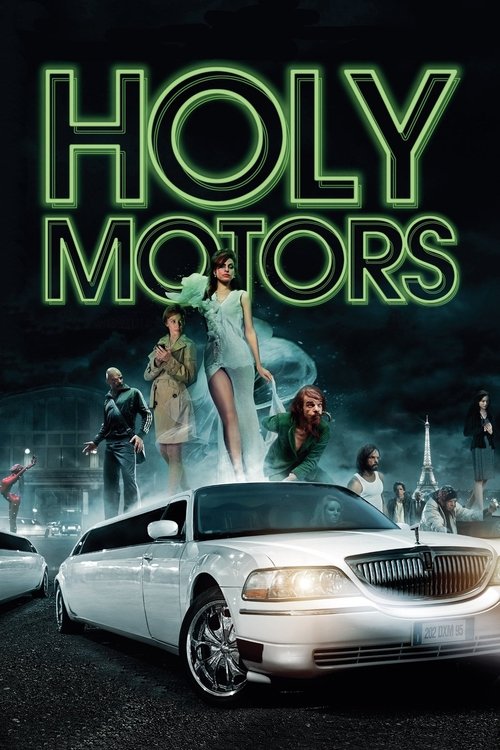
Holy Motors2012
Leos Carax's maximalist fever dream is Vortex's spiritual opposite, yet both pursue radical formal choices to explore what it means to perform being human.
But Surreal, maximalist, sometimes tedious. If you want narrative clarity, this is a wall you'll hit repeatedly.
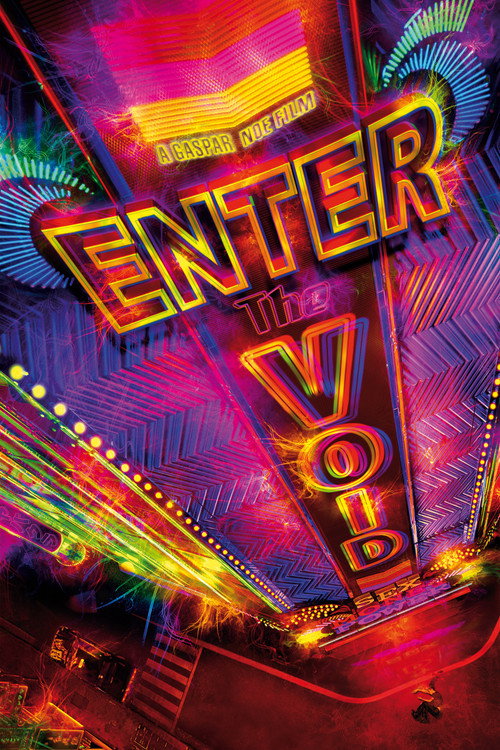
Enter the Void2010
Noé wrestling with the same anxieties across opposite poles: one a realistic split-screen marital dissolution, one a first-person cosmic horror. Both are formal investigations into consciousness disappearing.
Noé's own hallucinogenic aftermath-of-death fever dream. If Vortex is dementia from the outside, this is dissolution from inside—trippy, visceral, formally inventive in entirely opposite directions.
But Migraine-inducing psychedelia. Literally designed to be visually assaultive. You may feel sick. You may feel enlightened. You may feel both.
Bicycle Thieves1948
Both films insist that ordinary people in ordinary apartments contain entire universes. Both reject the cinema of comfort. Both suggest that looking closely at what we'd rather avoid is an act of love.
Neorealism stripped to heartbreak. An ordinary man's ordinary week becomes existential. Like Vortex, it refuses melodrama and finds devastation in the quotidian, though where Vortex is interior, this is socially conscious and urgent.
But Black-and-white, subtitled, about poverty and despair. No compensatory beauty. Some viewers find its humanism moving; others find it relentlessly bleak.

People
Cast
 Françoise LebrunElle
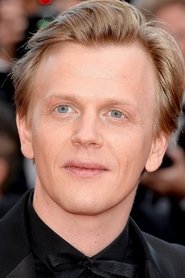 Alex LutzStéphane
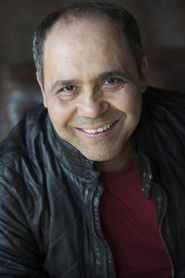 Kamel BenchemekhGrocer
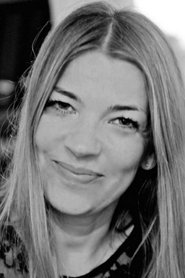 Corinne BruandClaire
- Nathalie RoubaudJunkie
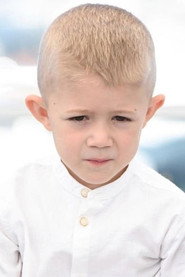 Kylian DheretKiki
 Philippe RouyerEditorial Friend
 Jean-Pierre BouyxouEditorial Friend
 Laurent AkninEditorial Friend
 Stephane DerderianEditorial Friend
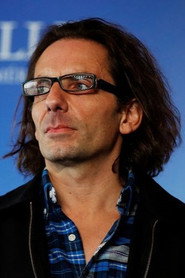 Jean-Baptiste ThoretEditorial Friend
Directing
- Nina DoréAdditional Third Assistant Director
- David Maria PutortiAssistant Director
- Gaspar NoéDirector
- Claire Corbetta-DollFirst Assistant Director
- Pierre LagardèreSecond Assistant Director
Writing
- Gaspar NoéWriter
Production
- Annabelle ZoellinHead of Production
- Brahim ChiouaProducer
- Édouard WeilProducer
- Vincent MaravalProducer