
Film
Eden and After
Alain Robbe-Grillet's 1970 provocation about a group of Paris students lured into psychological games by a mysterious stranger. It's deliberately disorienting, structurally fractured, and saturated with Seventies eroticism—part thriller, part fever dream, entirely committed to unsettling you. For viewers hungry for cinema that refuses coherence and comfort.
If you liked this
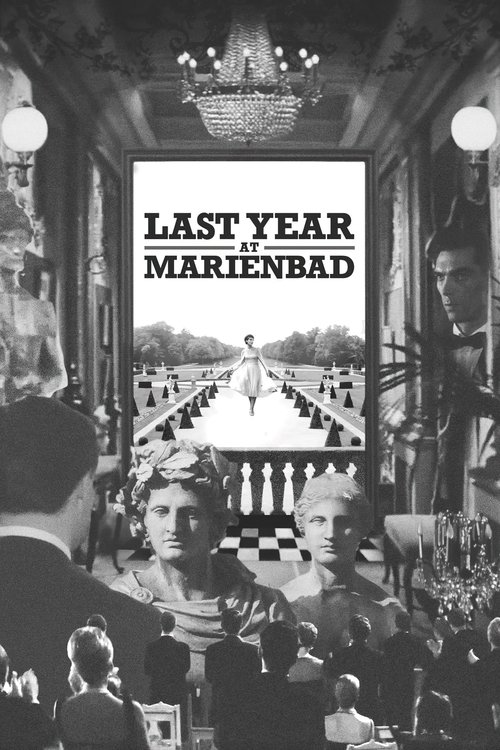
Last Year at Marienbad1961
Another Robbe-Grillet collaboration with Alain Resnais, equally obsessed with unreliable memory and seduction through impossible games. That same hypnotic pull, that refusal to let you settle into certainty.
But Deliberately enigmatic to the point of impenetrability. If you need plot clarity and emotional catharsis, this will frustrate you intensely.
Mulholland Drive2001
Lynch creates a similarly vertiginous Los Angeles where reality fractures and time loops back on itself. The same sense of glamour concealing something rotten underneath, the same formal precision applied to psychological chaos.
But Three hours of mounting dread punctuated by long sequences that seem to lead nowhere. Some viewers find it self-indulgent rather than mesmerizing.

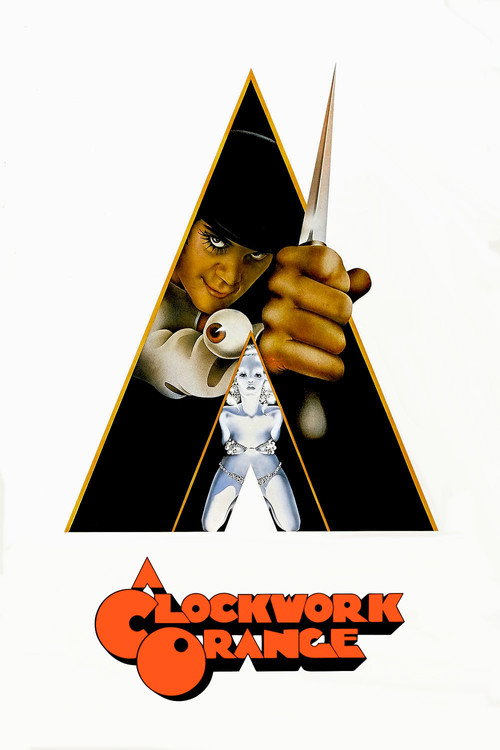
A Clockwork Orange1971
Kubrick's vision of youth, sexuality, and systems of control arrived just after Eden and After. Both films treat transgression as cinema itself—formal and visceral shocks designed to implicate the viewer.
But The sexual violence is graphic and unapologetic. It's deliberately meant to disturb, which some viewers experience as exploitation rather than critique.
Not sure tonight? Get a pick in a minute, starting from Eden and After
The wildcard
Something you would not have found on your own.
Stalker1979
Both films trap characters inside a space—literal or psychological—where normal rules collapse and desire becomes the primary force. Both use formal precision to create disorientation.
Tarkovsky's three-hour philosophical thriller about a guide leading two men through a forbidden zone toward a room that grants wishes. Where Eden offers pharmaceutical hallucination and sexual transgression, Stalker offers metaphysical dread and the psychological weight of desire itself. Both films refuse to clarify what's real.
But Glacially paced. Long takes, minimal plot, philosophical monologues. It's not a thriller in the conventional sense—it's a meditation that happens to use a thriller's frame. Requires active surrender.

More like this (8)
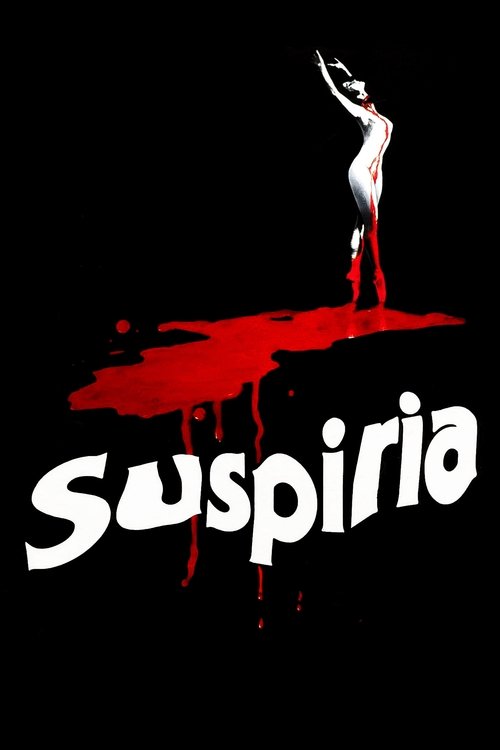
Suspiria1977
Dario Argento's fever-dream thriller about a young woman trapped in a nightmare that won't resolve. Like Eden, it prioritizes atmosphere and formal strangeness over narrative logic. Hypnotic and deeply unsettling.
But The plot barely matters; if you're watching for a coherent mystery, you'll leave disappointed. The logic is purely dreamlike and visual.
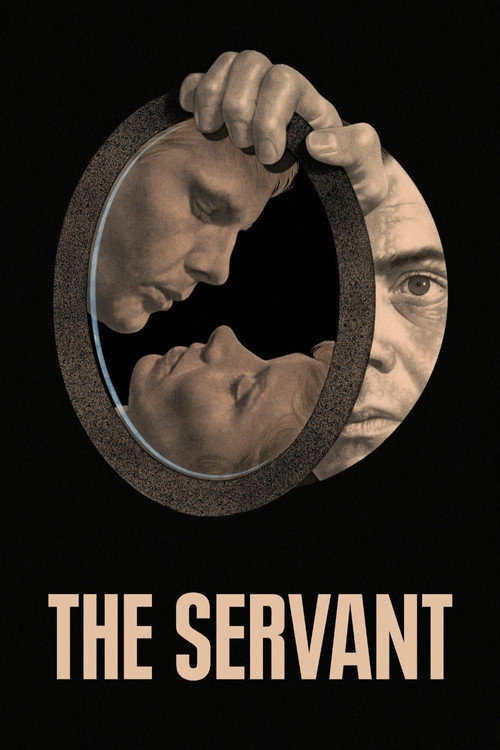
The Servant1963
Losey's psychological cat-and-mouse game set in a London townhouse, where power and desire twist into unrecognizable shapes. That same claustrophobic seduction, that same ambiguity about who's really in control.
But Painfully slow-burn. The tension accumulates through subtext and glances rather than action. Requires patience and active interpretation from the viewer.
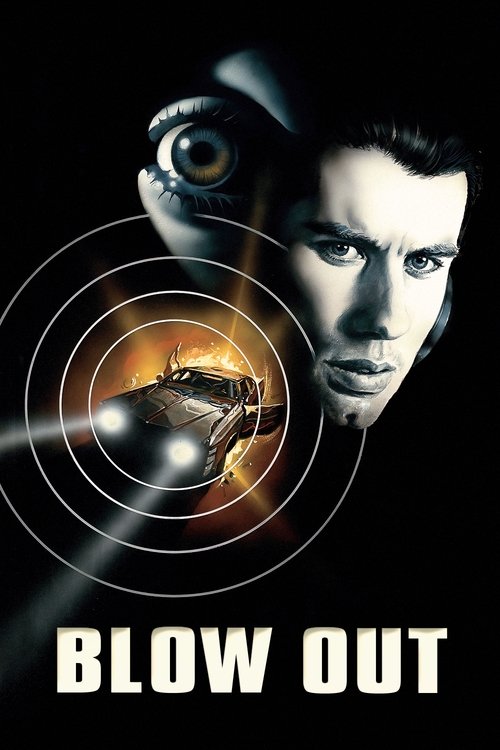
Blow Out1981
De Palma's thriller about a sound recordist who captures evidence of a murder. It shares Eden's obsession with perception, truth-telling, and the unreliability of what we witness—plus paranoia and formal audacity.
But The central mystery gets convoluted. Some viewers find the plot mechanics overcomplicated and the ending frustratingly bleak.
Possession1981
Zulawski's Berlin-set descent into sexual and psychological horror. Grotesque, visceral, utterly committed to nightmare logic. Shares that same willingness to make the audience actively uncomfortable.
But Genuinely difficult to watch. Graphic sexual imagery, violence, and raw emotional despair. It's art, but punishing art that demands tolerance for extremity.

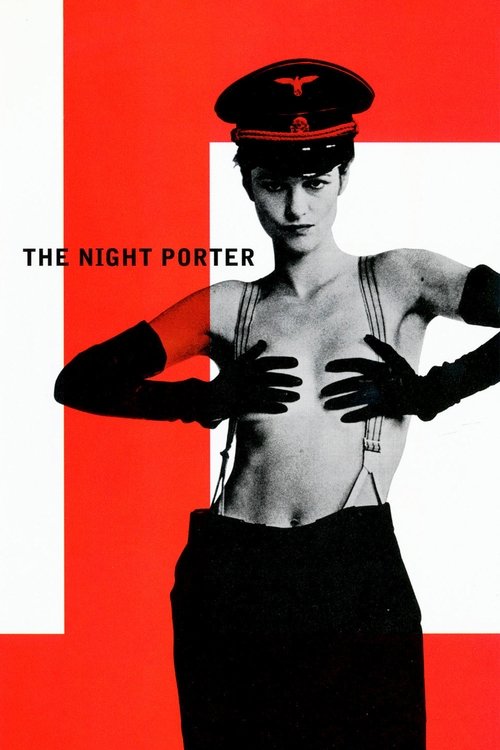
The Night Porter1974
Cavani's film about two former lovers reunited in a Vienna hotel, with a WWII past lurking underneath. Explores power, seduction, and the erotics of control as unflinchingly as Eden does.
But Controversial for its apparent fascination with its own transgressive subject matter. Some find the film morally queasy; the line between critique and complicity feels deliberately blurred.
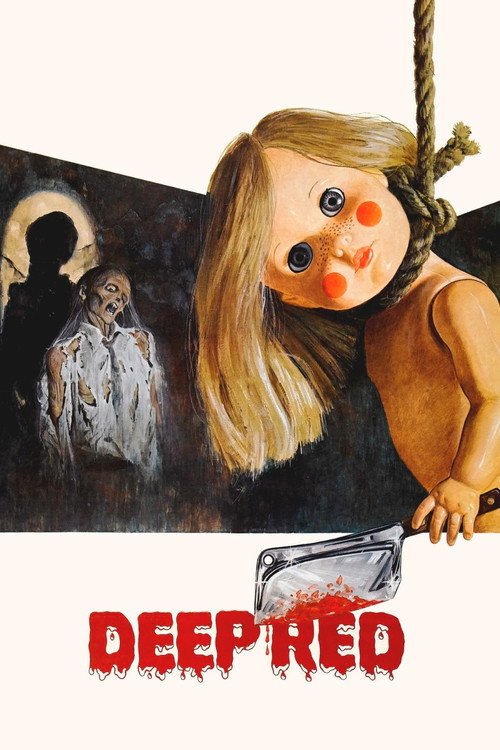
Deep Red1975
Argento's giallo masterpiece about a pianist drawn into a murder investigation. Mystery wrapped in formal brilliance and stylized violence. Like Eden, it's cinema as sensory assault, not narrative comfort.
But The plot is intentionally baroque and sometimes nonsensical. If you need your mysteries to solve cleanly, this baroque puzzle will feel deliberately evasive.
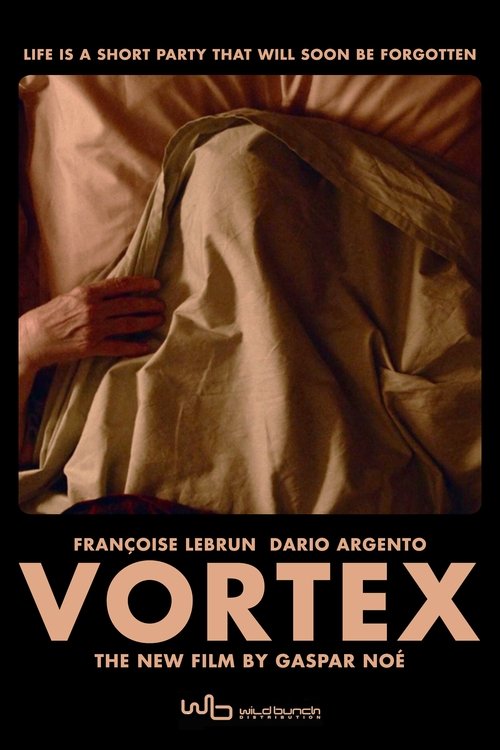
Vortex2021
Both are films about spaces becoming prisons for the people inside them. Both suggest that cinema itself might be the disease, not the cure.
Argento's final film, a split-screen document of an elderly couple's decline set in a Parisian apartment during COVID. On paper: intimate, quiet, devastatingly human. The opposite register from Eden, yet thematically aligned—both explore how desire and control warp intimate spaces, how perception fractures under pressure.
But It's a palimpsest of earlier Argento films, difficult and fragmented. Some find it indulgent late-career work; others find it genuinely moving. Either way, it's not a pleasure movie.
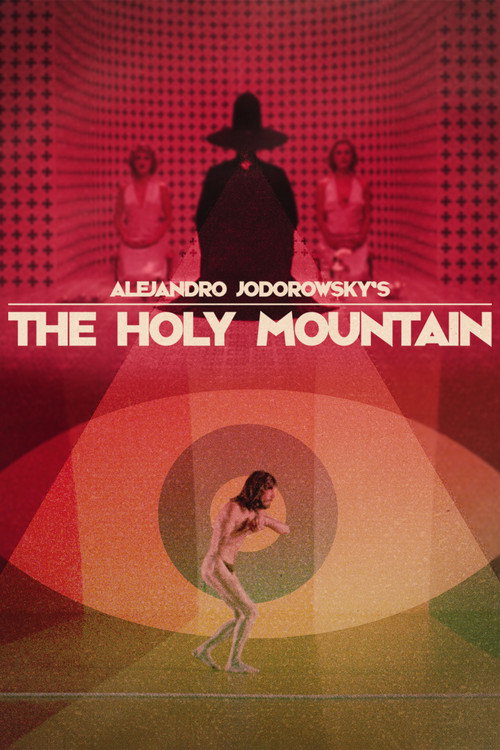
The Holy Mountain1973
Both films use transgression as a form of spiritual or psychological inquiry. Both ask: what happens when you strip away social rules and see what remains?
Jodorowsky's surrealist odyssey—two hours of baroque imagery, shock, eroticism, and philosophical ambition. Where Eden is intimate and French, The Holy Mountain is sprawling and visionary. Same commitment to cinema as sensory and psychological assault.
But Transgressive for transgression's sake in places. Some sequences are genuinely offensive. Its mysticism feels muddled to skeptics. Some viewers find it pretentious rather than profound.
People
Cast
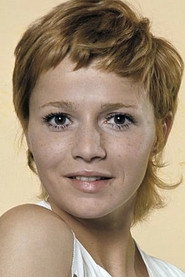 Catherine JourdanViolette
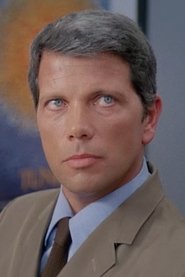 Pierre ZimmerDuchemin
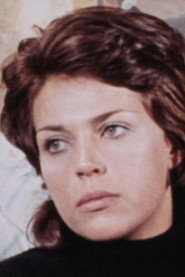 Lorraine RainerMarie-Eve
- Richard LeducMarc-Antoine
- Sylvain CorthayRobert
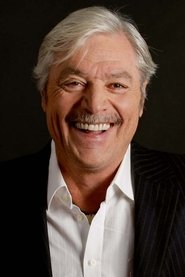 Juraj KukuraBoris
- Jarmila KoleničováSonia
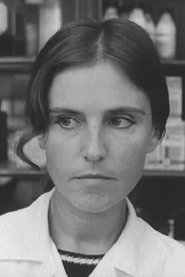 Catherine Robbe-GrilletFoolish Woman
- Ľudovít KronerFranc
- Eva LutherováViolette's look-a-like
- František GervaiProfessor
- Marián SotníkStudent
Directing
- Ján GogálAssistant Director
- Noem-Zdena ĎurišováContinuity
- Alain Robbe-GrilletDirector
- Alexander BadaFirst Assistant Director
- Claude SambainFirst Assistant Director
- Férid BoughedirFirst Assistant Director
Writing
- Alain Robbe-GrilletWriter
Production
- Samy HalfonProducer
- Gejza NagyProduction Assistant
- Milan HulíkProduction Assistant
- Noureddine MechriProduction Assistant
- Ján TomaškovičProduction Manager