
Film
Poison
- Drama
- Very dark
- Strange
Todd Haynes's 1991 debut is a formally audacious triptych that splices three transgressive stories—suburban murder, a pharmaceutical gone grotesquely wrong, prison desire—into a fever dream of contamination, bodies, and the unspeakable. Shot in crisp, clinical precision that makes the transgressive feel suffocatingly real. For viewers ready to be disturbed in service of something artfully complex.
Should you watch it?
Watch it if you are drawn to deliberately fractured storytelling that treats sex, disgust and social panic with cool, arch precision, and you enjoy films that refuse to explain themselves.
Skip it if the stylised, stop-start structure and frank, often grotesque sexual imagery may feel alienating if you want a story to settle and carry you along.
What it asks of you: Three separate strands cut back and forth with no reassuring anchor, and each stays with its unpleasant material longer than is comfortable, so patience matters more than enjoyment.
Not sure? Find tonight's pick in a minute.
If you liked this
Synecdoche, New York2008
Another layered, formally daring film about obsession and constructed realities. Kaufman shares Haynes's refusal to make easy sense, building meaning through accumulation and dread rather than plot.
But Nearly three hours, deliberately frustrating, and the narrative deliberately resists clarity. Some see it as self-indulgent rather than visionary.

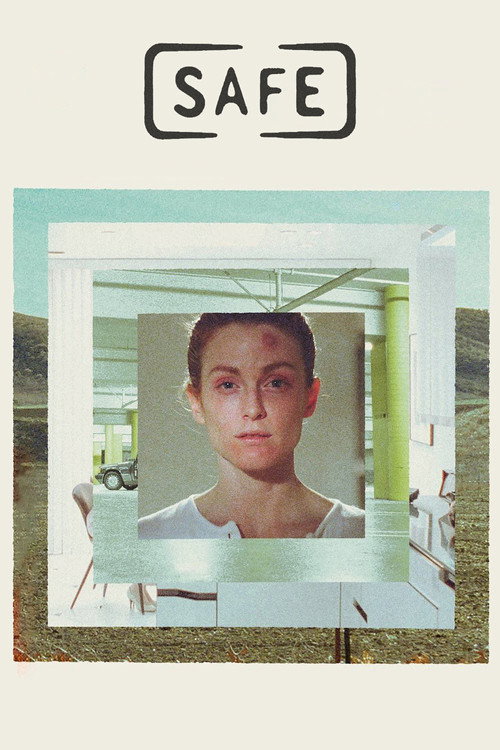
Safe1995
Haynes's follow-up explores bodily horror and the unseen terrors of everyday life with the same clinical precision. A masterpiece about vulnerability wrapped as science fiction.
But Slower and more restrained than Poison, with an accumulating dread that some find glacial rather than gripping.
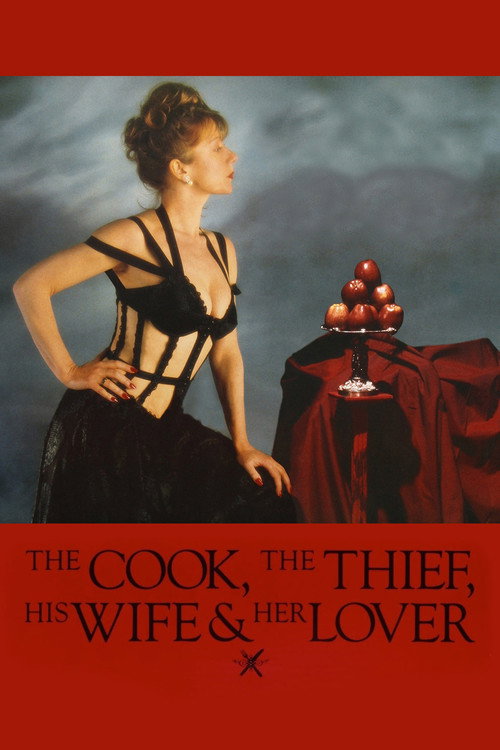
The Cook, the Thief, His Wife & Her Lover1989
Peter Greenaway's operatic transgression: sumptuous, obscene, and architecturally brilliant. Like Poison, it makes beauty and horror compete for your attention.
But Extremely graphic sexual content and violence. The formal games can feel like an obstacle rather than a revelation.
Not sure tonight? Get a pick in a minute, starting from Poison
The wildcard
Something you would not have found on your own.
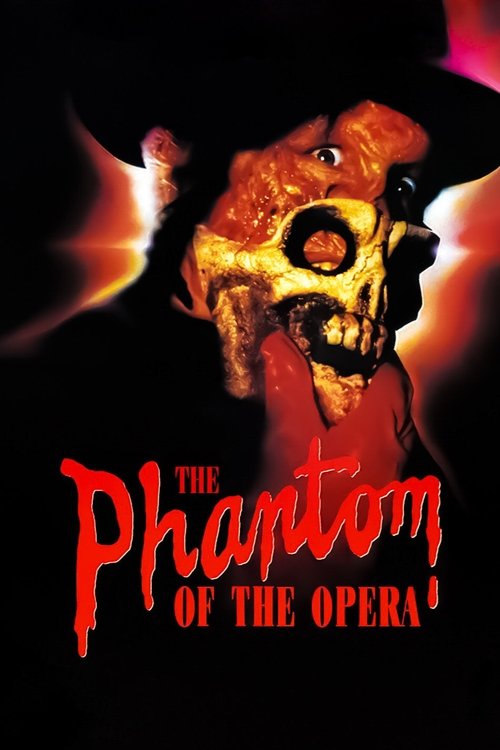
The Phantom of the Opera1989
Both are three-part structures exploring obsession through formal excess and visual abstraction. Both insist that you feel the strangeness rather than understand the plot.
Dario Argento's operatic horror reaches for the same nexus of beauty and deformity, obsession and spectacle. A visual fever dream where form IS content, not decoration.
But More interested in stylistic excess than emotional clarity. If you need coherent narrative or rooting interest, this will feel pure surface.
More like this (7)
Mulholland Drive2001
David Lynch fractured narrative about Hollywood and desire. Shares Poison's willingness to splice distinct emotional registers and refuse easy resolution.
But Baroque and confounding. If you need plot to hold onto, this will feel like watching someone else's fever dream.

The Skin I Live In2011
Spanish horror-thriller about obsession, bodily transformation, and revenge. Clinical precision applied to deeply transgressive material, like Haynes but more viscerally twisted.
But The central revelation is genuinely disturbing. Some viewers find it exploitative rather than exploratory.

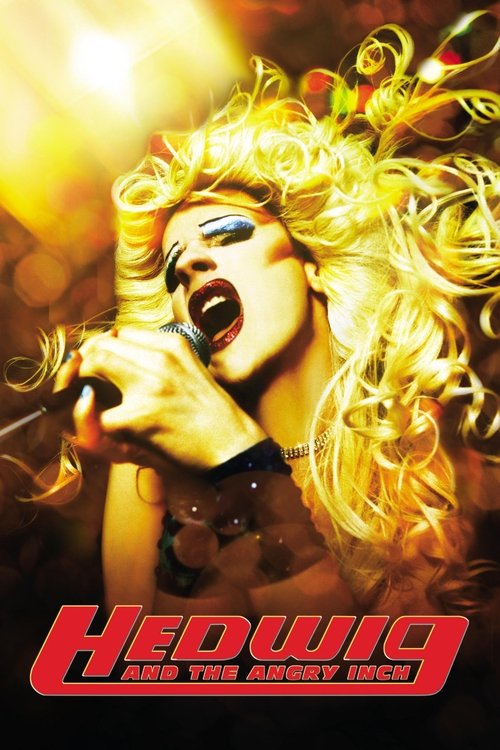
Hedwig and the Angry Inch2001
John Cameron Mitchell's musical about identity, embodiment, and wounds you don't recover from. Transgressive but exuberant, Haynes-adjacent in its refusal of easy categories.
But The musical-theater aesthetic is deliberately artificial. If you're allergic to artifice, the form will annoy you.
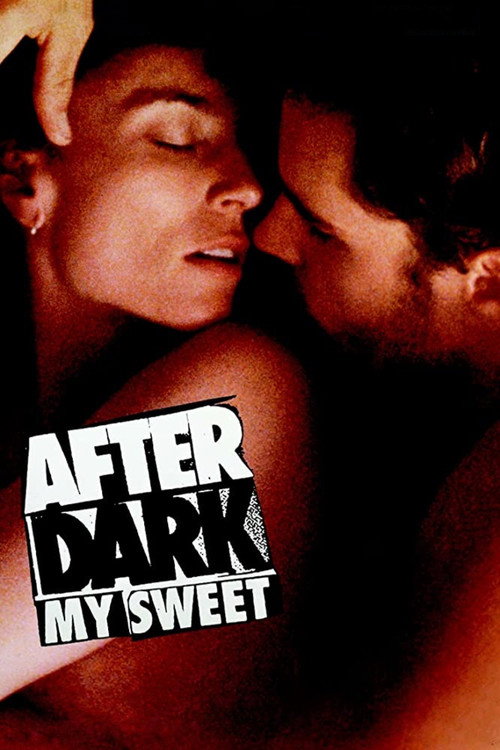
After Dark, My Sweet1990
James Foley's noir about damaged people making dangerous choices. Lower-key than Poison but shares its interest in how transgression corrodes ordinary life.
But Quite obscure and difficult to find. The narrative is deliberately opaque in ways some find frustrating rather than intriguing.
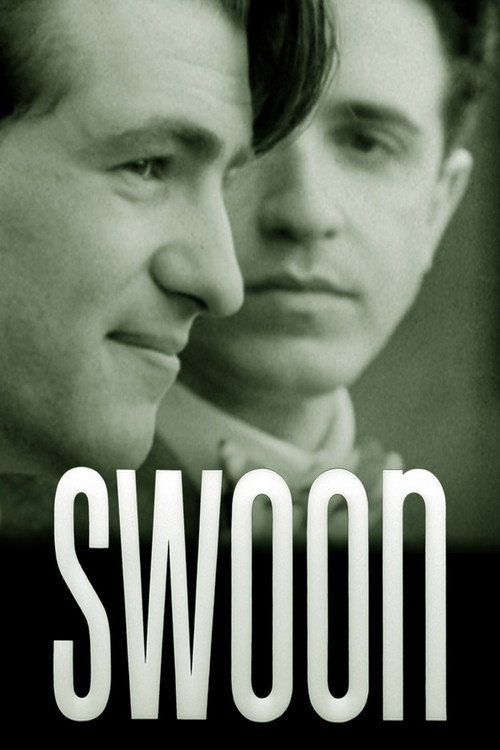
Swoon1992
Haynes's near-contemporary, Tom Kalin's debut about the Leopold-Loeb murders. Formally adventurous, queer, transgressive. A perfect companion piece.
But Shot in stark black and white and heavily fragmented. The fractured form keeps you at a distance from the narrative.
Come and See1985
Both use formal dissonance and transgressive imagery not for shock but to represent states beyond ordinary language. Both believe beauty and horror are not opposites.
Elem Klimov's Soviet war film about a boy's descent into hell. Uses extreme form—distorted sound, nightmarish imagery, sensory assault—to make the unspeakable real. Formally inventive and morally urgent.
But Genuinely traumatic. Graphic violence and psychological devastation. Some viewers find it unwatchable rather than revelatory.

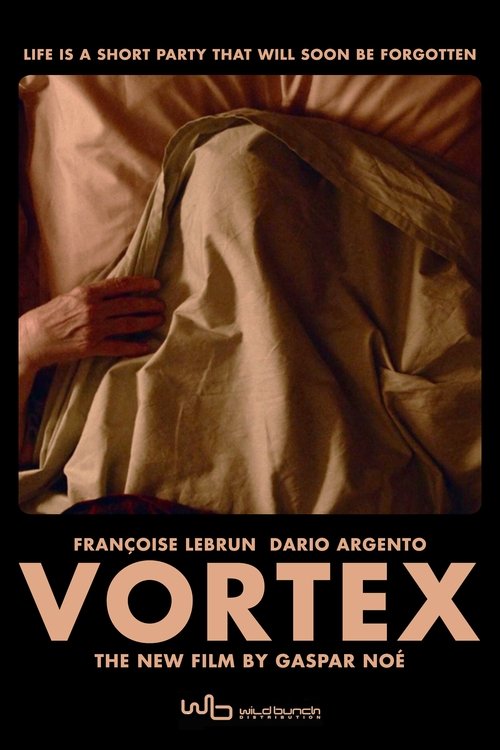
Vortex2021
Both trust formal innovation to carry moral weight. Both insist that transgression and decay are appropriate subjects for sustained, unflinching formal attention.
Gaspar Noé's split-screen portrait of aging and dissolution. Two stories, one frame, colliding and bleeding into each other. Like Poison's triptych but rendered as a single visual field falling apart.
But Three-hour experimental essay with minimal plot. The split-screen becomes exhausting for some, and the subject matter—decline, death—has no catharsis.
People
Cast
 Edith MeeksFelicia Beacon ("Hero")
- Millie WhiteMillie Sklar ("Hero")
- Buck SmithGregory Lazar ("Hero")
- Anne Giotta Evelyn McAlpert ("Hero")
- Lydia LafleurSylvia Manning ("Hero")
- Ian NemserSean White ("Hero")
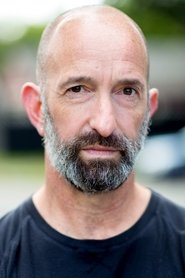 Rob LaBelleJay Wete ("Hero")
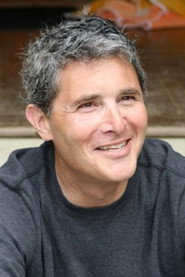 Evan DunskyDr. MacArthur ("Hero")
- Marina LutzHazel Lamprecht ("Hero")
- Barry CassidyOfficer Rilt ("Hero")
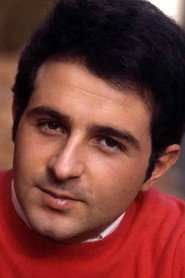 Richard AnthonyEdward Comacho ("Hero")
- Angela M. SchreiberFlorence Giddens ("Hero")
Directing
- Todd HaynesDirector
- Christine VachonFirst Assistant Director
- Andrew HarpendingSecond Assistant Director
- Mark HaffenrefferSecond Assistant Director
Writing
- Todd HaynesWriter
Production
- Lauren ZalaznickAssociate Producer
- Andrew HarpendingCasting
- John Michael KelseyCasting
- Karim AïnouzCasting
- Laura BarnettCasting
- Brian GreenbaumExecutive Producer
- James SchamusExecutive Producer
- Christine VachonProducer
- Jeffrey SchwarzProduction Assistant
Recommended by
Swimfan, Yves Saint Laurent, Body of Evidence, High Art, Crimes of Passion, Erotique, A Special Relationship, Homage, Caught