
Film
Erotique
A 1994 anthology film directed by four women that explores female desire through four distinct erotic segments. Each director brings their own visual language and sensibility to intimate storytelling. It's smart, varied, sometimes playful, sometimes tender—a rare glimpse of how women filmmakers imagine sexuality on their own terms, without the male gaze filtering the frame.
If you liked this
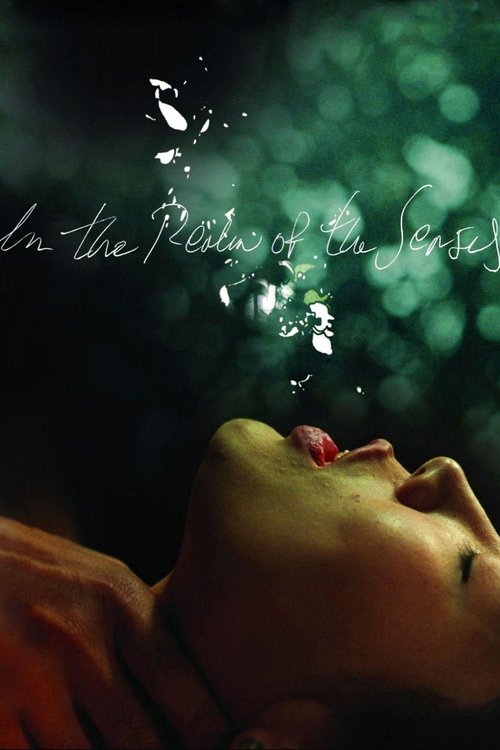
In the Realm of the Senses1976
A landmark film about desire and obsession that refuses to look away. Nagisa Oshima's unflinching exploration of sexuality as both intimate and destructive remains extraordinary—visually daring and emotionally raw in ways mainstream cinema rarely attempts.
But Extremely explicit and challenging material that goes well beyond conventional erotic cinema. The historical brutality woven through the narrative makes it difficult rather than pleasurable viewing.
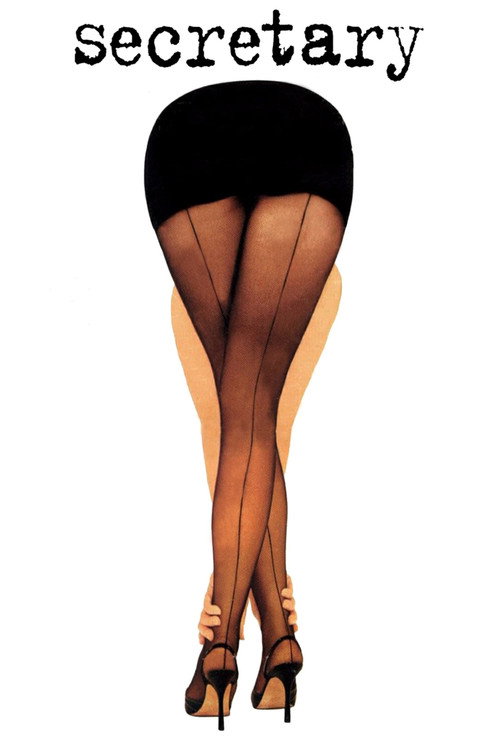
Secretary2002
Steven Shainberg's film about power and desire presented as complex, funny, and oddly tender. It finds eroticism in psychology and relationship dynamics rather than spectacle, with career-best performances from Maggie Gyllenhaal and James Spader that feel genuinely subversive.
But The BDSM elements might feel didactic if you're seeking entertainment rather than ideas. Some viewers find the tonal shifts between comedy and kink jarring.
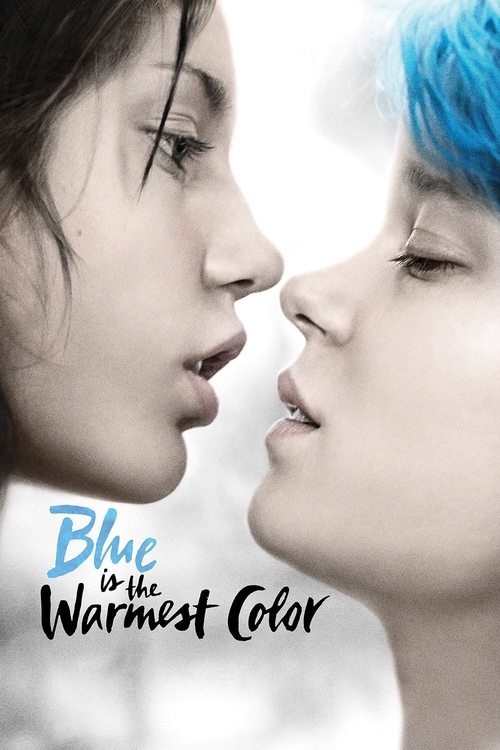
Blue Is the Warmest Color2013
Abdellatif Kechiche's intimate portrait of a woman discovering her sexuality. It's gorgeously shot, emotionally complex, and genuinely explores how desire reshapes identity—the relationship feels lived-in and real in ways that matter.
But The runtime stretches past three hours and the pacing demands patience. Some found the famous intimate scenes exploitative despite the director's intentions.
Not sure tonight? Get a pick in a minute, starting from Erotique
The wildcard
Something you would not have found on your own.
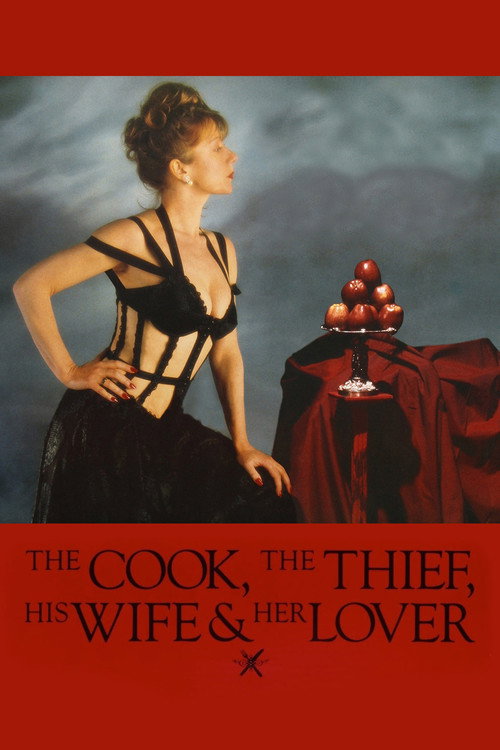
The Cook, the Thief, His Wife & Her Lover1989
Like Erotique, it presents desire through the distinctive visual language of its creator rather than as universal truth. Both films insist that how you see sexuality matters as much as what you see.
Peter Greenaway's baroque provocation uses color, composition, and frank sexuality to explore power, desire, and transgression in a grotesque fairy tale. It's visually overwhelming and thematically fearless—desire as violent, aesthetic, and political simultaneously.
But Aggressively artificial and deliberately repellent in its mixture of eroticism and horror. The formal excess overwhelms emotional access for many viewers; it's an intellectual experience before an emotional one.
More like this (8)
Mulholland Drive2001
David Lynch's fever dream about desire, performance, and fantasy in Los Angeles. The sexuality here is psychic and hallucinatory; it works like a spell, fragmenting and reassembling throughout to explore how we construct identities and longings.
But Deliberately obscure and structurally fractured. If you need narrative clarity, Lynch will frustrate you; if you're seeking straightforward eroticism, look elsewhere.

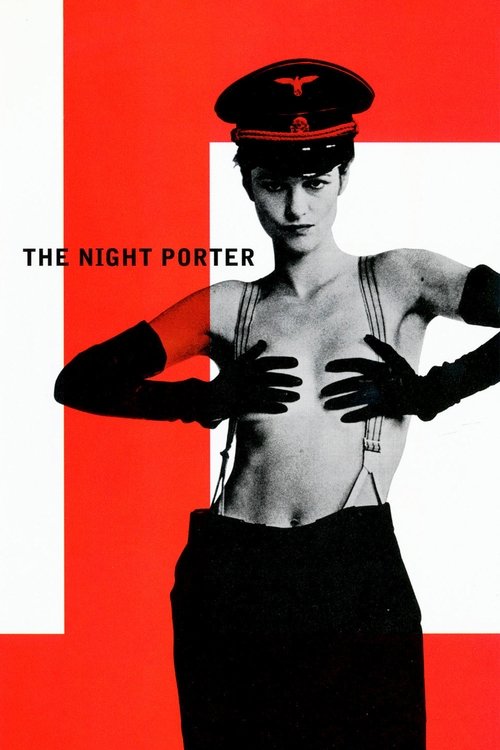
The Night Porter1974
Liliana Cavani's haunting study of how desire can coexist with trauma and history. It's formally stunning, erotically charged, and morally complicated—the kind of film that burrows into your mind precisely because it refuses easy answers.
But Deals with the Holocaust and abuse within an intimate relationship. Deeply disturbing and profoundly unsexy in crucial moments, which is entirely intentional and upsetting.
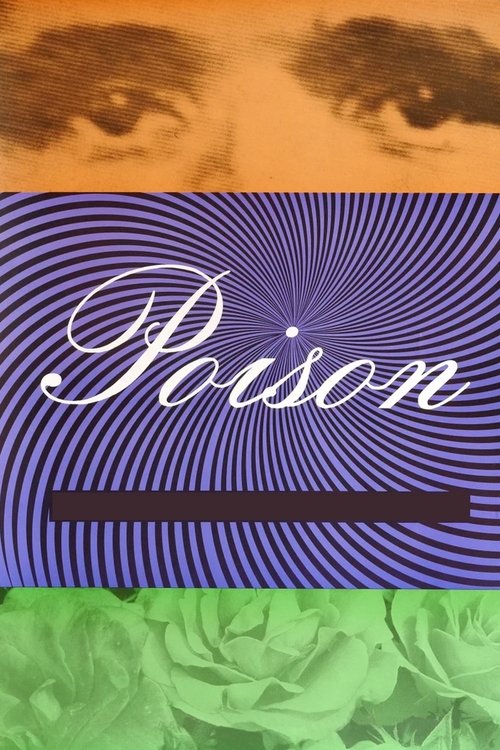
Poison1991
Todd Haynes' radical collage of desire, identity, and transgression across multiple registers—horror, melodrama, documentary. It's visually inventive and thematically bold, celebrating queer sexuality with real formal innovation and political urgency.
But Fragmentary and deliberately difficult. It requires active engagement and refuses conventional narrative satisfaction; some find it more interesting than pleasurable.
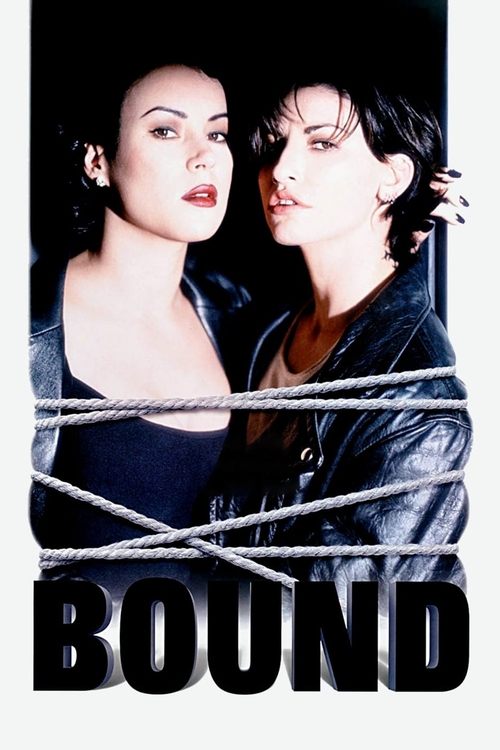
Bound1996
The Wachowskis' debut is a pulpy noir heist thriller that happens to center queer female desire as central, not peripheral. It's stylish, smart, playful with genre, and genuinely erotic in ways that feel earned and specific to the characters.
But The crime plot sometimes overwhelms the emotional core. If you're seeking pure intimacy over suspense and genre mechanics, the balance won't serve you.
Bitter Lake2015
Adam Curtis explores how desire and fantasy shape global politics through archival footage, music, and intuitive editing. It reframes eroticism as a force in history itself—how longing and fantasy drive empires, wars, and policy in often invisible ways.
But A two-hour essayistic video collage with unconventional pacing. If you need linear argument or conventional documentary structure, Curtis's method will feel maddening or pretentious.
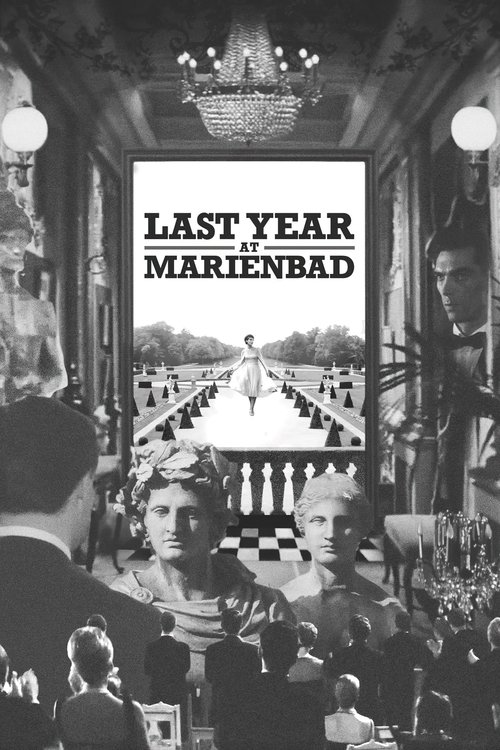
Last Year at Marienbad1961
Alain Resnais' hypnotic puzzle about seduction, memory, and desire set in a surreal château. It's formally experimental, erotically charged through atmosphere and conversation rather than action, and genuinely strange in how it lingers.
But Deliberately opaque and repetitive. The plot dissolves; meaning emerges through mood rather than narrative. Many find it distant and cold rather than engaging.
Chungking Express1994
Both are anthology structures that prioritize the director's sensibility over universal themes. Both suggest that different filmmakers see desire and intimacy through entirely different lenses.
Wong Kar-wai's virtuoso Hong Kong film about longing and connection uses color, music, and visual poetry to evoke desire as melancholy, nostalgic, unresolved. Two parallel love stories, neither consummated, suggest that wanting can be more interesting than having.
But The narrative structure is fragmented and emotional rather than plot-driven. The visual style, while gorgeous, sometimes obscures rather than clarifies. It moves by mood and impression rather than conventional story momentum.

Pussy Talk
Erotique filters female desire through artistic vision; Pussy Talk lets women speak about it in their own voices without mediation. Both honor female subjectivity as the point, not the problem.
A 1970s experimental documentary where women discuss their sexuality with unusual frankness. It's artlessly direct, sometimes funny, often awkward—a genuine historical document of how women spoke about desire before it was packaged for consumption. Radically unglamorous and deeply humanizing.
But Deliberately unstylish and structurally formless. No narrative arc, no performances, just conversation. If you need visual sophistication or dramatic engagement, this will feel tedious rather than transgressive.
People
Cast
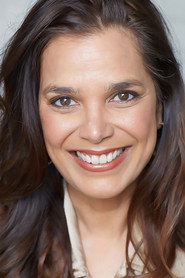 Kamala LopezRosie (segment 'Let's Talk About Love')
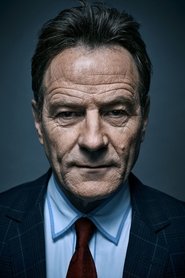 Bryan CranstonDr. Robert Stern (segment 'Let's Talk About Love')
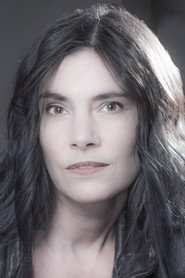 Liane CurtisMurphy (segment "Let"s Talk About Love")
- Ron OrbachBoss ( (segment 'Let's Talk About Love')
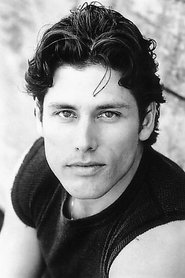 Wade DominguezDream Sequence Lover (segment 'Let's Talk About Love')
- Janet HaleyOlder Phone Worker (segment 'Let's Talk About Love')
- Kayla AllenPhone Worker (segment 'Let's Talk About Love')
- Sunshine BainbridgePhone Worker (segment 'Let's Talk About Love')
 Michelle ClunieSlave #1 (segment 'Let's Talk About Love')
- Tairrie B. MurphySlave #2 (segment "Let's Talk About Love")
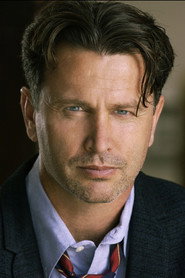 Robert KoteckiCasting Agent (segment 'Let's Talk About Love')
 Buckley NorrisCasting Agent (segment 'Let's Talk About Love')
Directing
- Ana Maria MagalhãesDirector
- Clara LawDirector
- Lizzie BordenDirector
- Monika TreutDirector
Writing
- Ana Maria MagalhãesWriter
- Eddie Fong Ling-ChingWriter
- Eloí CalageWriter
- Lizzie BordenWriter
- Monika TreutWriter
- Susie BrightWriter
Production
- Jerold FranksCasting
- Linda BergerCasting
- Christopher WoodProducer
- Eddie Fong Ling-ChingProducer
- Michael SombetzkiProducer
- Monika TreutProducer
- Teddy RobinProducer
- Vicky HermanProducer