
Film
Bicycle Thieves
Vittorio De Sica's neorealist landmark follows a poor Roman father whose bicycle—his one ticket to a job—is stolen on his first day of work. Shot on real streets with non-actors, it's plain, unhurried, and devastating in a way that never announces itself. Essential viewing for anyone who wants to understand where modern social-realist cinema began.
If you liked this
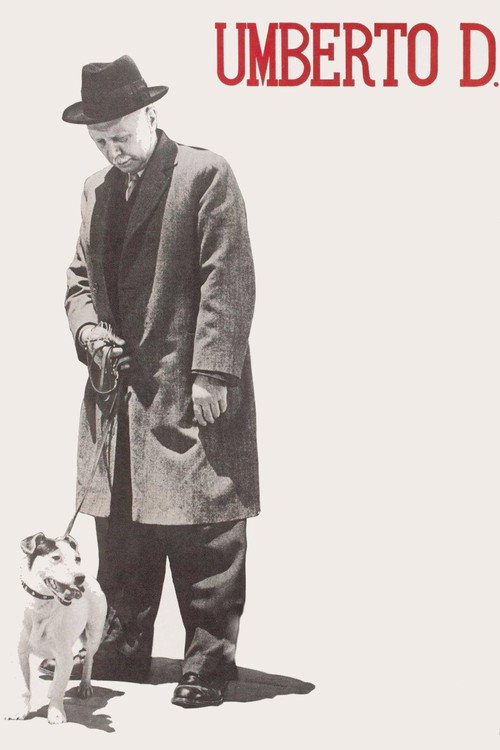
Umberto D.1952
De Sica's follow-up trades the father-son bond for an old man and his dog, but the same unblinking compassion for the desperate poor is here, maybe intensified.
But Even sparer and sadder than Bicycle Thieves — there's less plot to hide behind, and the ending offers little comfort.
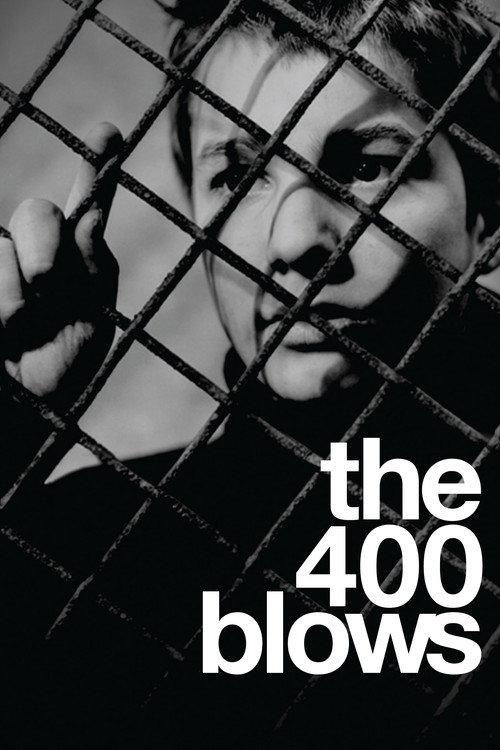
The 400 Blows1959
Truffaut's semi-autobiographical debut follows a neglected Parisian boy failed by every adult around him, filmed with the same street-level tenderness for a child navigating an indifferent city.
But More adolescent rebellion than economic desperation — the stakes are emotional rather than survival, which changes the temperature.
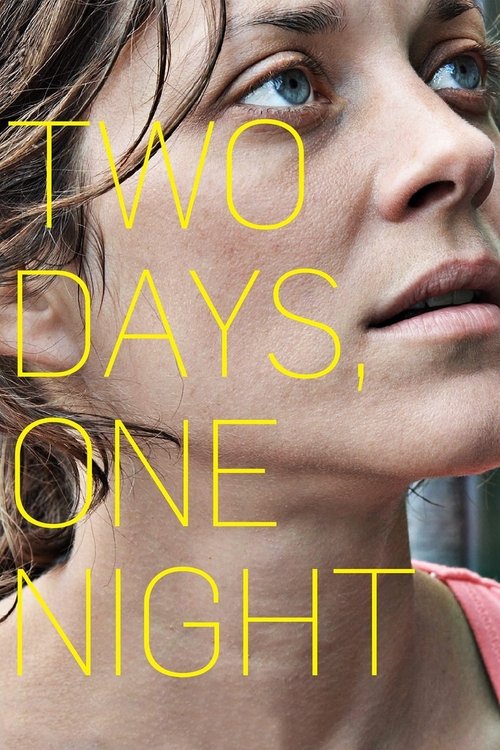
Two Days, One Night2014
The Dardenne brothers give you a modern, ticking-clock version of the same moral pressure: one person, one weekend, one job on the line, shot with unglamorous urgency.
But Marion Cotillard's face carries most of it — if you want ensemble texture rather than a single relentless focus, this feels narrower.
The wildcard
Something you would not have found on your own.
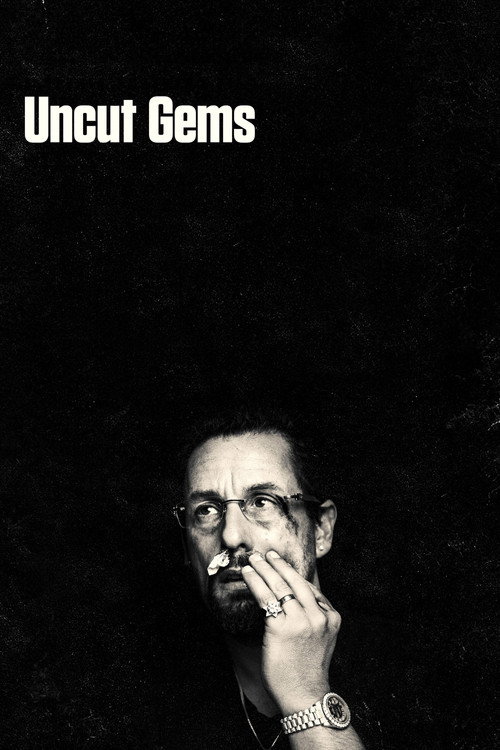
Uncut Gems2019
Both films hinge on a single object standing between a man and ruin, and both track a single desperate day of pursuit through a city — but where De Sica finds tragedy in scarcity, this finds it in addiction and excess.
Adam Sandler runs through Manhattan chasing one object that will fix everything, filmed with handheld, sweaty urgency — the same one-object-one-day structure, cranked into a panic attack.
But Frenetic, abrasive, and deliberately anxiety-inducing — it trades De Sica's quiet dignity for noise, greed, and a much less sympathetic protagonist.
More like this (7)
Rome, Open City1945
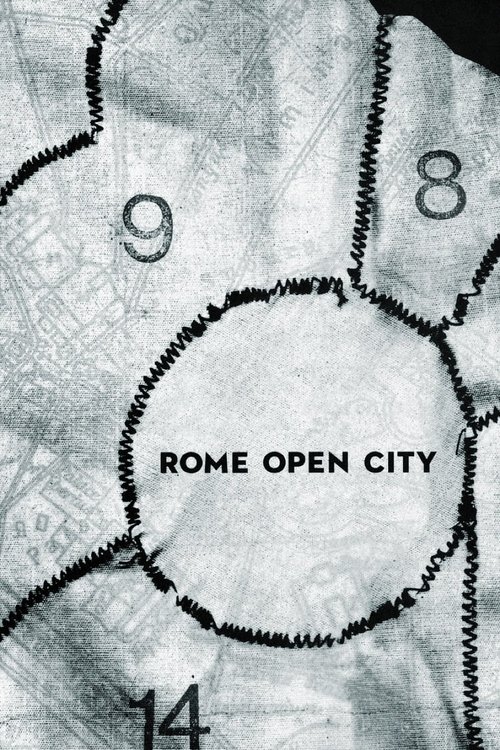
Rossellini's founding text of Italian neorealism, shot amid actual rubble with non-professional actors, shows you exactly the tradition Bicycle Thieves grew out of.
But Wartime resistance drama rather than postwar poverty — grimmer, more overtly political, and less intimate in scale.
The Florida Project2017
A single parent and a child scraping by in the shadow of Disney World, told with the same refusal to look away from precarity — and an equally unbearable ending.
But Sean Baker leans into candy-colored visuals and a more voluble energy that's a world away from De Sica's austerity.

Nomadland2021
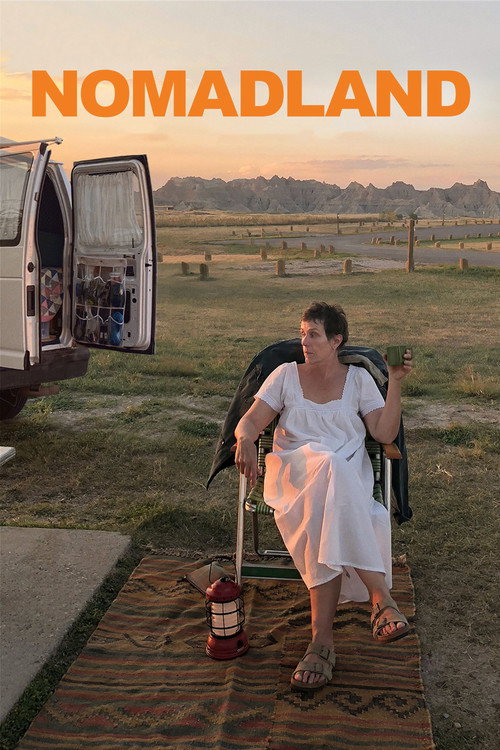
Frances McDormand drifts through post-crash America doing seasonal work, and the film shares Bicycle Thieves' interest in dignity surviving economic wreckage.
But Meditative and landscape-driven rather than plot-driven — patience is required, and the emotional register is quieter grief, not panic.
La Strada1954no page yet
Fellini's tale of a simple woman sold into a traveling strongman's act carries the same postwar Italian ache, with poverty as the engine and dignity as the question.
But More parable than realism, with a theatrical, almost fable-like tone that trades De Sica's plainness for something stranger.
Kes1970
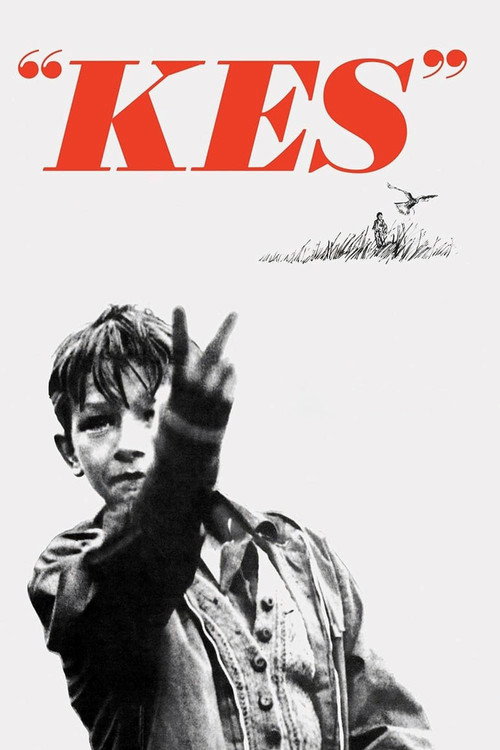
A working-class English boy finds meaning training a kestrel while everything around him fails him — Ken Loach's kitchen-sink cousin to De Sica's Rome.
But Thick Yorkshire dialect and a slower, more observational pace; some find its bleakness even less relieved than Bicycle Thieves'.
The Grapes of Wrath1940
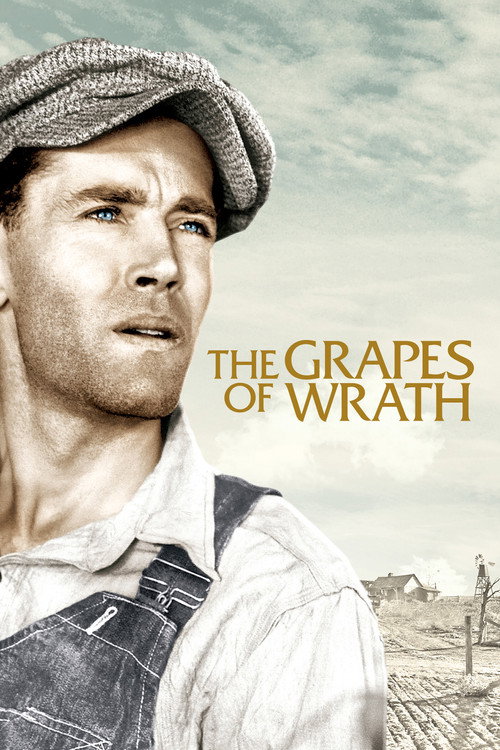
John Ford's Depression-era classic follows a family driven from their land, and shares the conviction that poverty is a moral emergency, not a backdrop.
But Hollywood polish and a swelling score soften the edges in ways De Sica's rawer style deliberately avoids.
Grave of the Fireflies1988
Different country, different war, entirely different medium — but the same postwar rubble, the same child bearing weight no child should, and the same refusal to grant a merciful ending.
An animated Japanese film about siblings surviving the firebombing of Kobe, it carries the same devastating focus on a child failed by a broken world — just rendered in ink instead of grainy film stock.
But It is animated, which some assume means gentler — it is not. This is one of the most heartbreaking films ever made, war-torn and unsparing.

People
Cast
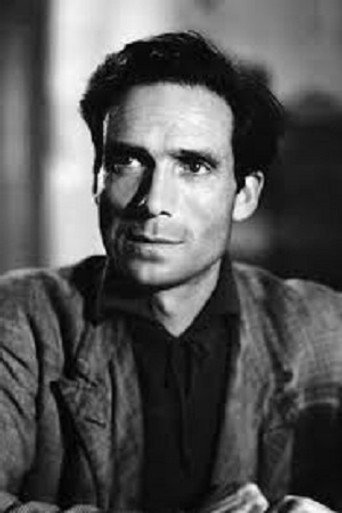 Lamberto MaggioraniAntonio
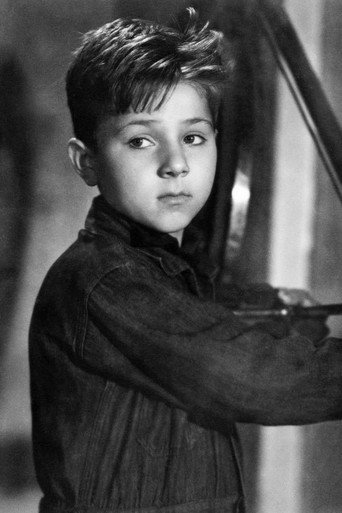 Enzo StaiolaBruno
 Lianella CarellMaria
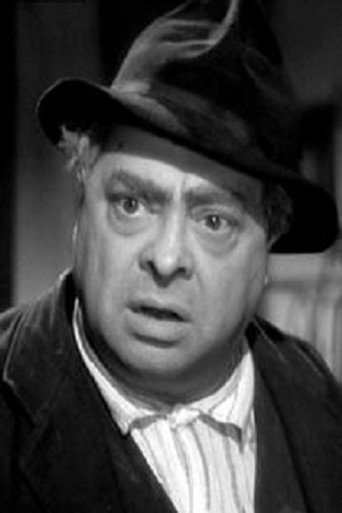 Gino SaltamerendaBaiocco
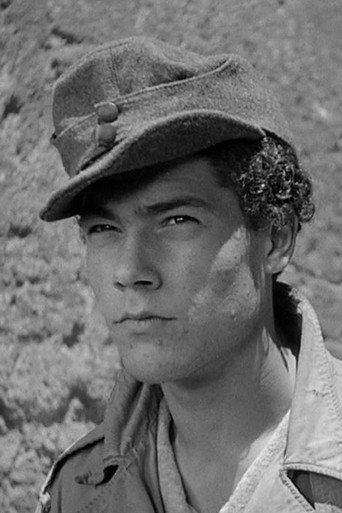 Vittorio AntonucciAlfredo Catelli, The Thief
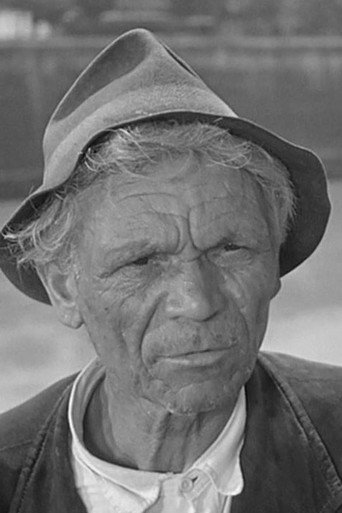 Giulio ChiariThe Beggar
 Elena AltieriThe Charitable Lady
- Carlo JachinoA Beggar
- Michele SakaraSecretary of the Charity Organization
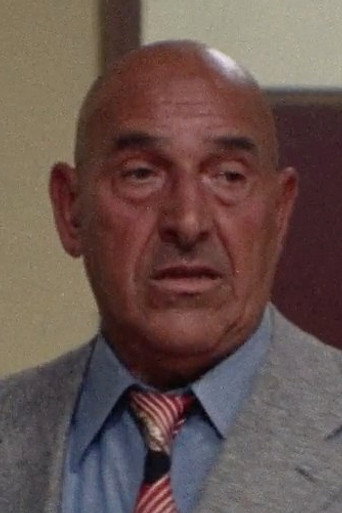 Eolo CaprittiCarabiniere (uncredited)
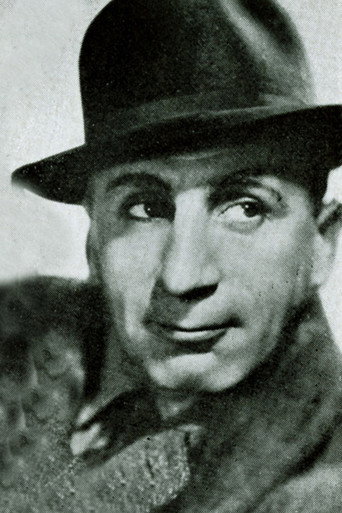 Fausto GuerzoniAmateur Actor (uncredited)
Directing
- Vittorio De SicaDirector
- Gerardo GuerrieriFirst Assistant Director
- Luisa AlessandriFirst Assistant Director
Writing
- Luigi BartoliniNovel
- Adolfo FranciScreenplay
- Cesare ZavattiniScreenplay
- Gerardo GuerrieriScreenplay
- Gherardo GherardiScreenplay
- Oreste BiancoliScreenplay
- Suso Cecchi d'AmicoScreenplay
- Vittorio De SicaScreenplay
- Cesare ZavattiniStory
Production
- Giuseppe AmatoProducer
- Vittorio De SicaProducer
- Umberto ScarpelliProduction Manager
- Roberto MorettiProduction Secretary
- Nino MisianoUnit Manager
Recommended by
Big Night, It's a Wonderful Life, The Road, Sullivan's Travels, The Grapes of Wrath, The Squid and the Whale, Falling Down, Two Days, One Night, Wendy and Lucy, Shameless, Cargo, Pather Panchali, Umberto D., Once, Rome, Open City, Killer of Sheep, Of Mice and Men, Germany, Year Zero, Rosetta, Love on the Dole, Sorry We Missed You