
Film
Saaransh
- Drama
- Very dark
- Slow-burning
A retired Indian schoolteacher and his wife navigate unbearable grief after their only son is murdered in New York. Saaransh is a achingly human portrait of how loss fractures a marriage, how rage and numbness take turns, how two people grieve differently and sometimes alone. It's for anyone who's felt their world stop.
If you liked this
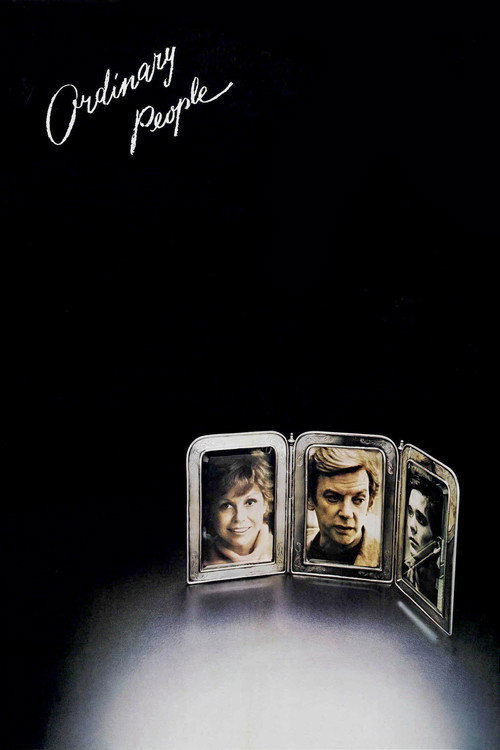
Ordinary People1980
Redford's masterpiece about a family destroyed by their son's death. Like Saaransh, it refuses easy catharsis—grief is messy, people fail each other, and healing is not linear or guaranteed.
But It's quiet and deliberate. If you need plot momentum or resolution, you'll find the pacing punishing. Some viewers find it remote.
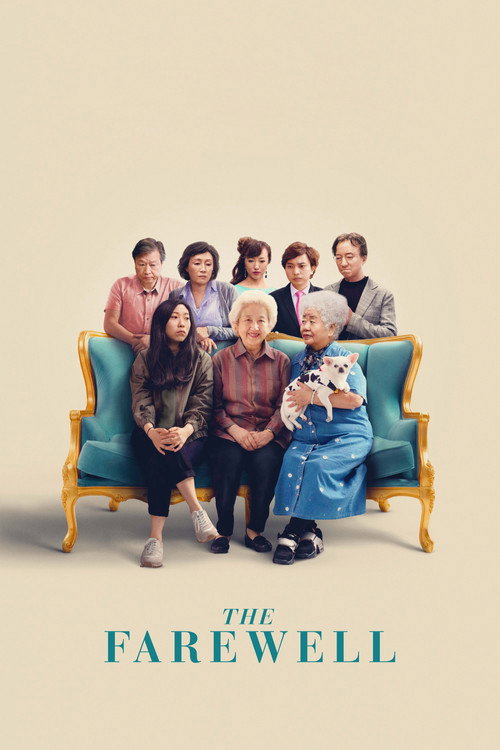
The Farewell2019
Lulu Wang's film about family, cultural difference, and how we process loss together. It has Saaransh's gift for finding the specific human moment inside larger tragedy, and its warmth without sentimentality.
But The tone shifts between comedy and sorrow, which can feel tonal if you're not with it. Some find the resolution too neat for such a layered story.
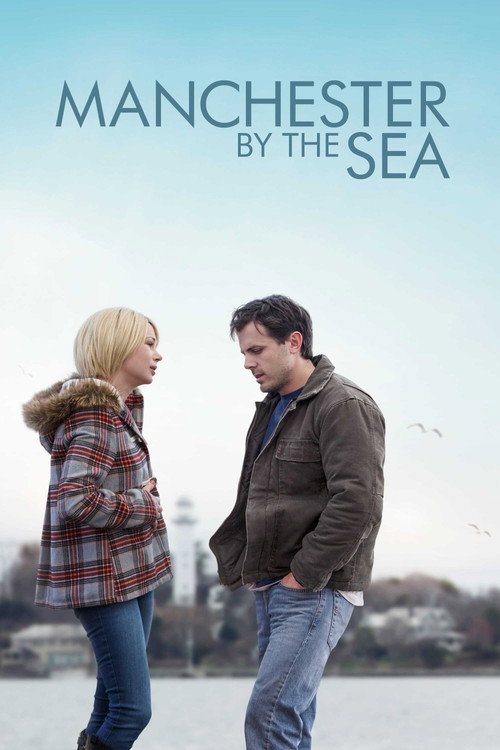
Manchester by the Sea2016
Kenneth Lonergan's portrait of a man broken by an old tragedy he can't forgive himself for. It captures that particular paralysis Saaransh knows—how grief can become the only thing you know how to do.
But It's relentlessly bleak. There is tenderness but very little relief. The runtime is long and the emotional toll is real.
Not sure tonight? Get a pick in a minute, starting from Saaransh
The wildcard
Something you would not have found on your own.
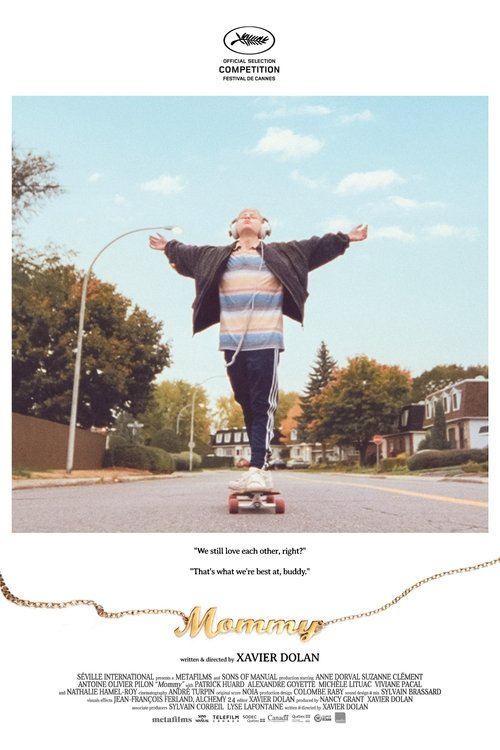
Mommy2014
Both trap their characters in domestic spaces transformed by unbearable loss; both show how grief makes the living world feel hostile and unreal.
Xavier Dolan's film about a mother and son destroyed by loss and grief—told with such visual explosion and formal control that it makes feeling visible. The connection: both are about how grief makes people small and huge simultaneously, how it isolates you inside your own home.
But It's stylistically aggressive. The aspect ratio shifts without warning. Some viewers find the visual intensity exhausting or self-indulgent. Not subtle.
More like this (8)
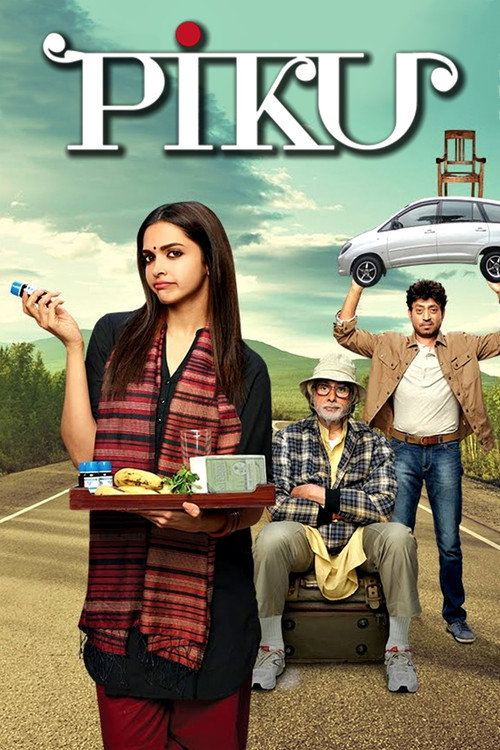
Piku2015
Deepika and Amitabh navigate aging, stubbornness, and family obligation with a lightness Saaransh doesn't have—but both films understand how personality doesn't soften with age, and how love is sometimes exasperation.
But The tonal shift from Saaransh is total. If you're coming for grief, this is about living stubbornly. Some find it sentimental.
Tokyo Story1953
Ozu's masterpiece about elderly parents visiting their son in Tokyo. Like Saaransh, it finds everything in the ordinary—how families barely speak their love, how loss and time reshape us, how presence is enough.
But It moves at Ozu's pace, which is glacial. There is almost no plot. If you're not patient with cinema that trusts silence, you'll find it trying.

Moonlight2016
Barry Jenkins' film about identity, love, and how people fail to save each other. It shares Saaransh's commitment to how loss compounds—one grief leading to another, each one shaping who we become.
But It's abstract and poetic in its storytelling. Some find the narrative structure opaque. The emotional devastation is quiet, which can read as distant.

Ikiru1952
Kurosawa's film about a man learning he's dying and what that means for a life half-lived. Both films ask: what do we do with the time we have left? How do we live after loss changes everything?
But It's slow and meditative. The ending's emotional register shifts. Some viewers find the philosophy heavy-handed.

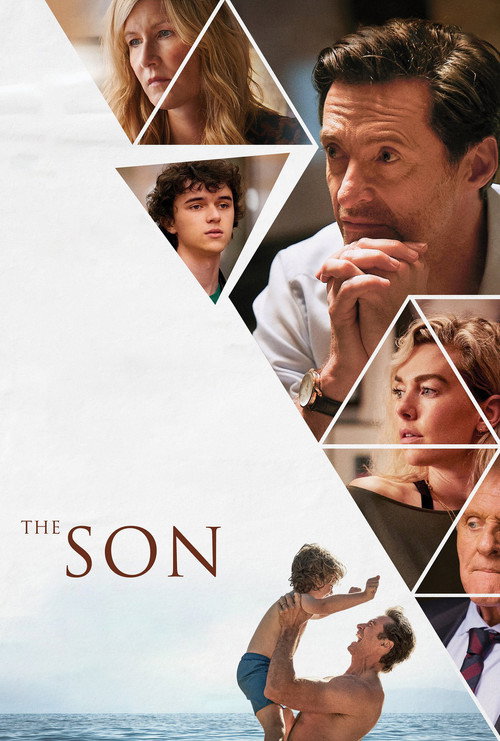
The Son2022
Florian Zeller's film about a father and son in crisis, told with fractured perspective and mounting dread. It captures how family pain is circular—how we wound each other across generations, how love doesn't prevent it.
But The formal experimentation can feel mannered. Some find the relentless darkness exhausting without enough air to breathe. It's bleak.
Secrets & Lies1996
Mike Leigh's film about family fracture and the lies we tell to survive. It has Saaransh's interest in how ordinary people handle extraordinary emotional weight, and how silence can poison a home.
But It's very long and the dialogue overlaps constantly. Leigh's actors improvise extensively, which can feel undisciplined. Some find it intrusive rather than intimate.

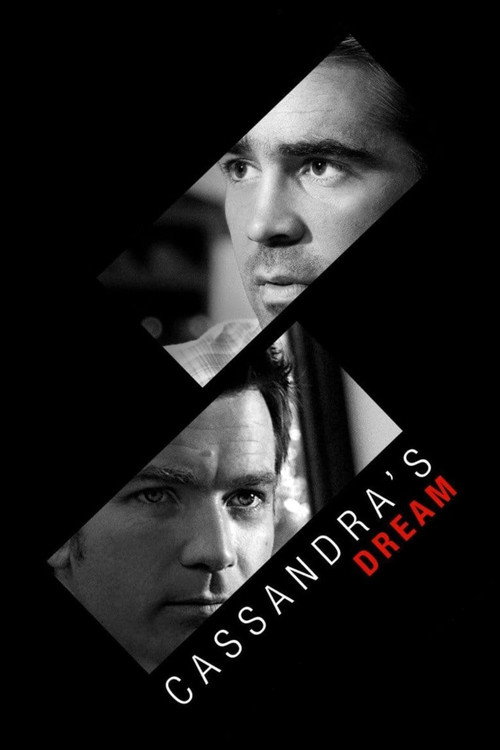
Cassandra's Dream2007
Both track how a single death—whether external or chosen—metastasizes through family bonds, and how that grief or guilt rewrites who people become to each other.
Woody Allen's rare serious film about two brothers and a moral choice that destroys them. Like Saaransh, it shows how a single event (a murder, a loss) spirals through a marriage and family, and how people splinter under that weight.
But Allen's dialogue can feel intrusive in a serious register. Some find the ending's morality opaque or unfair. It's bleak without redemption. Not his warmest work.
Bicycle Thieves1948
Both show how a single loss—of a son, of work, of dignity—collapses the world the characters thought they had, and how family cannot prevent it.
Vittorio De Sica's neorealist masterpiece about a father and son and the ordinary catastrophe of losing everything. The connection is structural: both are about how one loss cascades, how it erases the future, how family cannot always protect you.
But It's shot like documentary, with non-professional actors. It's defiantly unglamorous. The ending is not a resolution. Some find it too bleak or politically dated.

People
Cast
 Anupam KherB.V. Pradhan
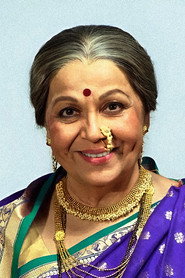 Rohini HattangadiParvati Pradhan
 Soni RazdanSujata Suman
- Madan JainVilas Chitre
- Suhas BhalekarVishwanath
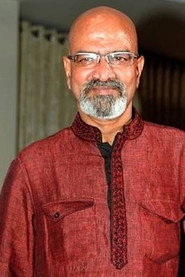 Vijay KashyapDr. Bhatt
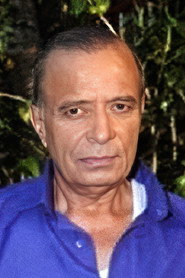 Suresh ChatwalPolice Inspector
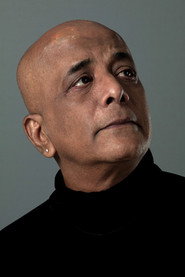 Salim GhouseGajanan Chitre's Goon
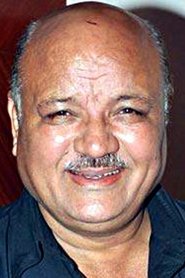 Arun BakshiGajanan Chitre's Goon
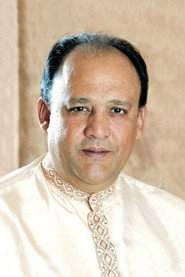 Alok NathPandit / Astrologer
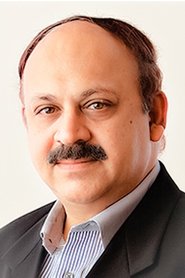 Akash KhuranaChief Minister Shashikant
Directing
- Mahesh BhattDirector
Writing
- Amit KhannaDialogue
- Mahesh BhattDialogue
- Mahesh BhattScreenplay
- Sujit SenScreenplay
- Mahesh BhattStory
Production
- Tarachand BarjatyaProducer