
Film
A Bag of Marbles
A 2017 French film following two Jewish brothers, aged ten and twelve, navigating occupied France alone during WWII. It's a survival story told through the eyes of children—tense, intimate, and deeply humane rather than epic. The film finds courage and dark humour in resourcefulness and sibling loyalty, grounded in real events and lived experience.
Should you watch it?
Watch it if you want a wartime story seen through the eyes of two boys who keep their nerve and their humour, a coming-of-age journey rather than a battlefield epic.
Skip it if you tire of episodic wartime journeys, since it moves at a meandering pace and sometimes softens its danger with sentimental, family-film warmth.
What it asks of you: It asks for about two hours of patience and a tolerance for episodes that pile up one after another, with the tension running steadily rather than peaking in set pieces.
Not sure? Find tonight's pick in a minute.
If you liked this
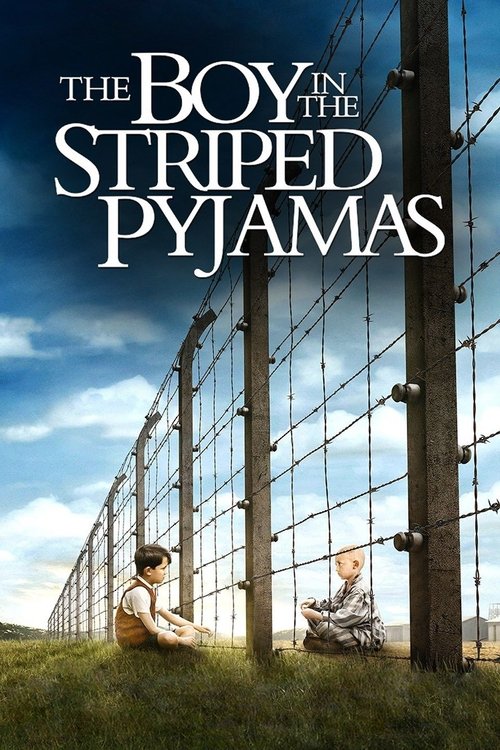
The Boy in the Striped Pyjamas2008
A child's perspective on the Holocaust that refuses easy answers. Like A Bag of Marbles, it trusts the audience to feel the weight of what's unsaid, building dread through proximity and innocence.
But The final act is devastating in ways that linger uncomfortably. Some find the device of naïveté too manipulative for such a grave subject.
Come and See1985
A Soviet masterpiece about a boy conscripted into WWII. It shares the same unflinching refusal to look away, following a child's journey from hope to obliteration with unbearable emotional clarity.
But It's genuinely punishing to watch—bleak, brutal, with sound design that assaults you. Not a film that leaves you feeling uplifted.

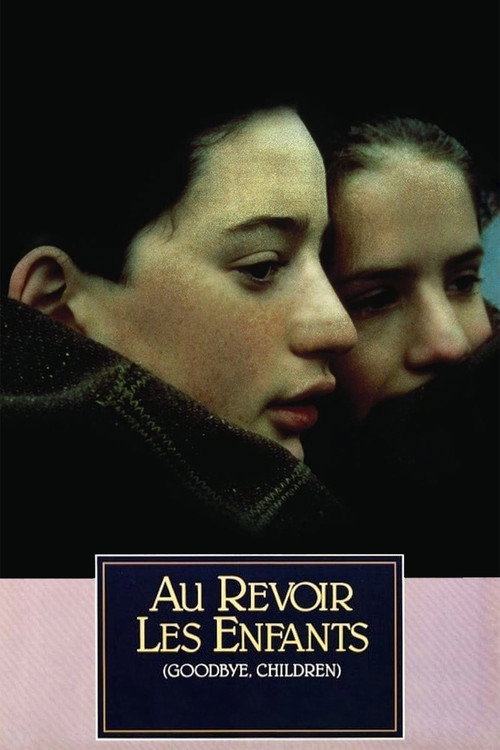
Au Revoir les Enfants1987
Louis Malle's semi-autobiographical account of a boy discovering his Jewish classmate's hidden identity during WWII. Quiet, precise, and ultimately tragic—it shares that sense of childhood innocence colliding with historical horror.
But It moves slowly and asks patience. The emotional payoff is mournful rather than cathartic, which some experience as cold.
Not sure tonight? Get a pick in a minute, starting from A Bag of Marbles
The wildcard
Something you would not have found on your own.
The Sarah Silverman Program2007
Both locate Jewishness as intrinsic to the story being told, but one processes it through comedy, one through survival—opposite vessels, identical contents.
Wildly different register—a comedy series about a Jewish woman navigating America. What connects: a specifically Jewish humour about suffering, displacement, and identity that runs deeper than the jokes. It's the inverse tonal register doing the same emotional work.
But Deliberately crude and surreal. If you want respectful seriousness about Jewish identity, this provokes rather than console. The humour won't land for everyone.

More like this (7)
The Pianist2002
Roman Polanski's true story of survival against impossible odds, grounded in meticulous detail and individual humanity. It has the same refusal to sentimentalise suffering that makes A Bag of Marbles so powerful.
But Three hours of relentless degradation and loss. The brutality accumulates; there's little warmth to balance the darkness.

Hidden2005
A couple harbours a Jewish family in their Paris apartment during the Occupation. Claustrophobic and psychologically complex, it mirrors the internal pressure-cooker of survival and the moral ambiguity of those helping and those being helped.
But It's deliberately slow and confined. Long stretches without plot momentum can feel like watching people wait, which is precisely the point—and not everyone's patience extends that far.

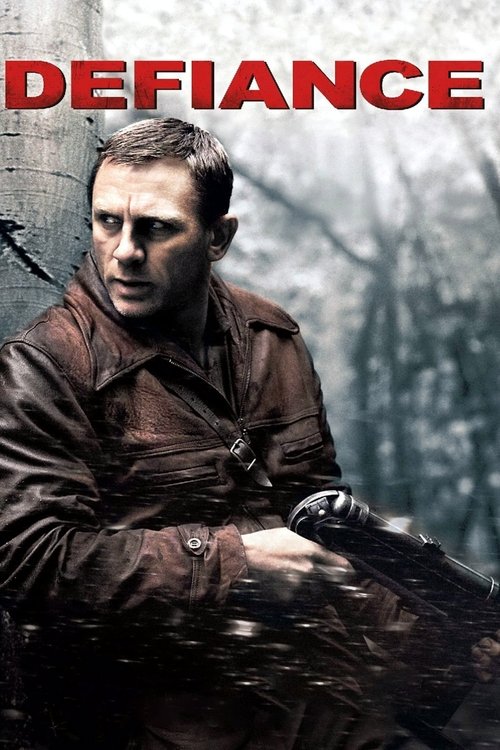
Defiance2008
Daniel Craig and Liev Schreiber as brothers leading a Jewish guerrilla operation in Belarus. It's more action-driven than A Bag of Marbles but carries the same theme: family loyalty and ingenuity as survival tools.
But The action sequences feel out of place with the human stakes. It occasionally slips into conventional war-film mode, diluting its own emotional centre.
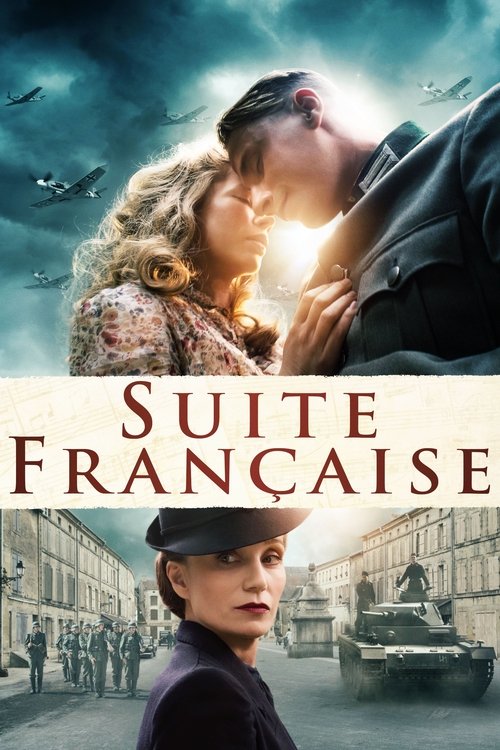
Suite Française2015
Kristin Scott Thomas in a story of occupation and forbidden connection. Like A Bag of Marbles, it finds nuance in WWII France—resistance, collaboration, and humanity existing in the same small space.
But The romance subplot can feel incongruous with the historical setting. Some find the tonal balance between love story and wartime survival unclear.
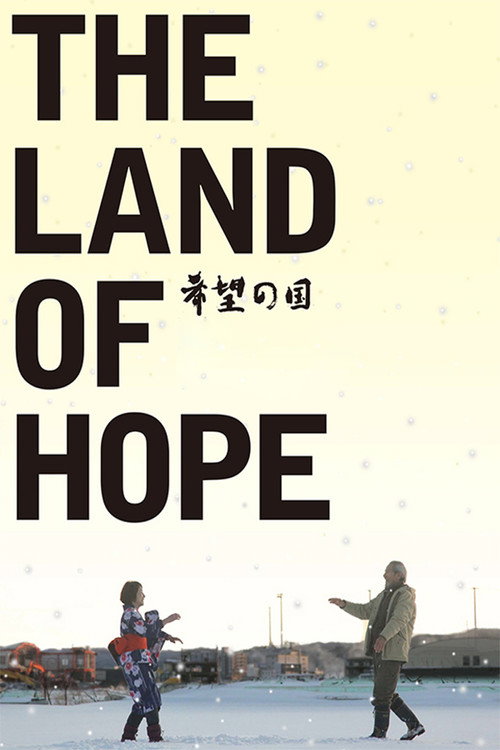
The Land of Hope2012
A Japanese family refuses to sell their land to a power plant. On the surface unrelated, but it shares A Bag of Marbles's core architecture: ordinary people choosing principle over survival, and the quiet strength that emerges.
But It's slow, understated, and deliberately undramatic. The conflict resolves not with catharsis but acceptance. Feels more like patience than plot.
Bicycle Thieves1948
Both are stories about childhood learning that the world is harder than it seemed, told through movement and small moments rather than explanation.
Italian neorealism at its purest: a father and son searching Rome for a stolen bicycle. It's structurally a road movie, thematically about ordinary dignity under material pressure. The same DNA—resourcefulness, family, historical context—in a different era and setting.
But No plot. A man walks around looking for a bike for 90 minutes. If you need narrative drive and resolution, you'll find it insufferably slow.

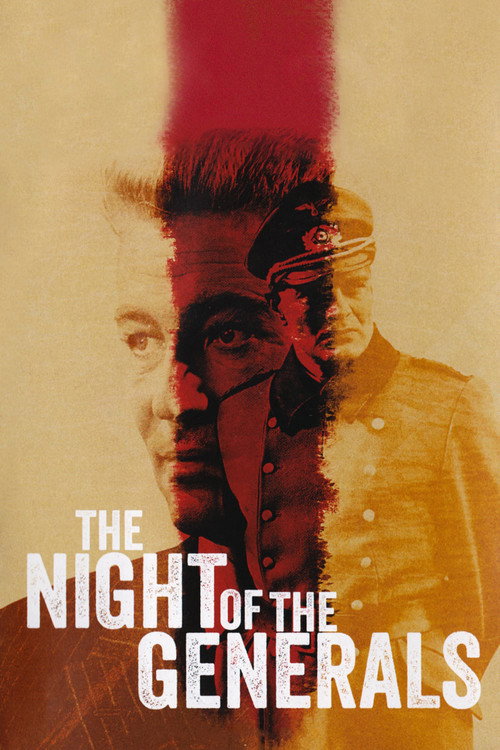
The Night of the Generals1967
Same occupied Europe, same moral questions about who survives and why, but asking them from a position of institutional power rather than familial vulnerability.
A Polish detective investigates a murder during WWII Warsaw. Structurally a noir mystery, it's really about how war corrupts moral clarity. It's A Bag of Marbles from the adult perspective—the same historical moment, but filtered through cynicism and institutional complicity rather than childhood resilience.
But Convoluted plotting and dated espionage tropes can obscure its actual ideas. It occasionally feels like a thriller trying to be serious rather than a serious film with thriller elements.
People
Cast
 Dorian Le ClechJoseph
 Batyste FleurialMaurice
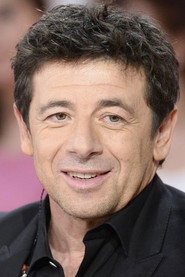 Patrick BruelRoman
 Elsa ZylbersteinAnna
 Bernard CampanAmbroise Mancelier
 Christian ClavierDocteur Rosen
 Kev AdamsFerdinand
 César DomboyHenri
 Ilian BergalaAlbert
 Émile BerlingRaoul Mancelier
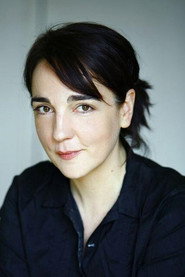 Jocelyne DesverchèreMarcelle Mancelier
- Coline LeclèreFrançoise
Directing
- Christian DuguayDirector
Writing
- Benoît GuichardAdaptation
- Christian DuguayAdaptation
- Benoît GuichardDialogue
- Christian DuguayDialogue
- Joseph JoffoNovel
- Benoît GuichardScreenplay
- Christian DuguayScreenplay
- Alexandra GeismarScreenstory
- Jonathan AlloucheScreenstory
- Laurent ZeitounWriter
Production
- André LogieCo-Producer
- Gaëtan DavidCo-Producer
- Jean-Charles LevyCo-Producer
- Lyse LafontaineCo-Producer
- Marc JennyCo-Producer
- Tanguy DekeyserCo-Producer
- Joe IaconoProducer
- Laurent ZeitounProducer
- Nicolas Duval AdassovskyProducer
- Yann ZenouProducer