
Film
My Lai
- Crime
- Very dark
My Lai reconstructs the 1968 massacre of Vietnamese civilians by American soldiers and the cover-up that followed, asking how ordinary men became capable of atrocity and what it took for some to resist and expose the truth. It's a grave, unflinching documentary that treats its subject with the weight it deserves—not sensationalist, but deeply necessary.
Should you watch it?
Watch it if you want a patient, witness-driven account of how ordinary men and a chain of command ended up in atrocity, and you are ready to sit with the testimony and the uncomfortable questions it raises.
Skip it if you need a lighter touch or a little air around grim material, since this stays sober and heavy from start to finish with almost no relief.
What it asks of you: Ninety minutes of close, unhurried attention, moving at a measured pace that rewards staying put rather than skimming through the testimony.
Not sure? Find tonight's pick in a minute.
If you liked this
The Act of Killing2012
Asks the same impossible question about perpetrators of atrocity—what made them do it?—but lets them narrate and stage their own memories, producing something that's both documentary and psychological portrait that won't leave you.
But The method—giving space and cameras to unrepentant killers—will feel obscene to some. It's also formally demanding and doesn't offer easy answers or catharsis.

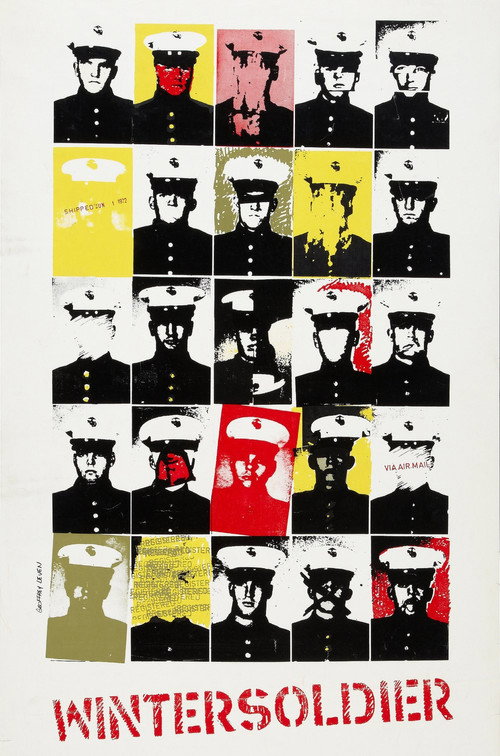
Winter Soldier1972
Vietnam veterans testify publicly about war crimes they witnessed and committed, in their own words, with no mediation. It's raw, unforgettable primary testimony that shaped how America reckoned with the war.
But The production values are minimal and the pacing is deliberate—it feels like an archive, which it is. Some find that distance hard to engage with.
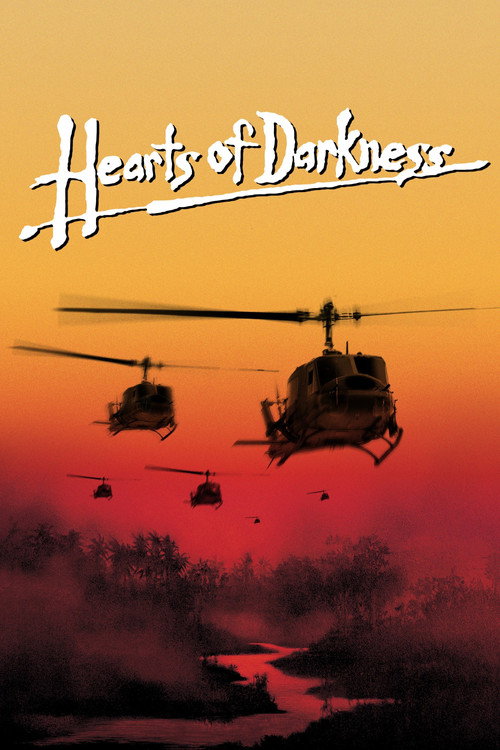
Hearts of Darkness: A Filmmaker's Apocalypse1991
Documentary about making Apocalypse Now, but really about moral decay, ambition, and how Vietnam broke something in American culture. It's a portrait of obsession and the cost of art made in the shadow of atrocity.
But Focuses on one director's struggle rather than the war itself, so if you want direct historical accounting, this isn't it. Also, Coppola comes across as monstrous in ways the film doesn't quite interrogate.
Not sure tonight? Get a pick in a minute, starting from My Lai
The wildcard
Something you would not have found on your own.
Come and See1985
Both are attempts to answer how ordinary people become capable of atrocity, but where My Lai interviews and reconstructs, Come and See subjectively dissolves you into the experience. One asks questions; the other makes you feel the answer.
Soviet war film following a Belarusian boy through the Nazi occupation—not a documentary, but a sensory destruction of the myth of heroism in war. It shows atrocity not as a policy question but as lived horror that unmakes the human.
But It's relentlessly, brutally difficult to watch. Not educational so much as traumatizing. Some will feel the nihilism is artful rather than earned.

More like this (6)
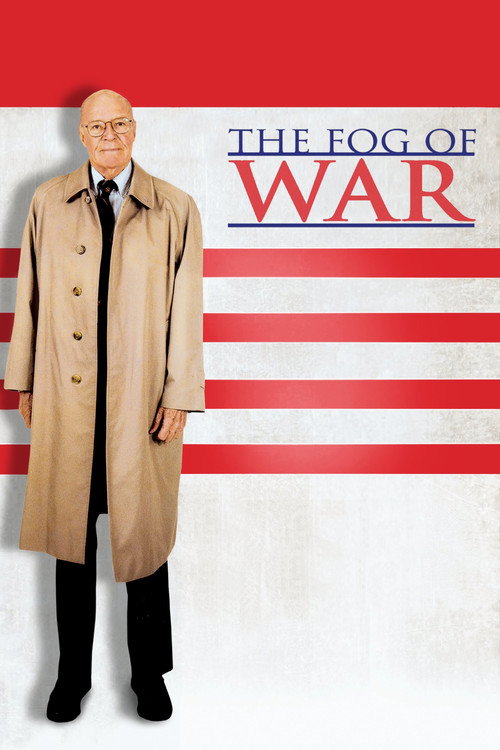
The Fog of War2003
Robert McNamara reflects on his role in Vietnam, including the logic that led to decisions that killed hundreds of thousands. Errol Morris lets him speak, and the gaps between his rationalizations and reality become the documentary's argument.
But Some find McNamara's perspective too centered, or think he's let off too lightly by the film's structure. The ambiguity will frustrate anyone wanting a clear verdict.
Shoah1985
Nine-and-a-half hours of testimony from Holocaust survivors and perpetrators. Lanzmann refuses archival footage or voiceover, trusting language and memory to carry unbearable history. It's the gold standard for atrocity documentary.
But The length is not a flaw—it's the point—but it will test your patience and stamina. Some scenes are agonizing in ways that feel almost gratuitous.

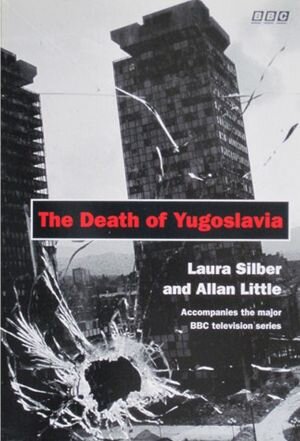
The Death of Yugoslavia1995
Follows leaders and soldiers through the Yugoslav wars with interviews and archival material, tracking how ordinary political disagreement escalated into genocide. It's a masterclass in explaining ethnic violence without excusing it.
But The scope is broad and the cast of characters large; you need to pay close attention or it becomes hard to follow the through-lines.
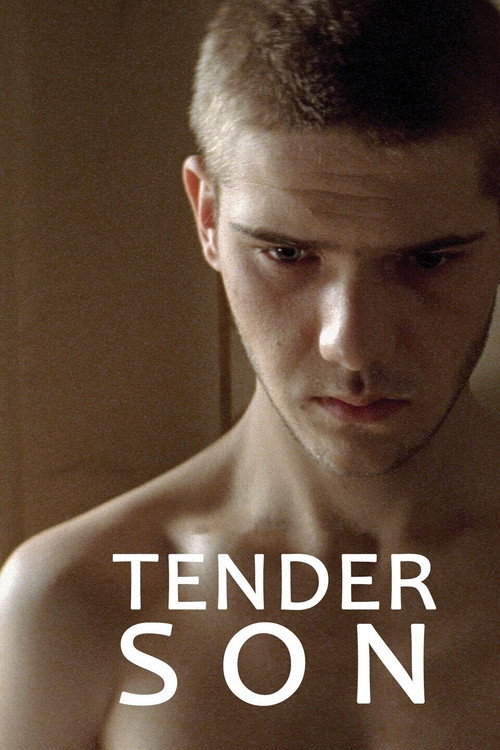
Tender Son: The Frankenstein Project2010
Documentary about a Hungarian film director using cinema to make his violent son confront what he did. It's unsettling and strange, mixing art, psychology, and accountability in ways that feel genuinely novel.
But It's formally very odd and the premise—using experimental filmmaking as punishment or therapy—will read to some as exploitative or narcissistic rather than redemptive.
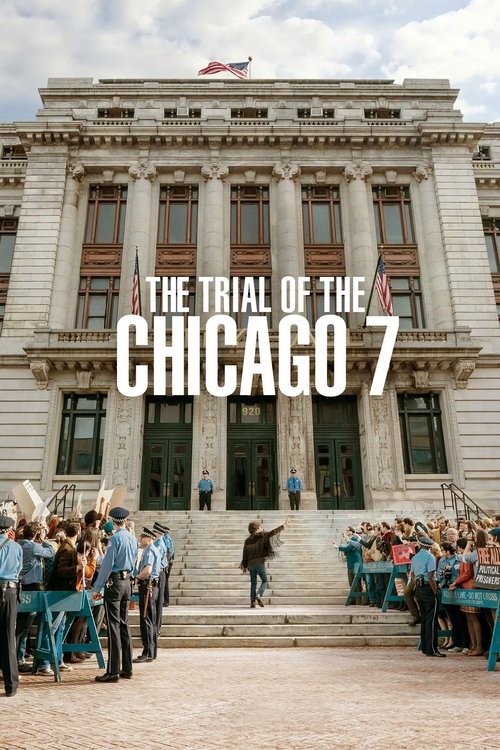
The Trial of the Chicago 72020
Dramatized but closely researched account of activists prosecuted after 1968 Chicago riots, with sharp writing about state power, protest, and what dissent costs. It's engaging and funny even when the stakes are deadly serious.
But It's drama, not documentary, and sometimes the screenplay outpaces the historical record. Sorkin's style can feel like showboating over substance.
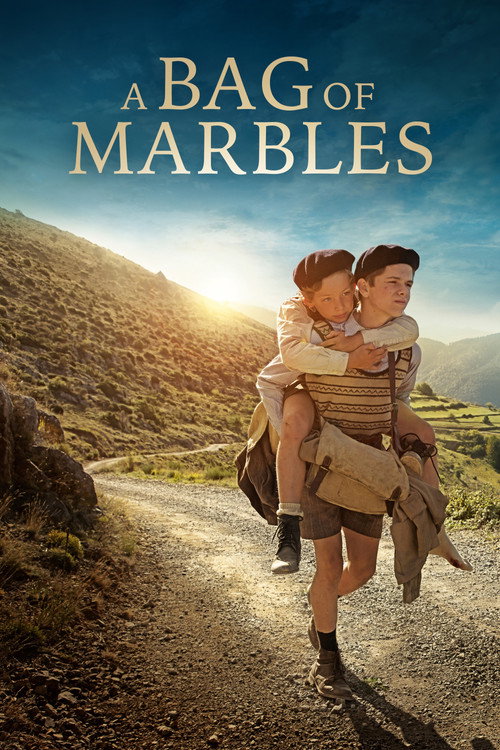
A Bag of Marbles2017
Both grapple with how ordinary systems and orders cascade into mass harm, but this one centers the hunted rather than the hunters, asking how you maintain humanity when the machinery is designed to destroy it.
French film about two Jewish boys hiding and evading Nazi round-ups—a survival story, but one that treats childhood vulnerability and moral compromise with real weight. It's humane and specific rather than didactic.
But It's a narrative drama, not a documentary, which means some will find it too aestheticized, or worry it softens the historical record for emotional effect.
People
Directing
- Barak GoodmanDirector
Writing
- Barak GoodmanWriter