
Film
The Land of Hope
- Drama
- Very dark
A Japanese family divided by the Fukushima nuclear disaster. Half their farmland sits in the evacuation zone, the other half doesn't—so they can't leave but can't stay. Koreeda examines how catastrophe fractures a household, testing duty, love, and the possibility of ordinary life after everything changes. Quietly devastating.
Should you watch it?
Watch it if you want a slow, unflinching family drama where the disaster presses on people who refuse to be uprooted, and you can sit through long, quiet arguments.
Skip it if you need brisk pacing or a tidy dramatic arc, because at 133 minutes this moves slowly and its domestic talk can feel repetitive.
What it asks of you: Settle in for over two hours of unhurried scenes, with a tone that stays grave and naturalistic, and give it steady attention rather than background viewing.
Not sure? Find tonight's pick in a minute.
If you liked this
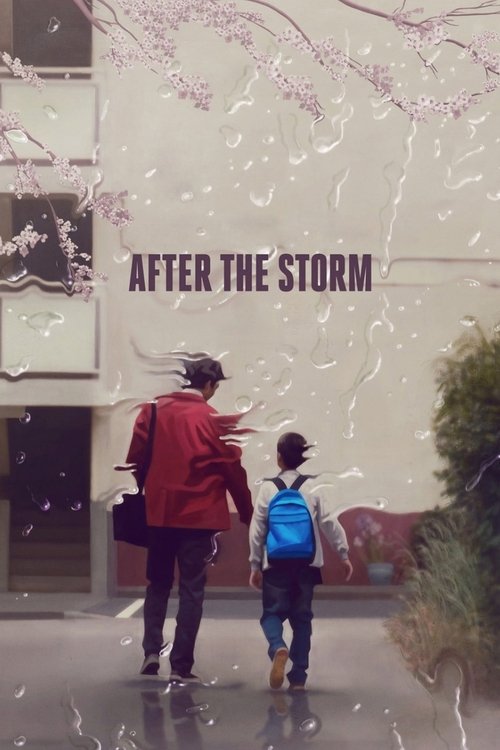
After the Storm2016
Koreeda's other film about a fractured family learning to live with each other and their failings. Similar unhurried pacing, deep wells of tenderness, and the belief that small moments of connection matter most.
But Slower than slow. If you need plot momentum or conventional drama, this will feel like nothing is happening.
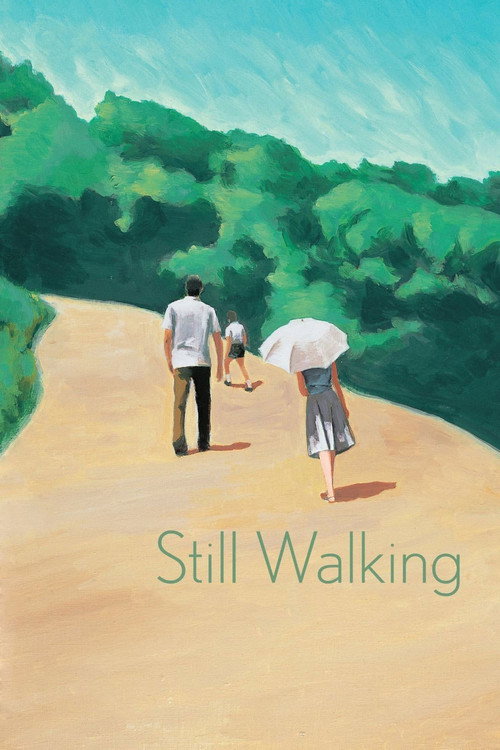
Still Walking2008
A multigenerational family gathers, grief lurks beneath every conversation, and the director finds both comedy and heartbreak in how families fail and forgive. Structurally similar—domestic space as the whole universe.
But Entirely about emotional subtext. Very little is said aloud; if you prefer directness, it can feel opaque.
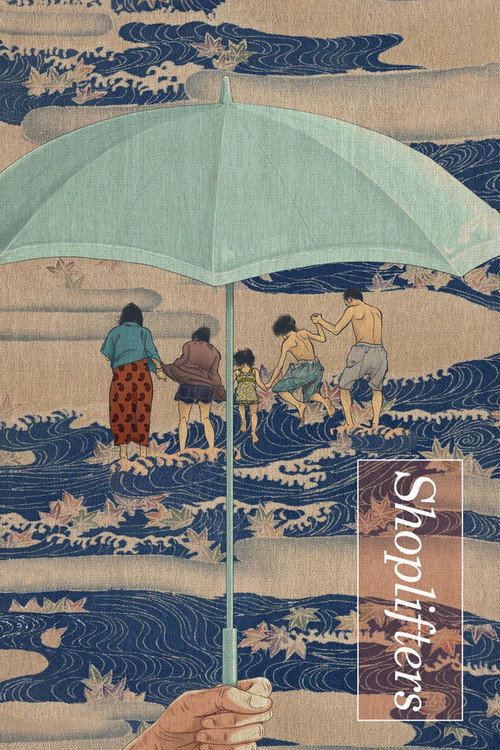
Shoplifters2018
Another Koreeda masterpiece about a family held together by necessity rather than blood, and what 'family' really means when everything is taken away. Captures the same moral complexity and warmth.
But Involves child welfare and petty crime. Some viewers find the ethical ambiguity uncomfortable rather than clarifying.
Not sure tonight? Get a pick in a minute, starting from The Land of Hope
The wildcard
Something you would not have found on your own.
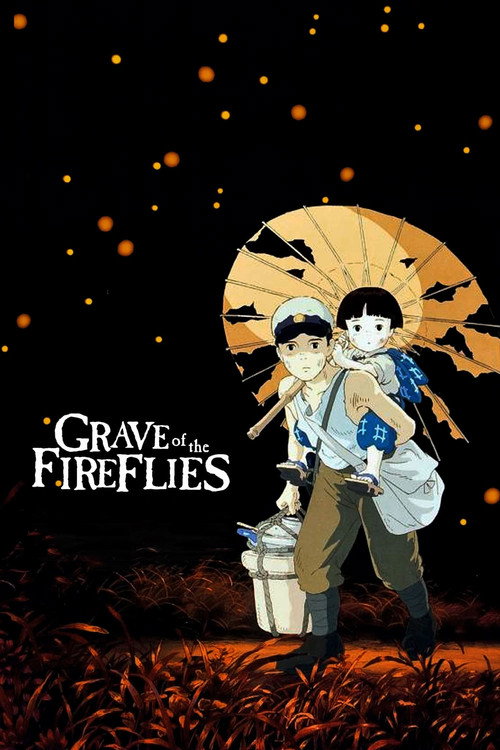
Grave of the Fireflies1988
Both depict families trying to maintain their household and dignity after a national catastrophe has rendered that nearly impossible. Both are Japanese, both unflinching about how disaster fragments what seemed solid.
An animated film about two siblings trying to survive in Japan after firebombing during WWII. Like Land of Hope, it shows a family trying to preserve ordinary life when the world has made that impossible. Devastating and clear-eyed about suffering.
But Animated does not mean gentle. This is one of the most emotionally brutal films ever made; many viewers cannot finish it.
More like this (8)
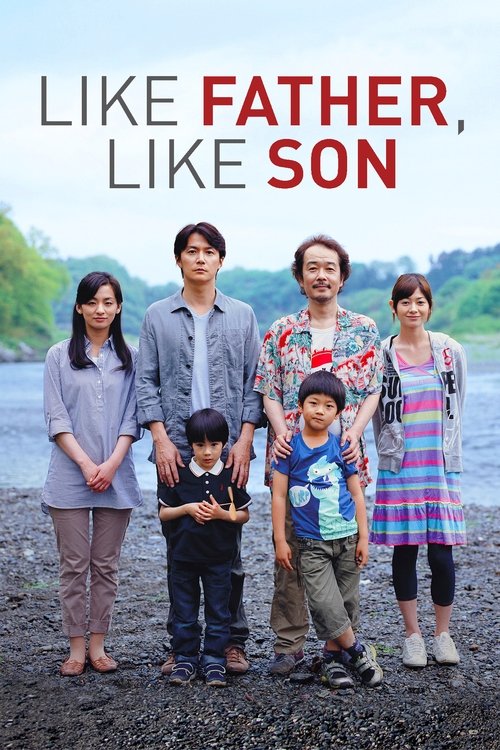
Like Father, Like Son2013
Koreeda again, exploring what binds a family when biology fails. A switched-at-birth premise becomes a meditation on parental love, identity, and the courage required to choose your own family.
But The central conceit is emotionally heavy. Not a film that lets you off lightly.
Tokyo Story1953
An elderly couple visit their son in Tokyo and discover their family has scattered and changed beyond recognition. Ozu's patience with family failure and acceptance feels ancestral to this film's approach.
But Made in 1953. The pacing will feel glacial to anyone raised on modern editing; some find it meditative, others find it static.

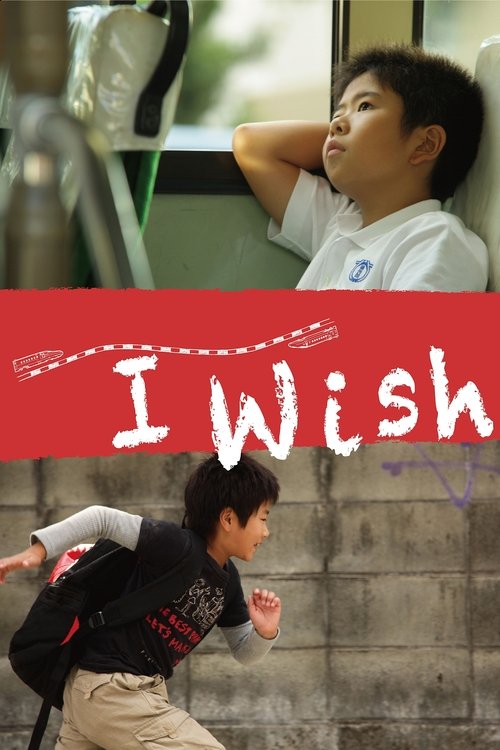
I Wish2011
A Koreeda film about how families splinter and children try to hold them together. Gentler than most of his work, but with the same faith that small grace notes matter.
But Its optimism might feel naive compared to The Land of Hope's harder truths.
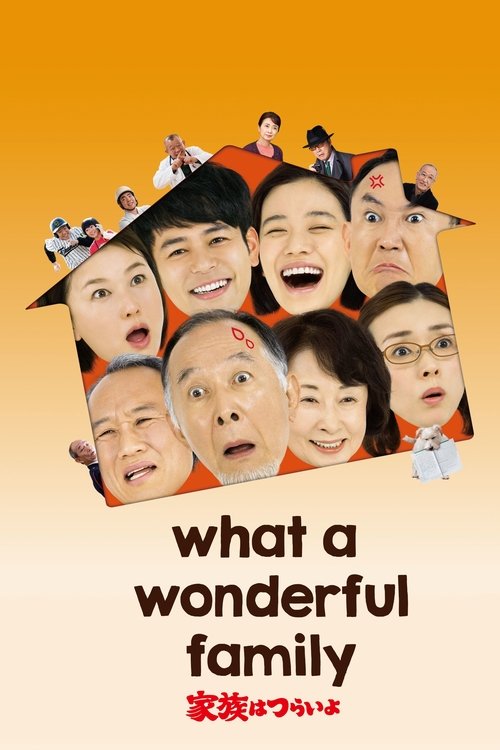
What a Wonderful Family!2016
Another multigenerational family story set in contemporary Japan, with the same blend of comedy and melancholy about how parents and children live alongside each other.
But More sentimental and less morally complex than Koreeda's best work.
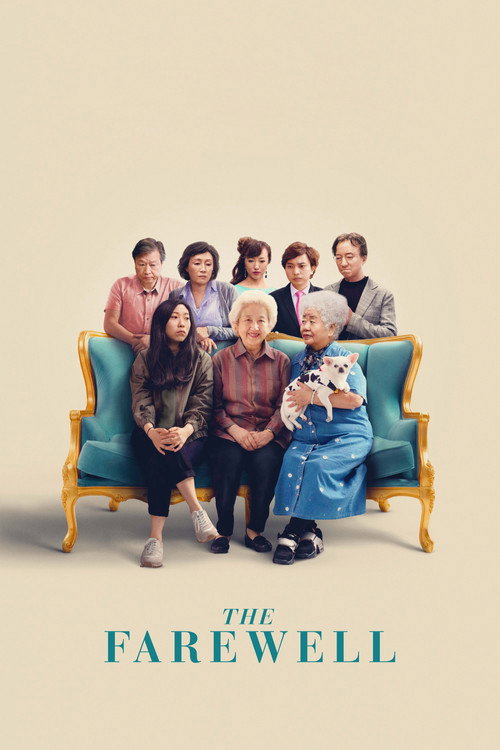
The Farewell2019
A Chinese-American family gathers around a dying matriarch, and the film explores how culture, lies, and love tangle together across generations. Similar emotional intelligence about family as survival unit.
But Shifts between Mandarin and English. Some viewers find code-switching distracting.
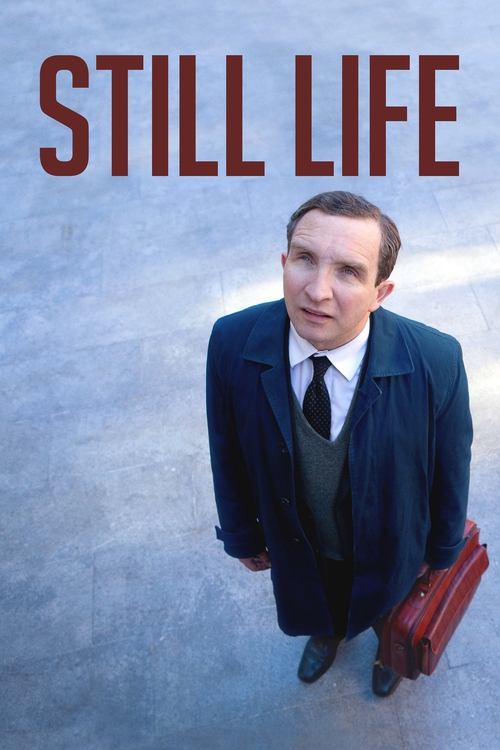
Still Life2013
A documentary-style fiction about government relocation for the Three Gorges Dam—a real catastrophe that displaced 1.3 million people. Explores similar themes of home, evacuation, and bureaucratic displacement.
But Slow, experimental, and bleak. Long takes of flooded ghost towns. Not conventional storytelling.
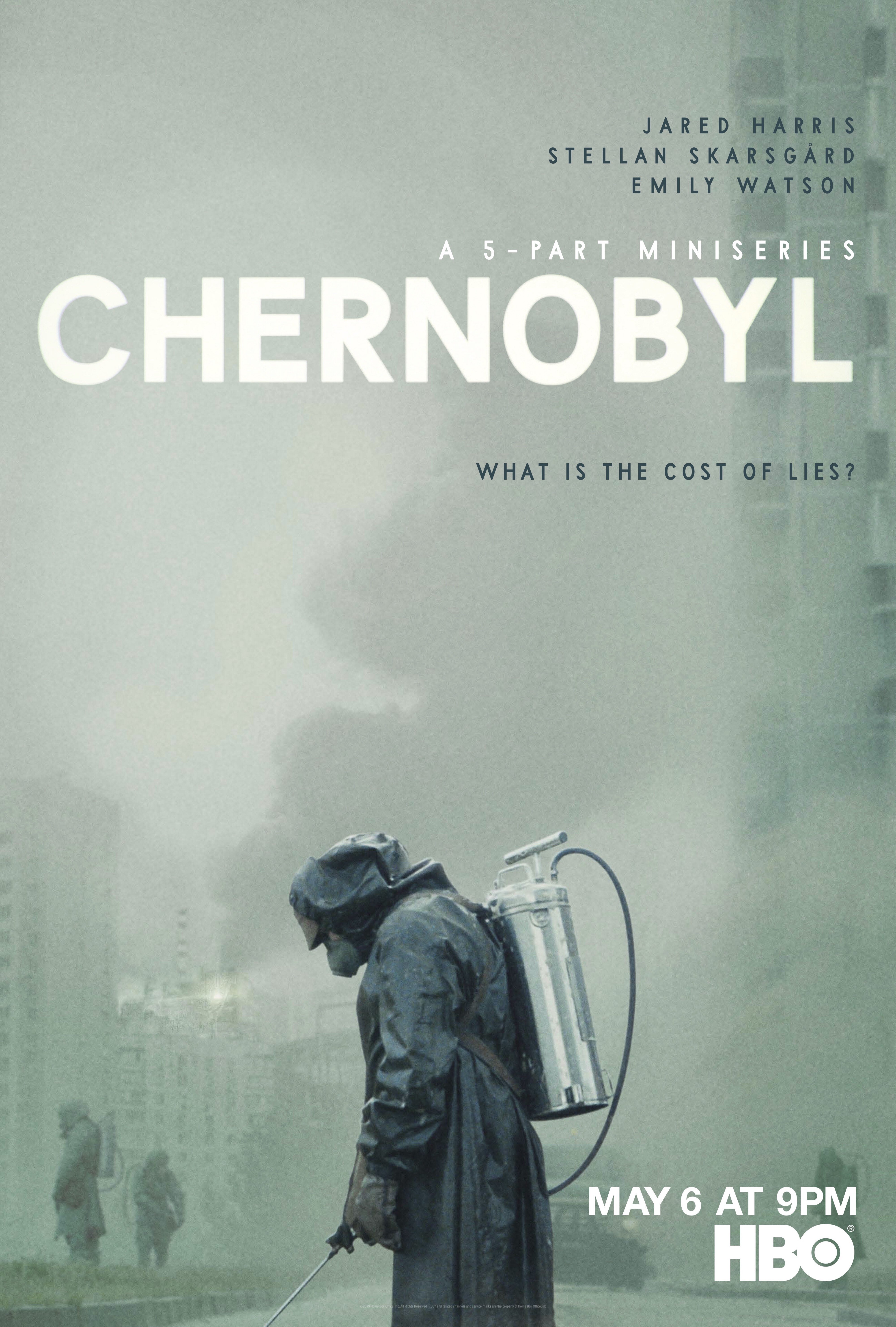
Chernobyl2019
Both use a specific nuclear disaster as the engine for a story about how people live after everything changes. One is personal and domestic; one is political and vast. They're the same question asked at different scales.
A five-part HBO miniseries about the Soviet nuclear disaster and its aftermath. Unlike Land of Hope's intimate focus, this is sweeping and systemic—but both ask what ordinary people do when the state has failed them and the land itself has become uninhabitable.
But Grim and angry. It doesn't find grace in small moments; it's about institutional failure and cover-up. Very different mood.
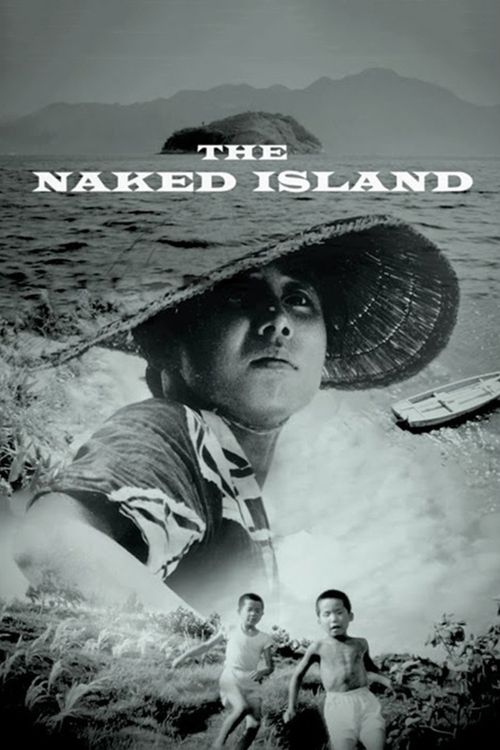
The Naked Island1960
Both films trust silence and repetition to show what family means. Both show households stripped to essentials by circumstance—not as tragedy but as fact. Both are Japanese meditations on rural life persisting despite everything.
A Japanese family lives on a barren island, farming and hauling water in near-total silence. No plot, just the rhythm of survival and the bonds that form through shared necessity. Kaneto Shindô's vision of a family as a working unit, not a feeling.
But Utterly austere. No dialogue. Just labor and landscape. Most viewers find it unbearably slow or absolutely hypnotic; there's no middle ground.
People
Cast
 Isao NatsuyagiYasuhiko Ono
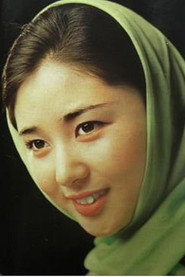 Naoko OhtaniChieko Ono
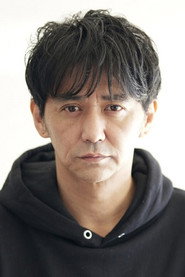 Jun MurakamiYoichi Ono
 Megumi KagurazakaIzumi Ono
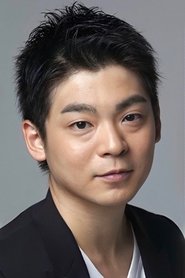 Yutaka ShimizuMitsuru Suzuki
 Hikari KajiwaraYoko
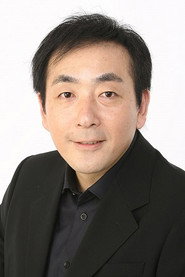 Daikichi SugawaraShimura
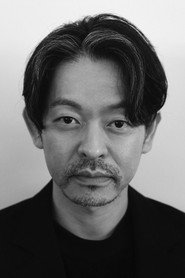 Takashi YamanakaKato
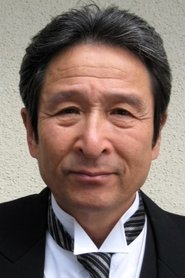 Kenzō KawarasakiGynecologist
 Mariko TsutsuiMeiko Suzuki
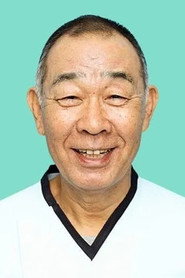 DendenKen Suzuki
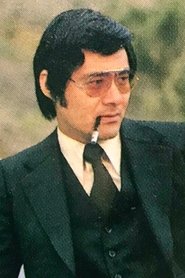 Akira HamadaMatsuzaki
Directing
- Sion SonoDirector
- Satoshi YoshidaSecond Assistant Director
Writing
- Sion SonoWriter
Production
- Adam TorelCo-Producer
- James LiuCo-Producer
- Takeshi SuzukiLine Producer
- Mizue KunizaneProducer
- Yuji SadaiProducer