
Film
The Naked Island
- Family drama
- Slow-burning
A family of four are sole inhabitants of a barren island, their every day an exhausting cycle of water-hauling and crop-tending. Masaki Kobayashi's 1960 film watches this labour with almost no dialogue, letting repetition itself become meditative and mournful. It's austere, hypnotic, sometimes devastating—for viewers who find poetry in endurance and silence.
Should you watch it?
Watch it if you are moved by silent, physical storytelling, where the rhythm of repeated labour and the sound of water and wind carry the emotion more than any dialogue.
Skip it if you need dialogue and plot turns to stay engaged; with almost no words and long stretches of the same effort, it can feel slow and repetitive.
What it asks of you: Ninety-seven minutes of unhurried, almost wordless observation of plain daily labour, shot in black and white, with long silences that you must sit inside.
Not sure? Find tonight's pick in a minute.
If you liked this
Tokyo Story1953
Ozu's masterpiece about family, time, and the quiet accumulation of small griefs. Like The Naked Island, it trusts silence and the spaces between words to convey what matters most.
But Sedate pacing and a plot that resists drama may feel like nothing is happening if you're looking for conventional narrative momentum.

Stalker1979
Tarkovsky's meditation on desire and faith across a mysterious landscape. Both films transform repetitive journeys into philosophical inquiry, letting form mirror content.
But Runs 163 minutes of deliberate, sometimes static observation. Requires genuine patience and tolerance for metaphysical abstraction.

Ikiru1952
Kurosawa's portrait of a man finding meaning through small, persistent action before death. The same tragic dignity animates both films—life as daily struggle rather than dramatic event.
But The emotional weight accumulates slowly. Early scenes of bureaucratic routine can feel tedious before the film's power emerges.

Not sure tonight? Get a pick in a minute, starting from The Naked Island
The wildcard
Something you would not have found on your own.
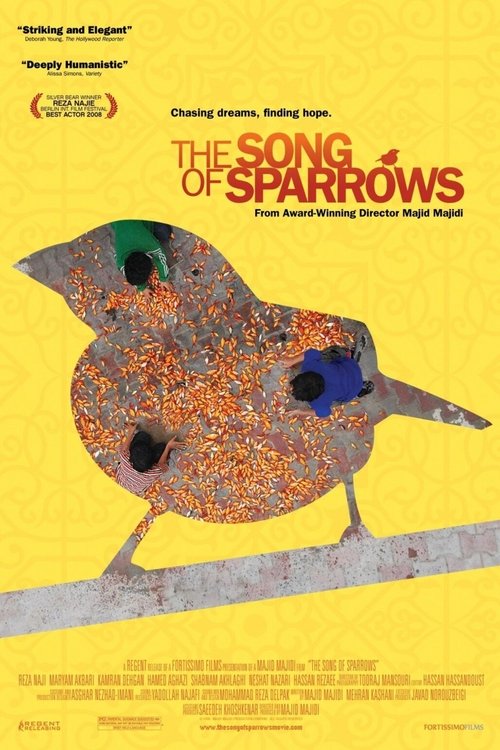
The Song of Sparrows2008
Both use agricultural labour and dependency on land as the true subject of what looks like a simple family story. Both trust visual observation over plot.
Iranian director Kiarostami's film about a poor man raising ostrich chicks while his daughter lies in hospital. Uses the repetitive labour of animal husbandry the way Kobayashi uses water-hauling: as both literal struggle and emotional spine. Quieter and warmer than The Naked Island.
But Subtitled, slower paced than Western audiences expect, and the emotional payoff comes late. Also deeply sad—not a comfort viewing.
More like this (5)
The Turin Horse2011
Béla Tarr's film about an old man and woman whose days are ruled by repetitive, exhausting ritual. Bleaker than The Naked Island, but sharing its hypnotic focus on labour and decline.
But Almost entirely black and white, sparse dialogue, and relentlessly grim. Not a film that offers comfort or uplift.

Man with a Movie Camera1929
Vertov's avant-garde symphony of Soviet labour and daily life uses repetition and montage as meditation. Different era and politics, same faith in the poetry of work itself.
But Experimental and non-narrative. The rapid-fire editing and abstract approach feel quite removed from The Naked Island's stillness.

Bicycle Thieves1948
De Sica's neorealist portrait of a father and son searching Rome for a stolen bicycle. Focuses on the ordinary dignity of working people and the small, accumulating defeats of poverty.
But Post-war Italian setting and slightly more conventional narrative structure may feel less austere than what you're seeking.

The Seventh Seal1957
Bergman's meditation on mortality and meaning. Like The Naked Island, it asks what sustains us—family, faith, small persistent acts—when life is fundamentally suffering.
But Explicitly allegorical and occasionally heavy-handed. The death-and-meaning themes are far more overt than Kobayashi's restraint allows.

Come and See1985
Elem Klimov's unflinching record of childhood lost to war. Shares The Naked Island's refusal to look away from human endurance pushed beyond reason, though in catastrophic rather than quotidian circumstances.
But Genuinely traumatising and designed to wound. One of cinema's most harrowing experiences; not suitable for viewers seeking any sense of peace.

People
Cast
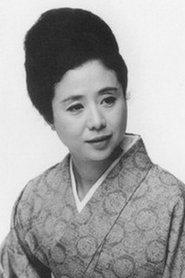 Nobuko OtowaToyo
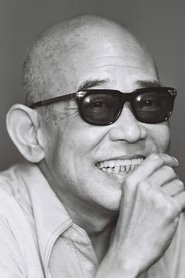 Taiji TonoyamaSenta
- Shinji TanakaTaro
Directing
- Mitsunori KanaokaAssistant Director
- Takahisa KatsumeAssistant Director
- Kaneto ShindōDirector
Writing
- Kaneto ShindōWriter
Production
- Kaneto ShindōProducer
- Matsuura EisakuProducer
- Kazuo KuwaharaProduction Manager
- Mihoko YoshinoProduction Manager
Recommended by
When a Woman Ascends the Stairs, King Rat, Eternal Love, Oliver Twist, Fires on the Plain, Vengeance Is Mine, The Land of Hope, Everyone Else, Story of a Prostitute, Beneath the 12-Mile Reef