
Film
Vengeance Is Mine
Shohei Imamura's 1979 masterpiece tracks a charming sociopath on the run across Japan, telling his story backwards and sideways through bitter interrogations and flashbacks. It's a portrait of evil that never looks away, made hypnotic by Ken Ogata's performance and Imamura's refusal to let you off easy. For those who can sit with moral complexity.
If you liked this
Tokyo Story1953
Ozu's quiet masterpiece about family and time moving forward. If you respond to Imamura's deep observation of Japanese life and human texture, this is where much of that tradition comes from. A different register entirely—gentler—but the same unflinching eye.
But It moves at a pace that feels like watching paint dry if you're not already attuned to cinema that trusts silence. Very slow.

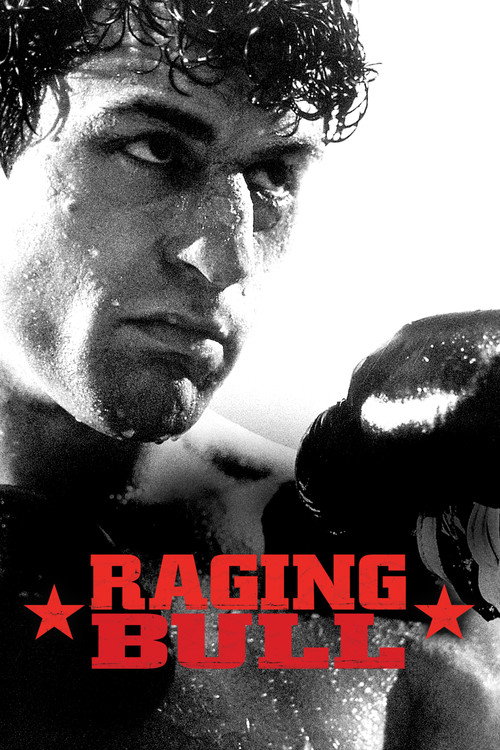
Raging Bull1980
Scorsese's portrait of a violent man who destroys everyone around him, told through fragmented memory and rage. Like Vengeance Is Mine, it uses form itself to show us a fractured mind. Both are about monsters who can't escape themselves.
But Black and white, deliberately ugly, punishing to watch. The violence is not cathartic—it's exhausting, which is the point.
In the Mood for Love2000
Wong Kar-wai's obsessive study of desire and restraint. Imamura and Wong work in completely different modes, but both films are consumed by how people move through space, how bodies betray intention. Both hypnotic.
But Visually sumptuous but narratively spare. Some find it remote or glacial; others find it rapturous. There's no middle ground.

Not sure tonight? Get a pick in a minute, starting from Vengeance Is Mine
The wildcard
Something you would not have found on your own.
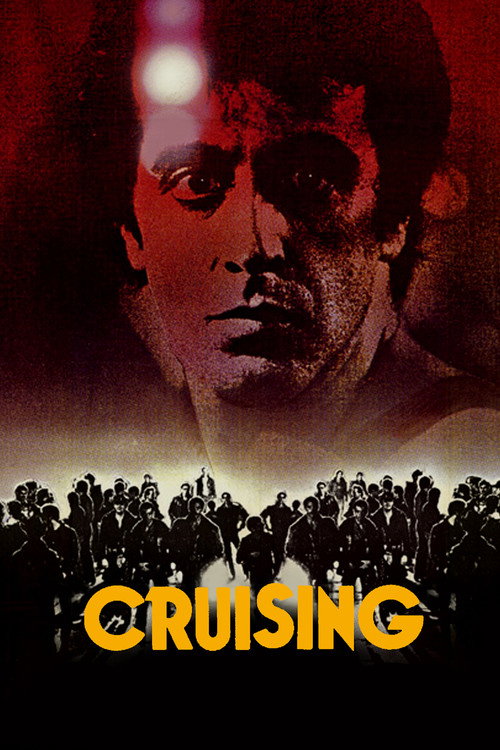
Cruising1980
Both films track the collapse of a man's sense of self through performance and infiltration; both are formally inventive in ways that make the protagonist's dissolution visible.
William Friedkin's controversial film about an undercover cop infiltrating New York's gay underground to catch a killer. Like Vengeance Is Mine, it's about a man disappearing into a role until you can't tell where the performance ends and the person begins. Both track moral dissolution through false identities.
But The politics are toxic by design. It's exploitative, ambiguous about its own sympathies, and made in genuine bad faith about queerness. Hard to watch without resistance, which may be the only honest way to watch it.
More like this (8)
A Prophet2009
Jacques Audiard's prison film about a man becoming something monstrous. Like Vengeance Is Mine, it traces a slow moral descent without judging, and builds unbearable tension from routine. Extraordinary.
But Brutal and claustrophobic. The portrait of institutional corruption is relentless. Not a film that offers comfort.

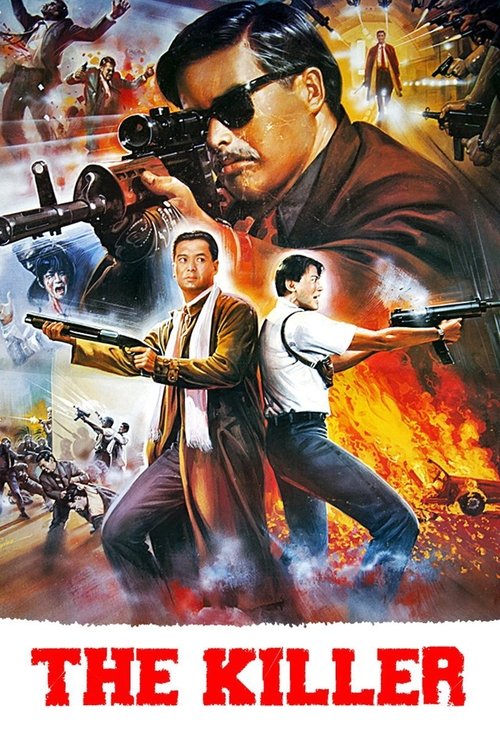
The Killer1989
David Fincher's clinical dissection of a hitman's life and labour. Both films treat crime as work, not destiny. Both are fascinated by the gap between what a man does and who he thinks he is.
But Extremely detached. Fincher's style is colder than Imamura's—some find it remote rather than profound. Long passages with minimal dialogue.
Branded to Kill1967
Seijun Suzuki's radical yakuza film, made just before Imamura's approach to Japanese crime cinema. Surreal, violent, formally inventive. If Vengeance Is Mine intrigues you, this will show you where the new wave of Japanese cinema was heading.
But The narrative is deliberately fractured and dreamlike. Some see it as brilliant provocation; others see pretension. Not for viewers who want clear plotting.

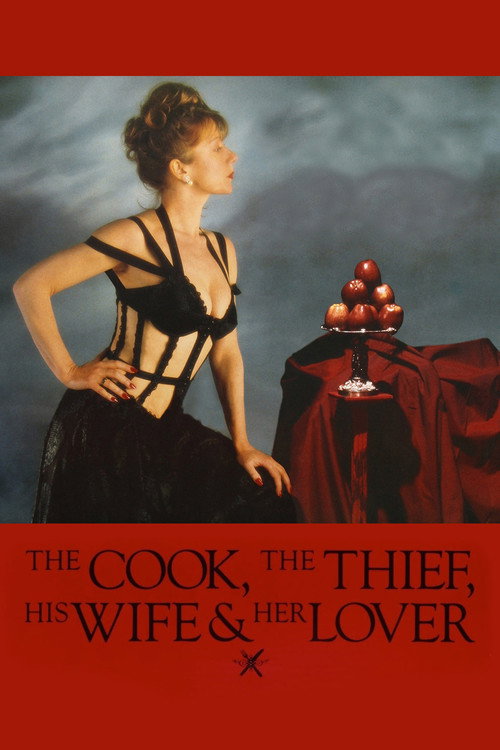
The Cook, the Thief, His Wife & Her Lover1989
Peter Greenaway's baroque nightmare about violence, power, and bodies. Both films use their formal inventiveness to make moral ugliness visible. Both refuse to look away or simplify.
But Extremely artificial and confrontational. The violence is graphic and the film offers no catharsis or moral clarity. Deliberately hostile to comfort.
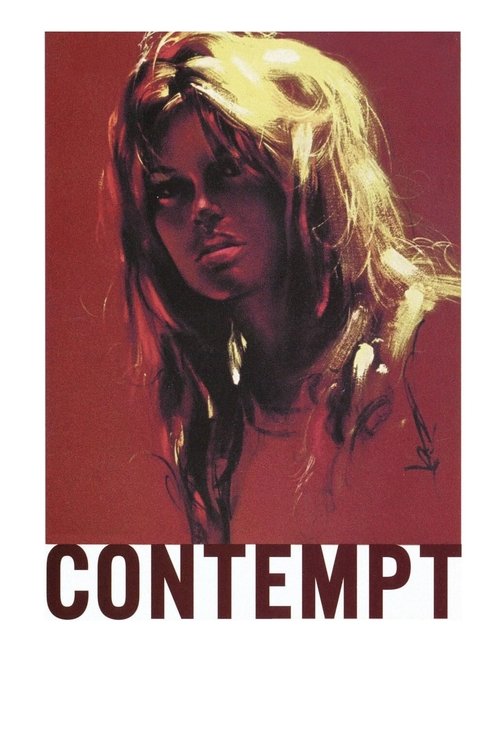
Contempt1963
Godard's film about the breakdown of a marriage, told through fragments and lapses. Like Imamura, Godard is interested in how cinema itself can show us deception and self-deception. The formal experiments serve emotional truth.
But Self-consciously arty. Long takes, interrupted scenes, and moments of abstract beauty that stop the narrative cold. Not for viewers who want plot momentum.
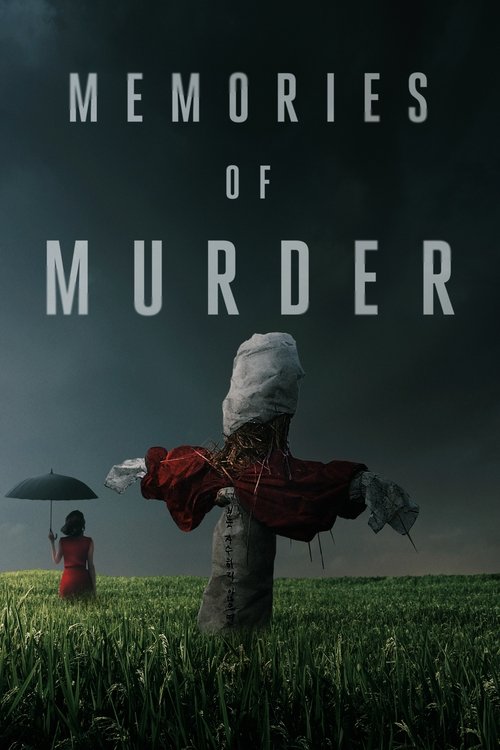
Memories of Murder2003
Bong Joon-ho's serial killer film, obsessive and unbearably tense. Shares Imamura's interest in how violence ripples through a society and how investigating crime reveals the investigator's own darkness.
But Extremely long and methodical. The ending deliberately withholds satisfaction. Some find the pacing glacial.
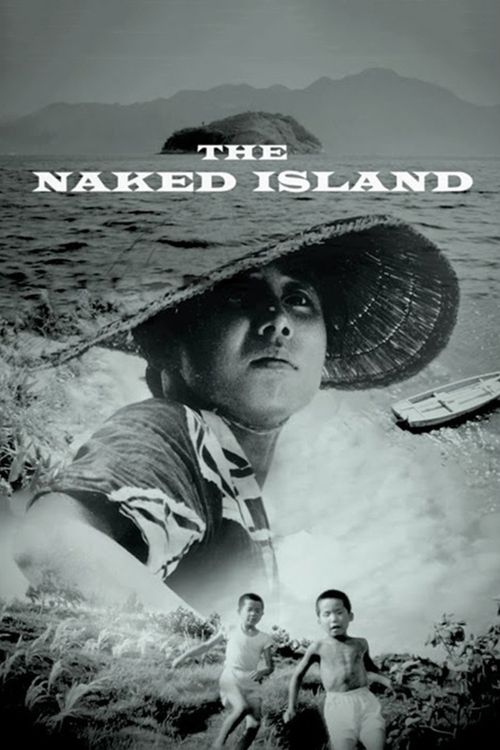
The Naked Island1960
Both treat the everyday—or the criminal—with the same formal intensity; both are studies of endurance and hidden desperation in Japanese life.
Kaneto Shindo's wordless documentary-like film about a family on an island hauling water, day after day. Imamura and Shindo are after the same thing: the texture of Japanese rural life, the weight of duty, the cost of survival. Shindo shows it through immense, ordinary labor; Imamura through crime. The obsession is identical.
But Barely a narrative. Nearly silent. Seventy minutes of people working. If you're not meditative, it will feel like punishment rather than cinema.
Stalker1979
Both track a man's moral and psychological disintegration through the choices he makes; both use form and duration to make interiority visible; both suggest that certain pursuits destroy the person pursuing them.
Tarkovsky's science fiction film about a man guiding two others toward a mysterious room in a restricted zone. It's made the same year as Vengeance Is Mine and obsesses over the same thing: how far will a man go, and what does the pursuit itself do to him? Both are slow, philosophical, and about inner collapse made visible.
But Science fiction in name only. It's a philosophical meditation shot in real time. Extremely long, extremely slow. If you want plot or action, this is the opposite.

People
Cast
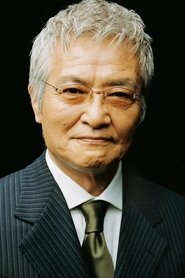 Ken OgataIwao Enokizu
 Mayumi OgawaHaru Asano
 Mitsuko BaishoKazuko Enokizu
 Frankie SakaiInspector Kawai
 Kazuo KitamuraShigomi Deike
 Chōchō MiyakoKayo Enokizu
 Nijiko KiyokawaHisano Asano
 Rentaro MikuniShizuo Enokizu
 Taiji TonoyamaTanejiro Shibata
 Gorō TarumiDaihachi Baba
 Moeko EzawaChiyoko Hata
 Kazuko ShirakawaSachiko
Directing
- Taku ShinjoAssistant Director
- Shōhei ImamuraDirector
Writing
- Ryūzō SakiNovel
- Masaru BabaScreenplay
- Shunsaku IkehataScreenplay
Production
- Kazuo InoueProducer
Recommended by
Humanity and Paper Balloons, The Ballad of Narayama, Rust and Bone, A Taxing Woman, The Young Lions, The Reckoning, The Awakening, Killers on Parade