
Film
Humanity and Paper Balloons
A 1937 Japanese masterpiece set in an Edo slum, where poverty and desperation collide with fragile dignity. Tatsuya Nakadai's predecessor-era filmmaking captures interconnected lives—a ronin seeking employment, a disgraced hairdresser plotting kidnapping—with quiet brutality and unexpected tenderness. Essential cinema for anyone interested in how class and shame destroy people from within.
Should you watch it?
Watch it if you want a samurai story that treats poverty and pride with patience, where the quiet dignity of ordinary people lands harder than any sword fight.
Skip it if you need constant action to stay engaged, since the film is brief but unhurried, its swordplay is sparse, and its tone stays melancholy rather than rousing.
What it asks of you: Settle in for a compact eighty-six minutes that moves at the pace of daily life, watching faces and small exchanges closely rather than chasing plot momentum.
Not sure? Find tonight's pick in a minute.
If you liked this
Ikiru1952
Kurosawa's meditation on mortality and wasted lives in bureaucratic Japan. Like Balloons, it finds profound humanity in ordinary desperation, asking what makes a life matter when the system treats you as nothing.
But Glacially paced by modern standards, and the emotional catharsis arrives only in the final act. Requires patience and genuine engagement.

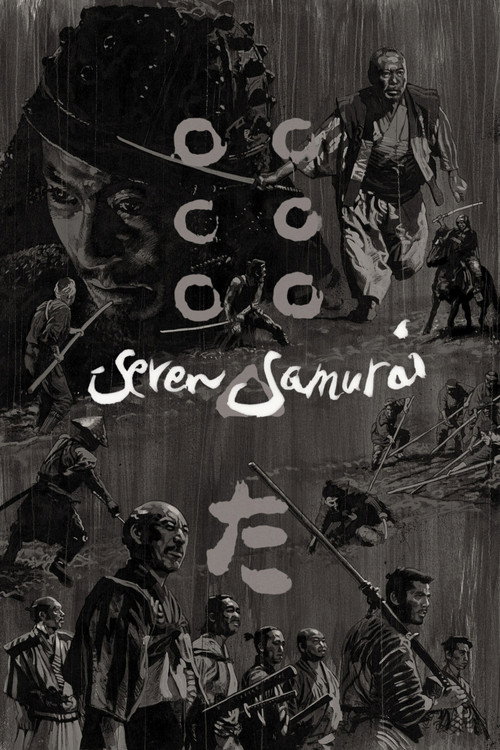
Seven Samurai1954
Kurosawa again, but this time examining honor, survival, and the distance between noble ideals and brutal reality. The film shares Balloons' interest in how circumstances remake character.
But Nearly four hours long. The action sequences, however brilliant, may feel dated if you're expecting modern pacing.
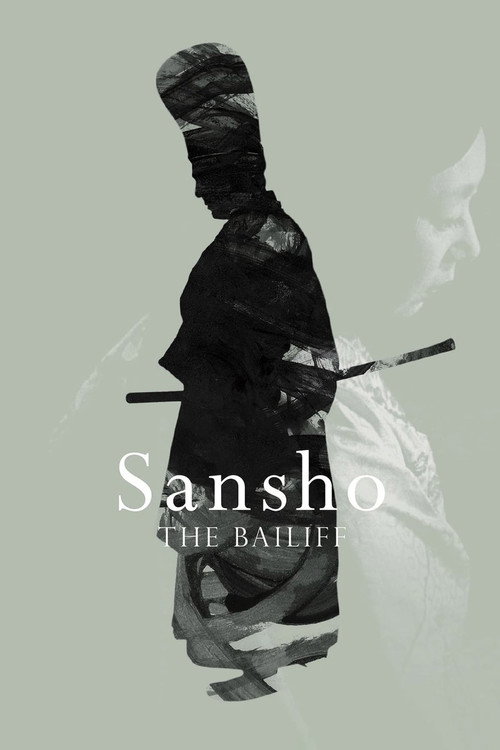
Sansho the Bailiff1954
Mizoguchi's devastating portrait of systemic cruelty in feudal Japan. Like Balloons, it refuses sentimentality while depicting how institutions grind down the powerless and fragment families.
But Unbearably sad. Not a film that leaves you feeling uplifted; it's meant to implicate you in its tragedy.
Not sure tonight? Get a pick in a minute, starting from Humanity and Paper Balloons
The wildcard
Something you would not have found on your own.
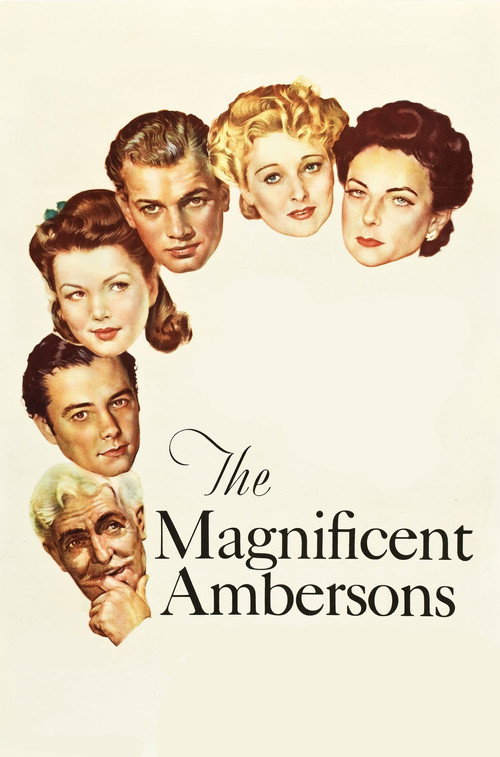
The Magnificent Ambersons1942
Both depict the slow destruction of a social order and the people trapped within it, using ensemble casts and moral ambiguity rather than clear heroes or villains.
Welles' film about class collapse in American industrialization. Both films track how economic systems destroy individuals with structural inevitability. Welles captures the same fatalism and beauty in decline.
But Welles' vision was re-edited after production; what survives is magnificent but fractured. The ending especially feels incomplete.
More like this (8)
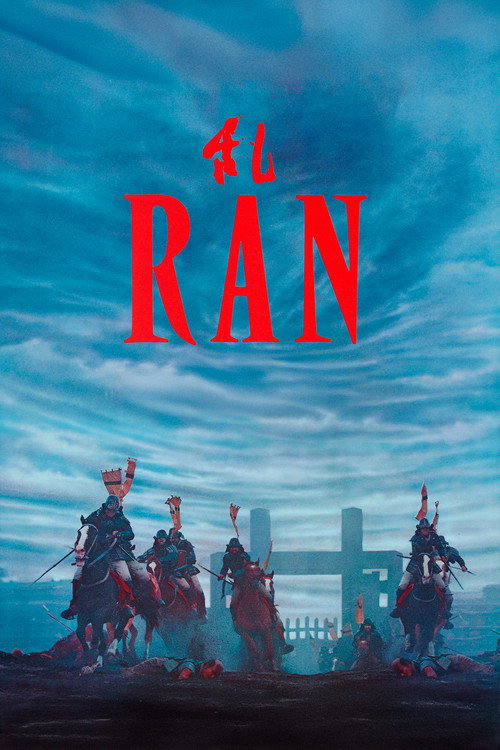
Ran1985
Kurosawa's Shakespeare adaptation about power, betrayal, and the collapse of order. It shares Balloons' bleak vision of human nature and the futility of grasping for status.
But Visually overwhelming and emotionally exhausting. The scale sometimes overshadows the intimate character work.
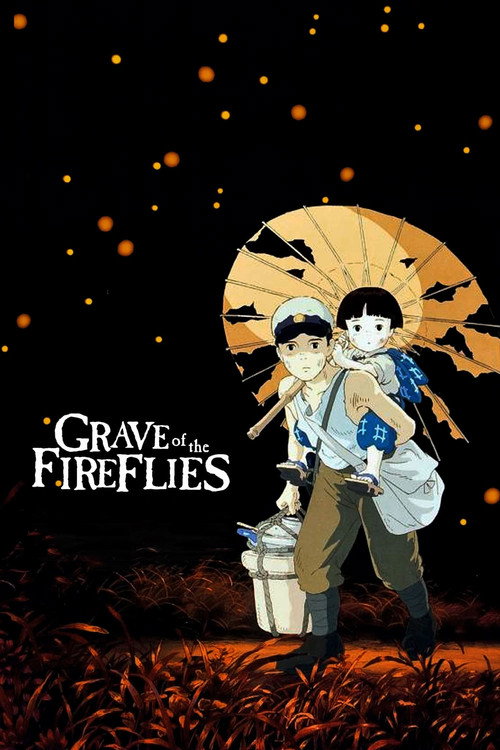
Grave of the Fireflies1988
Takahata's animation about two orphans in wartime Japan. Structurally similar to Balloons—interconnected suffering, no easy villains, humanity persisting in impossible conditions.
But One of the most painful films ever made. Not entertainment; it's an ordeal you survive rather than enjoy.
Tokyo Story1953
Ozu's quiet masterpiece about family, aging, and the gap between hope and reality. Shares Balloons' refusal to dramatize or sentimentalize; truth emerges from ordinary moments.
But Deliberately undramatic. If you need plot momentum or emotional manipulation, this will feel like nothing happening for two hours.

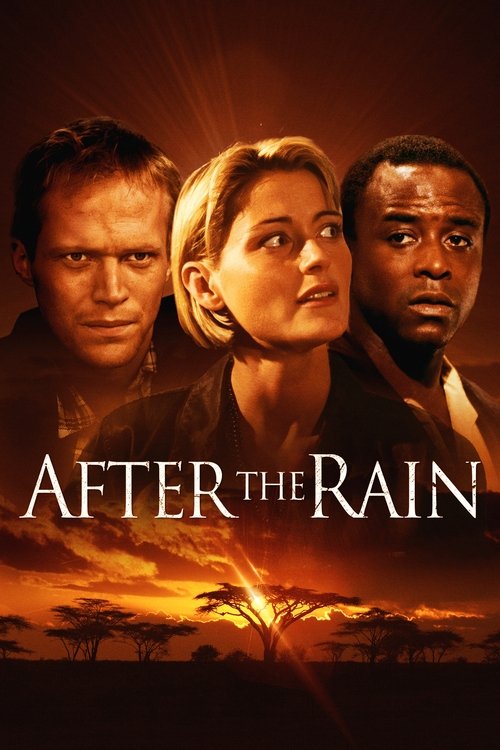
After the Rain1999
Takeshi Kitano's return to acting after nearly dying. A lyrical film about an aging yakuza and a young woman, it captures the same bittersweet dignity amid social fracture that Balloons achieves.
But Kitano's style is deadpan and elliptical. Scenes end without resolution; you're expected to understand silently.
The Ballad of Little Jo1993
Reichardt's sparse Western about a woman passing as a man in the frontier. Like Balloons, it examines how identity fractures under economic pressure and social indifference.
But Deliberately unglamorous and slow. The period detail feels authentic precisely because nothing is dramatized.

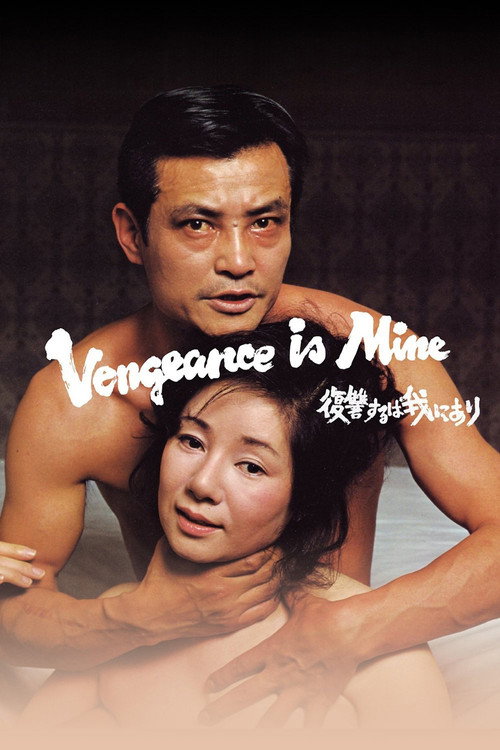
Vengeance Is Mine1979
Imamura's portrait of a fugitive killer and the people around him. Clinical and compassionate simultaneously—it extends empathy to the brutal without excusing them, much like Balloons does.
But Genuinely unpleasant to watch at times. The crime depicted is real and ugly, not aestheticized.
Red Beard1965
Both are period films about the marginalized in Japan, but where Balloons is tragic and deterministic, Red Beard finds grace through human connection—they're inverse emotional arguments about the same world.
Kurosawa's humanist drama set in an 18th-century clinic for the poor. It shares Balloons' interest in dignity amid poverty and how kindness persists in systems designed to crush it.
But Three and a half hours. The episodic structure means it builds slowly, and some vignettes feel slight compared to others.

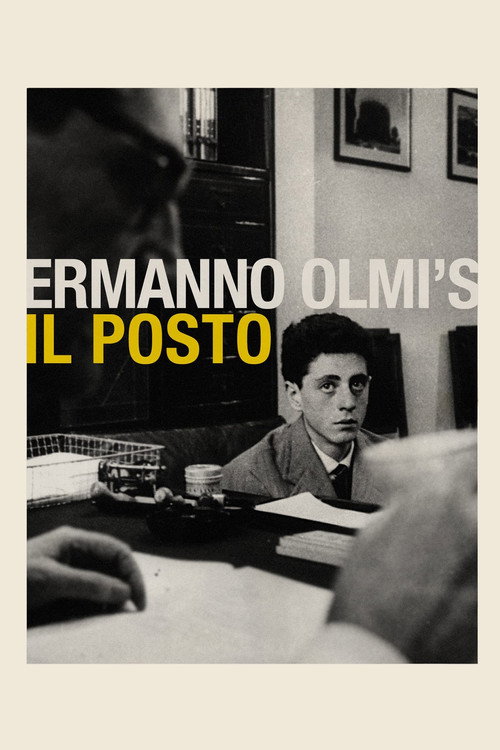
Il Posto1961
Both films make administrative systems and economic desperation visually and emotionally concrete, finding dark comedy and tragedy in how institutions process human beings as problems to be managed.
Olmi's Italian neorealist gem about a young man seeking his first job in a vast bureaucracy. Like Balloons, it's a tragedy about systems that render people invisible, but told with documentary precision and gallows humor.
But Italian, subtitled, and utterly without melodrama. If you expect narrative momentum, you'll find only bureaucratic tedium—which is precisely the point, but it's exhausting.
People
Cast
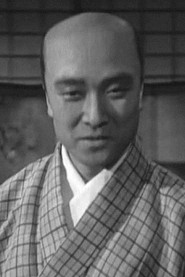 Chōjūrō KawarasakiMatajuro Unno
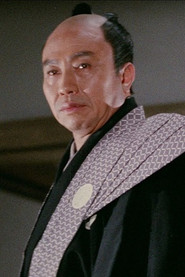 Kan'emon NakamuraShinza
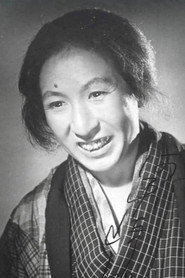 Shizue KawarazakiOtaki
 Noboru KiritachiOkoma
- Tsuruzo NakamuraGenko
- Sukezō SukedakayaLandlord
- Kikunojo SegawaChushichi
- Chōemon BandōYabushi
- Emitaro IchikawaYatagoro
- Takako MisakiOkuma
Directing
- Ishirō HondaAssistant Director
- Sadao YamanakaDirector
Writing
- Shintarō MimuraScreenplay
- Mokuami KawatakeTheatre Play
Production
- Masanobu TakeyamaProducer