
Film
Il Posto
- Workplace drama
- Slow-burning
A heartbreaking Italian neorealist film about two young people grinding through dead-end jobs at a massive corporation. Ermanno Olmi captures the quiet desperation of ambition thwarted by indifference, the small kindnesses that bloom in soulless places, and the peculiar loneliness of a crowded office. Essential for anyone who's felt invisible at work.
Should you watch it?
Watch it if you love quiet, observational films where the drama lives in small gestures, long silences and the unglamorous texture of office routine, the way Ermanno Olmi's early work does.
Skip it if you want momentum, sharp dialogue or a plot that keeps hauling you forward; very little happens on purpose, and the stillness can feel like waiting.
What it asks of you: Under ninety minutes but unhurried, with long held shots and non-professional-feeling pacing that rewards patience more than attention spans built on quick cuts.
Not sure? Find tonight's pick in a minute.
If you liked this
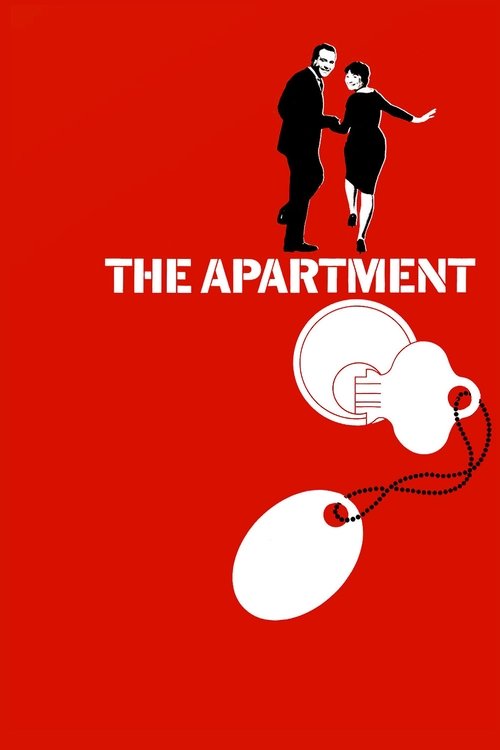
The Apartment1960
A Hollywood mirror to Il Posto's Italian realism. Both films find romance and heartbreak in corporate machinery, but Wilder adds comedy and a warmth that makes the sting sharper when cruelty arrives.
But It's a product of its era in ways that show—the gender dynamics feel dated, and the plot hinges on romantic complications that some will find frustrating.
Umberto D.1952
De Sica's masterpiece about a retired man's quiet battle for dignity in a world that no longer values him. Like Il Posto, it finds profound sadness in bureaucracy and small human moments. The spiritual cousin you need to see.
But It moves slowly and offers no solutions. If you need narrative momentum or hope, this will feel punishing rather than cathartic.

Ikiru1952
Kurosawa's Japanese response to the same question: what does work mean when you're expendable? A man discovers his own humanity through an ordinary project. Formally brilliant and emotionally devastating.
But It's three hours, and the pacing is deliberate. The philosophical weight builds gradually, which feels like a burden if you're not prepared for it.

Not sure tonight? Get a pick in a minute, starting from Il Posto
The wildcard
Something you would not have found on your own.
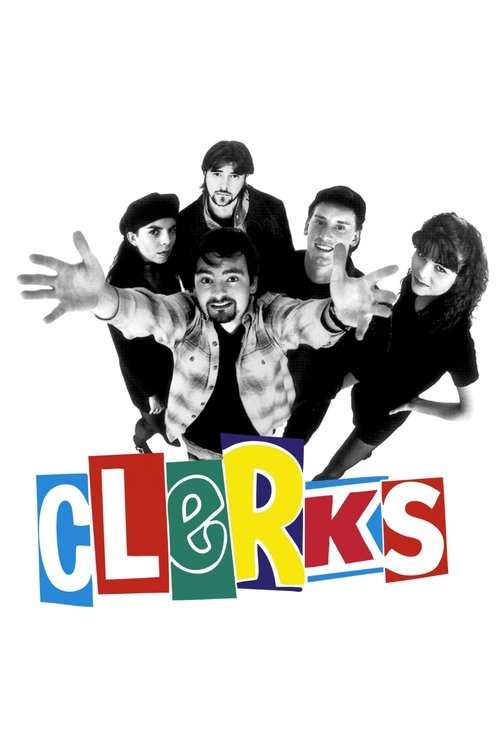
Clerks1994
Both films locate profound humanity in the most dehumanizing jobs. But where Olmi is elegiac, Smith is defiant—his workers talk back. Same diagnosis, opposite tone.
Kevin Smith's comedy about retail workers killing time between customers is Il Posto's American punk sibling. Same soul-death through meaningless labour, same unexpected connection between two workers, same wisdom that you endure and find moments of grace. But it's loud, profane, and hilarious.
But It's shot in grainy black-and-white on a budget, with conversations that meander. If you need visual polish or plot momentum, it feels like watching people stand in a parking lot.
More like this (8)
Sunrise: A Song of Two Humans1927
Murnau captures the tension between romantic connection and modern alienation decades before Olmi. Silent but visceral—the film moves through a city that transforms based on emotional state, a technique that feels remarkably modern.
But Being silent, it demands active attention. No dialogue to carry you through—you read faces and follow visual storytelling, which exhausts some viewers.

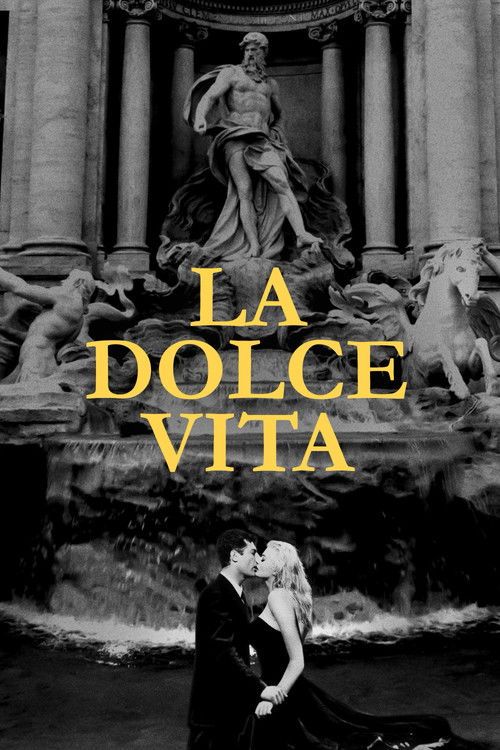
La Dolce Vita1960
Fellini's Rome is the opposite world from Il Posto's Milan office, but both explore the spiritual emptiness of modern life. Where Olmi is intimate, Fellini is grand, but the diagnosis is the same.
But It's nearly three hours of beautiful people doing hollow things. The elegance can feel indulgent, and the film offers no redemption, only surfaces.
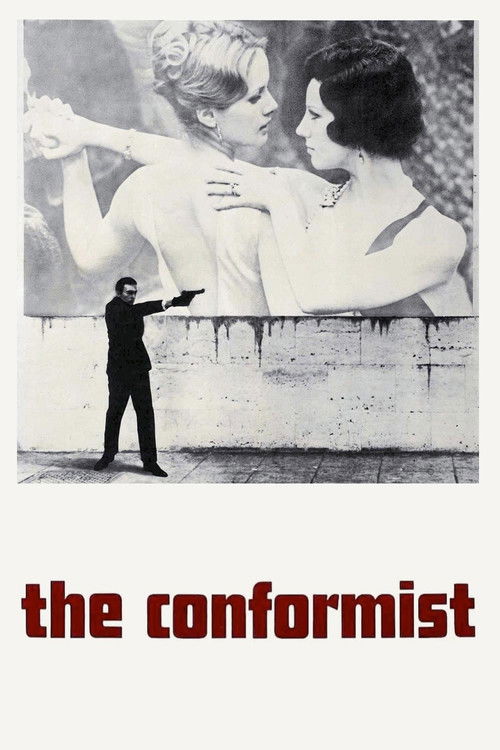
The Conformist1971
Bertolucci's exploration of how systems seduce ordinary people into complicity. Like Il Posto, it shows how institutions shape desire itself—but here the stakes are political and the aesthetics are hypnotic.
But It's visually demanding in a way that can overwhelm plot. If you need a clear narrative spine, the formal brilliance becomes an obstacle.
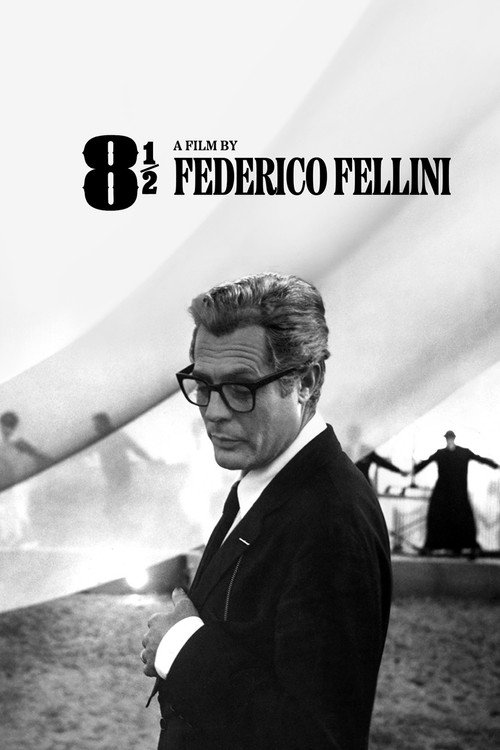
8½1963
Fellini's director-at-a-crossroads film explores creative paralysis and the trap of expectations. Both films are about the death of authentic self in systems, though Fellini dramatizes it through surrealism rather than restraint.
But Its structure is circular and wilfully obscure. If you watch it looking for answers, you'll be frustrated—it's a mood piece, not a plot.
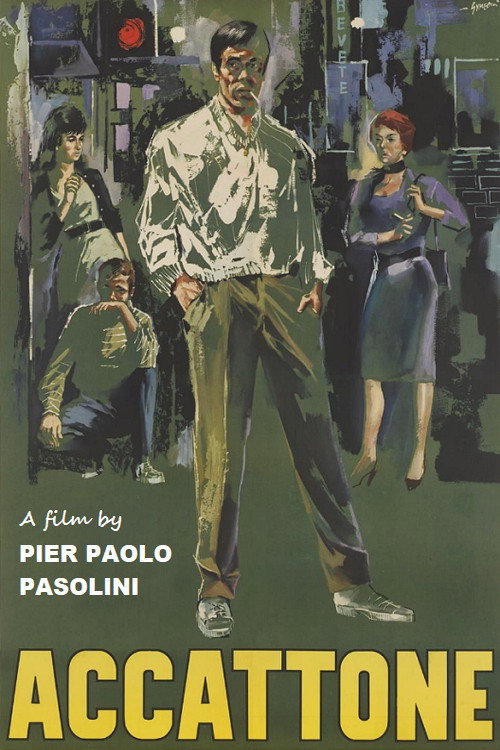
Accattone1961
Pasolini's debut follows a petty criminal with the same neorealist eye Olmi brings to office work. Both find beauty in margin-dwellers; both suggest that systems fail the people inside them most of all.
But The protagonist is genuinely unlikeable and makes destructive choices. Its moral ambiguity unsettles viewers who want their heroes sympathetic.
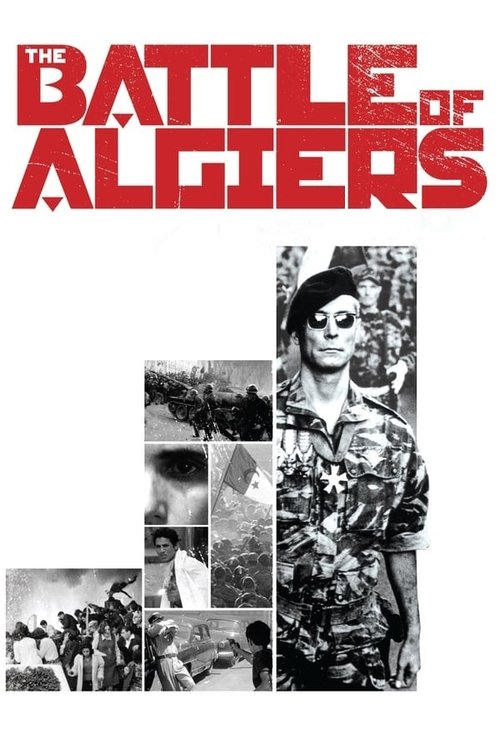
The Battle of Algiers1966
Pontecorvo's docudrama about colonial occupation uses the same austere neorealist approach but in service of political urgency. It shows what happens when people refuse to be invisible, when systems face resistance.
But It's formally experimental and morally complicated. Some find it exploitative; others find it propagandistic. Neither response is wrong.
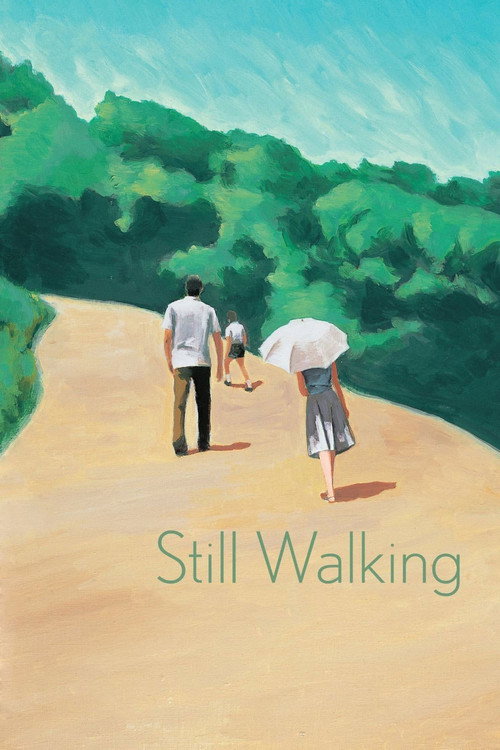
Still Walking2008
Both use restraint to reveal pain. Both suggest that systems (work, family) damage us not through drama but through the daily grinding away of hope. Both trust the audience to feel what's unsaid.
Koreeda's Japanese family drama about a day when adult children return home to their parents. Seems unrelated to Il Posto until you realize both films are about the slow estrangement caused by systems—work, family obligation, the passage of time. Quiet, formal, devastating.
But Nothing happens in the traditional sense. It's a day of conversation and cooking and resentment bubbling under civility. If you need plot, it feels like watching people do chores.
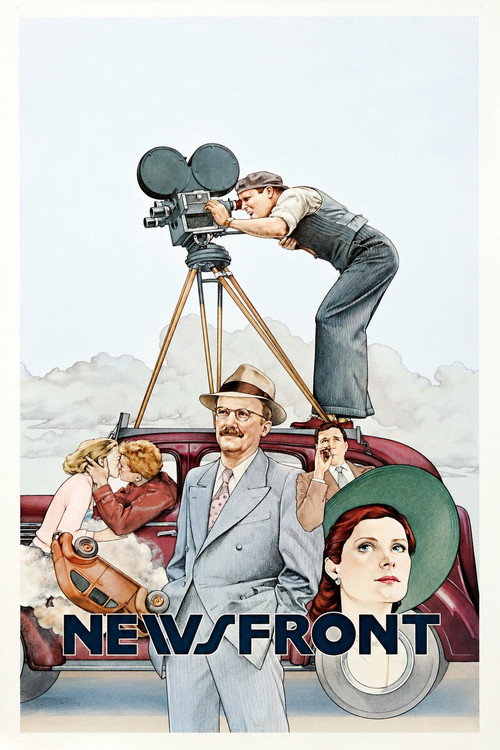
Newsfront1978
Both are elegies for young people trapped between aspiration and obsolescence. But Newsfront widens the scope to show how entire industries can become worthless overnight—a historical tragedy rather than a personal one.
Philip Noyce's Australian film about newsreel photographers follows two brothers competing for jobs and recognition in the industry after WWII. It's Il Posto's historical complement—the same young man trying to make his way, same sense that the system is bigger than ambition, but told through the specific pressure of 1950s masculinity and technology replacing workers.
But It's primarily interested in 20th-century media history. If you don't care about the death of newsreels or the technical details of film stock, it can feel like a museum piece.
People
Cast
 Loredana DettoAntonietta Masetti
 Sandro PanseriDomenico Cantoni
- Corrado AprileBit Part (uncredited)
- Guido ChitiBit Part (uncredited)
 Tullio KezichPsychologist (uncredited)
- Bice MelegariBit Part (uncredited)
- Mara RevelDomenico's Senior Fellow Colleague (uncredited)
 Guido SpadeaPortioli (uncredited)
Directing
- Ermanno OlmiDirector
- Adriana RoworthScript Supervisor
Writing
- Ermanno OlmiWriter
- Ettore LombardoWriter
Production
- Alberto SoffientiniProducer
- Attilio TorricelliProduction Supervisor
Recommended by
Clerks, Humanity and Paper Balloons, Rocco and His Brothers, Summer 1993, The Big City, Bread and Chocolate, One-Eyed Jacks, The Rainbow Jacket, La Collectionneuse, The Student of Prague, Captain Horatio Hornblower R.N., Camille