
Film
The Student of Prague
Other titles called The Student of Prague: the 1926 film.
An 1913 German Expressionist fantasy about a poor student who sells his reflection to a sinister sorcerer for wealth and romance. Silent, slow-burn atmospheric, genuinely eerie. For those drawn to early cinema's strange power and the Faustian bargain as psychological horror rather than action spectacle.
If you liked this
Nosferatu1922
The same era's masterpiece of creeping dread. F.W. Murnau captures how German Expressionism transforms ordinary spaces into psychological landscapes where evil feels inevitable and inescapable.
But Slower than modern horror, with intertitles replacing dialogue. The pacing demands patience; jump-scares won't arrive.

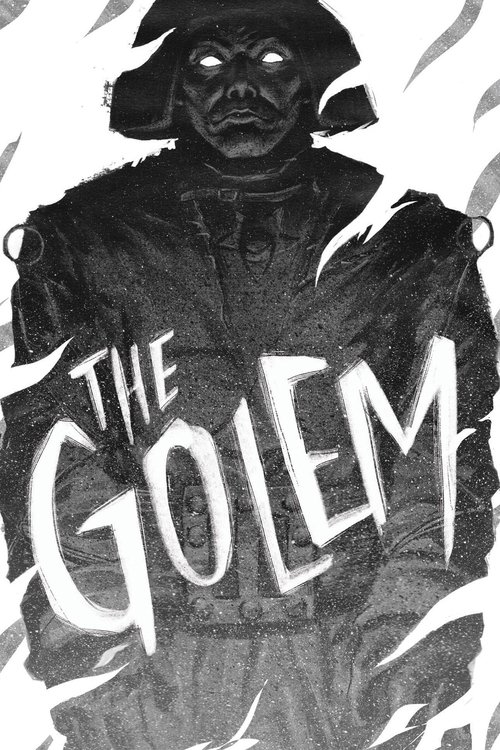
The Golem: How He Came into the World1920
Another Prague-set Expressionist fantasy about a man-made creature and the hubris of creation. Same dreamlike logic, same distorted sets, same sense of fate closing in on the protagonist.
But The creature design, revolutionary then, reads as stagey now. The print quality of surviving copies can be grainy and hard to follow.
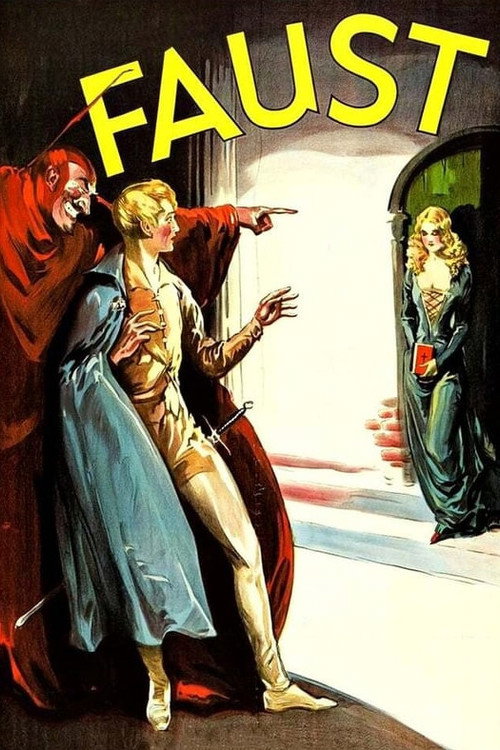
Faust1926
F.W. Murnau's grandest meditation on the Faustian bargain. The special effects are astonishing; the visual storytelling is fluid and inventive in ways that feel modern even a century later.
But Runs over two hours in most versions. The philosophical questions can overshadow plot momentum if you're after straightforward narrative.
Not sure tonight? Get a pick in a minute, starting from The Student of Prague
The wildcard
Something you would not have found on your own.
Anima Mundi1991
Both are about invisible, internal realities made visible through radical formal choices. Both transform the mundane into the uncanny through style rather than plot.
A stop-motion experimental film about the soul of the world. Uses puppetry and collage to evoke the same feverish dream-logic as Student of Prague, but in a completely different medium and century. Deeply strange and deeply moving.
But Not a narrative film. Largely wordless, abstract, demanding interpretation rather than plot comprehension. Twenty minutes of deliberate weirdness.

More like this (6)
The Cabinet of Dr. Caligari1920
The Expressionist landmark: distorted sets, twisted shadows, a mystery that spirals into madness and corruption. Influenced everything that followed about psychological horror and unreliable narration.
But The stylization can feel mannered on first viewing. Some find the theatrical acting distracting rather than atmospheric.

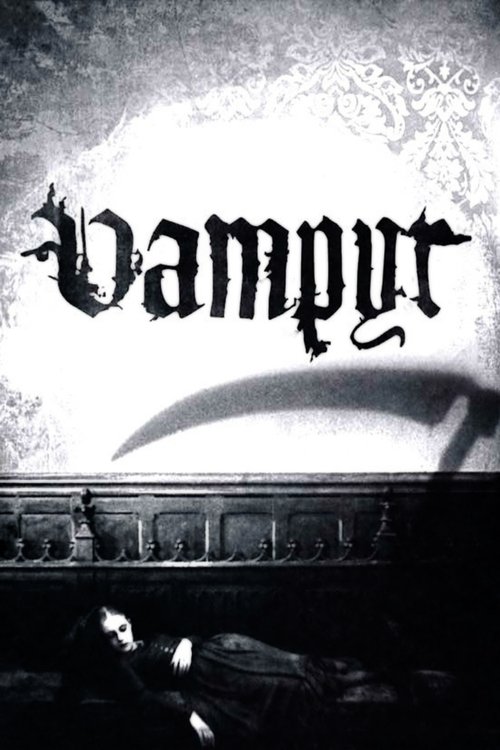
Vampyr1932
Carl Theodor Dreyer's dream-logic vampire film uses shadow, editing, and sound design to create unease that doesn't rely on monsters. Deeply philosophical about desire and death.
But Barely ninety minutes but feels longer. Long stretches of mood without incident; requires active engagement rather than passive watching.
The Phantom Carriage1921
Chtchukhrahn's Swedish ghost story uses the same visual language as Prague—shadows, doubling, the supernatural as metaphor for guilt. A tale of redemption wrapped in spectral imagery.
But Swedish cinema of the era has a different rhythm than German Expressionism; it may feel slower, more contemplative.

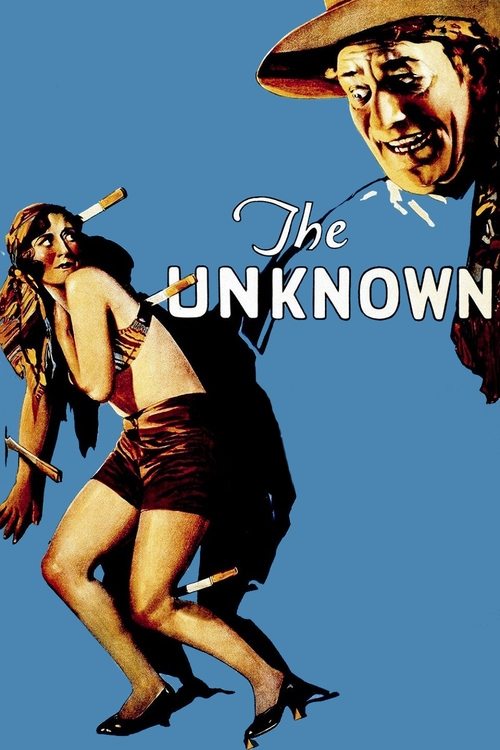
The Unknown1927
Lon Chaney as an armless sideshow performer caught in obsessive love. Not Expressionist but contemporary, exploring how desire can distort identity and push someone toward monstrosity.
But Chaney's grotesque performance isn't to all tastes. The plot turns hinge on contrivance that stretch credulity even for silent melodrama.
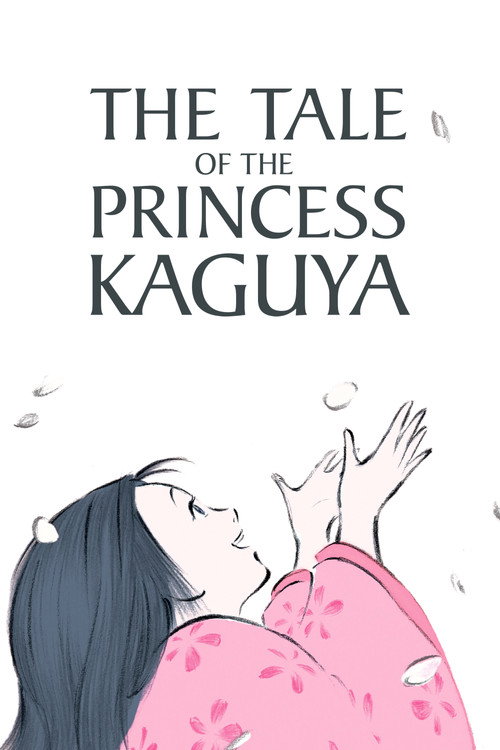
The Tale of The Princess Kaguya2013
A Faustian bargain at its heart: what a man gains when he tries to own and control the uncontrollable. Both are elegies for male ambition and possession dressed as love.
Takahata's final film uses watercolor animation to tell a Japanese fairy tale about a man who becomes obsessed with possessing something that can never truly be owned. Achingly beautiful, formally experimental, devastating.
But Runs 137 minutes. The hand-drawn animation is deliberately loose and sketchy, not polished or 'finished' in conventional terms. Some find it unfinished-looking rather than artistic.
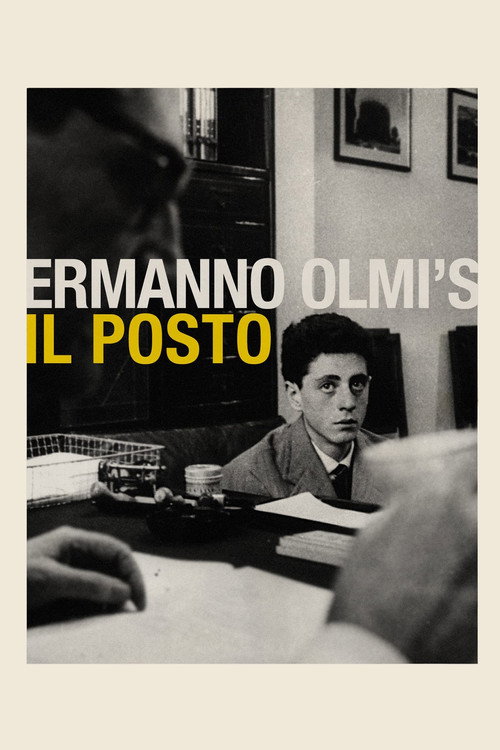
Il Posto1961
Both are about the slow erasure of self through exchange—one supernatural, one bureaucratic. Both suggest that modernity, whether magical or institutional, fractures identity in the same way.
Ermanno Olmi's neorealist masterpiece about a young man climbing the ladder in a vast, indifferent corporation. Quiet, observant, gradually crushing. The machinery of power and identity is as Gothic and soulless as Expressionism made it.
But No plot, no drama, no music. An hour and a half of watching bureaucracy grind. Italian neorealism demands you find poetry in gray office spaces.
People
Cast
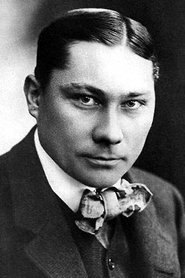 Paul WegenerBalduin - A Student / Self
- Grete BergerCountess Margit von Schwarzenberg
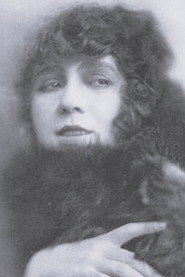 Lyda SalmonovaLyduschka - A Wanderer Girl
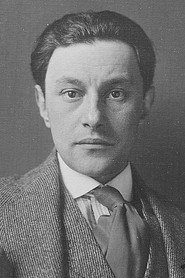 John GottowtScapinelli - An Old Adventurer
- Lothar KörnerCount von Schwarzenberg - Margit's father
- Fritz WeidemannBaron Waldis-Schwarzenberg - Margit's Cousin and Fiancé
Directing
- Stellan RyeDirector
Writing
- Hanns Heinz EwersScreenplay
- Paul WegenerScreenplay
- Stellan RyeScreenplay
- Edgar Allan PoeShort Story