
Film
Faust
Murnau's silent Faust is less a story than a weather system — apocalyptic skies, colossal shadows, Emil Jannings' Mephisto looming over villages like a plague cloud. It's the Faust legend told through pure image: light and dark literally at war for a man's soul. Gorgeous, slow, and genuinely eerie even a century on.
If you liked this
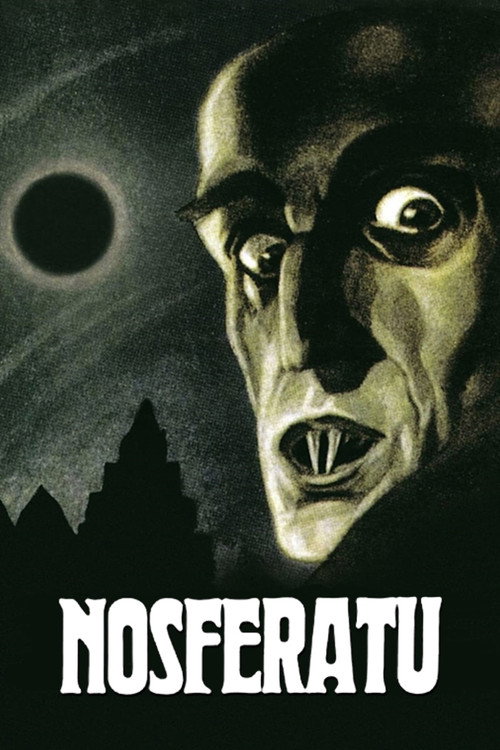
Nosferatu1922
Murnau's other great silent nightmare, and the clearest way to see his visual grammar — those long shadows, that sense of dread creeping into ordinary rooms — before he pointed it at Faust.
But Silent, slow by design, and its most famous image has been so endlessly copied it can feel less shocking than it should.
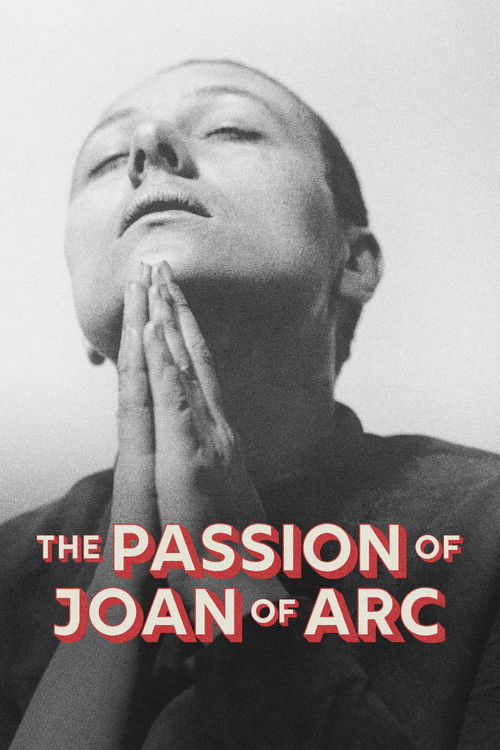
The Passion of Joan of Arc1928
Made two years after Faust, with the same faith in a face doing more work than any effect — Falconetti's suffering carries a spiritual weight that rivals Murnau's infernal skies.
But Almost entirely close-ups of one anguished face; if you need plot momentum, this will feel punishingly still.
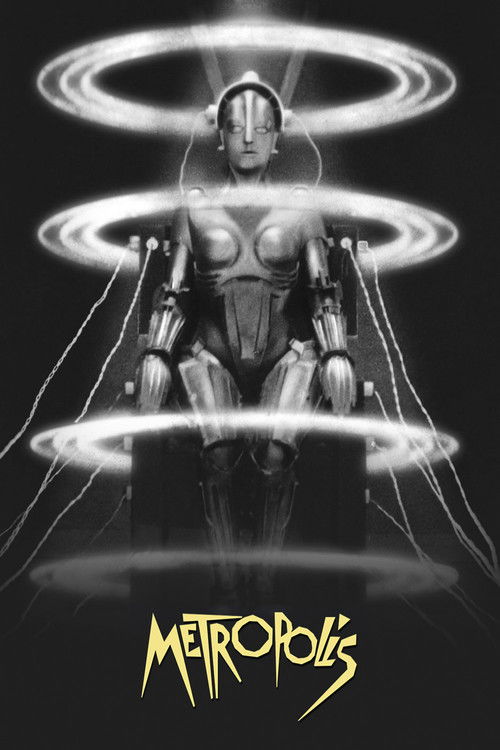
Metropolis1927
The other towering monument of German silent cinema, built from the same expressionist toolkit of vast sets and biblical allegory, just pointed at machines instead of souls.
But Its politics are muddled and its pacing creaks; you're watching it for spectacle and history, not subtlety.
The wildcard
Something you would not have found on your own.
Faust1994no page yet
A direct retelling of the same Faust legend, but the shift from Murnau's shadow-and-light cinema to Švankmajer's grotesque animated puppetry shows how differently the same bargain can be staged.
Jan Švankmajer's Czech retelling swaps Murnau's expressionist grandeur for stop-motion clay figures, puppets, and a live actor wandering through it all like he's trapped in someone else's nightmare — the same legend rebuilt from entirely different material.
But Deeply strange, unsettling in a fleshy, tactile way, and has none of the narrative comfort of a conventional adaptation.
More like this (8)
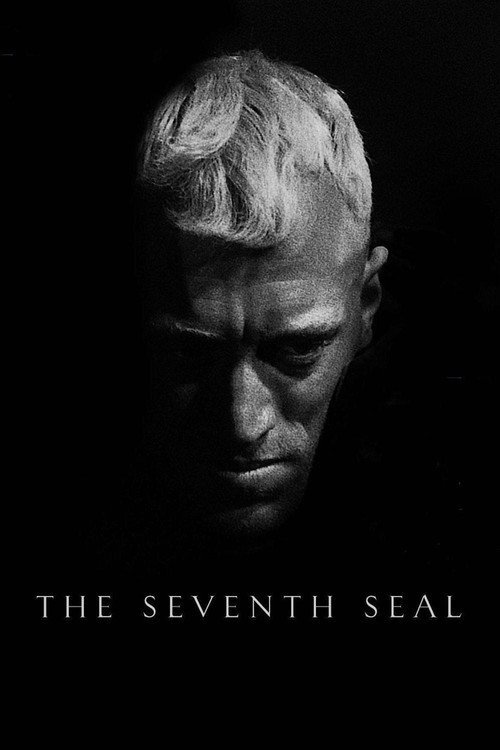
The Seventh Seal1957
Swaps the devil for Death himself, but it's the same wager over a mortal soul, staged with the same appetite for stark, painterly imagery and genuine theological dread.
But Bergman's chess-with-Death premise has become a cultural shorthand and parody target, which can undercut how seriously the film means it.
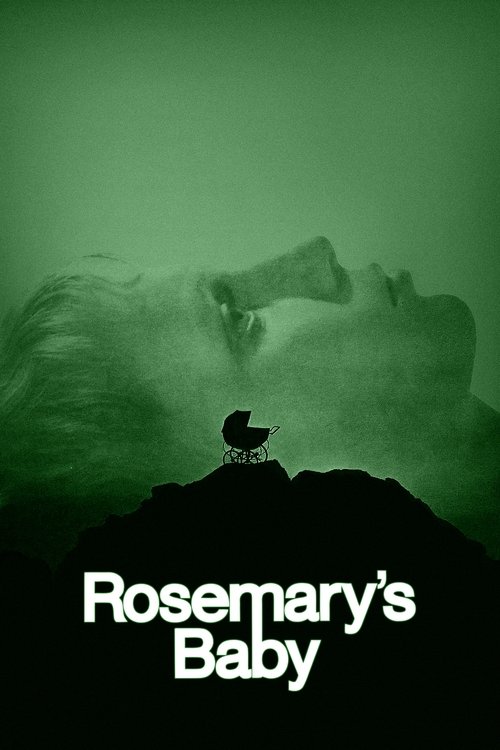
Rosemary's Baby1968
A quieter, domestic deal with the devil — no thunderclouds, just a woman realising everyone around her has already sold her out. Dread built from paranoia rather than pageantry.
But Glacially paced by modern horror standards, and its slow-burn creepiness relies on patience rather than scares.
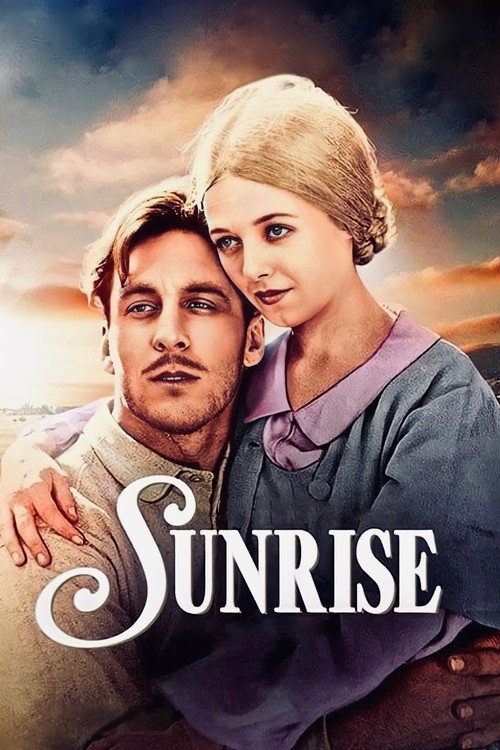
Sunrise: A Song of Two Humans1927
Murnau's very next film after Faust, made in Hollywood — same command of light and camera movement, but turned toward an aching human love story instead of the infernal.
But Melodramatic by contemporary taste, and its redemption arc is sentimental in a way Faust's damnation never is.
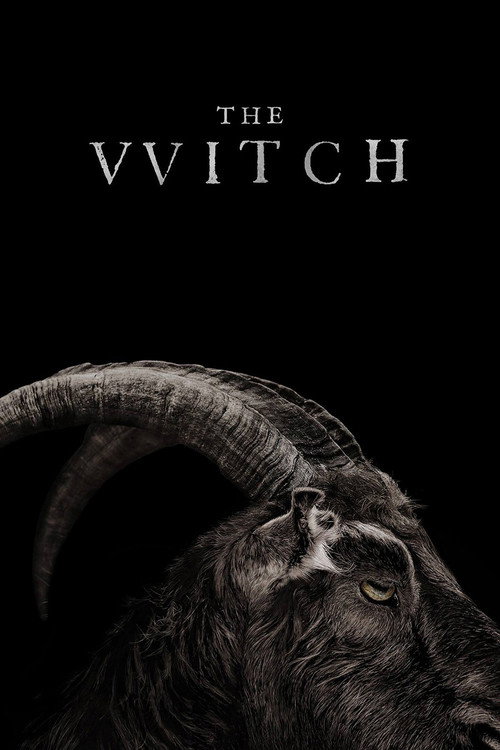
The Witch2016
A devil who works through whispers and doubt rather than spectacle, set in a world as bleak and God-haunted as Murnau's — folk horror with real theological teeth.
But Deliberately slow and dialect-heavy; if you want jump scares or clear answers, this will frustrate you.
Bedazzled1967no page yet
The same devil's-bargain premise turned inside out for comedy — Peter Cook's droll, bureaucratic Satan is a wonderful mirror to Jannings' operatic Mephisto, wish by disastrous wish.
But Very British, very dry sixties comedy; the jokes are gentle rather than laugh-out-loud by modern standards.
The Devil's Advocate1997no page yet
Pure pulpy fun if you want the Faust bargain modernised into a glossy legal thriller, with Pacino chewing scenery as a Mephistopheles who's traded brimstone for a Manhattan penthouse.
But Overlong and gleefully trashy — subtlety was never the point, and the ending swings for the fences.
All That Money Can Buy1941no page yet
Same Faustian pact stripped of Old World grandeur and replanted in American folklore — proof the deal-with-the-devil story survives a total change of costume and continent.
A New Hampshire farmer sells his soul, and instead of German expressionist doom you get a folksy American courtroom fantasy, with Walter Huston's devil as a chatty, almost likeable con man.
But Its earnest, homespun tone and dated courtroom theatrics feel a world away from Murnau's cosmic dread.
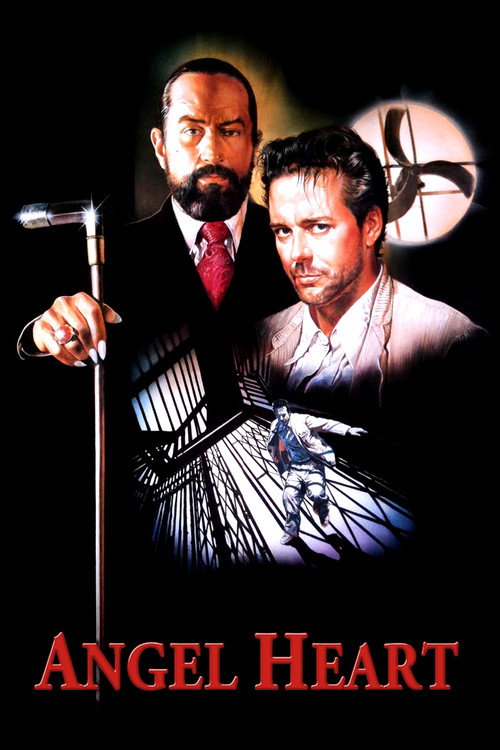
Angel Heart1987
The same soul-for-service bargain reimagined as a grimy detective thriller, showing how the Faust engine runs just as well disguised as pulp noir.
A private eye's missing-persons case curdles into a full Faustian nightmare, with Robert De Niro's Louis Cyphre as a devil who prefers Louisiana humidity and card tricks to thunderclouds and armies.
But Sleazy, violent, and openly pulpy where Murnau is operatic — this is horror-noir with sex and gore Murnau never touched.
People
Cast
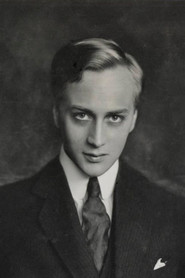 Gösta EkmanFaust
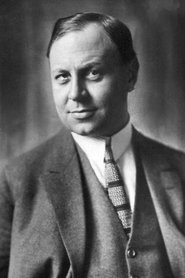 Emil JanningsMephisto
 Camilla HornGretchen Marguerite
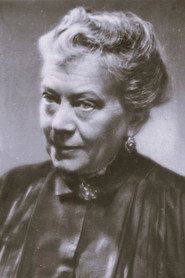 Frida RichardGretchens's Mother
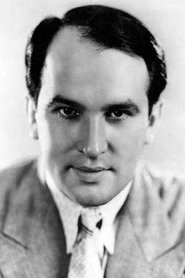 William DieterleValentin
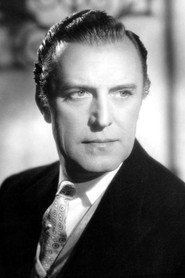 Werner FuettererErzengel
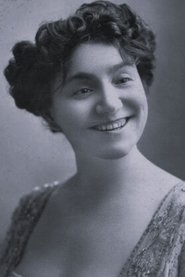 Yvette GuilbertMarthe Schwerdtlein
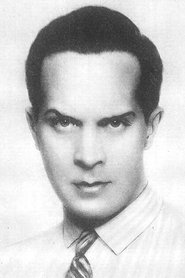 Eric BarclayDuke of Parma
 Hanna RalphDuchess of Parma
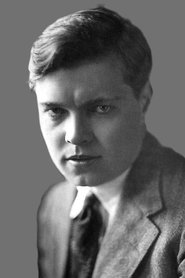 Hans BrausewetterFarmboy (uncredited)
- Lothar MüthelFriar (uncredited)
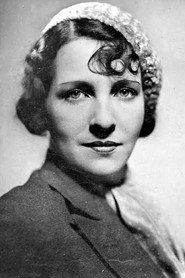 Hertha von Walther(uncredited)
Directing
- Hans RameauAssistant Director
- F. W. MurnauDirector
Writing
- Hans KyserScreenplay
- Christopher MarloweTheatre Play
- Johann Wolfgang von GoetheTheatre Play
Production
- Erich PommerProducer