
Film
The Student of Prague
Other titles called The Student of Prague: the 1913 film.
A German Expressionist masterpiece about a penniless student who makes a Faustian bargain with a mysterious moneylender, trading his mirror reflection for wealth and love. Visually stunning, deeply unsettling, and philosophically dark—a supernatural tragedy that influenced horror cinema for a century. Essential viewing for anyone serious about film history.
Should you watch it?
Watch it if you love silent German cinema's shadowy, dreamlike horror, where a Faustian bargain unfolds as moody melodrama with a fairytale's moral weight.
Skip it if you want quick pacing or modern sound, since its silent-era rhythm is stately and some theatrical acting will feel broad.
What it asks of you: Over two hours of patient silent storytelling, with title cards to read and a slow build that rewards close attention.
Not sure? Find tonight's pick in a minute.
If you liked this
Nosferatu1922
The most influential vampire film ever made, with the same German Expressionist visual language and philosophical dread. Haunting, formally perfect, and genuinely frightening despite its age.
But Silent film with title cards requires patience. The pacing is glacial by modern standards, and some may find the acting style too theatrical.

The Cabinet of Dr. Caligari1920
The defining Expressionist horror film—distorted sets, psychological terror, and a twist ending that rewires everything you've seen. Deeply influential on The Student of Prague itself.
But The deliberately artificial sets and painted shadows look stagey. Some find the episodic structure confusing, and the final reveal divides viewers.

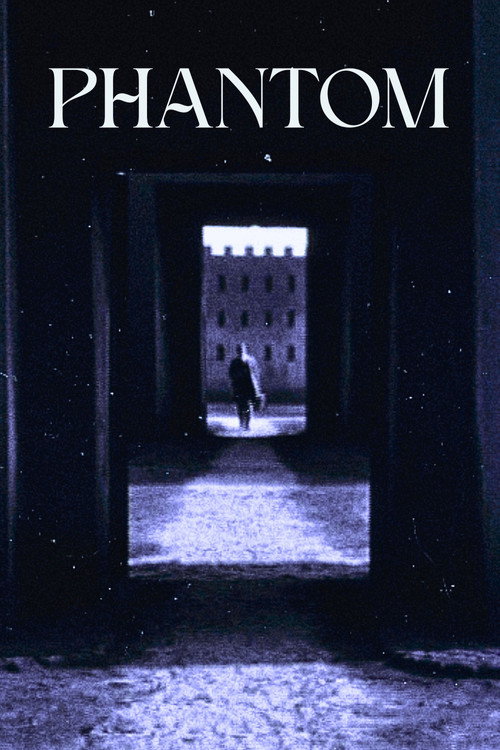
Phantom1922
Another German Expressionist gem with Conrad Veidt in a dual role, exploring obsession and the fractured self through dream logic and gorgeous shadowplay. Hypnotic and strange.
But Extremely slow-burn. The plot is thin and dreamlike rather than conventionally dramatic; you're watching mood, not story momentum.
Not sure tonight? Get a pick in a minute, starting from The Student of Prague
The wildcard
Something you would not have found on your own.
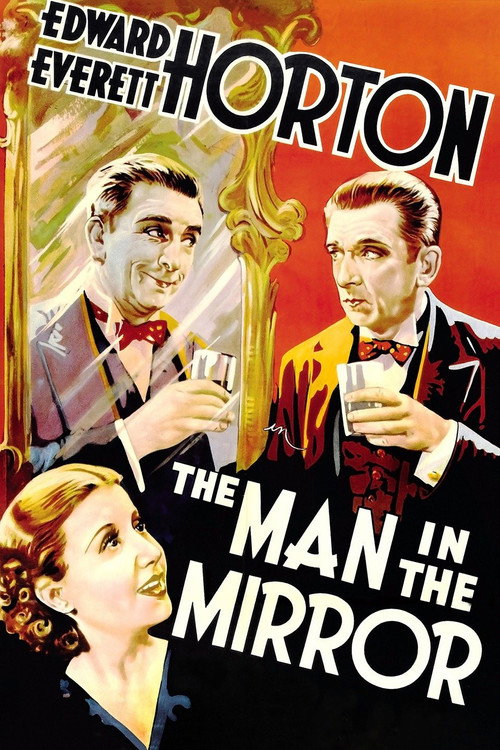
The Man in the Mirror1936
Both films adapt the same novella about a man and his reflection, but The Student of Prague is the Expressionist myth and this is the sound-era thriller sequel. Seeing them together shows how cinema's language changed in a decade.
A direct adaptation of the same Hans Heinz Ewers source material, but by an Austrian studio, in sound, and with a different actor and aesthetic. Lets you see how the same story transforms across media and time.
But The sound version strips away some Expressionist mystery—dialogue fills space that silence once held. It's more thriller than philosophical horror.
More like this (8)
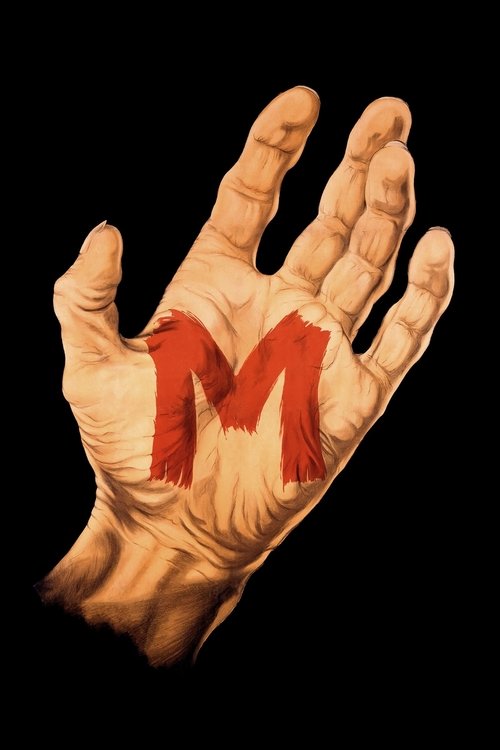
M1931
Fritz Lang's masterpiece about a serial killer hunted by Berlin's underworld. Brilliantly constructed thriller that bridges silent and sound cinema with ruthless social observation.
But The climax is philosophically bleak and offers no catharsis. Some sequences are genuinely disturbing, particularly involving children.
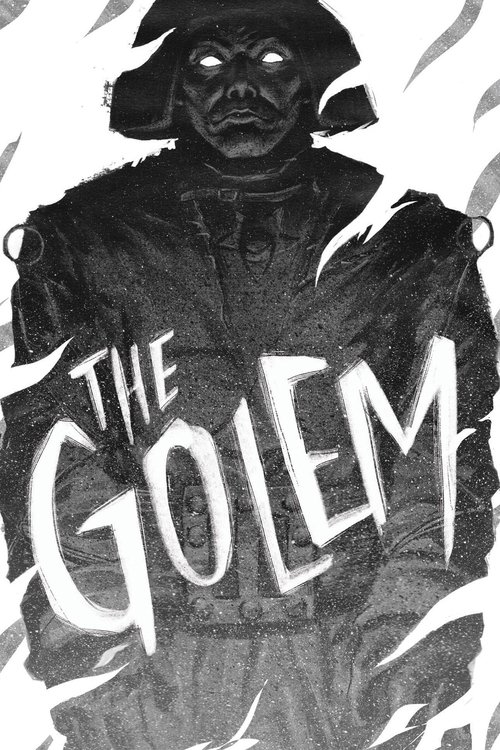
The Golem: How He Came into the World1920
Prague-set supernatural horror with the same visual poetry and the same actor (Wegener) playing a creature struggling against its own nature. Formally inventive and deeply strange.
But The plot is essentially folklore recitation. Long stretches are purely visual with minimal narrative forward motion.
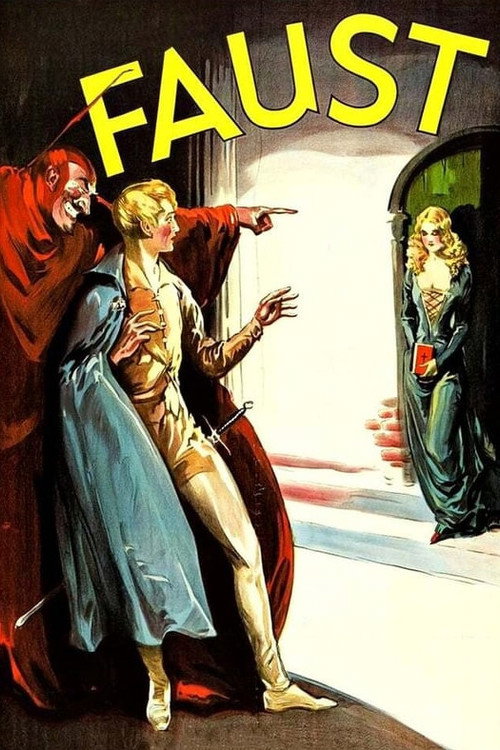
Faust1926
Murnau's lavish adaptation of the same Faustian deal that haunts The Student of Prague. Stunning production design and a thoughtful meditation on ambition and damnation.
But The theatrical acting is hard to watch in close-up. The second half loses focus and becomes more pageantry than drama.
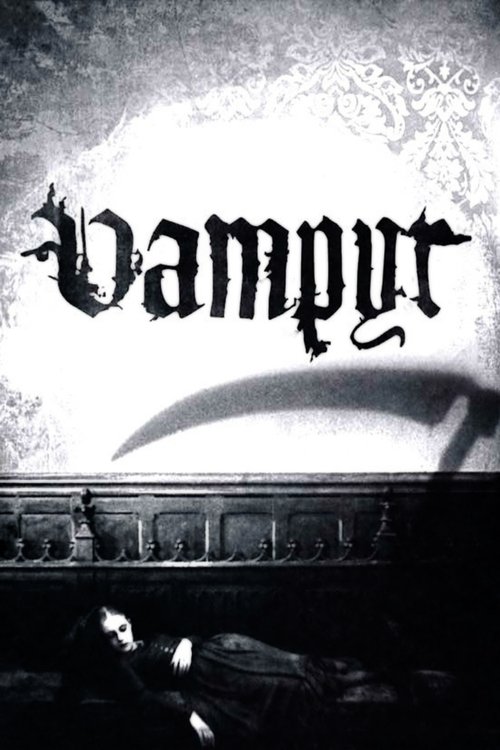
Vampyr1932
Carl Theodor Dreyer's dreamlike vampire film—more atmosphere than plot, using negative space and off-screen horror to burrow under your skin. Genuinely unsettling.
But Narrative coherence is deliberately obscured. If you need plot clarity, this will frustrate you deeply.
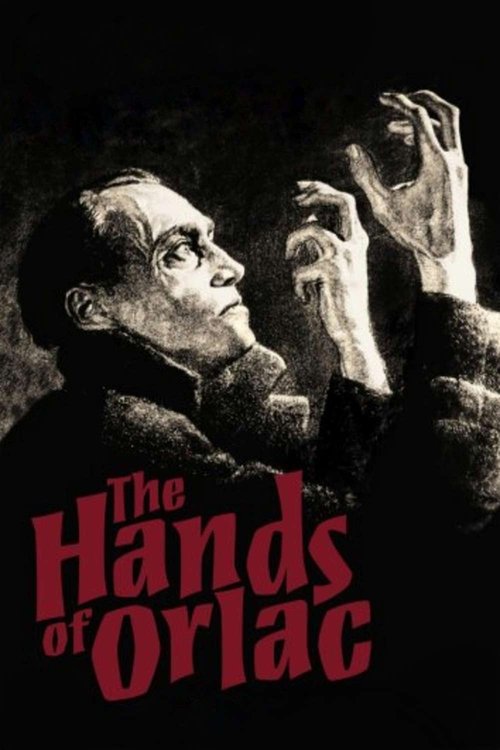
The Hands of Orlac1924
Another body-horror variation on Expressionist anxiety: a pianist receives a murderer's hands and questions his own agency. Thoughtful, eerie, and visually inventive.
But The premise is melodramatic, and some may find the resolution too tidy for the moral questions it raises.
The Lodger: A Story of the London Fog1927
Hitchcock's debut uses Expressionist techniques for a Jack the Ripper thriller. Proof that German visual language could be weaponized for suspense and mystery.
But The pacing is uneven, and the Jack the Ripper plot feels more like setup than genuine development. Some sequences drag.

The Phantom Carriage1921
Both are concerned with a man confronted by a supernatural reflection of himself—one literal, one spiritual—and both use that confrontation to ask whether we deserve redemption.
Swedish master Sskrzeta Sjöström's meditation on death, regret, and spectrality—completely different visual language from German Expressionism but the same existential dread and supernatural melancholy. Achingly beautiful.
But Glacially slow and dependent on intertitle poetry to carry meaning. The plot is gossamer-thin, essentially a ghost story that could be told in five minutes.

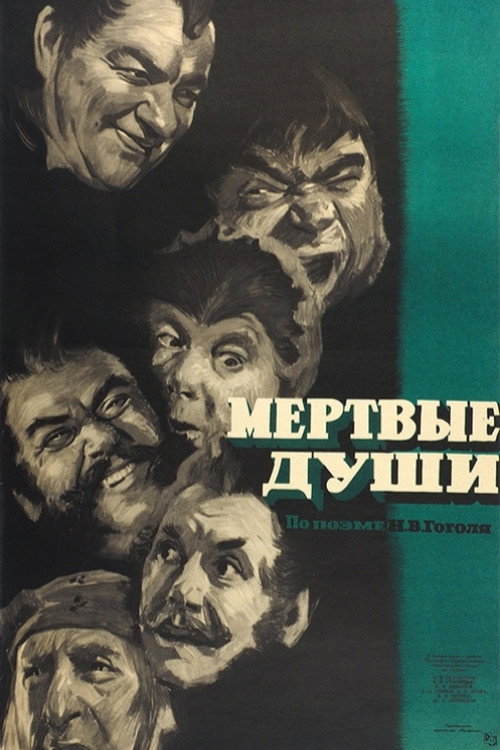
Dead Souls1960
Same Faustian bargain at the core—a man trades pieces of himself for worldly gain and discovers he's become hollow. Same literary DNA, radically different formal language.
Mikhail Kalatozov's Soviet Expressionist adaptation of Gogol—not German, not silent, not horror, but built on the same spiritual vertigo about deals with devils and the corruption of the soul. Visually stunning and morally haunting.
But Thematically dense and structurally ambitious in ways that can feel excessive. The social critique is Soviet-specific and may feel dated or didactic.
People
Cast
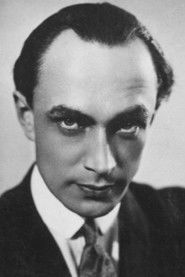 Conrad VeidtBalduin, Student
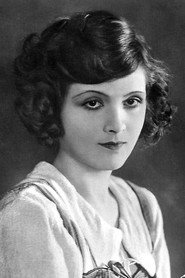 Elizza La PortaLyduschka, Blumenmädchen
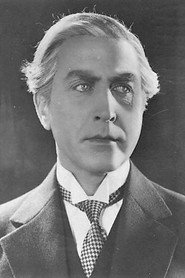 Fritz AlbertiReichsgraf von Schwarzenberg
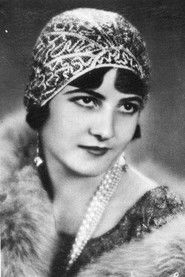 Agnes EsterhazyComtesse Margit, seine Tochter
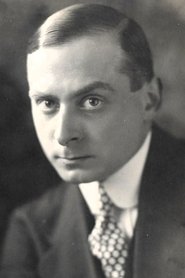 Ferdinand von AltenFreiherr von Waldis-Schwarzenberg, Margits Verlobter
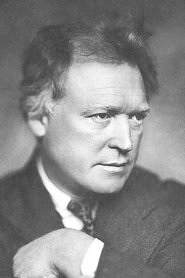 Werner KraussScapinelli, Wucherer
- Erich Kober1. Student
- Max Maximilian2. Student
Directing
- Erich KoberAssistant Director
- Henrik GaleenDirector
Writing
- Hanns Heinz EwersWriter
- Henrik GaleenWriter
Production
- Harry R. SokalProducer
- Max MaximilianProduction Manager