
Film
The Black Room
A 1935 Gothic horror film where Boris Karloff plays twin brothers—one tyrannical, one virtuous—in a 16th-century European town shadowed by prophecy. Stylish and claustrophobic, it's a neat twist on the mad-double tradition, carried by Karloff's mesmerizing dual performance. For anyone who loves the atmosphere of early Universal horror but wants something leaner and more cunning than the usual monster picture.
If you liked this
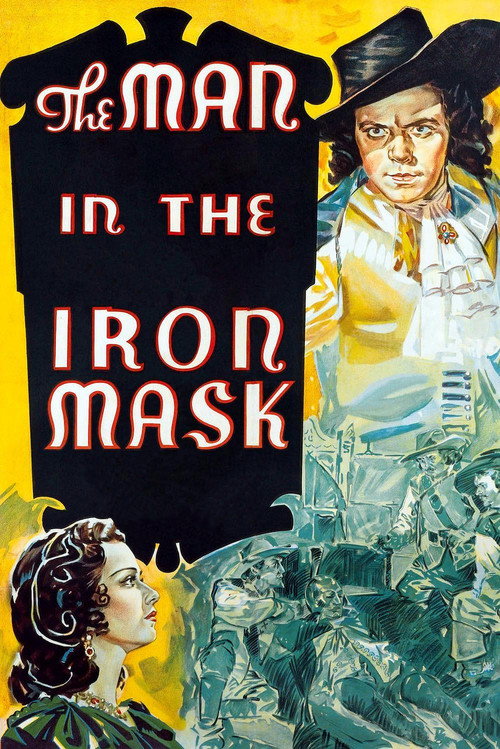
The Man in the Iron Mask1939
Swashbuckling twin-brother intrigue with similar DNA: Louis Hayward plays idealistic and corrupt halves of the same royal coin, and the film has the same pleasure in seeing a good man forced into an evil man's life.
But It's longer, more costume-drama than horror, and lacks Karloff's magnetism. The tone can wobble between adventure and seriousness.
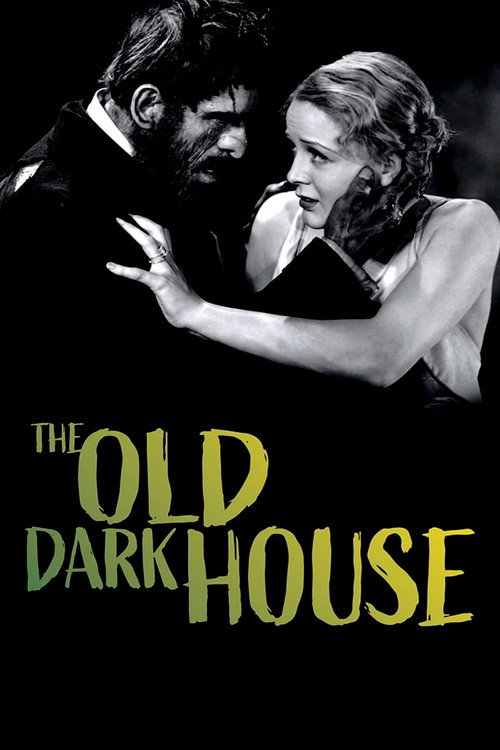
The Old Dark House1932
Karloff again, in a Gothic ensemble piece that nails the same atmosphere of claustrophobia and dread. A house, family secrets, and strangers trapped together—it's a masterclass in mood over budget.
But More ensemble horror than character study, so Karloff has less screen time. Very slow burn; 1930s pacing will test modern patience.
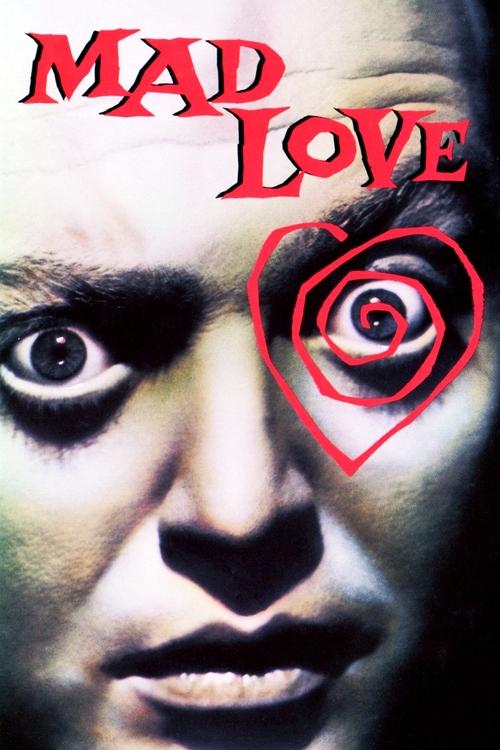
Mad Love1935
Peter Lorre as a surgeon obsessed with a pianist's hands; pure psychosexual Gothic made the same year as The Black Room. Grotesque, gorgeous, utterly strange—a film that feels like fever dream.
But Lorre's intensity can be exhausting. The plot is thinner than it seems, and some of the 'science' is too silly to swallow even for 1935.
Not sure tonight? Get a pick in a minute, starting from The Black Room
The wildcard
Something you would not have found on your own.
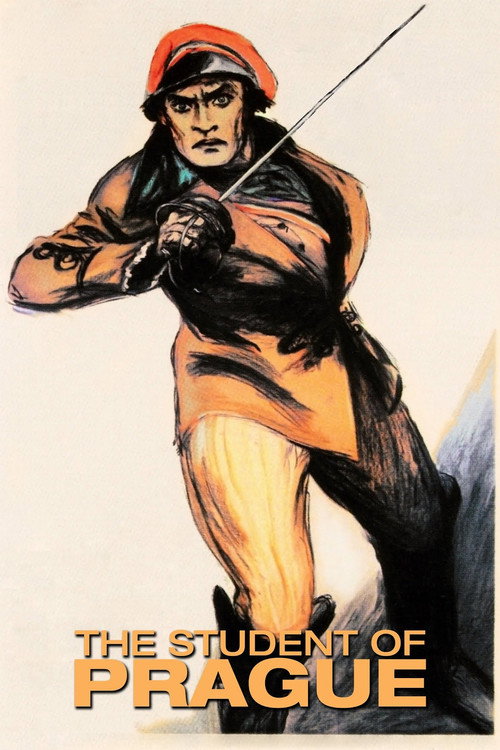
The Student of Prague1926
Both explore the corruption of a man through his darker self; The Black Room literalizes the doubling that Student of Prague treats as supernatural metaphor. This is the ancestor.
Silent German Expressionist film about a man who sells his reflection to the devil—it's the mad-double template that inspired The Black Room directly. Gorgeously eerie, infinitely creepy, and utterly hypnotic.
But Silent film with intertitles, which requires patience and active engagement. The Expressionist aesthetic is beautiful but can feel glacially slow.
More like this (8)
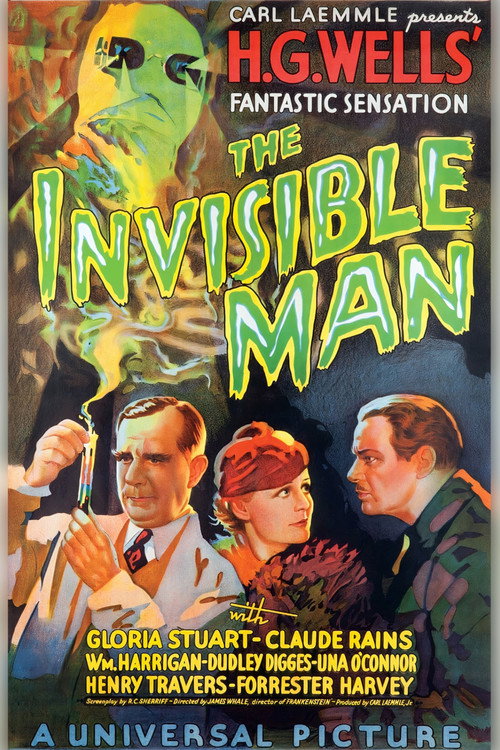
The Invisible Man1933
Claude Rains as a man corrupted by power and invisibility—it's The Black Room's spiritual cousin, swapping Gothic castles for modern labs but keeping the same descent into tyranny and madness.
But It's funnier and more satirical than horrifying. Some effects look creaky now, and the tone can feel dated in ways that don't age gracefully.
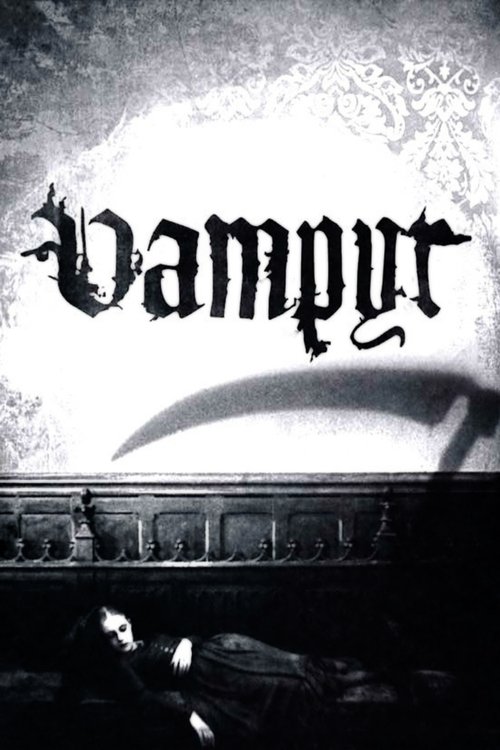
Vampyr1932
Carl Theodor Dreyer's dreamlike vampire film has The Black Room's European Gothic sensibility and its focus on corruption seeping through a town. Hypnotic, painterly, unlike anything else.
But Abstract and slow. There's almost no conventional plot, which means it demands you surrender to mood—and that won't work for everyone.
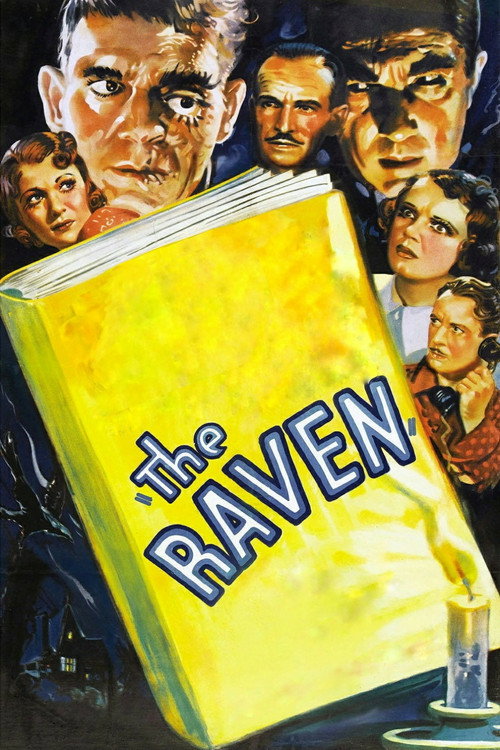
The Raven1935
Karloff and Bela Lugosi facing off in a torture-obsessed madhouse of a film. Bonkers, high-camp, utterly committed to its own perversity. The kind of horror that doesn't apologize.
But It's genuinely unpleasant in places, which is partly the point. The plot is nonsensical even by 1935 standards.
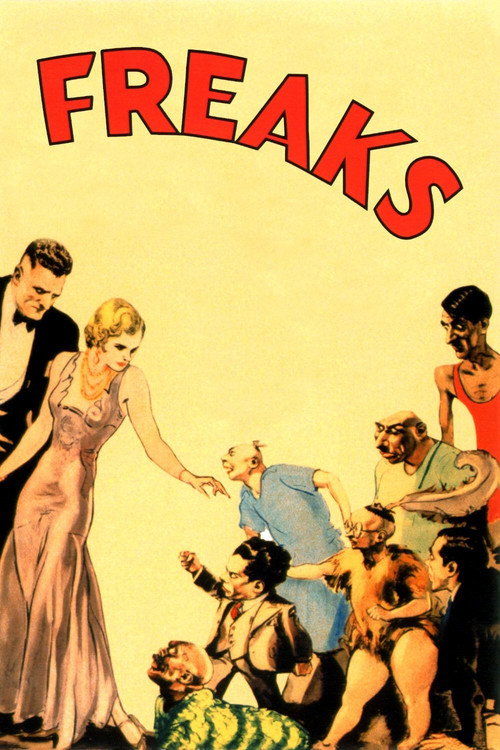
Freaks1932
Tod Browning's carnival horror about exploitation and revenge. Like The Black Room, it's interested in how people become monstrous, and it has real teeth—the cruelty is never comfortable.
But It's deeply transgressive, which can feel exploitative even when it's not trying to be. And genuinely upsetting if you care about the characters, which you will.
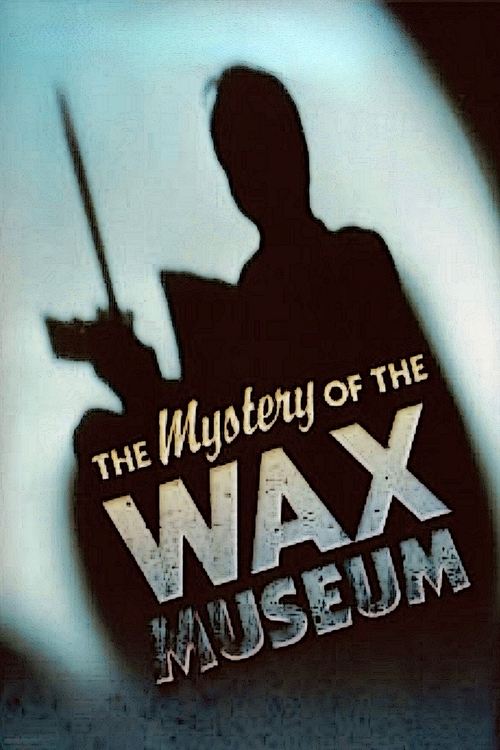
Mystery of the Wax Museum1933
Lionel Atwill as an artist constructing a wax museum from actual corpses. Gothic, perverse, gorgeously shot in color. Atwill's obsession mirrors the twin brothers' warped duality perfectly.
But The color process is unstable—some prints are nearly unwatchable. The plot has weird tonal lurches into comedy.
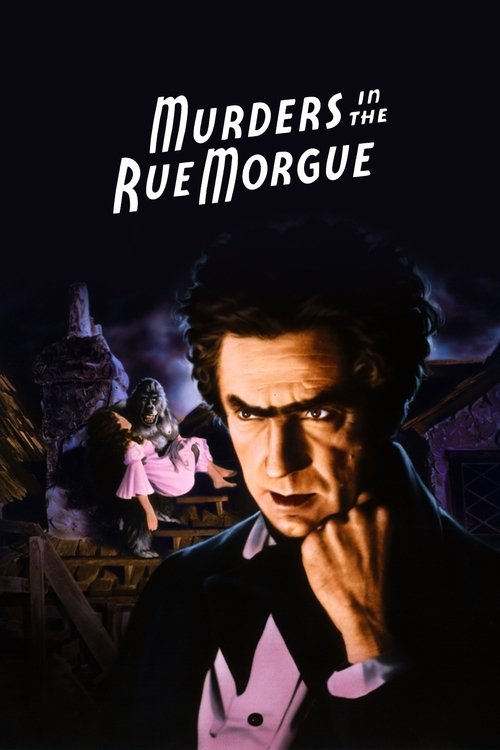
Murders in the Rue Morgue1932
Lugosi in a weird, claustrophobic adaptation where a mad scientist and an escaped ape wreak havoc. Not faithful to Poe, but it has the same European Gothic atmosphere and laboratory obsession.
But Confused plotting, weird pacing, and Lugosi dubbed over in some releases. The ape scenes look absurd by any standard.
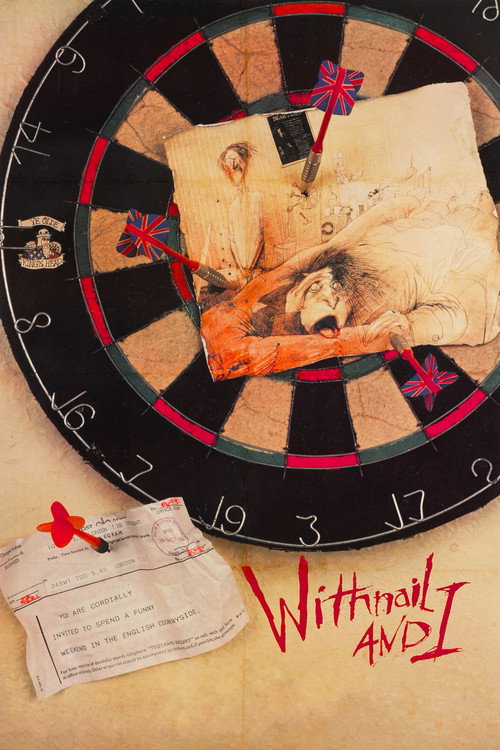
Withnail & I1987
Both are about entrapment in a warped double act, where one man's evil or weakness poisons everything. But where Karloff's film is tragedy, this is tragicomedy—same structure, opposite register.
A comedy built on the same principle: two men, one selfish and dissipated, one trying to escape the other's gravity. It's how The Black Room would play if the prophecy were a hangover and the castle were a flat in Camden.
But Broad British comedy that requires taste for 1980s indie sensibility. If you don't find desperation funny, you'll find it bleak.
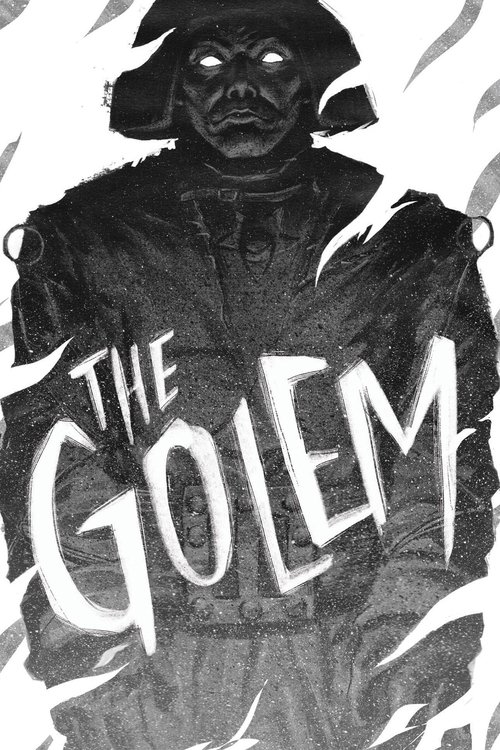
The Golem: How He Came into the World1920
Both films are about a man's crime or ambition creating a second self that destroys him. One is literal doubling, one is creation, but the moral consequence is identical: you cannot escape what you've made.
Czech silent horror about a constructed man made to serve his creator—a prophecy of monstrosity instead of possession, but with the same atmosphere of ancient evil waking in claustrophobic medieval spaces. Utterly gorgeous and strange.
But Very slow, very silent, very Expressionist. If you need plot momentum, this will feel like watching paint dry in a minor key.
People
Cast
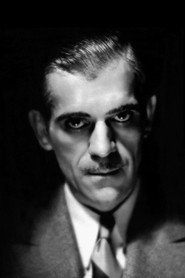 Boris KarloffBaron Gregor de Berghman / Anton de Berghman
 Marian MarshThea Hassel
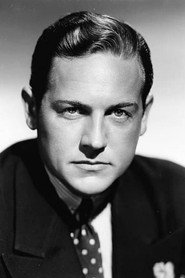 Robert AllenLt. Albert Lussan
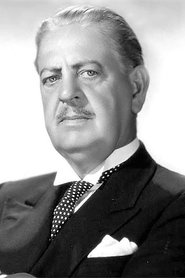 Thurston HallCol. Paul Hassel
 Katherine DeMilleMashka
 John BucklerBeran - the gypsy
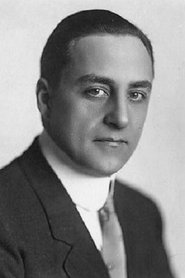 Henry KolkerBaron de Berghman
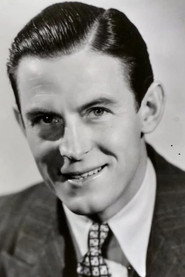 Colin TapleyPaul Hassel as a young lieutenant
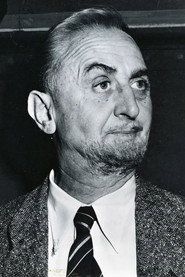 Torben MeyerPeter, the majordomo
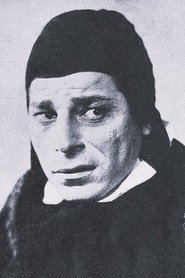 John GeorgeInn Waiter (uncredited)
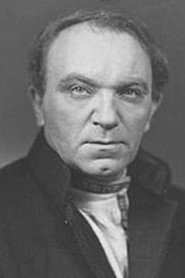 John BleiferFranz - Captured Assassin-Villager (uncredited)
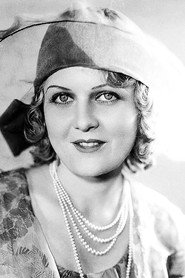 Marion LessingMaria the Chambermaid
Directing
- Roy William NeillDirector
Writing
- Arthur StrawnScreenplay
- Henry MyersScreenplay
- Arthur StrawnStory